

Contents
Not all polo shirts are made for embroidery. Even the best design can look sloppy if the fabric can’t hold clean stitches. That’s why choosing the best polo shirts for embroidery is a non-negotiable step for anyone serious about custom apparel or branding. Read on as we break down exactly what separates embroidery-ready polos from the rest.
Why should you sell embroidered polo shirts?
Embroidered polo shirts are not just easy to sell; they’re built for long-term value. Sitting perfectly between comfort and professionalism, polos work across industries, audiences, and use cases. For sellers, this versatility translates into more orders, higher quality, and stronger brand impact.
Strong demand from corporate and school uniforms
Polo shirts strike the ideal balance between polished and approachable, perfect for workplace uniforms. When a logo is embroidered, it immediately elevates the look, reinforces brand identity, and helps teams feel more cohesive.
In the education environment, custom polo uniforms will meet strict requirements for neatness, consistency, and comfort. Schools often order in bulk and reorder regularly, creating reliable, long-term revenue opportunities for sellers.
A natural fit for sports and active communities
Polos have deep roots in sports, from golf and tennis to club-level activities. Today, they’re widely worn by teams, fitness groups, and outdoor communities towards coordination. These customers typically order in sets, prioritize durability, and value embroidery for its clean, professional finish.
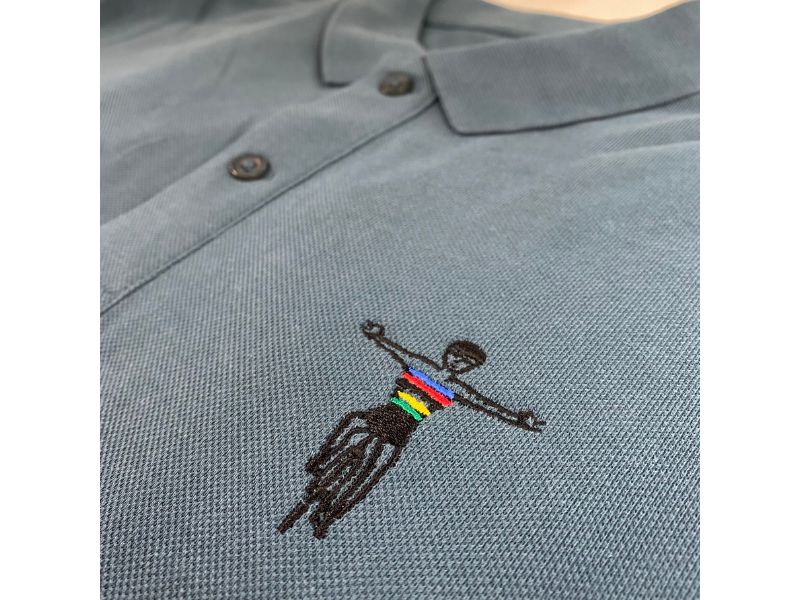
A go-to product for events and brand promotion
Event organizers, exhibitors, and promotional teams need uniforms that are easy to recognize and look professional in fast-paced environments. And embroidered polos deliver exactly that. Beyond staffing, concerts, festivals, and trade shows often use embroidered polos as limited-edition merchandise, opening the door to campaign-based or seasonal sales.
Consistent demand from nonprofits and charity organizations
Nonprofit groups frequently use polo shirts for fundraising, volunteer uniforms, and awareness campaigns. These organizations care deeply about credibility and storytelling, and embroidery supports that message. This segment values meaning over trends, making them more likely to invest in quality garments.
Sales opportunities in clubs and resort settings
In hospitality and tourism, polo shirts are a staple for staff uniforms to stay comfortable during long hours and outdoor work. Resorts, country clubs, and golf destinations also sell embroidered polos as branded souvenirs, making them a smart choice for sellers.
>> Read more: What is A Polo Shirt? What are the Best Polo Shirts to Sell
Best polo shirts for embroidery
1. Pique Polo Shirt Gildan 64800
The Gildan 64800 is a strong foundation for embroidery-focused sales. Its ring-spun cotton creates a stable surface that helps stitches stay crisp and evenly spaced and reduce the risk of distortion on logos.
The relaxed unisex fit simplifies sizing for bulk orders, which is exactly why this style performs well for events, teams, and workplaces that need consistency at scale. Reinforced shoulder seams also extend the garment’s lifespan, making it easier to justify repeat orders from the same customer.
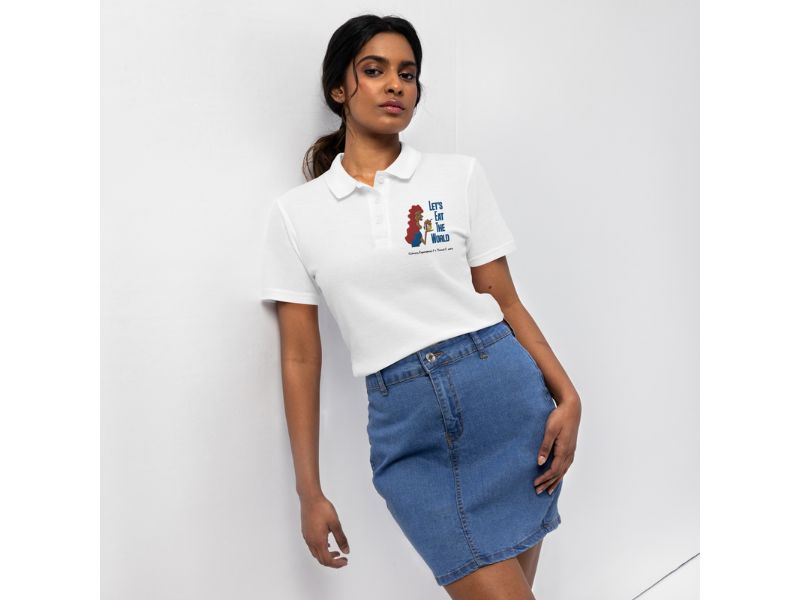
2. Pique Polo Shirt Gildan 64800L
The Gildan 64800L brings embroidery quality into a women-specific silhouette. Its classic pique fabric supports clean stitching while maintaining breathability, and the rib-knit collar keeps its shape after repeated wear. This balance between structure and comfort makes it especially appealing for companies looking to offer women’s uniforms, helping sellers capture a segment often underserved in custom apparel.
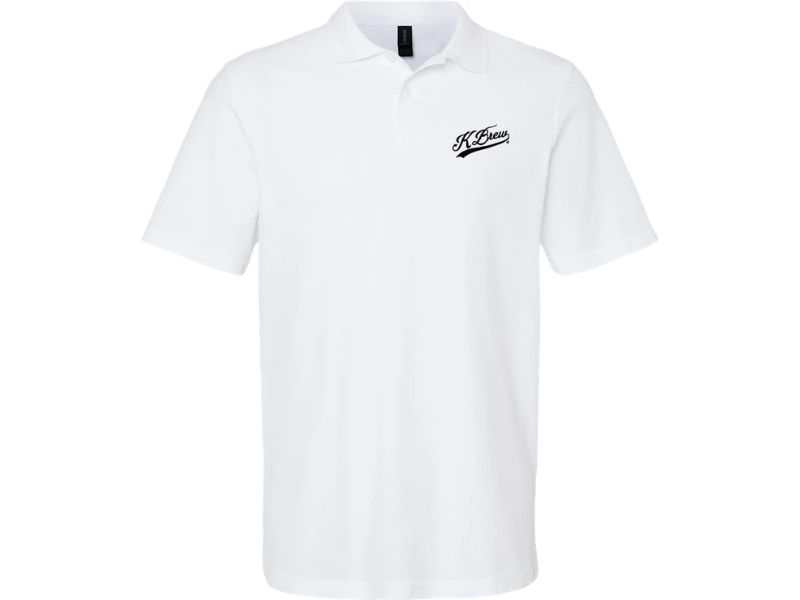
3. Women’s polo shirt
This women’s polo is designed for everyday wear without compromising embroidery performance. The fabric weight allows logos to sit flat and remain legible over time, while the tailored cut enhances overall presentation.
Because it works equally well for corporate use, team apparel, and promotional campaigns, sellers can position this style across multiple use cases without needing different base products.
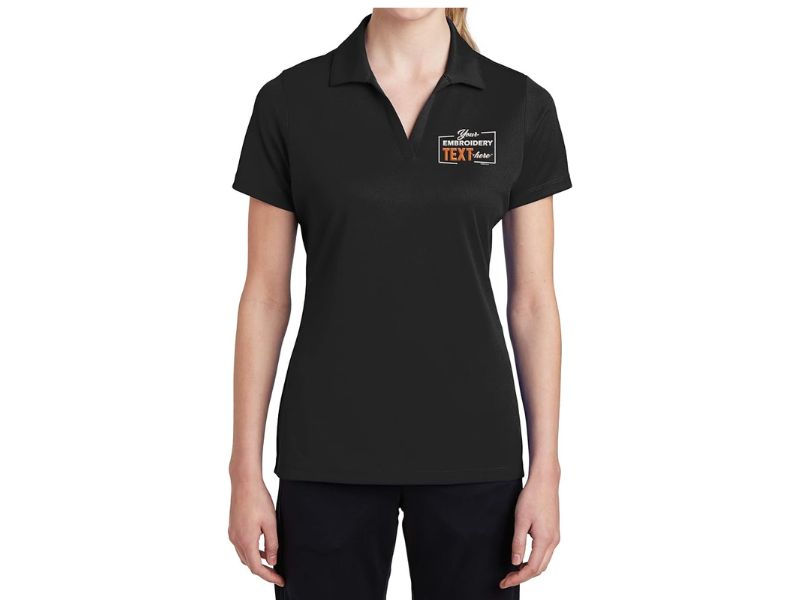
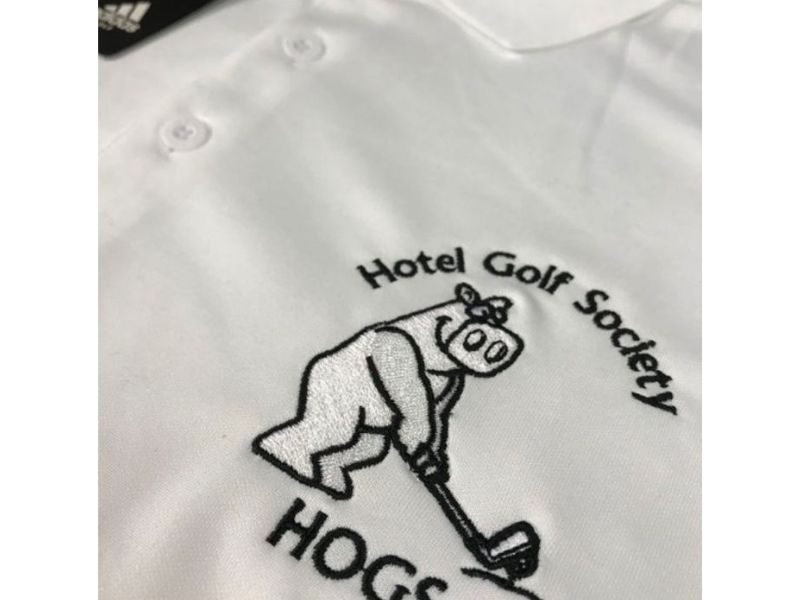
4. Adidas performance polo shirt
The Adidas Performance Polo appeals to buyers who expect more than just a logo. Its lightweight recycled fabric handles embroidery without adding bulk, while moisture-wicking and UPF 50+ protection provide real functional benefits.
These features make the shirt a natural fit for golf brands, sports teams, and sustainability-focused businesses, allowing sellers to command a higher perceived value while meeting modern performance expectations.
5. Premium embroidered polo shirt
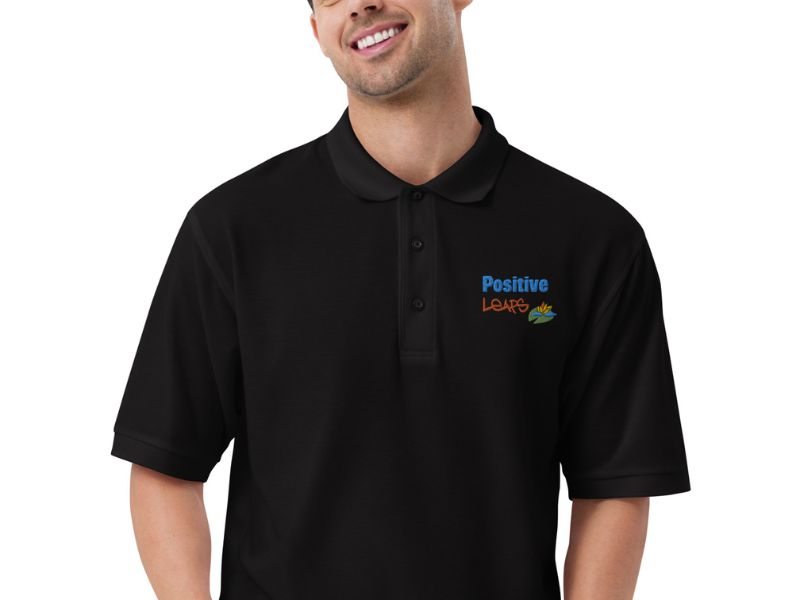
This premium polo is built for customers who see embroidery as a brand statement. The cotton–poly pique blend offers a smooth, durable base that enhances stitch clarity and longevity. Elevated details like metal buttons, flat knit collars, and side vents reinforce a polished look, making this style ideal for hospitality, retail, and branded merchandise.
What actually matters when choosing polo shirts for embroidery
Selling embroidered polos isn’t about picking “nice-looking” shirts. It’s about choosing blanks that behave well under stitches, age gracefully after washing, and don’t come back as customer complaints.
1. Brand consistency
Well-known polo brands aren’t valuable because of their names. Consistent sizing, predictable fabric behavior, and standardized construction is the main point to make embroidery easier to control. When sellers work with proven brands, they spend less time fixing issues and more time fulfilling repeat orders.
2. Fabric material
Natural fibers attract buyers who care about feel and everyday wear. Synthetic fabrics appeal to performance-driven customers who prioritize durability and moisture control.
And blended materials sit in the middle, which is why many sellers rely on them to serve multiple markets without fragmenting their catalog. Choosing the wrong fabric creates a mismatch between what customers expect and what they receive.
3. Fabric structure
Embroidery exposes weak fabrics immediately. Thin or loosely knit materials can’t stabilize stitches, which leads to puckering, distortion, or uneven logos. Dense, structured fabrics hold tension better and protect the integrity of small details.
4. Embroidery placement
Embroidery rewards simplicity. Because polo shirts offer limited real estate, trying to use all of it usually backfires. Chest placements work because they’re visible without being loud. Sleeve embroidery works only when it stays subtle.
5. Design
Embroidery is not printing. It favors shapes, spacing, and clarity over complexity. You should choose simplified logos protect both the final look and their production efficiency. The best embroidered designs communicate instantly.
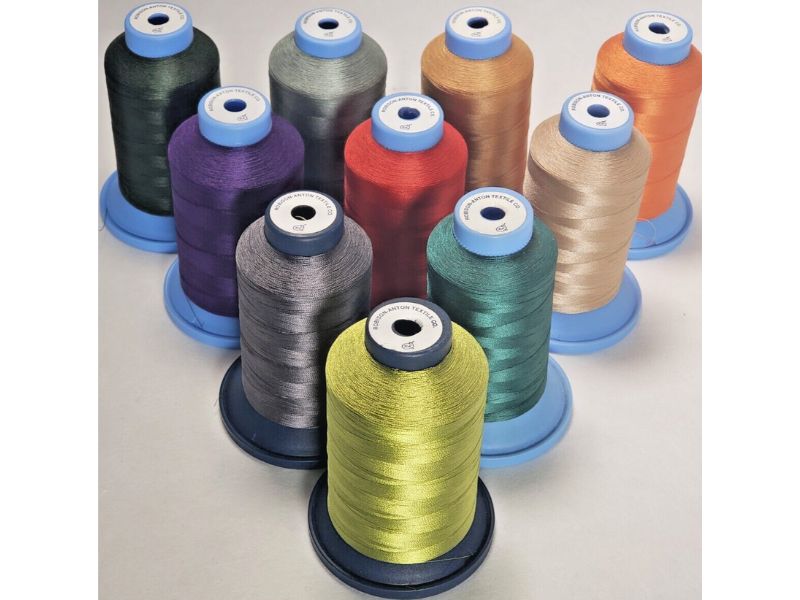
6. Thread options
Limited thread colors limit your market. Flexible color support allows sellers to handle different brand identities without compromising design accuracy. More importantly, color contrast and thread finish can influence how “premium” a polo feels at first glance.
7. Sell like a strategist
Before adding a polo to your lineup, ask how it will actually be worn. Will it be used outdoors? Does it need to look upscale? Is coverage important? Are functional details like pockets necessary? Comfort, purpose, and context matter more than trends. Those who address these questions early can create polo collections that drive repeat sales.
When polo shirts aren’t right for embroidery: Smarter alternatives
Embroidery isn’t always the right answer. Some polo shirts simply aren’t built to handle stitches well, and forcing embroidery onto the wrong fabric often leads to stiff logos, distortion, or a finished product that feels off. In these cases, choosing the right printing method is a smarter decision. At Merchize, DTF printing and sublimation offer flexible, scalable alternatives.
DTF Printing
DTF printing works especially well for designs that embroidery struggles with. Multi-color artwork, fine details, gradients, or complex illustrations can be reproduced cleanly without worrying about stitch limits or fabric tension.
Because DTF can be applied to a wide range of fabrics, it gives sellers more freedom when working with lighter polos, blended materials, or casual styles. You can check out Sebring Performance Polo Paragon 500 to get more.
Sublimation
Sublimation is a different approach altogether. Instead of sitting on top of the fabric, the design becomes part of it. This results in a lightweight, breathable feel with no added texture.
However, sublimation only works on polyester or high-poly blends. It’s most effective for sports polos or everyday wear. While it doesn’t deliver the structured, premium presence of embroidery, it excels in durability and ease of wear, especially for active use.
You can consider some products at Merchize:
- All-over Print Tactical Polo Shirt
- All-over Print Pocket Polo Shirt (Midweight)
- All-over Print Pocket Polo Shirt (Lightweight)
- All-over Print Polo Shirt (Lightweight)
- All-over Print Men’s Long Sleeve Polo Shirt (Lightweight)
Embroidery only looks as good as the polo behind it. Choosing the best polo shirts for embroidery means fewer production issues, sharper stitch results, and products customers are happy to reorder. When fabric, construction, and fit are chosen with intent, embroidery becomes an asset. Best of luck with your embroidery collections!


