Contents
Which card size actually works best for greeting cards, business cards, or visiting cards?
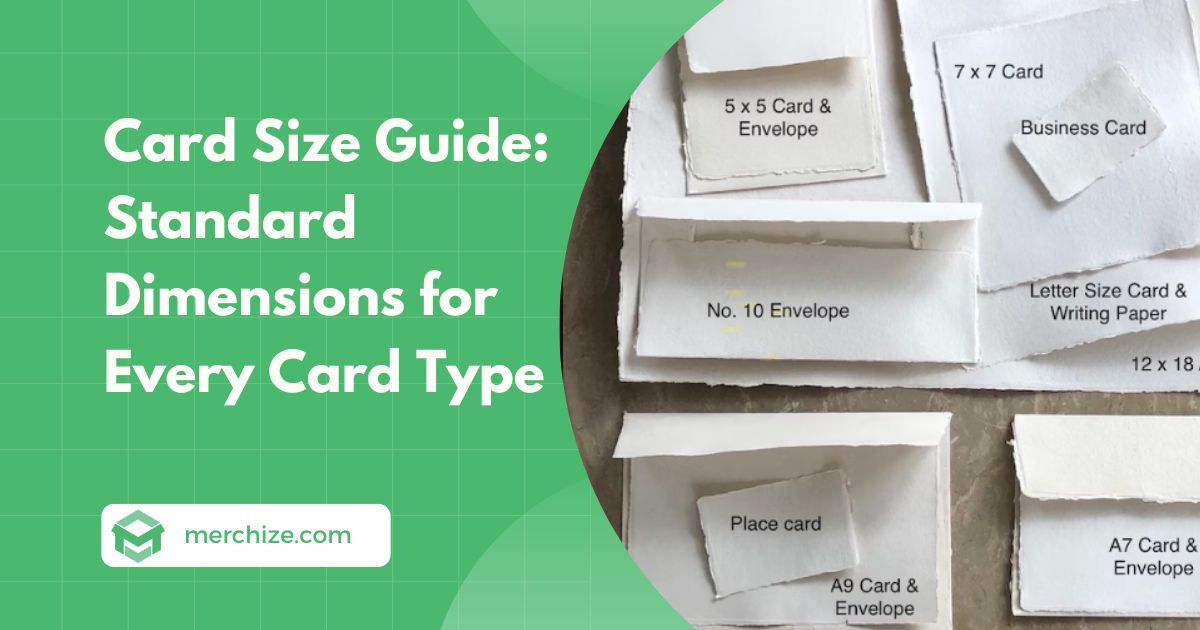
The truth is, most people choose the wrong size. That often leads to cards that do not fit envelopes, cost more to print, or simply look unprofessional. Standard card sizes play a key role in whether your card fits neatly into a wallet or envelope, and how effectively it delivers your message.
In this guide, we break down the most common standard card sizes, including greeting cards, business cards, and visiting cards, as well as playing cards, trading cards, thank you cards, birthday cards, and more.
Common card sizes by use case
Whether you’re sending a birthday greeting, printing professional business cards, or collecting trading game cards, each card type has its own standard size to fit envelopes and wallets while delivering your message effectively.
Greeting, invitation, and event cards
The sizes of invitation, greeting, and event cards are typically grouped into A-series formats (A2, A6, A7, A9), square cards, and business card sizes. Each category serves a different purpose, depending on how the card is used, displayed, or delivered.
A6 greeting card: 4.5" × 6.25"
An A6 card measures 4.5 × 6.25 inches when folded (9 × 6.25 inches unfolded), making it one of the most commonly used standard card sizes in the U.S. This size is widely used for greeting cards, birthday cards, thank you cards, and Christmas cards.
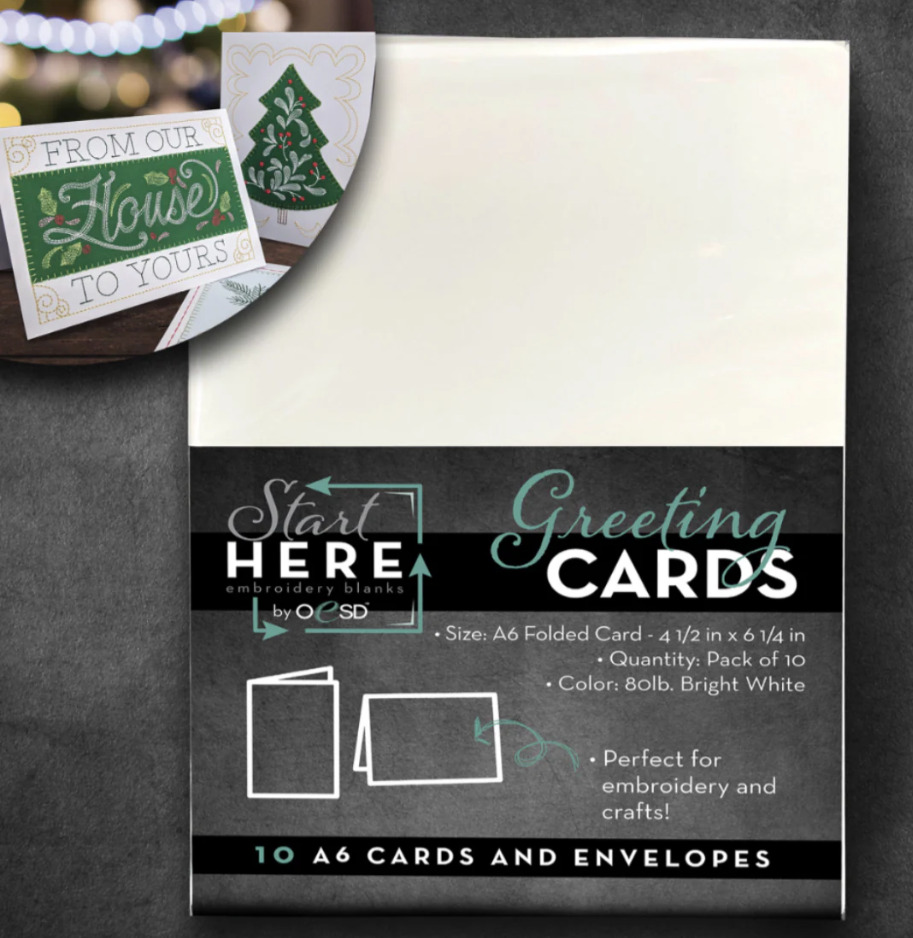
With a compact yet balanced size, they provide enough space for artwork on the front and a thoughtful message inside without feeling bulky. This size is easy to mail, cost effective, and widely accepted across both personal and business use.
A7 invitation card: 5" × 7"
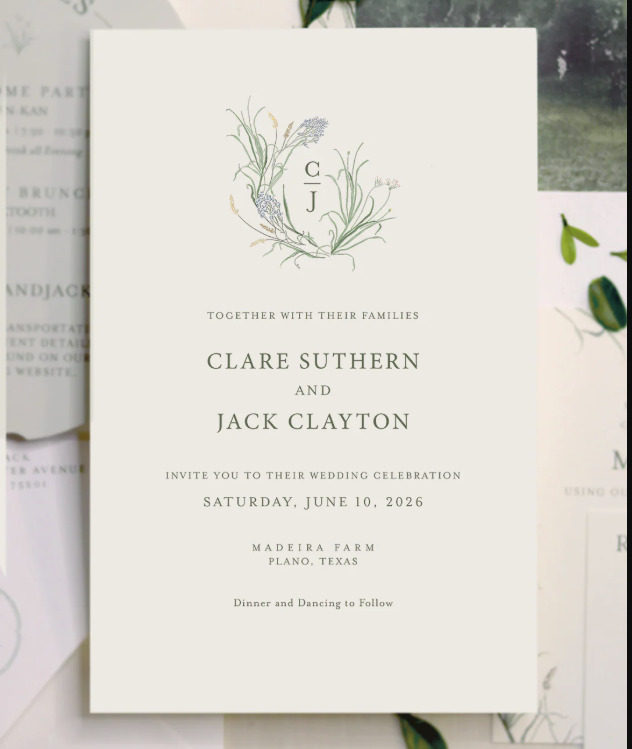
A7 invitation cards are a go-to choice for formal and semi-formal events. Their larger surface area allows for elegant layouts, detailed typography, and clear event information.
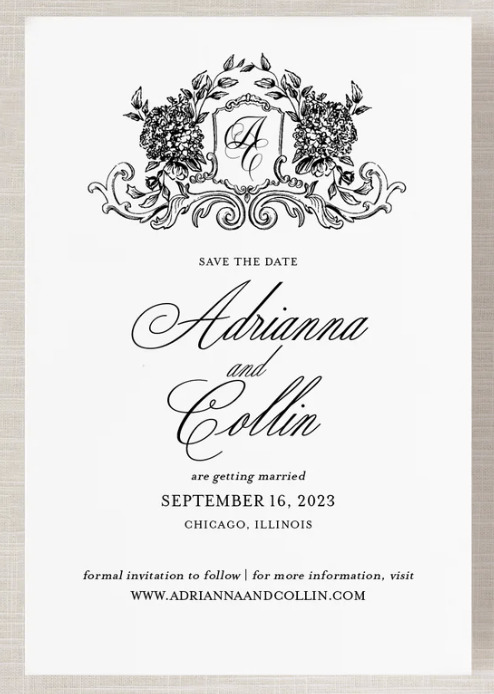
This size is commonly used for weddings, parties, corporate events, and announcements where presentation matters.
Square photo cards
Square photo cards are designed for visual storytelling. Their symmetrical shape makes them perfect for photo-centric designs, modern layouts, and creative branding.
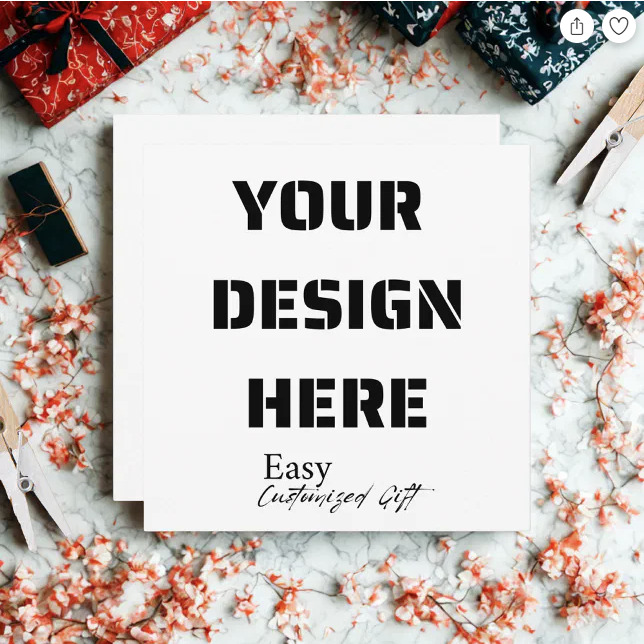
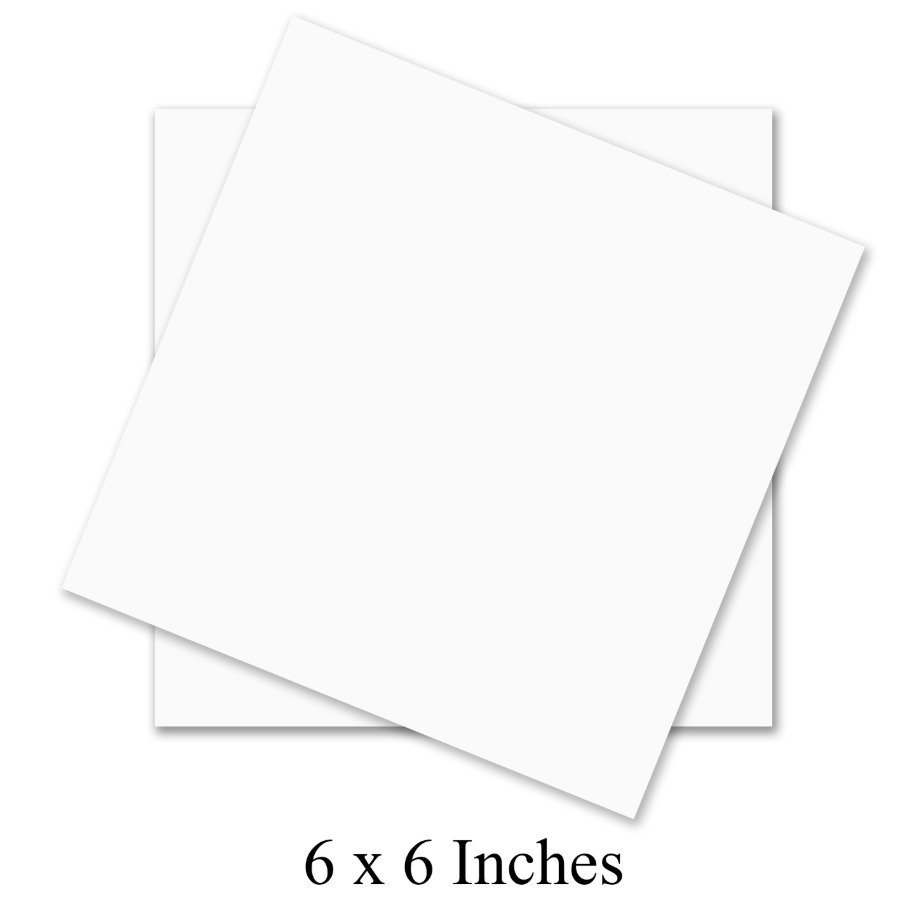
The 5.25" × 5.25" size is popular for greeting cards and holiday designs, while the larger 6" × 6" format offers more room for bold imagery and premium presentations. These cards are often chosen when aesthetics take priority over traditional formats.
A2 note card
A2 note cards are compact, versatile, and highly practical. They are commonly used for thank you cards, personal notes, small announcements, and branded stationery.
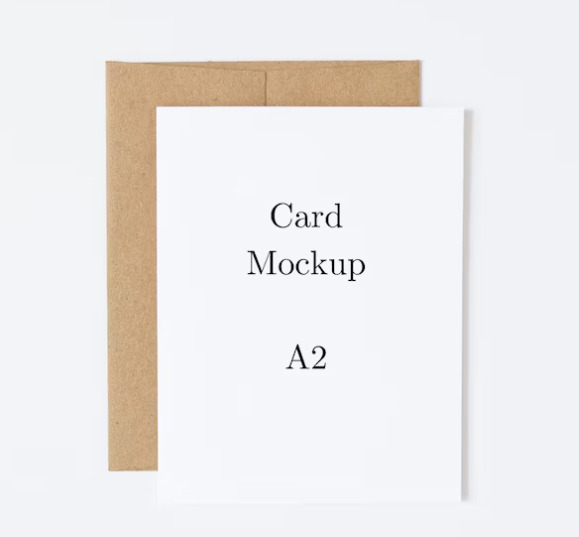
Due to their smaller size, A2 cards are cost-efficient to print and mail, making them a favorite for businesses and creators who send cards frequently or include them as packaging inserts.
A9 event card: 5.5" × 8.5"
A9 event cards are designed for important occasions such as graduation parties, grand openings, conferences, and corporate events. They’re also commonly used for programs, promotional announcements, or premium invitations when extra space is needed.
A9 cards work well when you need to include multiple sections of information or want your message to stand out visually.
Business and folded cards
Business and folded cards are designed to support branding, promotions, and professional communication.
Folded formats provide additional space for messaging, offers, or contact details while maintaining a clean, structured look. This makes them an ideal choice for businesses, freelancers, or individuals who want to create a strong and professional impression.
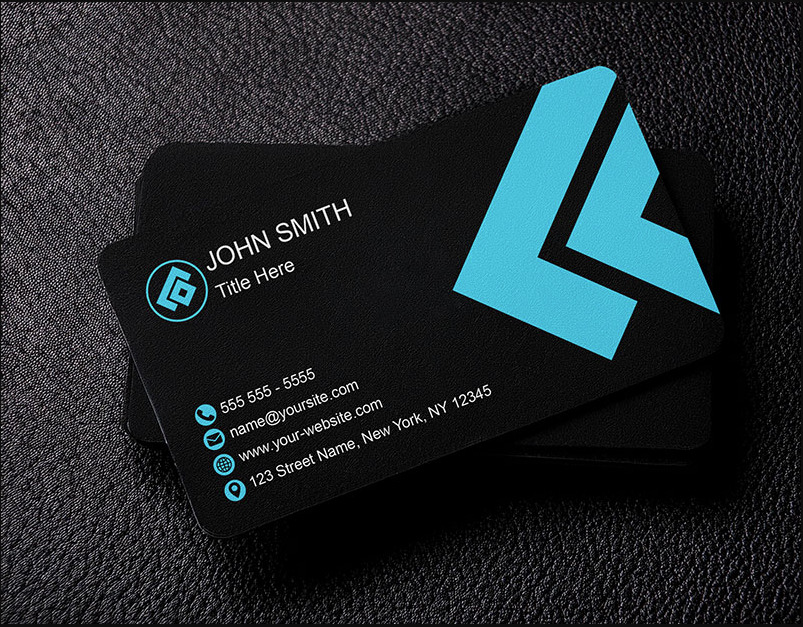
Long-format business cards
Long-format business cards (4" × 8" or 3.9" × 8.25") are ideal for modern branding and marketing use cases. Their extended layout allows for creative designs, step-by-step information, or promotional content that would not fit on standard business cards.
These sizes are often used for menus, event handouts, product highlights, or premium brand introductions where a distinctive format helps capture attention.
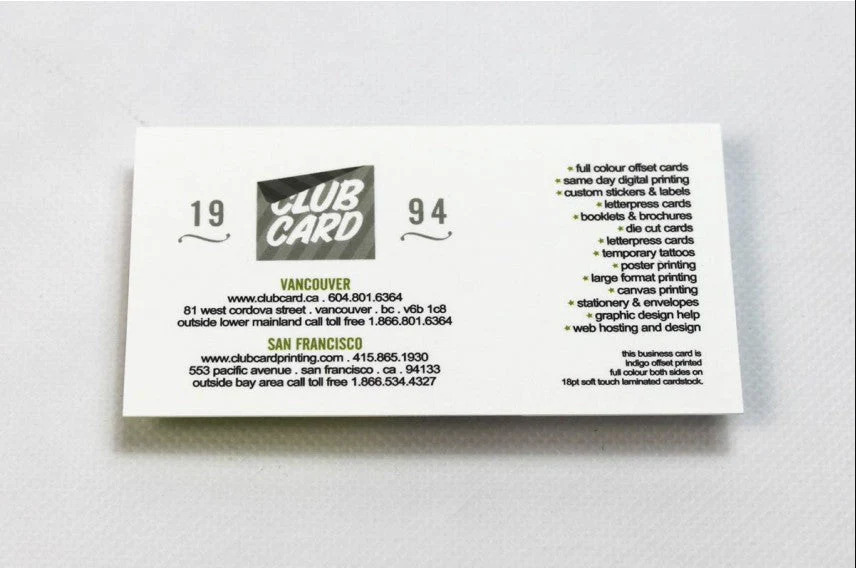
Folded invitation and greeting cards
For occasions that require more room to tell a story, standard flat card sizes may feel limiting. Folded cards solve this by offering additional panels for content and design. They are typically created from flat A2, A7, or other standard sheets and fold either in the center or along the side. Common folded card sizes include:
- 5" × 7" folded (from a 10" × 7" flat sheet): A classic choice for wedding invitations and event cards. When opened, it provides generous space for detailed information, elegant layouts, and impactful visual design.
- 4.25" × 5.5" folded (A2 style): Compact and refined, this size works beautifully for birthday greeting cards or thank-you notes. The folded format adds a premium feel while remaining easy to display and mail.
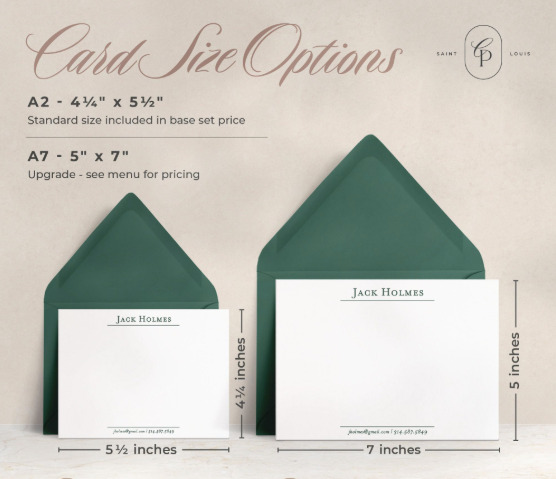
- 5.5" × 8.5" folded: Larger and more sophisticated, this format is ideal for important event invitations or extended greeting cards that require more room for rich content and storytelling.
Personal and identification cards
Personal and identification cards are designed for everyday use. These cards are typically carried in wallets, badge holders, or lanyards, so they need to follow widely accepted size standards to ensure compatibility with common accessories.
- Standard ID card (CR80 size): 3.375" × 2.125": The international standard size, the same as credit cards and driver’s licenses. Fits wallets, cardholders, and badge sleeves perfectly
- Vertical ID card: 2.125" × 3.375": Portrait orientation, ideal for larger photos. Commonly used for student IDs, employee badges, and event passes
- Custom mini ID card: 2.5" × 3" or smaller: Compact and easy to carry or attach as a keychain. Great for membership cards, loyalty cards, or small personalized gifts
Trading card games (TCG)
Beyond the standard sizes required for compatibility with decks, sleeves, storage boxes, and tournaments, trading card games also use additional sizes optimized for printing.
Poker size (international TCG standard)
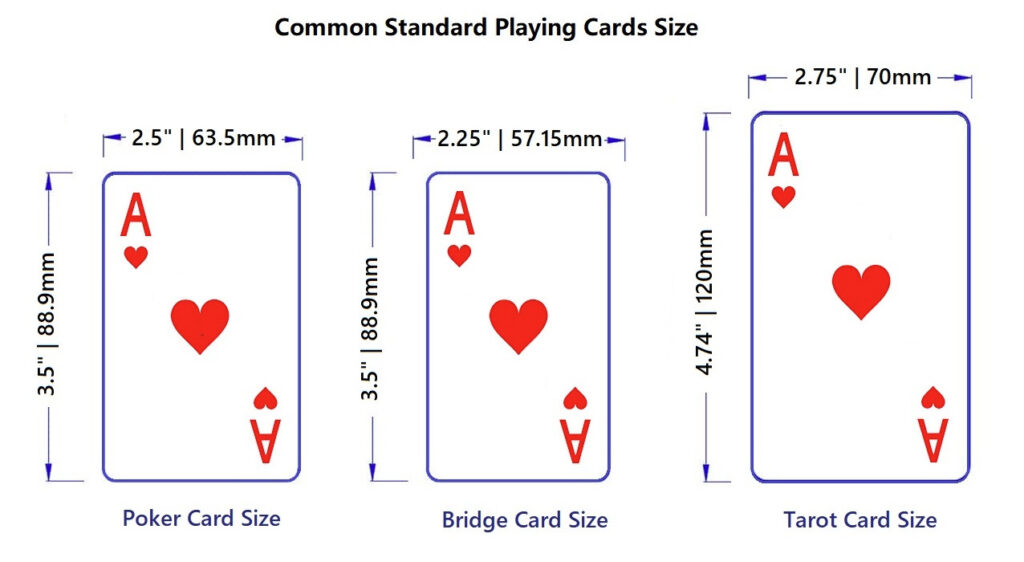
63 × 88 mm (2.5 × 3.5 inches) is the international TCG standard, widely used for Magic: The Gathering, Pokémon TCG, One Piece TCG, Disney Lorcana, and many other trading card games. This size fits most sleeves and card storage boxes on the market, ensuring a smooth and professional gameplay experience.
Japanese size / Yu-Gi-Oh! size
59 × 86 mm is the signature size used for Yu-Gi-Oh! and several Japanese TCGs. Slightly smaller than the international standard, it’s ideal for authentic Yu-Gi-Oh! decks or anime-style Japanese card designs, while remaining fully compatible with game-specific sleeves.
Mini TCG size
41 × 63 mm is a compact mini card size, perfect for fan-made decks, gift cards, commemorative cards, or custom TCG projects. Its small, portable format makes it ideal for unique giveaways, events, or game conventions.
Photocards and idol cards
Photocards and idol cards are must-have collectibles for fans of K-pop, J-pop, anime, or any idol you love. Beyond hunting for limited editions, you can also create custom prints in popular formats, including:
- Standard photocard size: 55 × 85 mm (≈ 2.17" × 3.35") – The most common size used in K-pop and J-pop albums.
- Mini photocard / Polaroid style: 54 × 86 mm or 50 × 75 mm – Smaller formats inspired by Polaroid prints.
- Square idol card: 60 × 60 mm – A distinctive square format, ideal for concept photos or special edition cards, offering a modern and standout look in any collection.
Metric vs inch card sizing differences
To avoid choosing the wrong card size during the design process, it’s important to understand the two most common measurement systems:
- Metric (mm): Widely used across Asia (Japan, South Korea, Vietnam, China) and Europe.
- Inch (inches): The standard system in the U.S. and commonly used for international printing products.
Note: 1 inch = 25.4 mm, which means sizes often need slight adjustments to reach clean, rounded numbers.
Tips for choosing the right size:
- If you’re targeting K-pop, J-pop, or anime fans, prioritize metric (mm) sizes to ensure a proper fit with standard sleeves.
- For business cards, international TCGs, or global sales, inch-based sizes tend to offer better compatibility.
How big is a card?
A standard greeting card is usually 5 inches by 7 inches (12.7 cm x 17.8 cm).
How long is a card?
A standard greeting card is roughly 0.1 to 0.2 inches thick (2.5 – 5 mm).
Design considerations based on card size
Card size directly impacts text layout, image placement, and overall design composition.
Text readability at different card sizes
Text readability changes significantly depending on card size. The golden rule in card design is simple: the smaller the card, the larger and clearer the text should be.
- Small cards (mini TCG 41 × 63 mm, photocards 55 × 85 mm, mini ID cards): Use a minimum font size of 8–10 pt for body text, with headings around 12–14 pt.
- Medium cards (poker-size TCG 63 × 88 mm, A6/A7 greeting cards, business cards): More flexible layout space. Body text works well at 10–12 pt, headings at 14–18 pt.
- Large cards (A9 5.5 × 8.5", folded invitations): Support larger typography. Body text at 12–14 pt, headings at 20–30 pt.
Tip: Always preview your design at 100% zoom to check readability from a 30–50 cm viewing distance, which reflects how people actually hold and read cards.
Image resolution and bleed area requirements
To avoid blurry prints or cropped images, make sure you prepare the following correctly:
- Resolution: At least 300 DPI at the final print size.
- Bleed area: Add 3–5 mm (or 0.125–0.2 inches) on each side for full-bleed printing so images reach the edge without white borders.
- Safe zone: Keep all critical elements such as text and logos at least 3–5 mm away from the card edges to prevent trimming issues.
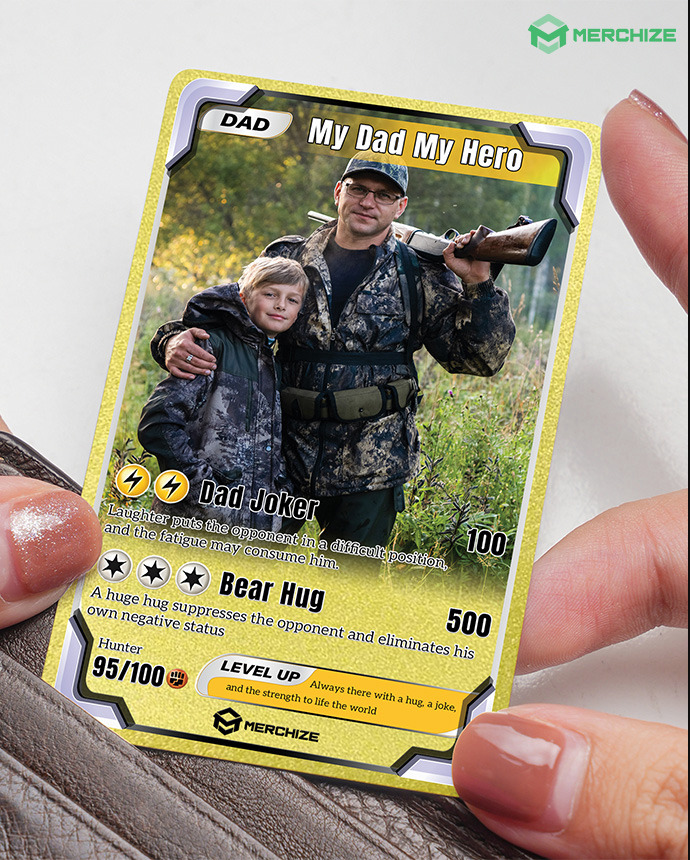
Create high-quality cards with Merchize
Merchize offers high-quality, fully customizable card printing solutions for a wide range of needs, from greeting cards and invitations to personal cards and more.
With sharp digital, UV, and DTG printing, premium materials, and a print-on-demand model (MOQ as low as 1), you can quickly turn ideas into real products ready to sell on e-commerce platforms.
Why choose Merchize for premium card printing:
- Full customization to match your design vision
- Durable, premium materials: from high-quality paper for greeting cards to scratch-resistant aluminum for metal wallet cards and natural plywood for wood flash cards
- Flexible sizing: supports a wide range of standard sizes in both inch and metric systems
- Easy to sell, high margins: competitive base costs, fast production, no minimums—ideal for online sales or meaningful gifts (Valentine’s Day, Mother’s Day, Christmas, and more)
- Professional shipping & fulfillment: from Vietnam (fast, cost-effective) or Made in US options for the US/UK market with quick TikTok and Walmart fulfillment
Featured card products:
FAQs
What are standard card sizes?
- Business/ID: 3.375" × 2.125" (85.6 × 54 mm)
- Poker TCG: 2.5" × 3.5" (63 × 88 mm)
- Photocard: 2.17" × 3.35" (55 × 85 mm)
- Greeting: A7 5" × 7", A6 4.5" × 6.25"
- Metal wallet: 3.4" × 2.14"
- Mini TCG: 41 × 63 mm
Does card size affect printing cost and shipping?
Yes. Smaller cards (photocards, mini TCG, metal cards) are cheaper to print and ship. Larger cards (A9, folded cards) cost a bit more due to extra material and heavier shipping. Metal and wood cards are more expensive because of their specialty materials.
Which card sizes are best for selling on Etsy or TikTok Shop?
- Photocard 55 × 85 mm (K-pop, anime)
- Poker TCG 63 × 88 mm (fan-made game)
- Metal wallet card (business alternative, gifts)
- Mini wood flash card (education, children)
- Greeting A7 5" × 7" (holidays)
How important is size accuracy when printing cards?
Very important. A difference of just 1–2 mm can cause the card to not fit sleeves or albums, lead to cropped text or images, and result in complaints or returns.