Contents
Are you planning to launch a professional gym clothing line or a sports uniform with a strong personal identity? The most important step in this journey is connecting with professional custom athletic apparel manufacturers. They are the “silent partners” who turn your passionate designs into high-performance outfits, ready to help athletes take on any challenge. Keep reading to get more about potential manufacturers.
Why choosing the right custom athletic apparel manufacturers is a major advantage?
The global sportswear market is currently experiencing unprecedented growth. We are talking about an industry valued at around $220.35 billion in 2025, and it is expected to grow from $229.58 billion in 2026 to $325.21 billion by 2034, with a compound annual growth rate (CAGR) of 4.45% (Fortunebusinessinsights).
In such a competitive and high-potential race, working with the right sportswear clothing manufacturers is about building a strategic competitive advantage:
1. Optimizing supply chain and lead time
Choosing the right supplier helps you solve one of the most critical factors in consumer decision-making today: delivery time. A professional production process helps:
- Shorten time from idea to shelf: Allowing brands to quickly catch the latest trends.
- Ensure timing accuracy: Especially important for seasonal collections or major sports events.
2. Ensuring product quality and performance
In sportswear, quality is not just about appearance but also functionality. Reputable manufacturers will ensure:
- Advanced fabric technology: Moisture-wicking ability, 4-way stretch, and high durability after many washes.
- Precise stitching techniques: Flatlock seams that reduce friction and provide maximum comfort for athletes.
3. Customization and brand identity
Differentiation is the key weapon for survival. Leading manufacturers offer flexible customization solutions, from logo printing and exclusive color selection to unique fit and design development. This helps your brand move away from mass-market products.
4. Cost optimization and risk reduction
Working with capable partners helps you:
- Reduce defect rates: Avoid wasted resources and protect brand reputation.
- Achieve competitive pricing: Thanks to large-scale production and efficient management systems, they can offer better pricing while maintaining quality standards.
In an era where customers are increasingly demanding, manufacturers are the backbone of your brand’s sustainable growth. By choosing the right partner, you secure at least 50% of your success in this billion-dollar race.
Key factors when choosing a sports apparel manufacturing partner
To build a successful brand, choosing a manufacturer is not only about price, but also about alignment in vision and operational capability. Below are the key criteria you should consider:
1- Customization capability and flexible production scale
In practice, many brands don’t fail because of design, but because their manufacturer cannot scale with them. An ideal manufacturing partner is one that can adapt to your growth journey, whether you are a startup or an established brand. Prefer manufacturers with flexible MOQ policies to test the market without heavy inventory pressure.
Sportswear also requires high technical standards. Manufacturers with technologies such as seamless knitting, durable sublimation printing, or bonding techniques will help your products stand out in both aesthetics and performance.
2- Commitment to sustainability and ethical practices
In the era of green consumption, sustainability is a requirement. Customers increasingly prefer brands that are transparent about sourcing and environmental responsibility.
You should look for manufacturers that can provide organic cotton (GOTS certified) or recycled polyester made from ocean plastic waste. Or factories aim for carbon neutrality, applying zero-waste production processes, and ensuring fair working conditions. That will help elevate your brand value in the eyes of consumers.
3. Response time and quality control process
In the fashion industry, speed is a competitive advantage. However, speed must go hand in hand with accuracy. A stable production process usually takes 4 to 12 weeks, depending on order complexity. On-time delivery helps maintain business momentum and customer trust.
In addition, reputable manufacturers usually apply the AQL (Acceptable Quality Level) standard in inspection processes. This ensures consistent product quality and minimizes defect rates before reaching customers.
4. Cost and investment value
Many beginners focus only on unit cost, but experienced sellers look deeper. A slightly higher production cost is often worth it if it means:
- Fewer defects
- Better fabric feel
- Stronger stitching durability
- Lower return rates
In practice, the cheapest manufacturer often becomes the most expensive one once you factor in refunds, replacements, and lost reputation.
Advice: When working with manufacturers, don’t hesitate to request a prototype sample before signing a final contract. This is the best way to directly verify the combination of fabric quality, fit, and printing technology they promise.
Checklist: 10 trusted custom athletic apparel manufacturers
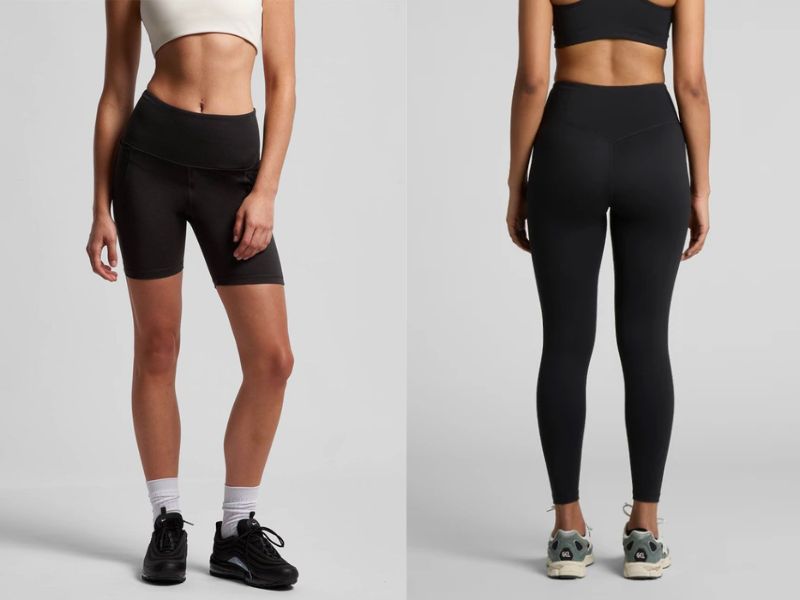
1. AS Colour
If your brand targets the premium segment with a clean, minimalist aesthetic, AS Colour is often one of the strongest starting points.
Rather than chasing mass production, they focus on building well-designed blanks that feel modern and intentional. Many emerging brands choose them because the products already look “brand-ready” even before customization.
- Wide product range: From t-shirts, hoodies, sweatpants to shorts and accessories, their catalog is built as a complete foundation for apparel brands.
- Premium feel over quantity: The focus is clearly on fabric quality and consistent construction. The garments hold shape well and remain durable even after repeated wear and washing.
- Athleisure-ready design approach: Their pieces sit naturally between training wear and streetwear, making them ideal for brands building a lifestyle or athleisure identity.
- Sustainability direction: AS Colour also emphasizes responsible production, reducing waste and prioritizing eco-conscious materials, which helps brands align with modern consumer values.
Best for: New or growing fashion brands that want high-quality blank apparel with a premium and minimalist look.
2. Champion
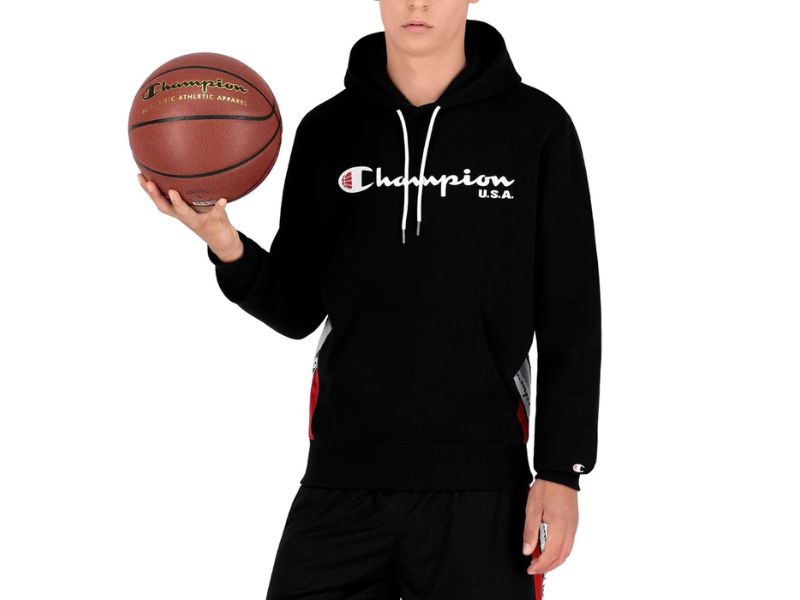
Founded in 1919, Champion is a legacy brand deeply rooted in sportswear history.
What makes Champion stand out is not just its age, but its long-standing connection to professional athletics and cultural relevance.
- A true industry pioneer: Champion is credited with creating the hoodie over 80 years ago, and that innovation mindset still influences their product development today.
- Pro-level sports heritage: Having supplied uniforms for major leagues like the NBA, NFL, and MLB, their apparel is designed with real athletic performance in mind.
- Built for durability: Their well-known Reverse Weave technology helps prevent shrinkage and maintains fabric integrity over time, making the garments long-lasting and reliable.
- Iconic brand value: The “C” logo itself carries strong recognition, which can add instant credibility to any custom or co-branded collection.
Best for: Sports teams, established brands, or projects that want to leverage strong heritage and proven performance credibility.
3. The Evans Group (TEG)
For brands that need a balance between performance, style, and cost efficiency, Sport-Tek is often considered a practical go-to option.
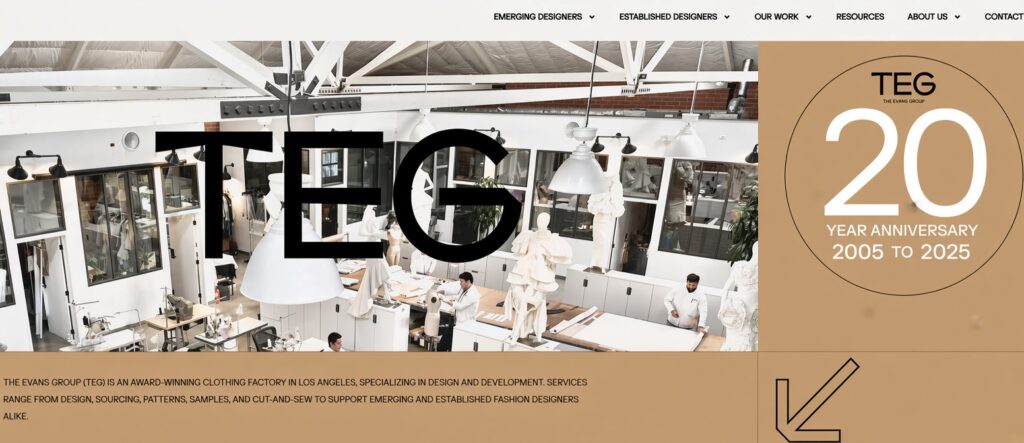
Founded in 2005, The Evans Group (TEG) is a Los Angeles-based fashion development and production house that works with both emerging and established apparel brands.
What makes TEG stand out is its vertically integrated approach, with activewear design, development, sourcing, and production handled through one manufacturing partner.
- End-to-end activewear development: TEG supports brands through design, fabric and trim sourcing, pattern making, sample development, and cut-and-sew production.
- Flexible production options: The company works with smaller collections as well as larger production runs, making it suitable for brands at different stages of growth.
- Specialized activewear expertise: Its team develops gym wear, tees, and other athletic apparel, with attention to fabric performance, functionality, fit, and construction.
- Los Angeles-based production: Development and manufacturing services are centered around TEG’s vertically integrated facility in the Los Angeles Arts District.
Best for: Emerging and established activewear brands looking for custom product development, small-batch manufacturing, and greater control over design and production.
4. Sport-Tek
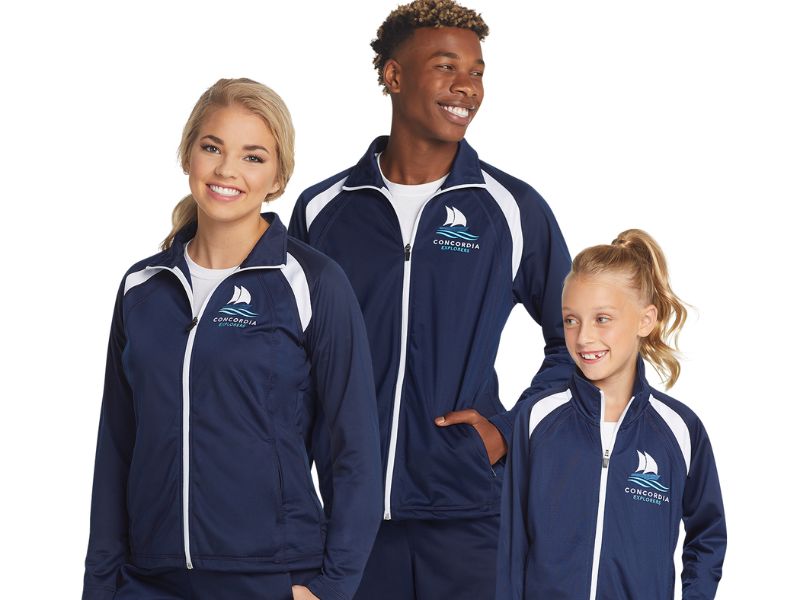
For brands that need a balance between performance, style, and cost efficiency, Sport-Tek is often considered a practical go-to option.
Many businesses choose them not because they are the most premium, but because they deliver consistent technical quality at a reasonable price point.
- Performance-first construction: Lightweight fabrics with strong moisture-wicking properties keep athletes dry and comfortable during intense activity.
- Versatile design language: Their apparel works both on the field and in everyday wear, making them suitable for hybrid sportswear concepts.
- Extensive color and style options: A broad range of fits and colors makes it easier for teams and brands to build a distinct visual identity.
- Posi-Charge technology: This feature locks in color and prevents ink bleeding, ensuring custom prints remain sharp and long-lasting.
Best for: Sports clubs, schools, and brands that need functional, customizable apparel at an optimized cost.
5. Augusta Sportswear
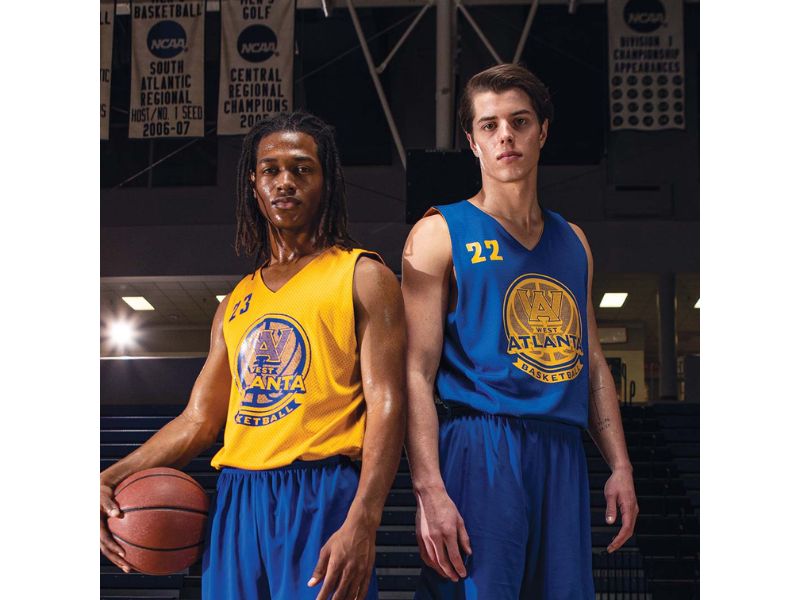
Augusta Sportswear is often seen as the “sweet spot” between quality and value, especially for teams and brands that need reliable performance without overpaying.
What stands out in real-world use is how consistently they balance practicality and customization flexibility.
- A true all-in-one catalog: Augusta positions itself as a full solution provider from professional team uniforms to everyday training wear and even fan merchandise.
- Comfortable, real-world fit: Their garments are known for being lightweight and true-to-size, which makes them easy to wear in both training and competition settings.
- Strong variety for customization: One of their biggest advantages is scale: colors, sizes, and styles are widely available, making it easier to bring unique design ideas to life without technical limitations.
Best for: Sports teams, schools, and brands that want dependable, cost-effective customization with broad product options.
6. OGIO
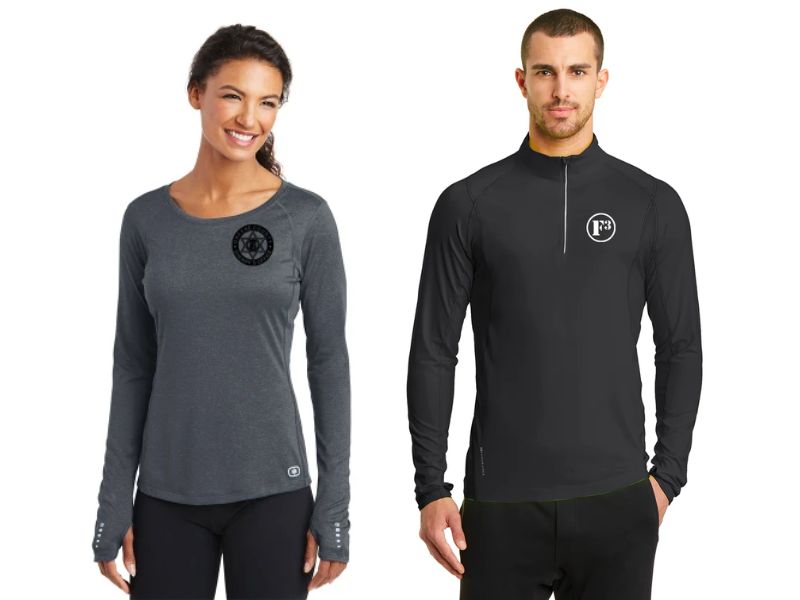
OGIO brings a slightly different energy to the table: more lifestyle-driven, blending performance with a modern, active aesthetic.
In practice, many brands choose OGIO because their products don’t feel “purely sportswear,” but rather fit into everyday life.
- More than apparel: OGIO is also well known for premium backpacks and bags, designed with customization in mind through embroidery or printing.
- Performance-ready materials: Their apparel focuses on lightweight construction, breathability, and strong moisture management, making them suitable for high-intensity activities like running, hiking, and cycling.
- Built for long-term use: Materials are carefully selected to withstand frequent wear, which helps maintain durability over time.
- From office to workout: One of OGIO’s strengths is versatility. The designs are clean enough for daily wear but functional enough for training sessions.
- Sustainability commitment: They also invest in eco-conscious production methods and waste reduction initiatives, which increasingly matters for brand positioning.
Best for: Active lifestyle brands and outdoor-focused audiences that value versatility and durability.
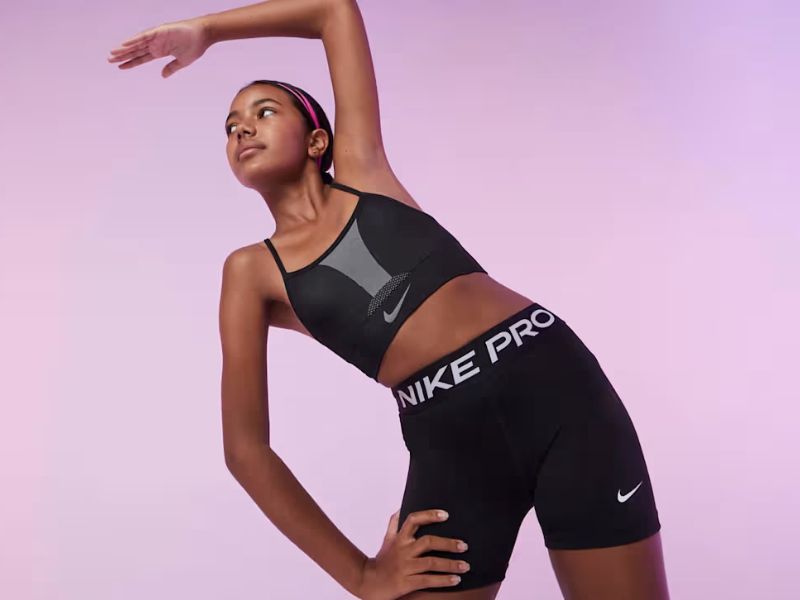
7. Nike
Nike doesn’t really need an introduction, it is one of the most influential names in the entire sportswear industry. In customization projects, Nike represents not just product quality, but also brand power.
From experience, working with Nike-based customization instantly elevates perceived value.
- Industry-leading innovation: Nike integrates advanced fabric technologies designed for moisture control, breathability, and body temperature regulation. Ergonomic construction and strategic ventilation are core to their design philosophy.
- Deep sports specialization: Their product range covers almost every major sport—running, basketball, football, tennis, golf, and training. Each designed to support sport-specific movement patterns.
- Massive product ecosystem: Customizable categories include t-shirts, shorts, leggings, jackets, hoodies, sports bras, socks, and accessories like caps, gloves, and bags, giving brands a strong foundation for collection building.
- Built for extreme performance: Nike products are engineered to withstand high-intensity athletic conditions, making them suitable for professional-level usage.
- Move to Zero initiative: The brand is actively pushing toward sustainability through recycled materials and responsible sourcing across its supply chain.
Best for: Premium brands, professional teams, and projects that want strong brand association and high-performance credibility.
8. Badger Sport
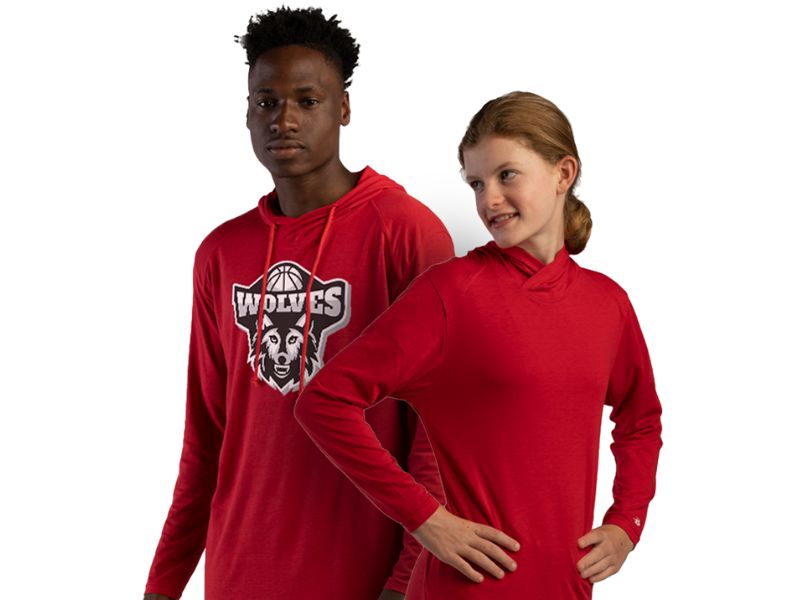
Founded in 1971, Badger Sport has built its reputation as a dependable supplier for teamwear and performance apparel.
In practice, it is often chosen for its consistency rather than trend-driven design.
- Durability-first mindset: Badger focuses on long-lasting apparel using quality fabrics and reinforced construction, designed to handle frequent use in competitive sports environments.
- Performance-enhancing features: Their garments typically combine moisture-wicking properties, antibacterial treatment, and stretch functionality for better movement.
- Strong team customization capability: One of their key strengths is deep customization, allowing teams to adjust colors, add logos, and create fully personalized identity systems.
- Wide sport coverage: From team sports like basketball, football, and soccer to individual training activities, they offer dedicated product lines for different needs.
Best for: Sports teams and organizations that prioritize durability, identity building, and reliable long-term performance apparel.
9. Puma
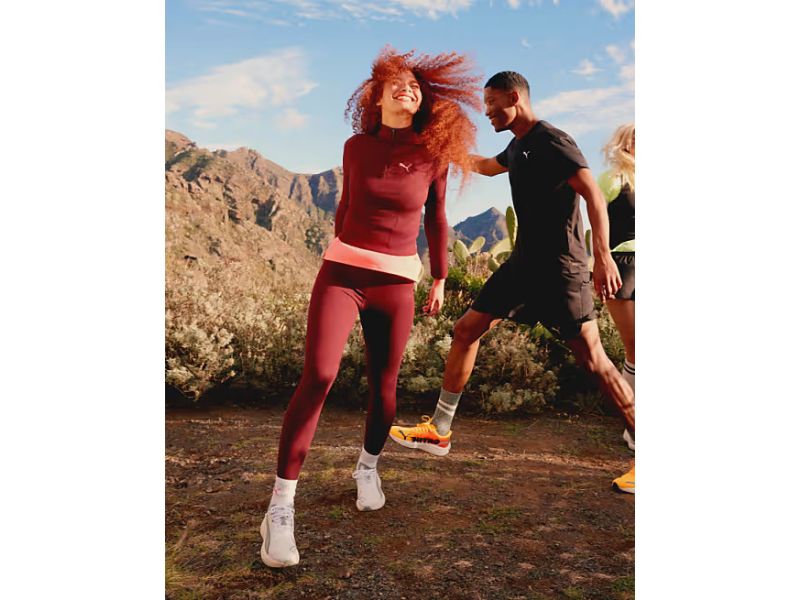
Puma has grown into a global icon, well known for blending high-performance sportswear with a strong fashion-forward identity.
What makes Puma stand out in real-world use is how naturally it sits between sport and lifestyle, many brands choose it because it doesn’t feel limited to the field.
- Performance-driven technology: Puma consistently integrates innovations such as ergonomic design for better movement, ultra-fast moisture-wicking fabrics, and breathable materials that improve airflow during activity.
- Built for active durability: Their products are made with robust materials designed to handle both professional athletes and everyday active lifestyles without losing structure or comfort.
- Wide sport coverage: Beyond running and training, Puma develops dedicated lines for football, basketball, golf, and even motorsport, giving brands a lot of creative direction options.
- Strong accessory ecosystem: To complete a custom look, Puma also offers caps, socks, bags, and other lifestyle accessories with a modern, cohesive design language.
- Sustainability focus: Puma invests heavily in transparent supply chains and carbon reduction efforts, using more sustainable materials and eco-friendly production practices.
Best for: Brands that want a balance of performance credibility and lifestyle-driven fashion appeal.
10. Adidas
Adidas is more than just a sportswear manufacturer; it is one of the most recognizable symbols of innovation and quality in global sports culture.
In practice, Adidas products are often chosen when brands want both performance reliability and strong aesthetic identity.
- Advanced performance technologies: Adidas apparel is designed with moisture control fabrics, strategic ventilation systems, and ergonomic fits that support natural movement without restriction.
- Multi-sport coverage: Whether your focus is running, football, basketball, tennis, or yoga, Adidas offers specialized product lines tailored to each discipline’s performance needs.
- Function meets fashion: One of Adidas’ strongest points is its ability to merge functionality with trend-driven design, making it suitable for both athletes and lifestyle consumers.
- Long-term value investment: While custom orders may come at a higher price point, many brands view Adidas as a long-term investment thanks to its durability and consistent performance over time.
- Sustainability leadership: Adidas is also a key player in sustainable sportswear initiatives, helping brands strengthen their environmental positioning.
Best for: Premium sports brands, lifestyle collections, and projects that value both performance and brand prestige.
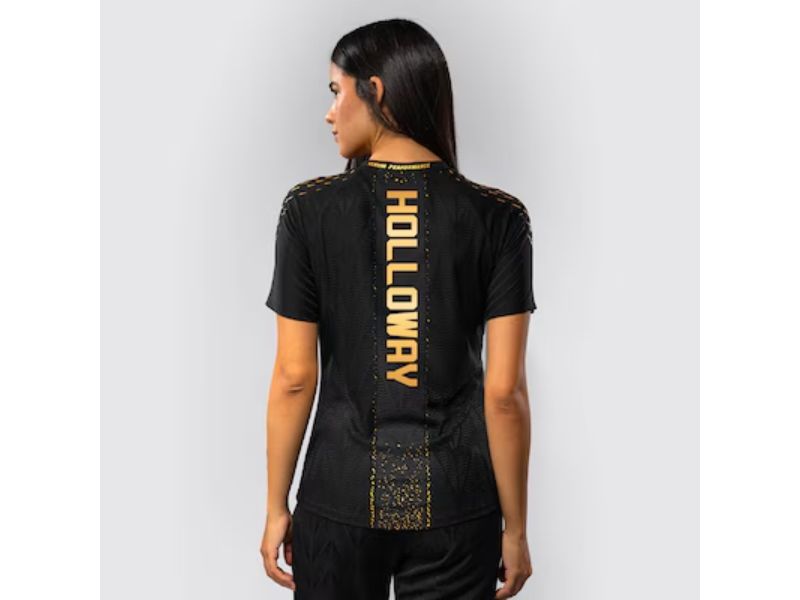
11. Holloway
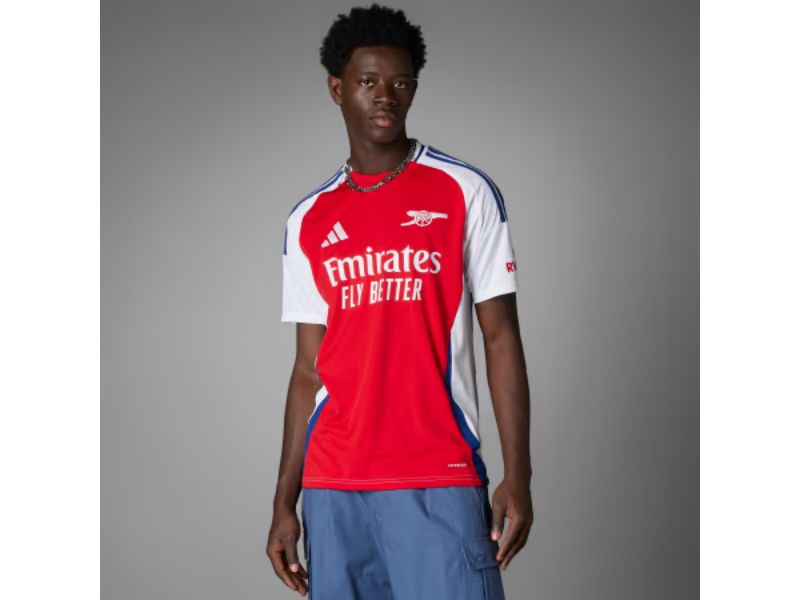
Holloway is a premium sportswear manufacturer with a strong heritage in team uniforms, outdoor apparel, and performance-driven clothing.
What sets Holloway apart in real-world production is its consistency and deep specialization in team identity building.
- Master-level craftsmanship: With decades of experience, Holloway focuses on high-quality materials and refined construction techniques designed for heavy, repeated use in competitive environments.
- Performance-focused features: Their garments combine breathable fabrics, moisture-wicking technology, and ergonomic cuts to support full-range athletic movement during training and competition.
- Teamwear customization expertise: This is where Holloway truly excels offer deep customization options including color systems, logo placement, and fully tailored design elements that reflect team identity.
- Full range for all ages: Holloway produces apparel for men, women, and youth, covering t-shirts, shorts, pants, hoodies, and jackets, making it suitable for complete team outfitting.
Best for: Sports teams, schools, and organizations that prioritize strong identity, durability, and highly customizable team uniforms.
Merchize – A flexible production and fulfillment solution for the digital era
If you are looking for a strong partner for online business models and print-on-demand (POD), Merchize stands out as a tech-driven solution built for modern eCommerce brands. What makes Merchize interesting in real-world use is how it removes operational friction for sellers who want to scale fast without inventory risk.
- Unlimited customization (all-over print):
One of Merchize’s biggest strengths is all-over-print technology. Instead of limiting designs to small logo placements, you can cover the entire product surface, creating highly visual, unique sportswear pieces that stand out in crowded marketplaces. - Extremely flexible MOQ:
Merchize removes the traditional barrier of minimum order quantity. You can start with just one single product to test quality or fulfill personalized orders, while still having the capacity to scale to bulk production when needed. - Performance-ready fabrics:
Their sportswear catalog includes jerseys, yoga leggings, tank tops, and gym wear. These products use technical fabrics designed for stretch, breathability, and moisture control, built for comfort during physical activity. - All-in-one fulfillment system:
Unlike simple manufacturers, Merchize covers the full workflow from production and printing to packaging and global shipping. This significantly reduces operational workload for brand owners and eliminates the need for warehouse management. - Durable printing technology:
Using advanced heat-transfer techniques, prints remain sharp, vibrant, and resistant to fading—even under heavy sweating and frequent washing.
Best for: Ecommerce sellers on platforms like Shopify, Amazon, and Etsy, POD entrepreneurs, gift customization businesses, and brands launching new collections without inventory risk.
Ultimately, choosing the right custom athletic apparel manufacturers not only helps you accurately bring your designs to life but also ensures product quality, performance, and a strong brand experience for end users. A reliable manufacturing partner serves as a solid foundation, enabling your brand to grow sustainably and stay competitive in the rapidly expanding sportswear market.