
Contents
Promoting products on TikTok has become far more challenging than it was just a few years ago. With millions of videos competing for attention every single day, many sellers struggle to get views—let alone sales—even when their products are good. This is exactly why learning how to promote products on TikTok the right way matters more than ever. When done strategically, TikTok can still drive massive visibility, consistent traffic, and real revenue. In this article, you’ll discover practical, up-to-date methods to stand out, create content that converts, and build a sustainable product promotion strategy on TikTok in 2026.
Why TikTok matters for POD businesses
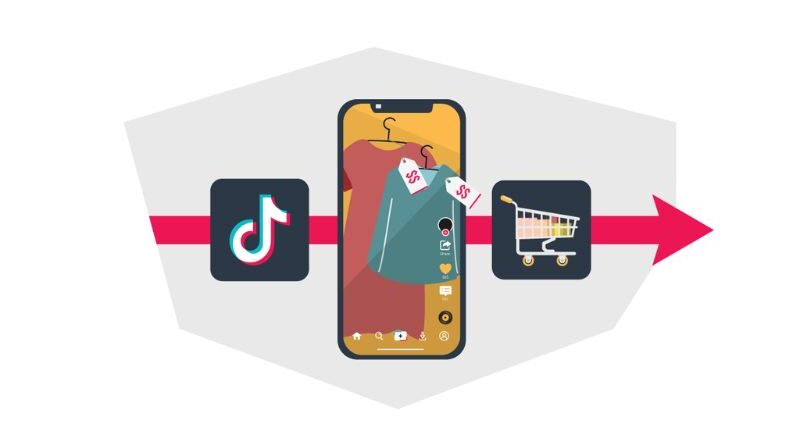
TikTok Shops allow brands to sell products directly inside the app. This shortens the path from discovery to purchase and removes unnecessary friction.
For print-on-demand businesses, this matters because buying decisions are often impulsive and visually driven. TikTok’s content-first algorithm favors authentic and engaging videos, which gives POD sellers a real chance to gain organic reach. Unlike traditional eCommerce platforms that rely heavily on paid traffic, TikTok enables scalable growth through trends, creators, and community-driven sales.

Detail: TikTok Print on Demand: Secret Weapon for Viral Success
How to promote products on TikTok
The very first step is setting up a TikTok business account. This unlocks analytics, advertising features, and brand credibility. Once your business account is live, connect it with other social platforms like Instagram or YouTube to make cross-promotion easier and strengthen brand recognition. From there, your real job begins: creating content that attracts buyers.
1. Build a smart TikTok strategy
Actually, you don’t need thousands of followers or a fancy filming setup to succeed on TikTok. What actually matters is relevance, originality, and consistency. Most sellers win on TikTok by showing up consistently with content made for the right audience.
That said, posting randomly is rarely a winning move. A clear TikTok marketing strategy helps you stand out in a crowded feed. You can start by answering these questions:
- Who is your ideal customer? (Define them by age, profession, gender, location, interests, favorite brands, and buying motivations.)
- What type of content do they already engage with on TikTok?
- What is your main goal? Brand awareness, website traffic, or pushing a specific product?
Understanding your audience is the foundation of effective promotion. When you know exactly what you’re trying to achieve, every video has a more clear purpose.
Read more: Complete Guide on How To Start A TikTok Shop From Scratch
2. Create content
Once your strategy is in place, it’s time to film. This is where your brand personality gets to shine. TikTok users don’t want to feel like they’re being sold to; they want content that feels real, entertaining, and human.
Focus on videos that educate, entertain, or spark curiosity rather than hard-selling. Some content formats that consistently perform well include:
- Product demos & how-to videos: Show how your product works and why it makes life easier. Keep it simple, fun, and invite viewers to ask questions in the comments.
- Behind-the-scenes content: People love seeing what happens behind closed doors. Show your production process, packing orders, or daily workflow to build trust and transparency.
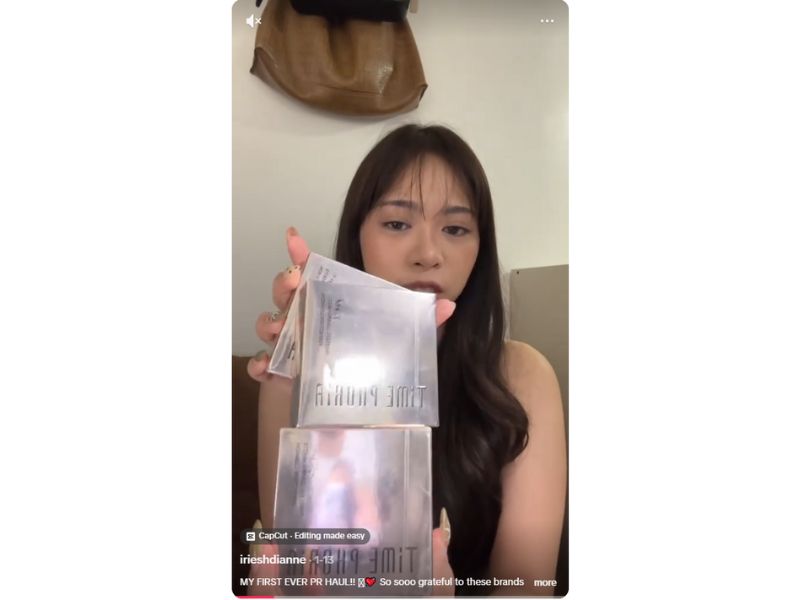
- Customer reviews & social proof: Many buyers won’t purchase without seeing real feedback. Repurpose customer testimonials into TikTok videos to boost credibility and conversion rates.
- Short comedy skits: With Gen Z making up a large part of TikTok’s user base, humor goes a long way. Light-hearted skits help humanize your brand and increase shareability.
For example, you can tap into streetwear trends by posting try-on videos for new drops, while a custom pet brand can show real pets using personalized bowls or accessories.
Content ideas
- Simple before-and-after transformations
- Unboxing videos with genuine first reactions
- “Day in the life” content showing how your product solves a real problem
- Duets or replies to user-generated content and testimonials
- Step-by-step tutorials with numbered on-screen captions
Note: Not every idea works for every product. Each product has its own strengths, buying triggers, and content formats that make sense. Focus on the ideas that naturally highlight your product instead of forcing every trend or format into your content strategy.
Core Tiktok growth framework (3 pillars)
- Hook attention instantly: The first 1–3 seconds decide everything. Use motion, contrast, curiosity, or a clear problem-solution angle. Raw, vertical videos often outperform overproduced ads that feel too promotional.
- Play by TikTok’s rules: Use trending sounds, fast cuts, text overlays, captions, and real creators. Adapt your content for feed videos, Stories, and LIVE sessions instead of reposting blindly.
- Measure, test, and optimize: Choose one main KPI (CPA, ROAS, add-to-cart rate, or CTR) and run quick A/B tests. Review performance every 48–72 hours to refine creatives, audiences, and placements.
3. Build real engagement with audience
Engagement is one of the strongest signals on TikTok and it goes far beyond posting a video and walking away. When creators disappear after hitting “publish,” viewers quickly sense that the account is only there to sell, not to connect.
Replying to comments, answering questions, and acknowledging viewers shows that there’s a real human behind the brand. TikTok’s algorithm “rewards" this behavior by pushing videos with active conversations to more users. The more meaningful interactions your content generates, the better its overall reach and performance.
Even better, use TikTok’s video reply feature to turn common questions or feedback into follow-up content. This not only boosts visibility but also gives you an endless stream of content ideas driven directly by your audience.
4. Post consistently
TikTok often suggests posting 3 to 4 times per day—but let’s be honest, that’s unrealistic for most brands. Unless you have a full-time creative team, producing 20+ videos a week usually leads to burnout and lower-quality content.
On TikTok, consistency matters more than volume, and quality always beats quantity. Many successful brands post just 2 to 4 times per week, which is far more sustainable and easier to optimize over time.
To find a posting schedule that actually works for you, keep these tips in mind:
- Be realistic about your creative capacity: Focus on making strong, engaging videos instead of forcing daily uploads.
- Study creators in your niche: Look at how often top-performing accounts post and how their audience responds.
- Use your analytics as a guide: Test different posting frequencies and track how views and engagement change.
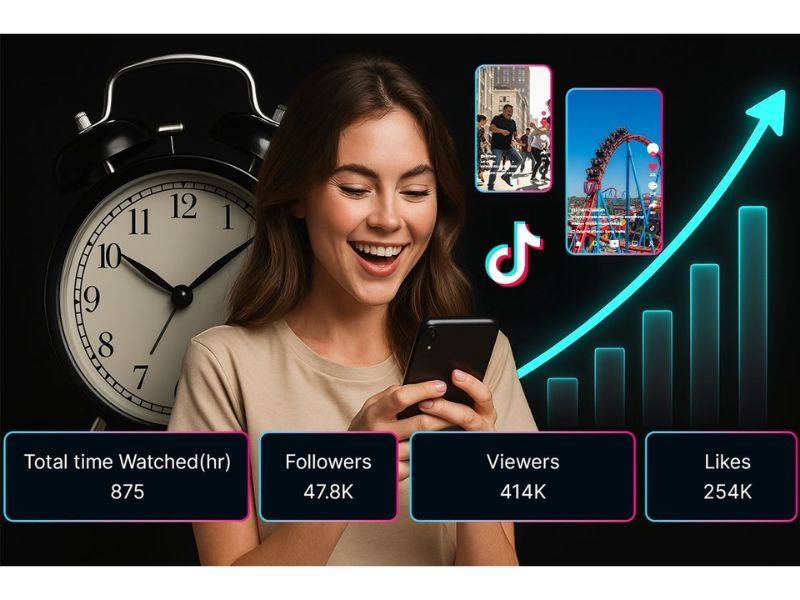
TikTok’s algorithm also prioritizes videos that perform well. That means posting when your audience is most active matters is very important.
Normally, engagement tends to be strongest later in the day, especially after work or school hours. Across multiple studies, the most reliable performance windows include:
- Tuesday to Thursday evenings (7–10 PM EST) for consistently high engagement
- Weekday afternoons, such as Tuesday 2–4 PM or Friday 5–10 PM EST
- Weekends, particularly Saturday mid-day (11 AM–2 PM) and evening (7–11 PM EST)
Morning slots can still work, especially Thursday mornings, but evening posts usually outperform early-day uploads because more users are actively scrolling.
5. Work with influencers
Once your TikTok account has a solid base of quality content, it’s time to start leveraging influencers to drive real sales. In fact, influencer marketing remains one of the most effective ways to promote products on the platform
Studies show that around abour 70% of consumers trust product recommendations from influencers more than brand ads. Why? Because creators have already earned trust and built genuine relationships with their audience, something most brand accounts struggle to do.
Finding the right TikTok creator doesn’t have to be complicated. Start by searching relevant keywords or phrases related to your product and analyze top-performing videos. Pay attention to creators whose content style, tone, and audience align with your brand. You can also use TikTok Creator Marketplace to browse creators, send collaboration invites, and fine-tune your influencer strategy based on performance data.
Note that influencer’s personality, values, and messaging should naturally fit your brand and their followers should closely match your target audience. TikTok users are incredibly good at spotting forced sponsorships, so overly scripted or sales-heavy content will usually backfire.
Moreover, give them creative freedom instead of limiting creators to standard unboxing or review formats. Let them promote your product in their own voice and style. This approach almost always results in more authentic content, higher engagement, and stronger conversion potential.
References: What To Sell on TikTok Shop: Top 500 Best Performing Products
6. Take full advantage of TikTok’s built-in tools
If you’re serious about promoting products on TikTok, don’t ignore the platform’s built-in features. TikTok actively supports brands and gives you plenty of tools to help you win.
Through TikTok’s Beta programs, brands can test new ad formats and features before they’re released publicly. Early access means less competition and more room to experiment, which can give you a serious edge over others.
TikTok’s Creator Tools and Analytics allow you to track essential performance metrics like video views, follower growth, engagement rate, and audience behavior. These insights aren’t just “nice to have”—they’re critical for optimizing content, identifying what works, and cutting what doesn’t before you waste time or budget.
7. Invest in TikTok ads (When it actually makes sense)
If you have the budget, TikTok ads can deliver a strong ROI. TikTok Ads Manager gives you access to multiple ad formats designed to meet different goals, from visibility to conversions.
- The most common option is in-feed video ads. These ads appear naturally inside users’ For You feeds and feel almost identical to regular TikTok content. While TikTok allows videos up to 60 seconds, shorter clips (under 15 seconds) tend to perform best. They’re full-screen, immersive, and often include direct shopping links, perfect for product-driven campaigns.
- If your goal is maximum exposure, TopView ads take things up a notch. These videos are the very first thing users see when they open the app, dramatically increasing visibility compared to standard in-feed placements.
- For brands selling directly on the platform, TikTok Shop ads help target high-intent audiences across feeds, search results, and the shopping hub – connecting products with buyers who are already in purchase mode.
- Another underrated option is Branded Effects, such as custom AR lenses. Instead of pushing ads at users, you invite them to play with your brand. These filters encourage user-generated content while quietly building brand awareness.
- At the premium end, Brand Takeover ads dominate the entire screen the moment the app opens. They’re impossible to miss and extremely effective, but exclusivity comes at a price—often starting around $20,000 per day, since TikTok allows only one takeover per category daily.
- Finally, Branded Hashtag Challenges spark massive engagement by encouraging users to create content around a specific theme or product. While powerful for trust and familiarity, they can cost upward of $150,000, making them a better fit for established brands rather than beginners.
8. Leverage user-generated content (UGC)
If you’ve spent any time on TikTok, you’ve seen the phrase: “TikTok made me buy this.” Entire brands have blown up because everyday users posted honest videos raving about their products no ad budget required.
This kind of content spreads fast because it doesn’t feel like marketing. It feels real. And that’s what turns viewers into buyers.
To tap into this momentum, create a simple hashtag or challenge that encourages customers to share their own videos using your product. Give them a reason to post—whether it’s fun, relatable, or just genuinely worth showing off. When people start talking, curiosity follows. And yes, free exposure doesn’t hurt either.
Tips for creating high-impact TikTok content
1. Capture attention fast with strong visual triggers
TikTok users decide whether to stay or swipe in seconds literally. Attention spans have dropped dramatically, which means the first 2–3 seconds of your video matter more than anything else.
Use bold text overlays, sharp cuts, pattern-breaking movements, or unexpected transitions right from the start. When you master visual hooks, your product gets a real chance to sell.
2. Ride trends and make them work for your brand
Yes, trends matter but copying them blindly won’t save you. To stay visible on TikTok, you need to tap into trending sounds, music, and challenges with intention.
Check TikTok’s trending tab or search hashtags like #trendalert, #trendingsound, or #trending to spot what’s hot. Then ask yourself: How can this trend showcase my product or brand story in a clever way? You might jump into a viral dance, lip-sync a popular sound, or twist a challenge to highlight your product naturally.
3. Turn every video into a story
People don’t connect with products but they connect with stories. Whether it’s a product demo, behind-the-scenes clip, or quick tutorial, your content should follow a narrative. Share your journey, customer experiences, product struggles, or real moments from your business. Story-driven videos build emotional trust, and trust is what turns viewers into buyers on TikTok.
4. Go Live
Once you hit 1,000 followers, TikTok Live becomes one of your strongest sales tools. Livestreaming lets you talk directly to your audience, answer questions in real time, and build instant credibility.
Promote your live session in advance, tease what viewers will get, and offer exclusive deals or limited-time perks during the stream. Done right, live selling doesn’t feel salesy—it feels personal and urgent.
5. Use hashtags
The sweet spot is 3–5 hashtags per post, mixing trending tags with niche-specific ones.
For example, if you’re promoting custom t-shirts, pair a couple of trending discovery hashtags with targeted ones like #customtshirt or #sustainablefashion. This helps your content reach both a broader audience and people who are already interested in what you sell.
FAQs
1. What are the signs that a piece of content should be stopped early instead of posting consistently?
If viewers drop off within the first couple of seconds, engagement stays dead, and there’s no sign of saves or clicks, posting it repeatedly won’t change the outcome. Cut it early and test something new.
2. Is It Worth Selling on TikTok in 2026?
Yes, but only if you understand how the platform works. TikTok still rewards strong creatives and intent-driven content, making it one of the few channels where organic reach can directly turn into sales.
3. How do you know if the problem is the product or the content angle?
If people watch the demo but don’t convert, the angle needs work. If they leave before the product even appears, the offer itself may not be compelling enough.
4. Should you copy viral formats from other niches?
Use the format as inspiration, not a template. Copying without adapting it to your product usually hurts more than it helps.