Contents
Running a streetwear brand in 2026 is no longer just about printing a logo on a blank t-shirt and running ads. As buyers become much more demanding about fit, material, and finishing quality, short-sighted brands will be quickly filtered out. The only difference that helps a new seller break through lies in supply chain control and product launch speed.
You do not need a huge amount of capital to start, but you must have a solid operational setup right from day one. Below is a roadmap on how to start a streetwear brand based on real-world experience, helping you step by step to define your identity, choose the right manufacturing partners, and build a proper sales process from the very beginning.
Is selling streetwear in 2026 still profitable?
The global streetwear market reached 371.09 billion USD in 2025 and is expected to hit 397.97 billion USD in 2026. With this compound annual growth rate (CAGR) maintaining at 7.95%, the industry size is estimated to pass 734 billion USD by 2034 (fortunebusinessinsights).
The appeal of streetwear is so huge that major sportswear brands like On have also joined in by launching notable product lines, such as the IKON collection launched in 2024. It can be affirmed that streetwear has stepped out of urban subcultures or the underground scene to become an indispensable part of modern fashion.
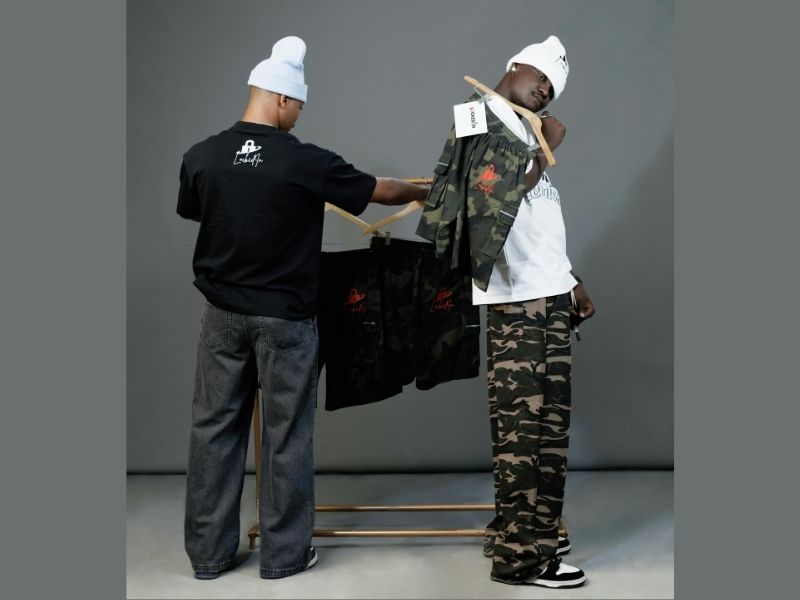
In addition, changes in consumer behavior are opening up profit opportunities for small sellers, as customers prioritize quality over cheap prices. Modern customers are moving strongly toward versatile, durable items and choosing quality over quantity.
In the face of that wave, streetwear buyers are willing to pay higher prices for products made from high-end materials that meet sustainability standards. The tech landscape in 2026 also brings many new competitive advantages, as features like virtual try-on (AR), digital product passports (DPP), or tech fabrics with temperature regulation are gradually entering daily life.
Furthermore, capital barriers have decreased significantly. Thanks to the development of supply chains with low minimum order quantities (MOQ), launching a brand no longer requires a huge amount of capital. To do business effectively, you need to:
- Instead of producing large seasonal collections, deploy small, clearly targeted releases (drops). Moderate production helps reduce inventory risks and creates product scarcity.
- The appeal of a product lies in its fit, sewing structure, and fabric quality, rather than relying completely on surface prints or graphics. Focus on wearability and material durability to retain customers.
- Leverage data and real user feedback to continuously adjust designs. The speed of product improvement based on real needs will determine your store’s ability to break through.
- Build close working relationships with reputable manufacturing workshops that are transparent about product origin. Clarity is the foundation that elevates brand value in the eyes of consumers.
Every leading streetwear brand today started with humble orders. With modern supply chain tools and a flexible manufacturing mindset, 2026 is the right time for sellers to realize their own business model.
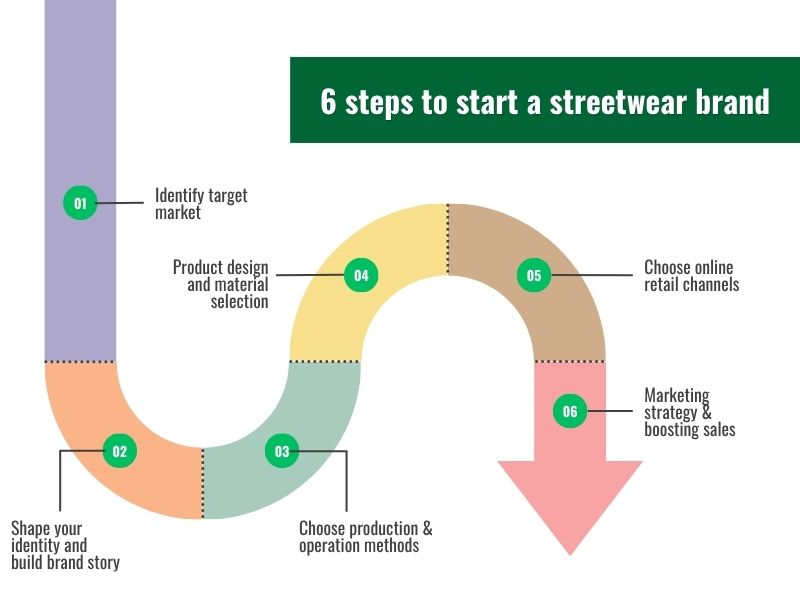
How to start a streetwear brand: 6 simple steps
Step 1: Identify your target market and find market gaps
The start of a successful brand always lies in understanding your target customer base. For example, if you want to target Gen Z customers under 25 years old, you need to find a suitable content niche or style.
How to find it? Research your competitors. Observe brands in the same segment to see which product lines are selling well, who the real buyers are, and how their customer service is implemented. This analysis helps sellers spot untapped market gaps, such as a unique design theme or an uncommon fit line.
Besides, purchasing decisions depend heavily on emotional factors. Consumers choose to accompany a brand when they find resonance in what that brand conveys.
At the same time, the service experience plays an equally important role in retaining buyers. Collecting full data on real needs and customer psychology right from the start will help sellers save maximum trial-and-error costs when officially launching.
Step 2: Shape your identity and build a brand story
Brand identity helps your products leave a distinct mark in the eyes of buyers, from core values and personality to exterior appearance. To stand firm among many competitors, a brand needs to find the flaws in existing products, thereby creating a unique connection with its customer base.
Every major brand chooses its own path to make an impression. Plant Faced chose the sustainable fashion niche by using entirely eco-friendly fabrics, printing inks, and dyes. Meanwhile, Pas Une Marque from France gained attention with a philosophical style through the name “Not a brand" and critical collections. Visual consistency on the website, social media pages, or packaging is the key to these names’ success.
Customers come to streetwear because they want to see the spirit and people behind the product. A good brand story will help you retain buyers for the long term.
You can tell a story based on 4 familiar elements: Conflict, Character, Community, and Trust. Sincerity about the reason for starting and how products are made will gradually build long-term credibility.
To nurture this credibility and retain customers, sellers should focus on the following:
- Connect the brand with a clear social purpose so buyers can accompany and share values with you.
- Do exactly what was committed to customers in every selling step and product making.
- Regularly listen to feedback from buyers to adjust products and improve service quality.
- Continuously update new trends, while improving fits and materials through each release.
- Actively share your journey and celebrate new development milestones with your follower community.
Step 3: Choose production and operation methods
After shaping your target customers and brand identity, the next step is to turn ideas into real products. Depending on your available capital and resources, sellers can choose one of the three production methods below:
Print on Demand
This model allows you to sell without upfront inventory capital or worrying about warehouse costs. When an order comes in, the partner printing workshop will automatically print, pack, and ship directly to the buyer. This gives you more time to focus on design and marketing, while comfortably testing many new designs without inventory risk. The biggest downside is that it is hard to fully control fabric quality, print lines, or delivery time because you depend completely on the factory.
Bulk Order
This option is suitable if you have available capital and want to optimize profit per product. Ordering in larger quantities lowers production costs, significantly increasing your profit margin. However, the difficult challenge here is inventory risk, storage management costs, and capital being stuck in unsold goods. You will also be less flexible in launching new designs because you must prioritize pushing out old stock.
In-house Fulfillment
Doing everything yourself from A to Z gives you full control over package quality, making it easy to include gifts or thank-you letters to create goodwill with buyers. You are also more proactive in inspecting products before delivery. In return, self-managing inventory, self-packing, and handling shipping will consume a lot of time and effort. This method is hard to scale when orders surge, but it is a reasonable start for new sellers who have more time than budget.
For newly started streetwear brands, going the POD route is still the smartest move to optimize cash flow while limiting inventory risks. To completely solve the quality and delivery schedule issues (which are the biggest weaknesses of this model), choosing a direct manufacturing partner (in-house manufacturing) like Merchize is the key.
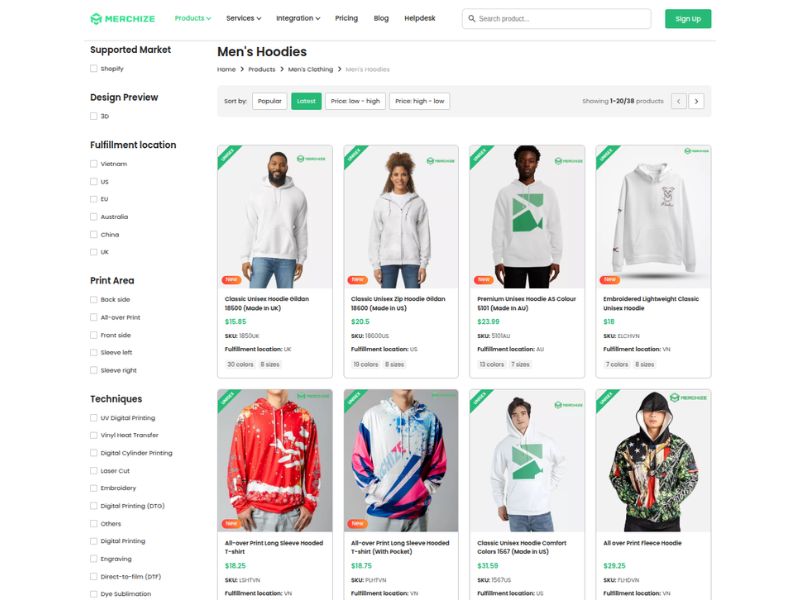
Merchize owns a direct factory system with outstanding operational capacity, reaching a total capacity of up to 150,000 products per day. This ensures supply is always ready, giving sellers complete peace of mind to boost sales during peak shopping seasons.
Besides strong production infrastructure, Merchize brings exclusive competitive advantages that few POD providers in the market can meet:
- Diverse and trendy product catalog: Not stopping at core apparel lines for streetwear (like Hoodies, Tees, Sweatshirts), Merchize also expands into Home Decor niches and unique accessories.
- Superior cost and production competitive advantage: Offers extremely competitive base-cost prices thanks to in-house processes, supports MOQ = 1 (accepts production from 1 product) along with high-end custom cutting technology (custom-cut Wood/Acrylic) to help your streetwear products achieve the highest finishing quality.
- Deep integration with the selling ecosystem: Standardizes TikTok Shop Fulfillment processes, helping orders automatically transfer from the shop to production and delivery to customers at optimal speed, enhancing the overall shopping experience.
Step 4: Product design and material selection
After finalizing your operational model, you will enter the stage of turning ideas into real products. For streetwear, this process does not stop at graphics but requires careful preparation from selecting product lines and printing techniques to fabric materials.
Selecting the first product category Each customer segment will have distinct needs, from t-shirts, hoodies, and socks to accessories or sneakers. Although sneakers often account for a large best-selling share in the streetwear market, many new brands still start very well with just t-shirts or hoodies thanks to their popularity and accessibility. You can leverage free mockup creation tools from POD platforms to visualize the product interface before putting it into production.
Read: Top 10 Streetwear Trends Dominating the Fashion Market Now
Realizing designs and choosing printing techniques You can draw designs yourself, use available support templates, or collaborate with freelancers. A factor that needs careful consideration is the technology displayed on the fabric: DTG, DTF, heat transfer printing, or raised embroidery. Each technique will suit a material and produce a completely different surface effect. Do not worry too much if your first ideas are not perfect; maintaining a regular design habit will help your skills and aesthetic thinking improve significantly.
Materials In the streetwear world, fabric material is what defines product value, not just prints or logos. Buyers are willing to spend money if the item provides a thick, premium, and durable feel. Sellers need to pay special attention to important technical specifications:
- Fabric weight (GSM) and the overall weight of the garment. Weave type (knitting or weaving) to create the right drape and fit. Shrinkage after washing and color retention ability over time.
- Using materials like organic cotton or high-end recycled fabrics is also a big plus that helps attract Gen Z customers. Many brands have failed simply because the material was too thin, light, or felt cheap compared to the selling price.
- Ordering samples and gathering feedback Before launching widely, always order samples to inspect the fit, print quality, and fabric stretch with your own eyes. Listen to feedback from family, friends, or send products to specialized streetwear communities to get an objective view. Directly experiencing the actual product is also the most natural way for you to confidently introduce your brand to the public.
Step 5: Choose online retail channels
Once the product is finalized, you need to build a “storefront" in the digital space to reach buyers. Depending on your direction and customer base, sellers can choose the following main distribution channels:
- Own D2C website (Shopify, WooCommerce, BigCommerce): An ideal solution for building a proper brand image. This platform allows full interface customization, integrates secure payment gateways, manages inventory, and stays proactive in marketing campaigns.
- E-commerce marketplaces (Etsy, Amazon, eBay): Suitable for new brands thanks to large available traffic. Maintenance costs are more flexible compared to running a separate website, helping reduce initial budget pressure.
- Social commerce (TikTok Shop, Instagram Shopping): An effective direct conversion channel when the brand already has a certain follower base. Customers can close orders right inside the app without going through intermediaries.
Retail platforms today all support direct connection with the POD provider Merchize, helping automate the order processing flow from the moment the customer clicks buy until delivery is completed.
Step 6: Marketing strategy and boosting sales
Streetwear is an industry that thrives on community and trends. To successfully enter the market, sellers need to combine the following practical marketing activities simultaneously:
Catching trends from community discussions Young people search for new styles through social media, where they create trends themselves instead of waiting for fashion houses to set directions. Using social listening tools (Google Trends, Mention) will help you spot needs early to release suitable designs. Applying pre-orders is also a safe way to measure appeal before mass production.
Building community and leveraging user-generated content
Maintaining interaction through Facebook groups, TikTok, or YouTube helps tighten engagement with buyers. Real photos and reviews from old customers (UGC) are the most credible proof to convince new buyers.
Partnering with suitable influencers
Choose faces whose styles align with your brand to experience products. Impact from influencers is a direct lever driving customer purchasing decisions.
Providing styling guides
Instead of just taking photos of single products, post real styling guide images/videos on your website and social media. This helps buyers easily visualize the fit while stimulating demand to buy extra accessories to complete the outfit.
Creating scarcity with limited drops
Apply a batch sales strategy with limited quantities or limited purchase time. The feeling of “fear of missing out" and the mindset of wanting exclusive items will drive buyers to close orders faster.
A few notes before starting a streetwear brand
Clearly define your core motivation and capability: No matter how big the store model or project scale is, the most important thing is still answering the question: Why do you want to enter the streetwear industry and what strengths do you possess to turn ideas into reality? This initial energy and skill set will determine your ability to sustain the brand when facing difficulties.
Name your brand based on identity: The name should not be a random choice, but needs to originate from a personal story or a core spirit that you truly believe in. This element represents your whole brand value and will accompany you throughout future development.
Optimize logo creation costs: If you do not have design expertise, you can completely find professional freelancers on platforms like Fiverr or Upwork. This collaboration helps you turn raw ideas into a polished identity symbol, saving time while still ensuring initial aesthetics.
How much money do you need to start a streetwear brand?
One of the biggest hurdles for new sellers is worrying about startup costs. In reality, the initial budget does not necessarily have to be huge, and you can flexibly adjust it depending on your chosen operational model.
Optimize initial marketing and operational costs
If you apply the Print-on-Demand (POD) model, you almost do not have to spend capital on inventory or warehousing costs, because production costs only arise when someone buys. Initial stage marketing can also make maximum use of free content creation tools and social media. Even many online stores still launch effectively with an initial marketing budget starting from just 50 USD.
Hidden costs to consider
Besides product capital or running ads, sellers need to prepare a budget in advance for a few other fixed items:
- Logistics fees: Including shipping, packaging, and payment gateway integration fees.
- Outsourcing: Costs for designing logos, prints, or technical support services if you do not do it yourself.
- Legal obligations and taxes: Costs for business license registration, sales tax, or local financial consulting.
Learning legal procedures thoroughly right from the start will help your brand operate safely and legally.
Case study: Teddy Fresh – The journey from idea to a million-dollar streetwear brand
The success of Teddy Fresh and founder Hila Klein provides a realistic perspective for anyone wanting to step into the streetwear industry. This journey shows how far a clear strategy and a serious product mindset can take a new brand.
Filling market gaps with a unique identity
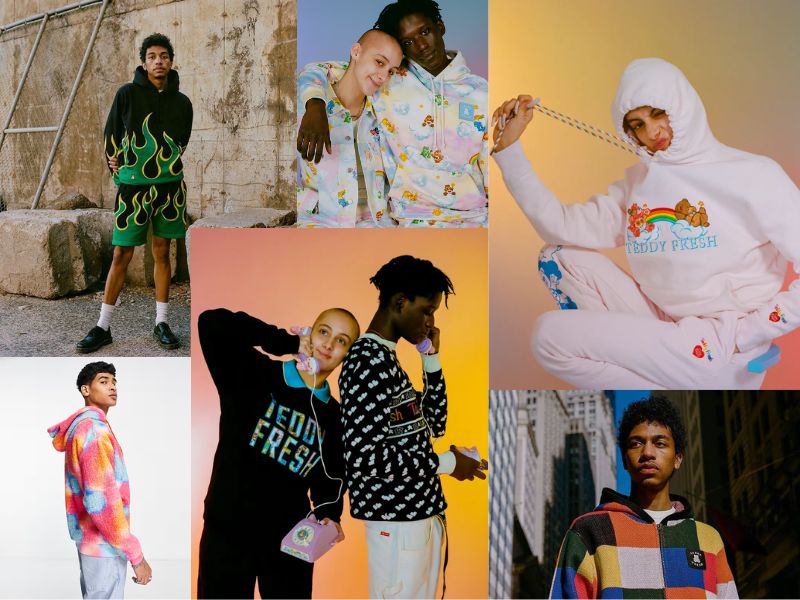
The streetwear market was long dominated by dark colors, heavily masculine designs, and limited sizing for women. Spotting this gap, Hila Klein chose a completely different direction: Colorful and Unisex streetwear.
Teddy Fresh’s identity was formed from the fusion of bright children’s clothing vibes, unique vintage inspiration, and high quality standards. This brand proves that a bright, high-quality product can still reach the masses thanks to reasonable pricing.
Optimize resources and leverage media support Without pouring much money into paid ads, the brand immediately leveraged its existing follower base from its YouTube channel to build its first loyal customer group. Focusing entirely on the direct-to-consumer (D2C) model via its website helped Teddy Fresh stay proactive in operations. At the same time, social media platforms like Instagram and Twitter acted as direct communication channels, helping maintain natural and strong engagement with the buyer community.
Persist with production challenges and quality
In the early stage, finding suppliers required proactiveness and patience. Hila Klein started by searching for factories on Alibaba herself, accepting tests with various partners to select the right production team.
The point that helped the brand retain customers lay in the quality-first philosophy. Teddy Fresh was willing to delay release dates if sample products did not meet standards for fit, durability, or comfort, instead of rushing to meet schedules.
Practical lessons from Hila Klein’s journey
From the process of building Teddy Fresh, sellers can draw important principles to apply to their own brands:
- Start small and test carefully: Order with low minimum order quantities (Low MOQ) to measure market appeal. Taking solid steps with each new design will help you minimize inventory risk before making large investments.
- Never compromise on quality: Set high standards for fit, material, and every stitch. A neatly finished product is always worth more than an on-time but low-quality order.
- Proactively make up for skill weaknesses: Starting a business is a process of learning while doing. Proactively learn and collaborate with experienced experts in areas where you are not strong to optimize operational processes.
- Trust your intuition and initial identity: During the growth process, there will be many conflicting opinions. Hold firm to your creative direction and trust your personal perspective if it aligns with the core spirit of the brand.
- Build a respectful and open work culture: An ego-free work environment will stimulate the creative spirit of the entire team. When every member is heard, the best ideas will have the chance to be realized and contribute to overall growth.
Conclusion
The journey to build a streetwear fashion brand does not require huge capital or overly complex resources right from the start. The key to success lies in understanding your target customers, staying consistent with brand identity, and continuously improving product quality through each release. Choosing the right operational model suitable for your budget will also help sellers optimize costs and minimize inventory risks.
Hopefully, the insights and practical lessons in this article have brought you a clear roadmap on how to start a streetwear brand in the simplest and most proper way. Start with small steps, focus on creating real value for wearers, and confidently share your own story with the community today.