Contents
- Key Takeaways
- Why do many sellers choose online marketplaces over building their own website?
- Checklist 15 best online marketplace options to sell in 2026
- Comparison table of best online marketplace options
- So, Which online marketplace should you choose?
- How to operate on an E-Commerce marketplace effectively
- FAQs
Finding the best online marketplace today is no longer just about choosing the site with the highest traffic. Facing rising platform fees, sudden account bans, and customer retention challenges, sellers must change their business strategy. A truly suitable platform now needs to balance 3 key factors: niche conversion rate, optimized operating costs, and omnichannel connectivity. So, how can you find the best fit for your specific business model? Let’s break it down in the article below.
Key Takeaways
-
Traffic size is no longer the only key factor; in 2026, a top e-commerce marketplace is measured by niche conversion rates, optimized operational costs, and omnichannel integration.
-
Relying on a single platform leaves your business vulnerable to algorithm changes or account bans; selling on 2–3 right platforms is now a must.
-
Always calculate your real total selling fees instead of just looking at customer traffic.
-
Selective marketplaces like Target Plus or Walmart have high entry barriers, but they connect you with high-spending buyers and help you completely avoid price wars.
-
Content-driven social commerce (TikTok Shop, Instagram Shopping) lets you convert sales directly through videos and livestreams without relying on a long store history.
-
Shipping speed directly drives buyer retention; sellers should combine in-house marketplace fulfillment with automated order tools to streamline operations and scale revenue fast.
Why do many sellers choose online marketplaces over building their own website?
For many e-commerce entrepreneurs, the age-old debate remains: Should you build your own independent store (like Shopify) or launch on a major marketplace?
While owning a website gives you 100% brand control, the reality of driving traffic, managing tech, and building trust from scratch can quickly drain your capital. That’s why millions of sellers start and scale on marketplaces instead. Here is how leveraging an established marketplace gives you an immediate competitive edge:
1. Instant customer reach and lower startup costs
Instead of spending months and thousands of dollars on ads to drive the first visitors to a new website, selling on a marketplace gives you immediate access to a massive pool of ready-to-buy customers. You instantly benefit from the platform’s brand trust, strong search engine rankings, and daily organic traffic while saving significantly on technical overhead. With built-in tools for inventory and sales tracking, a marketplace serves as an ideal, low-risk testing ground for new products.
2. Standardized operations and turnkey logistics
One of the biggest advantages of selling on a marketplace is the fully automated operational system, covering everything from payments and dispute handling to fraud protection. Sellers can also free up their time by using turnkey fulfillment services like Amazon FBA or eBay Global Shipping. Leveraging a platform’s global logistics network and established loyalty programs (like Amazon Prime) helps speed up order delivery and steadily boosts repeat purchases.
3. Global expansion through economies of scale
Building an independent brand in foreign markets usually requires heavy capital and complex local setups. In contrast, online marketplaces provide a ready-to-use launchpad that allows you to take your products global in just a few clicks. By leveraging the platform’s massive scale, your business can optimize operational costs and enter new international markets effortlessly without building local infrastructure from scratch.
Checklist 15 best online marketplace options to sell in 2026
Over 90% of B2B companies now operate completely online, pushing the global B2B e-commerce market value to $36 trillion. At the same time, B2C e-commerce revenue keeps growing steadily at 14.4% a year, and is expected to reach $5.5 trillion by 2027 (trade.gov).
With such a promising growth picture, diversifying sales channels and expanding market share to trending marketplace websites is a forward-thinking strategy.
1. Amazon
At the top of the best online marketplace list is definitely Amazon.
Amazon currently operates in more than 20 countries and territories, with a massive customer base of over 310 million active users worldwide. The US remains its largest home market with around 230 million users. Notably, the ecosystem includes over 200 million Amazon Prime members – a premium customer segment spending an average of up to $1,400 per year, providing a highly stable revenue stream for sellers (investing.com).
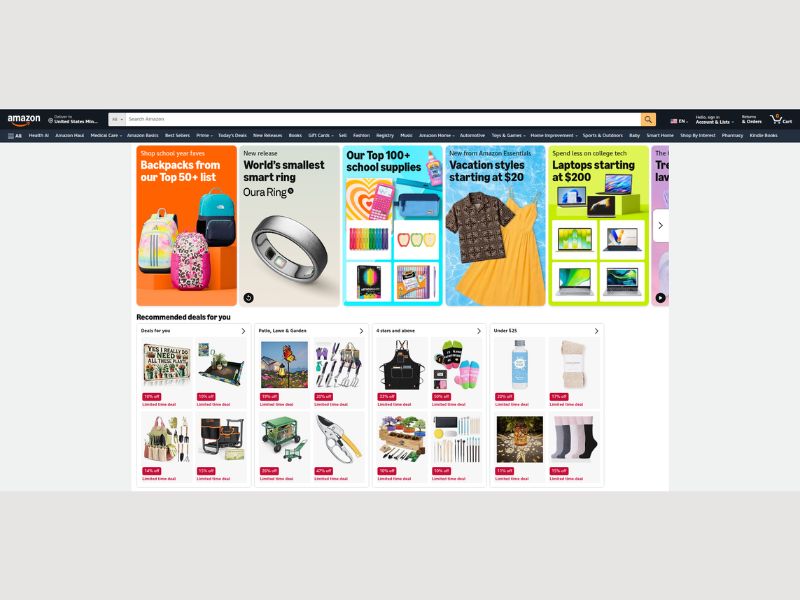
Opportunities & Challenges: Joining Amazon means having immediate access to millions of potential customers. However, alongside this big opportunity comes fierce price competition, display algorithm challenges, and strict operational standards.
Selling fees
| Fee type | Updated fee | Note |
| Account maintenance | $39.99/ month | Applies to the Professional Plan |
| Referral | 8% – 15% | Varies depending on your product category |
| Currency conversion | Up to 3.5% | Applies if using Amazon’s default conversion tool to withdraw funds to a local bank account |
>> Selling strategies on Amazon
-
Conduct deep market research to identify trending, high-selling items.
-
Register for Amazon Brand Registry immediately to protect your brand.
-
Spend your budget wisely on Amazon Advertising, while designing A+ Content and creating an Amazon Store to boost conversion rates.
-
Continuously stay updated with search algorithm changes to optimize product SEO.
-
Once established in one market, consider expanding into other potential markets.
Currently, Merchize is fully integrated with Amazon. The entire fulfillment process is 100% automated, helping sellers save time, minimize errors, and focus completely on scaling sales.
2. Etsy
Known as the go-to place for unique, creative, and highly personalized items, Etsy is a fertile ground for handmade artisans, creative product designers, and vintage or antique collectors. As of late 2025, the Etsy ecosystem has successfully connected a network of 5.6 million active sellers with 86.5 million potential buyers.
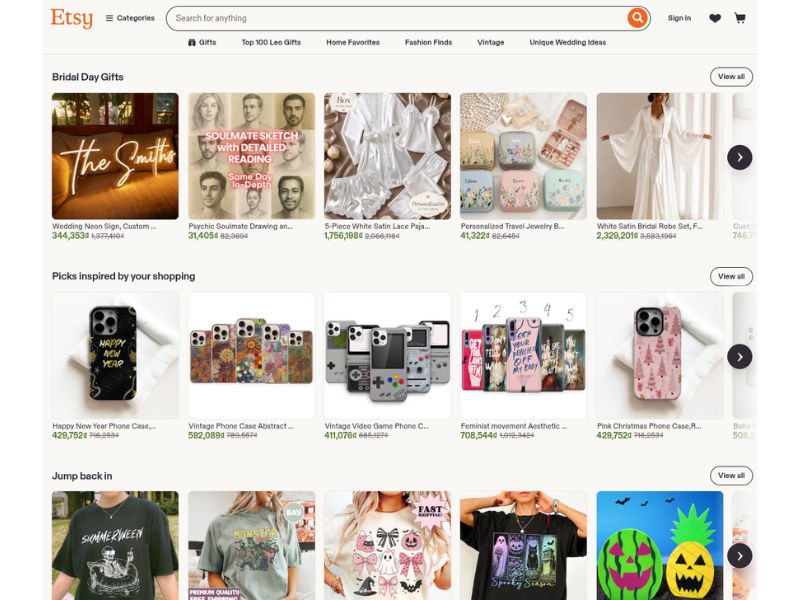
However, competition is extremely intense, especially in popular categories like jewelry, home decor, and personalized gifts. For new sellers, building brand awareness requires a patient strategy and serious effort.
Selling fees
| Fee type | Updated fee | Note |
| Listing | $0.20/ item | Listings stay active for 4 months or until the item sells out |
| Transaction | 6.5% | Calculated on total order value (including product price and shipping fees collected from customers) |
| Additionals | Depends on country/ campaign | Extra Payment Processing Fees apply depending on the country, plus optional Etsy Ads costs if chosen |
>> Selling strategies on Etsy
-
Invest in high-quality, clear photos with great angles to trigger emotions and drive purchase intent.
-
Thoroughly research and utilize tag systems, titles, and product descriptions to reach your exact target audience.
-
Use the About section to share your craft process, passion, and unique product value to build trust.
Currently, Merchize is fully integrated with Etsy. Every order coming from your Etsy store will automatically sync and fulfill smoothly, freeing up your management time so you can focus entirely on creativity and revenue optimization.
3. eBay
Equally impressive, eBay serves over 136 million active buyers worldwide and operates a commerce network across 190 different markets. eBay offers both online auctions and fixed-price listings at the same time. This creates a special pull for niche markets, unique items, rare collectibles, and general goods alike.
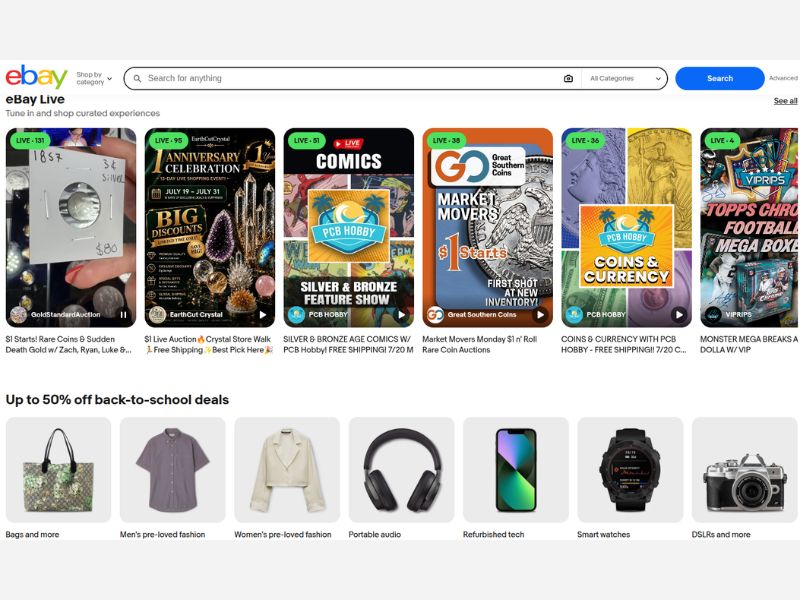
However, selling on eBay comes with heavy competition and a strong reliance on platform algorithms. Take time to research which items are selling fastest on eBay to plan a proper sourcing strategy.
In addition, listing costs can add up for sellers with large product catalogs. That said, with a standard seller account, you don’t have to pay any fixed subscription fees beyond excess listing fees and commission on successful sales.
Selling fees
| Fee type | Updated fee | Note |
| Insertion | Free limit | Free for a set number of listings each month; fees apply only when exceeding the limit |
| Final value | Around 13.4% | Applies to most product categories upon a successful order |
| Fixed per-order | Around 0.30 AUD | Charged per successful order |
| Basic store subscription | 27.45 AUD / month | Recommended if listing more than 250 items per month to optimize costs |
>> Selling strategies on eBay
-
Ensure you build an optimized shipping strategy and consider using the eBay Global Shipping Program.
-
Optimize your product listings from titles down to detailed descriptions to increase visibility.
-
Invest in clear, accurate, high-quality product images.
-
Consider promoting your items using the “Promoted Listings" feature.
-
Take advantage of specialized support tools.
Another advantage is that Merchize is also integrated with eBay to automatically process and fulfill orders.
4. Walmart
Walmart takes a slightly different approach by operating on a selective model. It is open only to sellers who receive an invitation or pass an application approval, while applying a streamlined policy that only charges a commission per order. However, once accepted, sellers get the opportunity to leverage the power of linked websites within the Walmart ecosystem, including Jet.com.
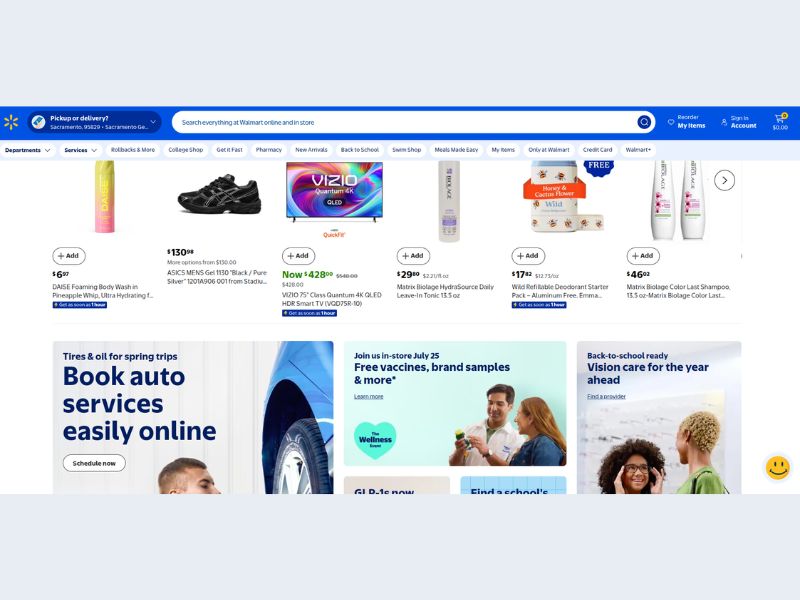
Every week, the platform records around 270 million customers and members visiting over 10,750 physical stores along with its e-commerce website system across 19 countries. Remarkably, up to 57% of customers who shop on Amazon but “ignore" Walmart are actually frequent visitors to Walmart’s physical stores. Therefore, Walmart leveraging its offline store network to boost online e-commerce services helps sellers reach a massive audience.
However, to get approved and maintain your selling status on Walmart, your products must have competitive, affordable prices, along with top-tier customer service.
Selling fees
| Fee type | Updated fee | Note |
| Monthly registration | Completely free | No fixed maintenance costs |
| Referral | 5% – 15% | Paid only on successful sales transactions, depending on the product category |
5. Allegro
Allegro is the largest e-commerce platform in Poland and holds a strong 4th position among the largest e-commerce platforms in all of Europe. The platform attracts massive traffic with around ~20 million active users every month.
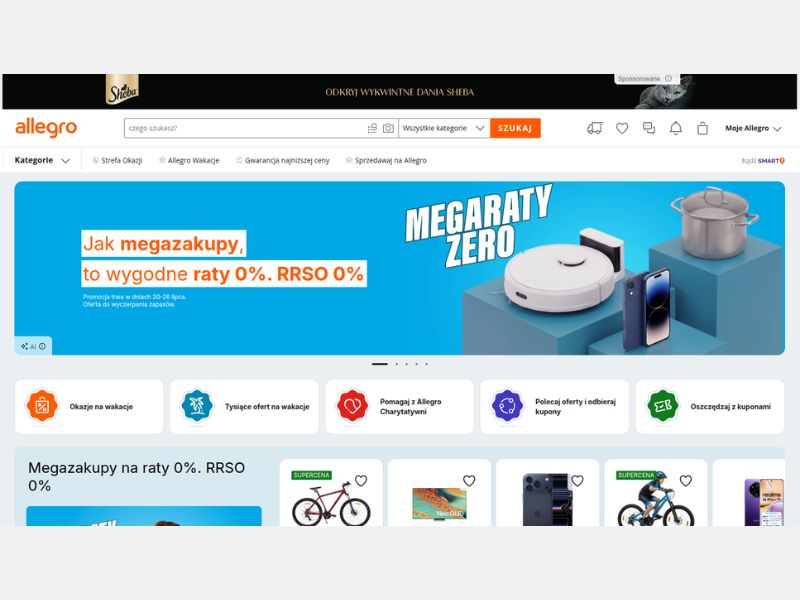
Strengths of the platform include consumer electronics, fashion, home goods, baby care, and health products. Allegro also allows sellers to list a wide variety of items from new and refurbished to used goods, though well-known branded products are still preferred by consumers here.
Selling fees
| Fee type | Updated fee | Note |
| Fixed monthly | Free | Applies to basic seller accounts |
| Sales commission | Calculated by category | Calculated depending on the product category; the platform allows payment of this fee after 90 days, helping sellers optimize cash flow |
6. Instagram
Instagram has proven its outstanding power by seamlessly combining content discovery space with a visual shopping experience. This positioning turns sellers’ creative posts, stories, or reels into immediate shopping touchpoints.

In fact, up to 70% of the app’s 2 billion active users actively use its in-app shopping features. Thanks to directly integrated checkout, the customer journey on Instagram is shortened as much as possible, flowing smoothly from initial inspiration all the way to order completion.
7. Mercado Libre
Hailing from Argentina, Mercado Libre holds the undisputed top spot in traffic across Latin American e-commerce. This ecosystem strongly covers a wide range of countries including Argentina, Brazil, Mexico, Chile, Colombia, Peru, and more, serving over 78 million monthly active users.
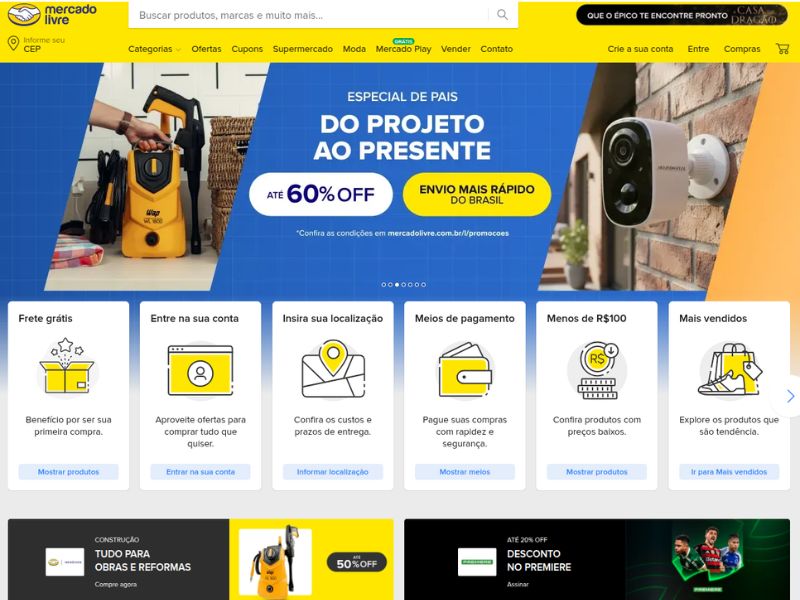
A special attraction of the platform is its integration of comprehensive financial and operational solutions, creating ideal conditions for international sellers to join the booming consumer wave in this region. However, to get started, you must list product prices in USD and write all descriptions in English, after which the platform’s automated system will translate them into Spanish or Portuguese for local buyers.
Selling fees
-
Commission: Usually around 16.5% for Premium listings, which gives products superior visibility and supports interest-free installments for buyers – a huge demand-boosting lever in Latin America.
-
Full fulfillment service (Mercado Envios Full): The system takes care of warehousing and shipping on your behalf, with the added bonus of 4 months of free storage for new SKUs.
8. TikTok Shop
As one of the most explosive social e-commerce platforms today, TikTok Shop allows sellers to reach and sell directly to consumers right while they are watching short videos or livestreams. The platform’s power lies in its distribution algorithm that creates strong viral potential, opening up opportunities for breakthrough sales.
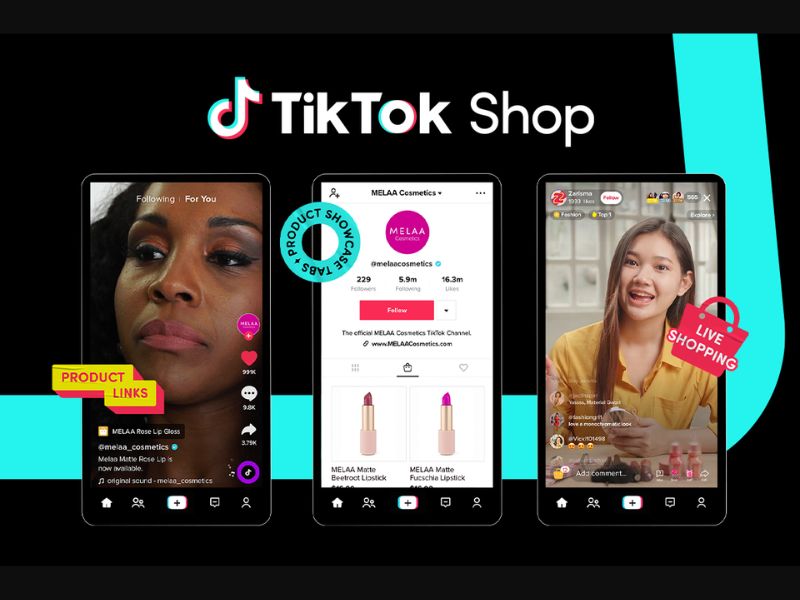
With a dynamic, young audience base of over 1.3 billion users, the platform offers impressive engagement and conversion rates. However, a major challenge for sellers is the need to constantly create high-quality content, and the platform’s operational management tools are still in a continuous cycle of updates and improvements.
Selling fees
-
Referral: Changes flexibly depending on each product category and country region (for example, the US TikTok Shop market currently applies a standard rate of 6% for popular categories).
Currently, Merchize is also integrated with TikTok Shop to support sellers with automated order fulfillment.
9. Facebook Marketplace
Facebook Marketplace remains a familiar and powerful destination thanks to the launchpad of Meta’s 3.07 billion monthly active users. The platform focuses heavily on connecting sellers with local customers in their immediate area, making it an ideal environment to test market demand or target local urban buyers.
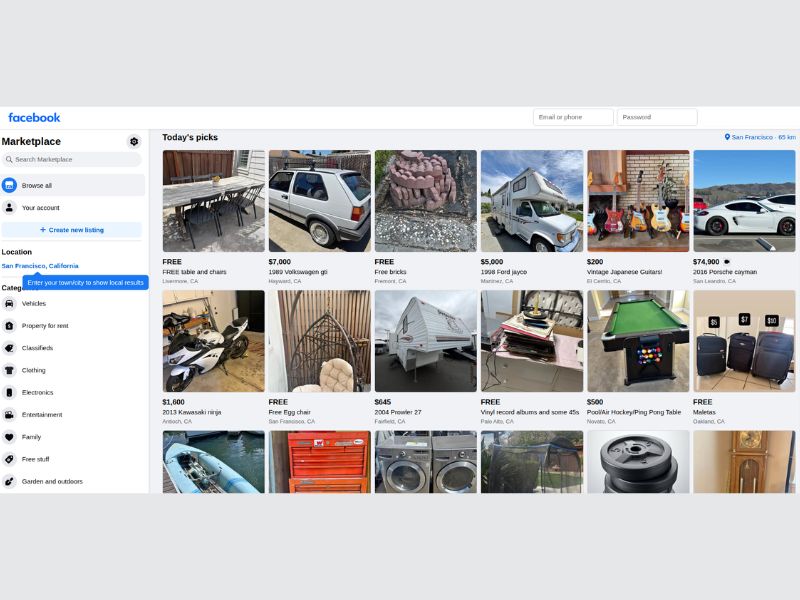
Sellers can list products completely for free and actively expand their reach by sharing posts into community groups. However, local transactions do not feature an integrated online payment system, so you will have to manually handle all payment and shipping steps yourself.
Selling fees
| Fee type | Updated fee | Note |
| Product listing | Completely free | Applies to local selling posts |
| Selling | Charged per successful transaction | Applies to orders using platform-supported shipping and direct payment features.
Note: Some direct payment features on the platform in several regions were officially discontinued after August 2025 |
10. Depop
Depop is a mobile-first e-commerce marketplace specializing in unique fashion and lifestyle items. The ecosystem has a lean yet high-quality scale with around 5 million active buyers and 2.5 million active sellers (businessofapps).
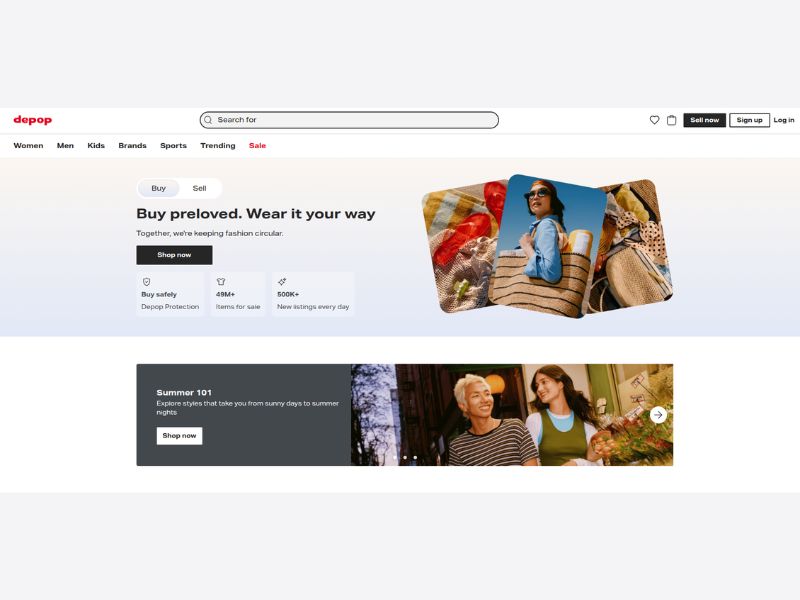
Like TikTok, Depop boasts an extremely young core audience, with up to 90% of users under 26 years old, forming a Gen Z community with a deep understanding of global fashion trends. However, the downside of the platform is a relatively limited product category range, requiring sellers to constantly interact and build a personal brand like on a social network. Additionally, buyer mindset here leans toward searching for lower prices, and the overall market scale is smaller.
Selling fees
| Fee type | Updated fee | Note |
| Selling | 0% | Starting in 2025, selling is officially free for US and UK sellers listing new items |
| Payment processing | 3.3% + $0.45 | Applies to each transaction through Depop Payments in the US market |
11. Vinted
Vinted has risen to become one of the largest second-hand e-commerce platforms in Europe. The platform has established a presence in over 25 countries, with key markets including France, Germany, the UK, and the Netherlands.
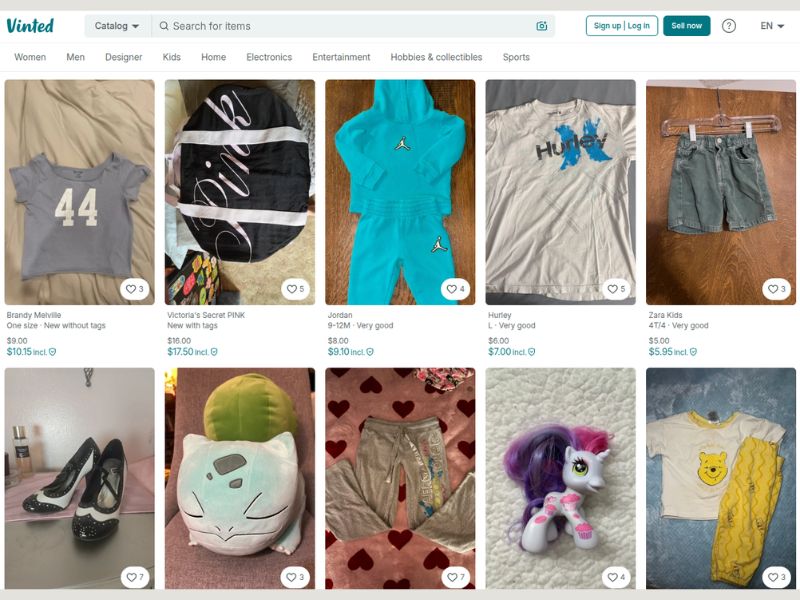
Vinted’s appeal is proven by impressive numbers, boasting over 105 million registered users and 32.8 million app downloads in 2023 alone. Joining this marketplace gives sellers the opportunity to tap into a highly potential secondhand niche market.
However, you have to handle everything yourself from taking real photos and writing detailed product descriptions to dealing with risks related to online counterfeit scams.
Selling fees
| Fee type | Updated fee | Note |
| Professional account maintenance | Completely free | Listing items and maintaining a store is completely free for standard individual accounts |
| Commission | Absolute 0% | Applies to sellers; receive 100% of the sale price of the item sold |
| Buyer protection | $0.70/€0.70 + 5% of item price | This fixed fee is paid directly by the buyer at checkout to cover insurance for the transaction |
12. Rakuten
Rakuten leads the e-commerce market in Japan and holds deep global influence. The platform currently serves users everywhere through a network of headquarters across more than 30 countries and territories.
Known as a high-end shopping destination, Rakuten is an ideal entry point for international brands looking to target high-purchasing-power customers in Japan and expand into the broader Asian market.
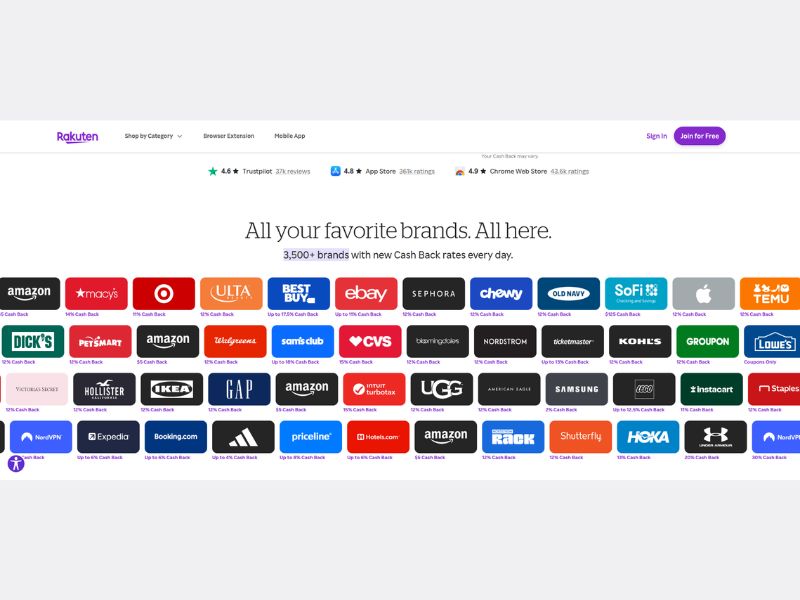
With a massive ecosystem of around 2.1 billion members, the platform offers an extremely diverse product catalog ranging from consumer electronics and fashion accessories to pet supplies. However, a major drawback lies in its complex registration process for international sellers, requiring local language support and a very high initial capital investment. To succeed on this platform, you must strictly comply with and operate according to Rakuten’s standard procedures.
Selling fees
| Fee type | Updated fee | Note |
| Store registration | Around 60,000 JPY | Initial setup cost |
| Fixed monthly | Around 65,000 JPY | Mandatory monthly store maintenance cost |
| Commission | 8% to 20% | Varies depending on product category and the subscription plan chosen |
13. Poshmark
Poshmark focuses heavily on fashion, accessories, and home decor categories. The platform’s model allows sellers to design their own “virtual closet" to showcase products, while connecting directly with buyers through social interaction features.
This ecosystem features over 4.5 million active sellers and reaches a broad audience of up to 80 million users across major countries such as the US, Canada, and Australia.
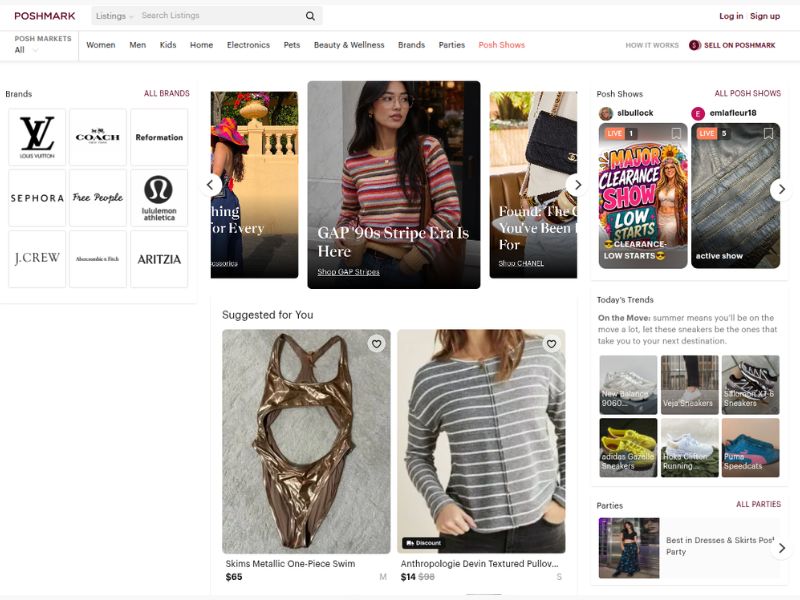
Despite having a strong advantage in optimization and good visibility on Google search results, Poshmark is often considered a somewhat chaotic environment, requiring sellers to put effort into dealing with bot accounts and widespread scams. In addition, commission rates are relatively high, product categories are limited, and sellers are fully responsible for handling fulfillment themselves.
Selling fees
| Fee type | Updated fee | Note |
| Small order service | Fixed $2.95 | Applies to all transactions valued under $15 |
| Large order service | Up to 20% | Calculated on total value for transactions of $15 or more |
14. Mercari
Mercari is currently one of the most popular shopping and second-hand selling apps in Japan and the US. The app has surpassed 100 million downloads, featuring a catalog of billions of listed items and a network of 22.7 million monthly active users globally (including about 4.5 million monthly active users in the US market).
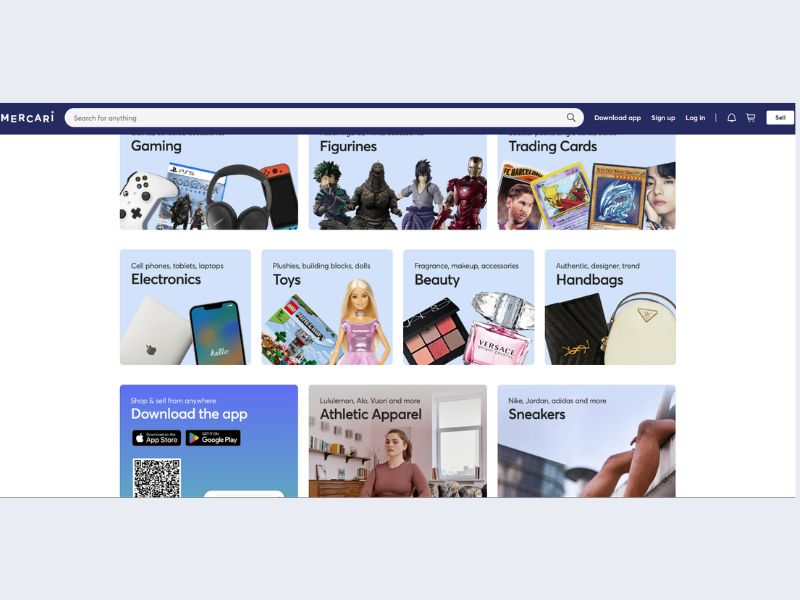
Thanks to a fast-track selling model built on the message “sell anything from your phone," sellers need only about 30 seconds to cross-list products. This makes it fertile ground to reach buyers searching for used goods, rare items, and household products; however, the accompanying challenge is extremely high price competition.
In addition, sellers need to be prepared to handle lowball offers from buyers, return risks, and must pack and ship quickly to maintain a good store rating.
Selling fees
| Fee type | Updated fee | Note |
| Listing | Completely free | The system charges only when a successful transaction occurs |
| Mercari commission | 10% | Calculated on the total value of the successfully sold product |
| Payment processing | 2.9% + $0.50 | Applies to each successful order (US market rule) |
15. Target Plus
Target Plus is the extended marketplace arm of Target – a leading US retailer designed specifically for third-party partners to list products on Target.com. Operating exclusively in the US, this marketplace directly connects with millions of loyal Target customers while integrating deeply with the RedCard membership program and free shipping policies.
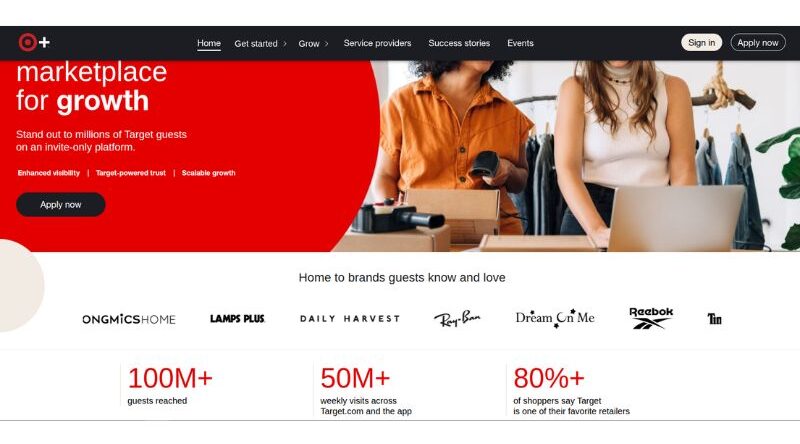
Similar to Walmart, Target Plus is invite-only. However, once accepted, you gain access to a premium customer base with high conversion rates and minimal price-cutting competition due to strictly limited seller slots.
On the other hand, the requirements are extremely high: sellers must have a legal entity and bank account in the US, be able to process orders within 24 hours, support direct in-store returns at physical Target locations, and meet high commercial liability insurance requirements with a minimum limit of up to $5 million.
Selling fees
| Fee type | Updated fee | Note |
| Account maintenance | Completely free | No setup fee and completely free monthly maintenance for professional seller plans |
| Target Plus commission | 5% to 15% | Varies depending on specific product categories (this fee already includes basic payment processing costs) |
Read more: Sell In 5 Mins: 15 Websites to Sell Items Online For Free 2026
Comparison table of best online marketplace options
| Marketplace | Main market | Maintenance / Listing fee | Commission / Transaction fee | Key features |
| Amazon | Global (US is strongest) | $39.99 / month | 8% – 15% | Largest general marketplace; high-spending Prime buyers; fierce competition |
| Etsy | Global | $0.20 / item | 6.5% | Handmade, vintage, and craft items; willingness-to-spend buyers; high niche competition |
| eBay | Global | Free limit
(Over 250 listings: 27.45 AUD/ month) |
~13.4% + 0.30 AUD | Auctions and fixed prices; strong in rare/used goods; relies on algorithms |
| Walmart | US | Free | 5% – 15% | Selective marketplace (requires approval); leverages offline store foot traffic |
| Allegro | Poland (Europe) | Free basic account | Calculated by category (90-day deferred payment) | Largest platform in Poland; prefers branded goods (new and used) |
| Global | Free | Integrated in-app shopping | Visual social commerce; buyer journey driven by images/videos | |
| Mercado Libre | Latin America | Free | ~16.5% (Premium plan) | Largest platform in Latin America; listed in USD/English; full fulfillment network |
| TikTok Shop | Global | Free | ~6% (US market) | Shopping via video/livestream; high viral potential; active Gen Z audience |
| Facebook Marketplace | Local / Global | Free | Charged only when using platform shipping | Local deals; self-managed payment/shipping; great use of community groups |
| Depop | US, UK | Free listing for new items | 0% marketplace fee (3.3% + $0.45 payment fee) | Gen Z fashion; mobile-first; budget-conscious buyers; requires social engagement |
| Vinted | Europe | Free | 0% for sellers (Buyer pays protection fee) | Largest secondhand market in Europe; free for sellers; private parcel network |
| Rakuten | Japan |
Setup: ~60,000 JPY Fixed: 65,000 JPY / month |
8% – 20% | Premium online mall; high entry costs; complex onboarding process |
| Poshmark | US, Canada, Australia | Free |
Under $15: Fixed $2.95 Over $15: 20% |
Fashion and home decor; high platform fee; bot issues; good Google SEO rank |
| Mercari | Japan, US | Free | 10% + Payment fee (2.9% + $0.50) | Online flea market; quick 30-second listing; intense price competition |
| Target Plus | US | Free | 5% – 15% (Includes payment processing) | Exclusive marketplace (invite-only); high-end buyers; strict operational requirements |
So, Which online marketplace should you choose?
There is no “one-size-fits-all" answer to this question. The best decision depends entirely on your business resources, product type, and target market.
1. Based on product type and characteristics
-
Mass-market or POD products: Amazon, eBay, and Walmart are essential choices. These platforms have massive traffic and strong logistics systems ready to handle high order volumes.
-
Creative, handmade, or personalized products: Don’t miss Etsy (the global home for handmade items) or Poshmark (focused on fashion mixed with social features).
-
Secondhand, vintage, or clearance goods: Vinted is the top choice in Europe thanks to its 0% seller fee policy. In the US and Japan markets, Mercari and Depop (tailored for Gen Z) will help you liquidate or source niche items extremely well.
Learn more: Where To Source Products To Sell Online: Top 9 Options
2. Based on geographic location and target market
-
Focusing heavily on the US market (the most lucrative land): Start with the Amazon + Walmart combo. If your brand already has a premium status and a legal entity in the US, try to secure an invitation to the exclusive Target Plus marketplace to completely avoid price wars.
-
Conquering the European market: Alongside Amazon, diversify into Allegro (if you want to dominate Poland and Eastern Europe) or Vinted (if focusing on circular fashion).
-
Exploring new potential regions: Mercado Libre is your single best doorway to safely reach 78 million buyers in Latin America, while Rakuten is the ideal launchpad to enter the demanding Japanese market if you have strong capital.
3. Based on customer acquisition model (Marketing strategy)
-
Traditional E-commerce & SEO Model: Amazon, eBay, and Walmart are where you optimize keywords, bid on PPC ads, and compete based on product quality scores.
-
Content-Driven & Trend-Based Selling (Social Commerce): If your strength lies in creating short videos, livestreams, or building visual brand images, pick TikTok Shop or Instagram right away. These platforms help you achieve fast sales breakthroughs based on virality without relying heavily on store history.
4. Based on budget and operational capacity
-
Low budget, testing the market: Choose Facebook Marketplace (for local sales), Vinted, or Depop thanks to zero setup costs and very forgiving fee structures.
-
Established business, ready to invest: Amazon (with substantial maintenance and ad fees) and Rakuten (requiring high initial capital and fixed costs) act as filters that eliminate small competitors, helping larger businesses assert their position.
Tip: Don’t limit yourself to just one. The trend for 2026 is Omnichannel selling. Start with 1–2 marketplaces that best fit your core products. Once your operations run smoothly, actively expand to other international platforms to maximize revenue and spread out risk.
Read more: Top 20 High-Profit Things to Sell to Start an Online Business
How to operate on an E-Commerce marketplace effectively
To keep things concise and avoid redundant SEO content, here are 5 core strategies to run your store efficiently:
-
Define clear goals: Before opening a store, precisely identify your buyer persona, core product line, and target region. If you want to reach a massive global customer base, major platforms like Amazon or eBay are irreplaceable launchpads; conversely, if you want to target a specific niche or region, specialized platforms (like Etsy, Vinted, or Mercado Libre) will offer higher conversion rates.
-
Leverage marketplace infrastructure: The biggest advantage of selling on a marketplace is the ability to “stand on the shoulders of giants" by tapping into their existing customer base, reputation, and technology. Prioritize reputable platforms with smooth user experiences, secure payment systems, and professional customer service to quickly build trust with buyers without incurring high self-operating costs.
-
Optimize product data: To retain buyers from search to checkout, polish every small detail in your online store. Optimize titles with SEO-friendly keywords, select the correct categories, write clear descriptions, and invest in high-quality images to stand out from competitors. Combine this with email channels or push notifications to maintain continuous engagement with users.
-
Activate targeted ads: Alongside organic SEO optimization to reach top display rankings, investing budget into paid advertising is essential to break through sales in a competitive environment. Instead of spreading your budget too thin, pick 1–2 best-selling products to run precisely targeted ad campaigns, while applying remarketing to previous store visitors to optimize conversion rates.
-
Streamline the fulfillment chain: Fast delivery speed and optimized shipping costs directly determine modern buyers’ satisfaction. Therefore, sellers need to build a highly structured and reliable logistics network either by joining the platform’s full fulfillment programs (like Amazon FBA) or partnering with reputable third-party carriers like FedEx or SF Express to handle cross-border shipping smoothly.
FAQs
1. Which platform currently dominates global e-commerce in terms of scale?
Amazon continues to lead as the world’s most expansive sales channel, giving merchants unmatched reach across virtually every retail category.
2. Where should sellers list handcrafted, custom, or antique goods?
Etsy is the go-to network for artisans and custom makers, whereas Ruby Lane provides a dedicated venue tailored to premium antiques and high-value vintage items.
3. Which platforms offer the most cost-effective fee structures for sellers?
Vinted and Facebook Marketplace allow users to list and sell items locally without paying seller commissions. For broader reach, Bonanza offers very competitive rates, taking a low final value fee starting at roughly 3.5%.
4. What are the top channels for selling clothing and fashion accessories?
Platforms like Depop and Poshmark stand out for apparel, combining mobile-first shopping with interactive, social features that cater directly to fashion enthusiasts.
5. Which marketplaces are best suited for selling digital downloads and software?
Digital assets, subscriptions, and downloadable files perform best on direct-delivery platforms like Gumroad or specialized tools like Celli, which cater specifically to digital creators.
In summary, the journey to find and build a foothold in the digital environment requires sellers to constantly analyze internal resources and deeply understand target buyer behavior. By accurately positioning your products, making serious investments in data optimization, running targeted ads, and perfecting your fulfillment chain, you can completely reach for revenue growth. Hopefully, these strategies will help you easily identify the best online marketplace for your business model, for maximum efficiency and sustainable growth.