

Is it still worth starting an online business in 2026 if you don’t know what to sell? Yes, but you need to focus on the most profitable products to sell online instead of spreading yourself thin across generic products.
The 13 product categories in this article are ranked based on real market demand in 2026, especially in the print-on-demand industry, which is growing rapidly due to recent global events.
To achieve high profits, you need to learn how to evaluate which products are worth your time and how to position them to maintain a long-term competitive advantage. Let’s dive into the details below!
13+ products with profit margins to sell online
Each category below is backed by market demand data, proven seller results, and realistic profit potential for 2026 trên các sàn thương mại điện tử dành cho người bán trực tuyến.
1. Custom t-shirts
The custom t-shirt printing market is projected to reach $9.82 billion by 2030, growing at a CAGR of 11.5% from 2025 to 2030. Notably, with the print-on-demand model, costs are mainly limited to product and platform fees, allowing for higher profit margins.
The most promising region for selling custom t-shirts online is Asia-Pacific, which dominated with a 39.4% share in 2024, followed by North America. Within these high-demand markets, the artwork segment is expected to grow rapidly, with a 12.1% CAGR, making it a key niche for sellers to focus on.
This presents a significant opportunity for sellers to start an online business with low upfront costs.

2. Hoodies & sweatshirts
With selling prices typically 50% higher than t-shirts, while production costs are only about 30% higher, hoodies and sweatshirts offer significantly better profit margins. Plus, they have a strong gift-giving appeal and year-round demand in most climates.
Search demand for hoodies and sweatshirts spikes from October to February. If you prepare your designs and product quality in advance, you can scale sales earlier than other stores on e-commerce platforms.
Notably, customers tend to prefer highly personalized products over generic ones. With a provider like Merchize, you can focus entirely on selling while the printing and shipping are handled for you.

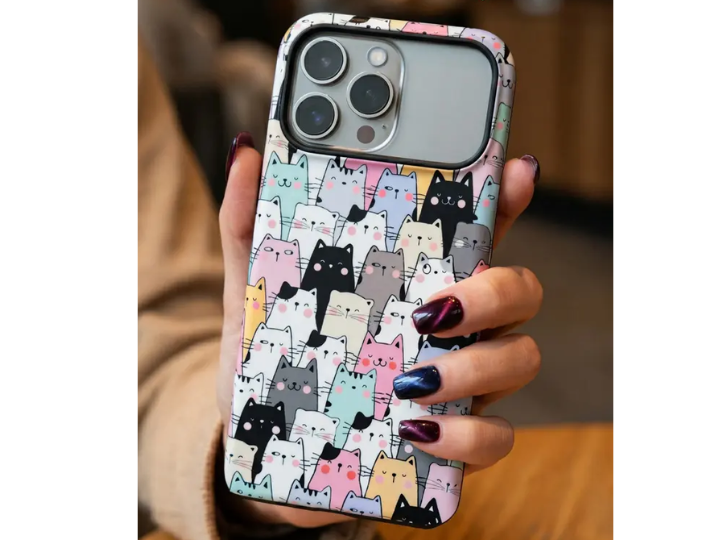
3. Phone accessories
Phone accessories have extremely low production costs and are considered fashion items that are frequently updated based on customers’ changing preferences, even if they already own similar products.
The mobile phone protective case market alone was valued at $25.51 billion in 2024 and continues to grow, driven by the need to protect high-value devices and personal preferences, especially among users aged 18–24.
4. Athleisure & activewear
The athleisure market is expected to surge in 2026, driven by a series of global sporting events such as the 2026 World Cup and annual sports leagues in the U.S. (MLB, football, etc.).
See more: Top print on demand gym clothing suppliers
In addition, as lifestyles shift toward healthier habits, consumers are increasingly looking for comfortable, stylish clothing they can wear to the gym, the grocery store, or while working from home.
Popular product categories include:
- Leggings
- Sports bras
- Joggers
- Yoga sets

5. Mugs & drinkware
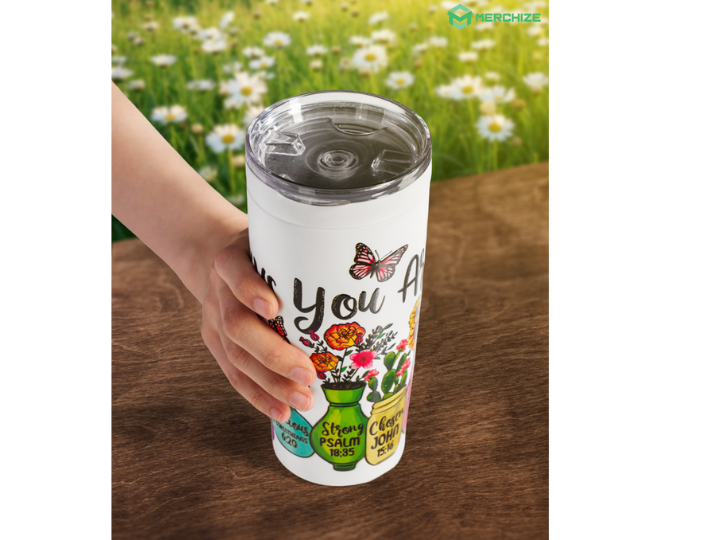
Ceramic mugs are everyday essentials that almost everyone owns. They are affordable enough for impulse purchases, personal enough to feel thoughtful, and practical enough for people to justify buying them.
Insulated tumblers are also among the best-selling items. For example, a product like “Corporate Event Tumblers with Logo” is priced at just $8 and has reached 13.5K sales.
6. Wall art (Canvas prints & posters)
Wall art is often purchased for its emotional value, driven by artistic visuals. A canvas print can cost around $15–$25 to produce, but can easily retail for $45 or more due to its high perceived value.
These products are commonly used for home decoration or as gifts, offering strong profit margins in the online product category.

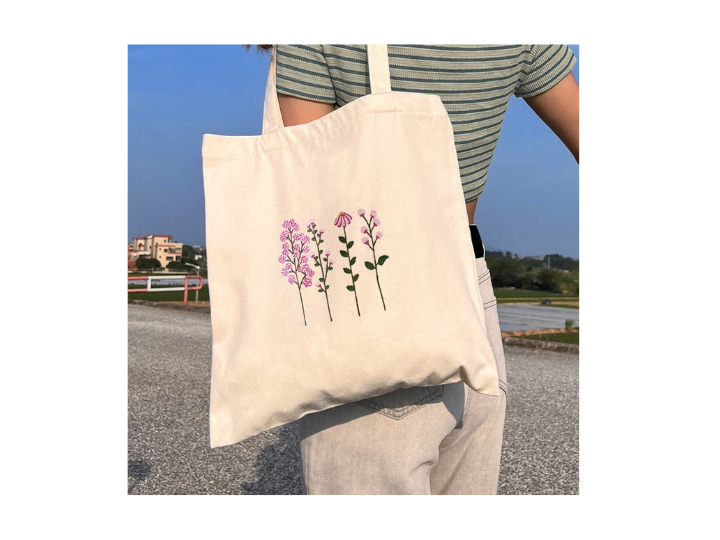
7. Tote bags & canvas bags
The growing emphasis on sustainability has significantly increased demand for eco-friendly products across the market. This shift is widely embraced by consumers across generations, from Gen Z to Millennials and Gen X. As a result, tote bags and canvas bags have become everyday fashion staples associated with sustainable living.
Focus on clean, minimal designs paired with clear messages such as water conservation or eco-conscious living. This approach not only aligns with consumer values but also helps your store stand out in a competitive market.
8. Embroidered hats & dad caps
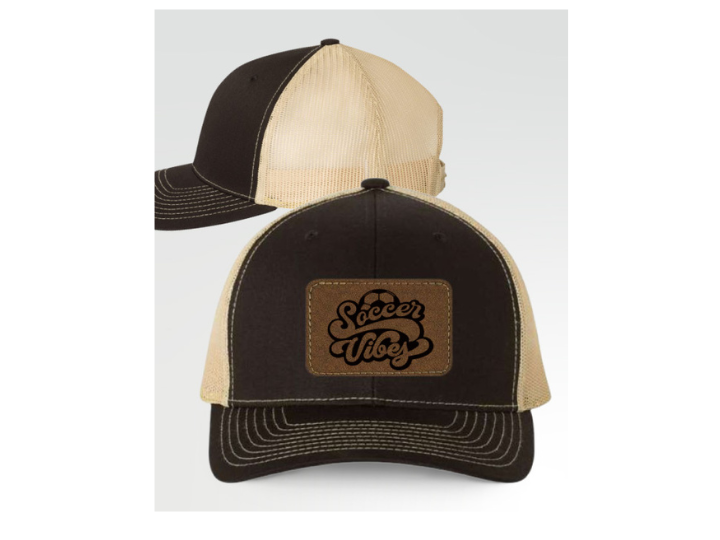
Embroidered hats and dad caps are among the fastest-growing product categories, with around 10,000 monthly searches on Amazon and 2,500 on eBay for the keyword “custom embroidered hat,” indicating clear market demand.
This growth is driven by the rising popularity of vintage, unstructured dad caps combined with techniques like puff embroidery, which align well with streetwear trends and are easy to style.
Low production costs and flexible customization options, such as logos or quotes, help improve profit margins, making embroidered hats a strong choice for summer campaigns, gifts, or merchandise for small brands.
9. Pet products
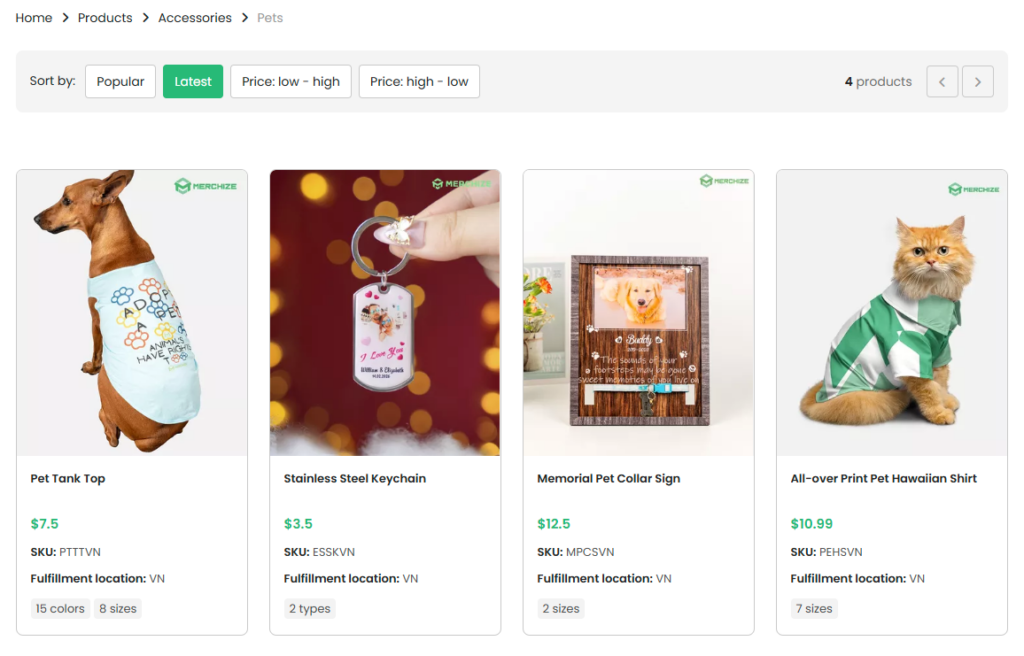
The global pet market continues to grow strongly, with spending in the U.S. alone reaching $158 billion in 2025, indicating substantial and stable purchasing power. This growth is primarily driven by the “humanization” trend, where pets are increasingly treated as family members, leading to rising demand for apparel, interactive toys, and personalized products such as bandanas, custom collars, and pet beds.
Leveraging this trend, print-on-demand products for pets—such as custom pet apparel, mugs for pet owners, or “Dog Mom” tote bags—have become highly promising. With low production costs but high emotional value, these pet business ideas often achieve strong pricing and attractive profit margins.
At the same time, this niche tends to have a high repeat purchase rate and is less affected by seasonality, helping sellers maintain more stable revenue.
10. Baby onesies & kids apparel
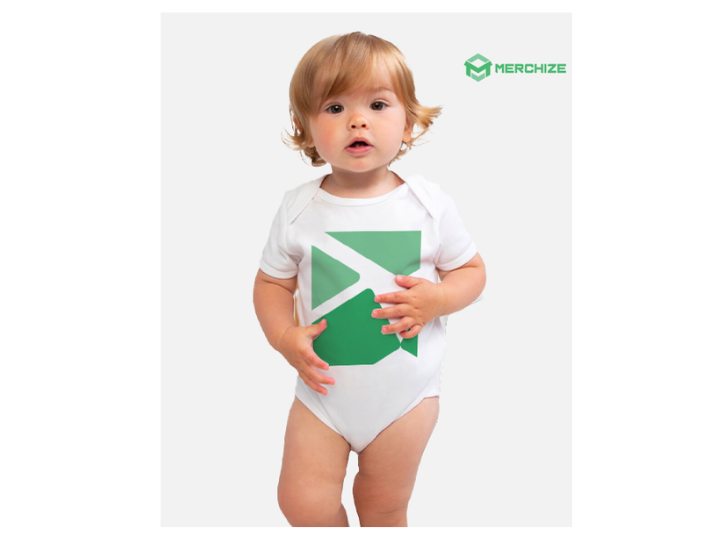
Kids’ apparel, especially baby onesies and cute printed clothing, maintains stable demand due to gift-giving occasions such as birthdays and full-month celebrations, along with the high frequency of outfit changes for young children. This consistent demand creates a market with steady purchasing power year-round.
In terms of products, designs like cute quotes, animal themes, and family matching are easy to execute, especially when combined with the print-on-demand model, which helps keep production costs low. At the same time, the emotional appeal allows for higher pricing, improving profit margins. This segment becomes even more effective when offering parent-and-kid matching sets or personalized items with the child’s name.
11. Throw blankets & fleece blankets
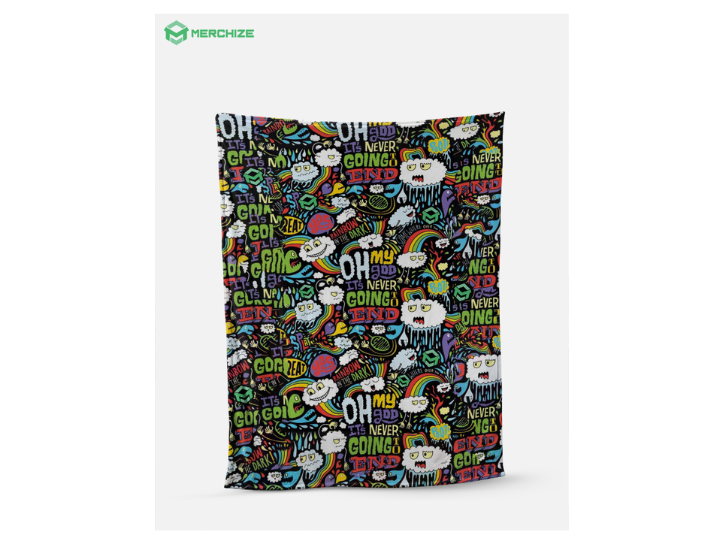
Throw and fleece blankets are high-ticket items in the home decor niche, offering strong profit margins. Customers are willing to pay premium prices for comfort, especially for personalized blankets.
The market is growing steadily, with throw blankets benefiting from the “cozy home” trend among Gen X and Millennials.
With retail prices of $50–$80 and POD costs around $25–$35, this category can deliver up to 50% profit per order, making it ideal for gifts like Mother’s Day, Christmas, or housewarming.
12. Notebooks & journals
Despite the growth of digital technology, the traditional notebook market continues to perform strongly, with a CAGR of 7.38%. Beyond basic note-taking, notebooks and journals are also used for mental health tracking and bullet journaling—trends that are especially popular among Gen Z and Millennials.
The key advantage of this category is its low production cost and strong upsell potential. Personalized designs such as “Daily Planner 2026” or name-printed journals tend to achieve higher conversion rates.
In particular, when combined with back-to-school trends in July and August, this category can generate stable cash flow for your store.

13. Custom jewelry
Personalized jewelry is a true “goldmine” in the print-on-demand industry, with its compact size helping optimize storage and shipping costs. Name necklaces and engraved bracelets are consistently top sellers during occasions like Valentine’s Day and Mother’s Day.
The value of jewelry lies in the emotion and message it carries, often paired with message cards. A product set that includes a necklace and a gift box may cost around $10–$15 to produce but can be sold for $40–$60 due to its strong emotional appeal.

How to determine the most profitable products to sell online
Identifying truly profitable products depends on your specific situation, and the following steps can help you choose the right ones.
Step 1: Research market demand & competition
Use Google Trends and search volume data from eCommerce platforms (Amazon, Etsy, Reddit, etc.) to identify which products are selling well.
Step 2: Calculate real profit margins
Most beginners only calculate product costs and overlook everything else. Here’s a specific example to help you understand the total costs involved and the profit you can expect.
- Product cost: $12
- Shipping: $4
- Payment processing (3%): $0.90
- Marketing (20% of sales): $6
- Returns/replacements (5%): $1.50
- Platform fees (if applicable): $2
- Total costs: $26.40
- Selling price: $45
- Actual profit: $18.60
- Actual margin: 41%
Step 3: Test with minimal investment
Never go all-in on unproven products—test with 3–5 designs, spend $100–150 on ads, validate performance through CTR, add-to-cart, and conversion rates, then scale winners and drop losers within 2–3 weeks or after 100–150 visitors.
Step 4: Identify your niche & target audience
“Everyone” is not a target market. Profitable sellers niche down by aligning product, niche, and audience—for example, t-shirts for dog moms. This reduces competition, increases conversion, and improves margins, especially when you target specific communities and real needs instead of saturated markets.
Step 5: Validate before scaling
You’ve found a winner when you reach 25–50 sales with a 1.5%+ conversion rate, maintain 4+ star reviews, keep returns under 5%, and still hold solid margins after all costs.
At that point, scale by expanding variants, increasing ad spend gradually, optimizing product pages, and building a repeat customer base.
Avoid scaling if returns rise, reviews turn negative, conversion drops, margins shrink, or the trend starts to decline.
FAQs
1. What are the most profitable print on demand products in 2025?
Hoodies, oversized tees, tote bags, and wall art currently offer the best combination of margin and demand.
2. How much profit can you realistically make selling t-shirts online?
Profit typically ranges from $5 to $15 per shirt, depending on pricing, niche, and marketing costs. Sellers who target specific audiences and optimize their designs can achieve higher margins, especially when scaling winning products.
3. Should I sell on Etsy, Shopify, or Amazon?
It depends on your goal. Etsy is ideal for beginners and niche products with built-in traffic. Shopify offers full control and better long-term branding. Amazon provides a massive reach but comes with higher competition and stricter requirements. Many sellers start with Etsy and expand to Shopify once they validate their products.
4. How do I find winning niches for profitable products?
Start with communities you understand, identify their problems or interests, and validate demand through search trends or marketplaces. Focus on specific audiences instead of broad markets, then test multiple ideas quickly and scale the ones that show strong conversion and engagement.