
Contents
In an increasingly crowded POD market, relying on familiar products like T-shirts, mugs, or phone cases often pushes sellers into price-driven competition. Instead of following that well-worn path, you can turn to non-traditional print on demand products—items that stand out, face less competition, and offer strong creative differentiation creating a sustainable competitive advantage in 2026.
In this article, we’ll explore why these non-traditional POD products are gaining traction and how you can leverage them to grow your store.
Is non-traditional print on demand products really profitable?
Non-traditional print on demand products often get attention because they look different and attention is a powerful advantage in a saturated POD market. However, attention alone doesn’t create profit. What makes these products truly profitable is not how “strange” or unique they appear, but how well they are positioned, priced, and executed.
The real strength of non-traditional POD products lies in their ability to escape head-to-head competition. When you sell something buyers don’t see everywhere, you’re no longer forced to win on price. Instead, you compete on relevance and perceived value, which is where margins are built.
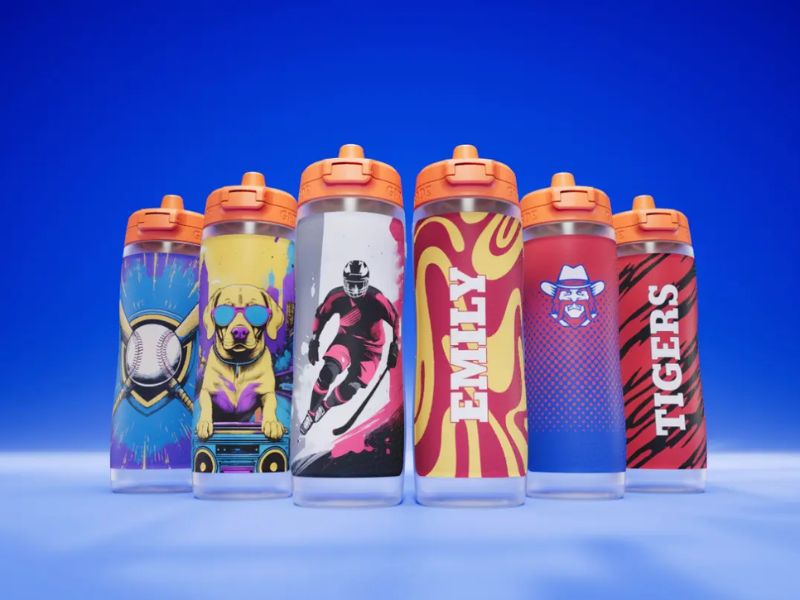
That said, profitable POD products (traditional or not) tend to follow the same underlying principles:
- They solve a clear demand within a defined niche. Non-traditional items perform best when they align with specific interests, identities, or lifestyle communities. These audiences may be smaller than mass markets, but they convert better and are far more willing to pay for products that feel “made for them”.
- They allow enough pricing flexibility to absorb real-world costs. Production, shipping, platform fees, and advertising add up quickly. Non-traditional products often shine here because their perceived uniqueness supports higher price points, making a 25–40% net margin more achievable than with overused items.
- They leave room for strong creative execution. In print on demand, design is the product. The same base item can either struggle or scale depending on how clearly the design communicates value to the target audience. This is where non-traditional products give sellers an edge: fewer competitors means your design carries more weight.
A product can feel innovative yet still fail if demand is too narrow or costs eat away the margin. But the opposite is also true. Even simple items can be profitable when positioned correctly. The difference is that non-traditional print on demand products give sellers more control (over pricing, branding, and differentiation) which is exactly why they represent such a strong opportunity in today’s POD landscape.
Read more: Top print on demand products to sell in 2026
20 high-profit non-traditional print on demand products worth selling
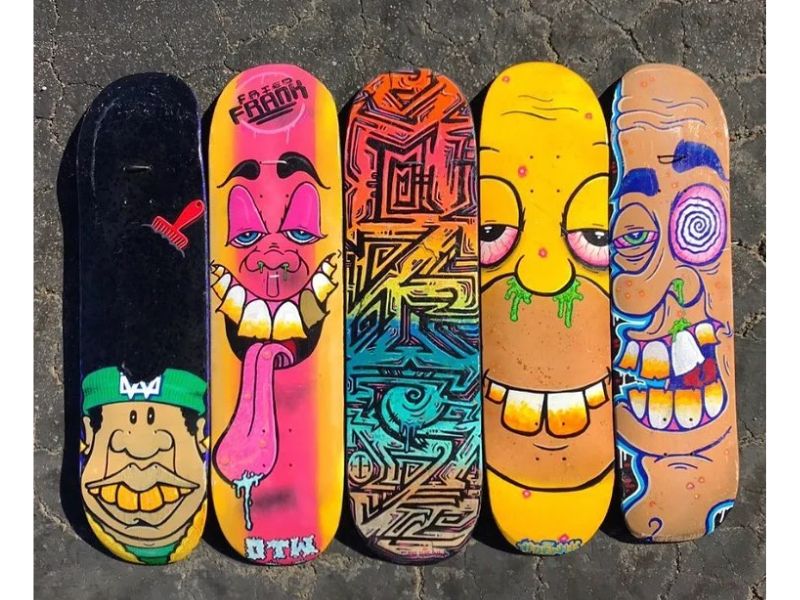
1. Custom skateboards
Nowadays, buyers often see skateboard decks as collectible objects or display pieces. This opens the door for bold artwork, artist collaborations, and limited-edition drops, all of which support premium pricing.
In 2026, demand remains steady thanks to Gen Z consumers and the continued influence of skate-inspired fashion. While major brands dominate mass production, there’s growing space online for niche, design-driven decks that feel exclusive or personal. For POD sellers, this means less price pressure and more freedom to sell on concept, story, and aesthetics rather than discounts.
From a fulfillment perspective, skateboard decks are also well-suited for print-on-demand-style production: flat surfaces, strong visual impact, and high perceived value per unit.
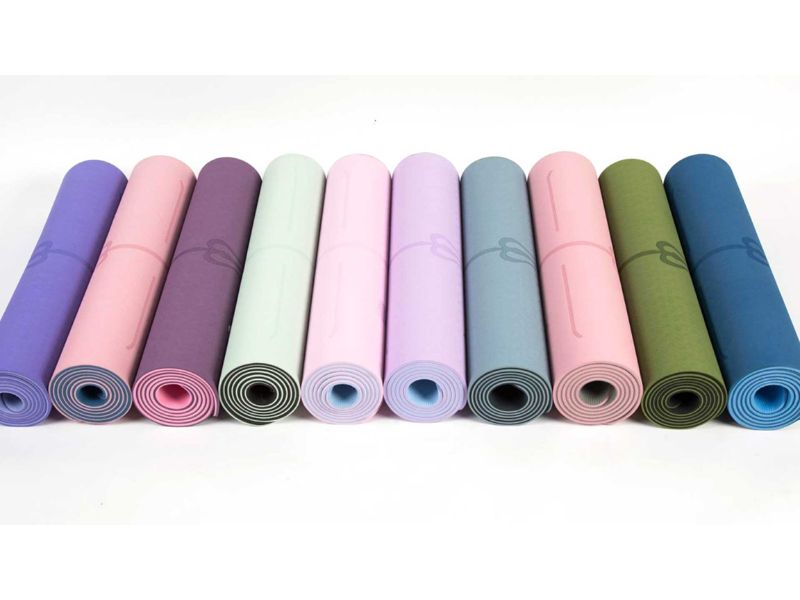
2. Custom yoga mats
The global wellness and fitness market always expands, and yoga mats remain a core product for anyone practicing yoga, Pilates, or meditation. What makes custom yoga mats attractive for POD sellers is how naturally personalization fits into buyer expectations.
Unlike generic fitness gear, yoga mats tie to daily routines, mindset, and identity. Designs inspired by calmness, spirituality, or nature surely enhance the user experience. This emotional connection makes buyers more willing to pay premium prices.
You can completely target specific segments such as yoga studios, instructors, eco-conscious consumers, or mindfulness-focused communities. Because yoga mats are frequently perceived as high-end accessories, they offer healthier profit margins. When paired with thoughtful design and clear niche targeting, they become a scalable product.
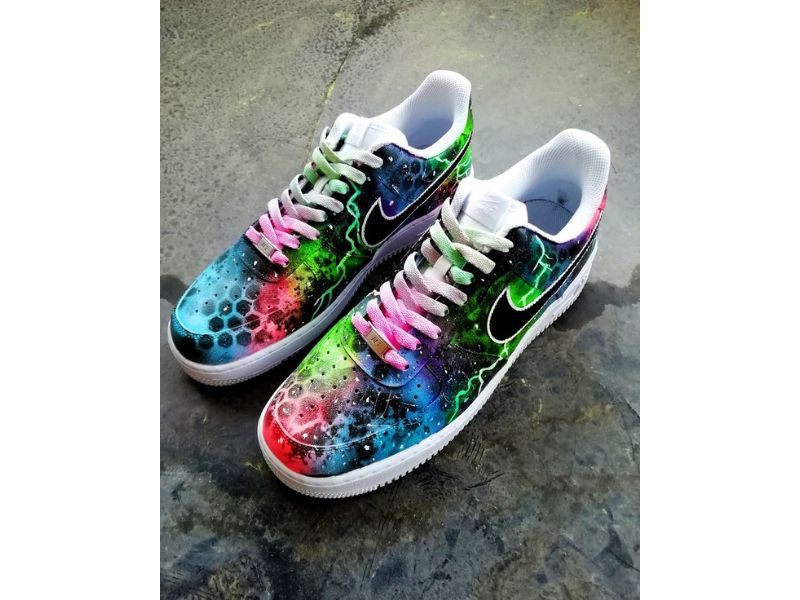
3. Personalized sneakers
Sneakers are no longer just footwear, so offering personalized sneakers allows sellers to tap directly into individuality and trend-driven fashion behavior.
What makes sneakers especially powerful for POD-style selling is their compatibility with social media marketing. Bold designs, unique colorways, or artist-inspired graphics perform exceptionally well on platforms like Instagram and TikTok.
Because sneakers carry high perceived value, sellers have more flexibility with pricing. This makes it easier to absorb production and marketing costs while maintaining strong margins.
Some customization strategies that convert:
-
Artwork-driven designs: Abstract art, graffiti-inspired visuals, or clean minimalist graphics
-
Personal details: Names, initials, or short phrases to create one-of-a-kind products
-
Limited editions: Artist collaborations or time-limited drops to increase urgency
4. Personalized pet accessories
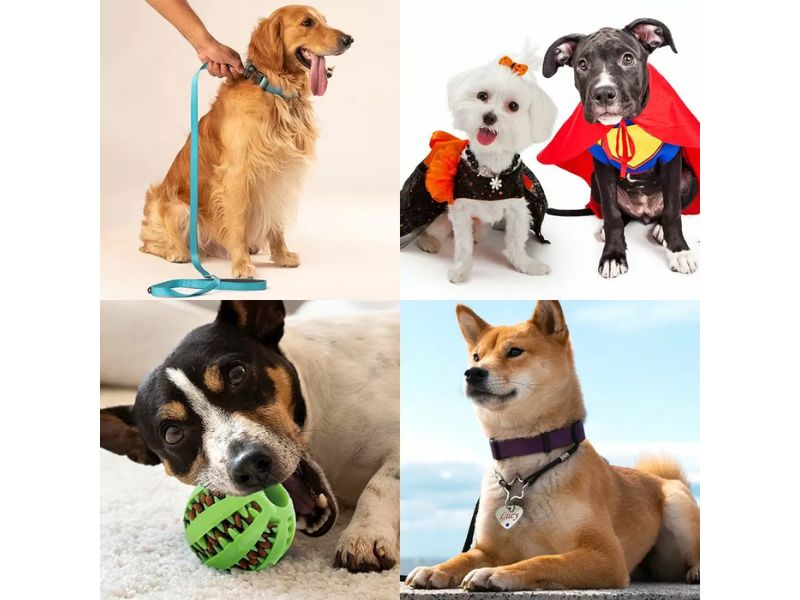
The pet industry continues to grow aggressively as pet owners increasingly treat their animals like family members. This emotional bond makes pet-related products especially attractive for POD sellers.
Pet accessories such as beds, bowls, bandanas, or collars tap directly into owners’ desire to celebrate their pets’ identity. Adding a pet’s name, nickname, or even breed-specific designs transforms everyday items into meaningful, gift-worthy products.
From a seller’s perspective, pet accessories are ideal for non-traditional POD because they combine utility with customization. They’re purchased both for daily use and as gifts, which expands demand beyond a single buying occasion.
Compared to mass-produced pet items, custom-designed accessories feel premium and intentional and creates higher average order value and a more brand-driven shopping experience.
5. Custom wall art
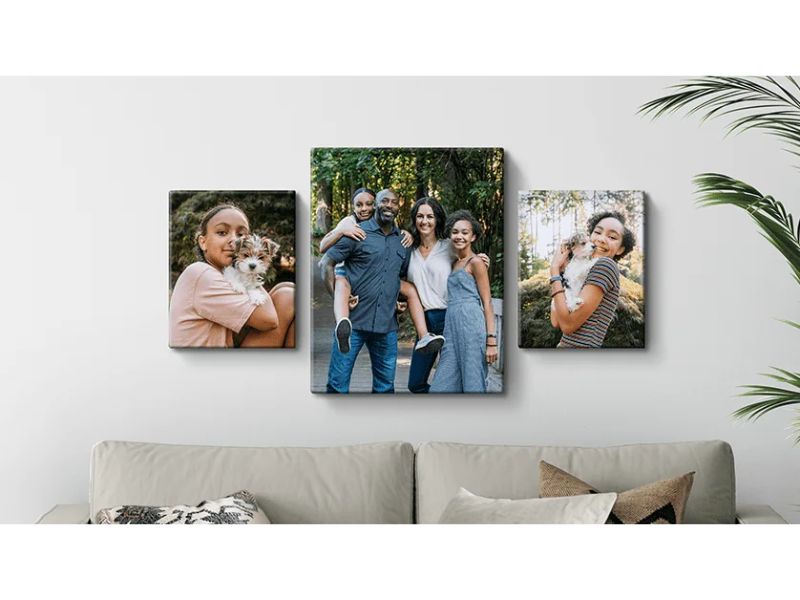
Wall art is always a strategic category for POD sellers. Unlike wearable items that depend on sizing, fit, or personal comfort, wall art removes most friction from the buying decision. Because customers choose based on taste and emotion.
Another advantage of custom wall art is its adaptability across niches. The same production setup can serve home office buyers, renters decorating small spaces, gift shoppers, or even businesses looking to personalize interiors.
For marketing, wall art is one of the easiest products to validate. Designs can be tested quickly through social ads, visual marketplaces, or organic content, and underperforming styles can be retired without sunk costs. Successful designs, on the other hand, can be expanded into collections, size variations, or different materials.
Also read: Wall Art Trends 2026: 8 Best-Selling Ideas for POD Sellers
6. Personalized stationery
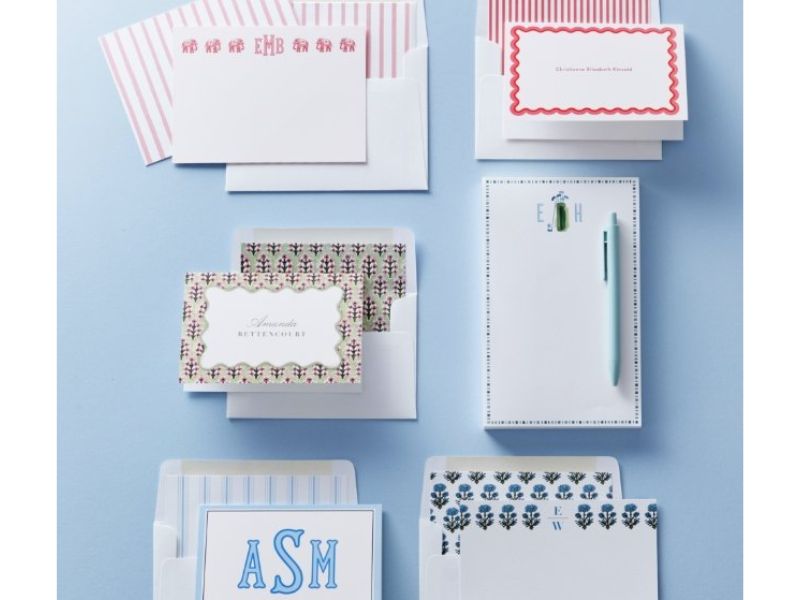
Personalized stationery is one of the easiest product categories for POD sellers to enter because it’s built around everyday use. Notebooks, planners, and journals are purchased not only by students and office workers, but also by creatives, freelancers, and people focused on productivity or personal development.
When a notebook features a name, initials, or a meaningful message, it becomes something personal. That sense of ownership makes personalized stationery suitable for daily use while also being highly giftable.
This category truly offers strong long-term value. Stationery products are consumable, which naturally encourages repeat purchases. At the same time, customization is relatively simple, allowing sellers to test multiple niches and design styles without high upfront costs.
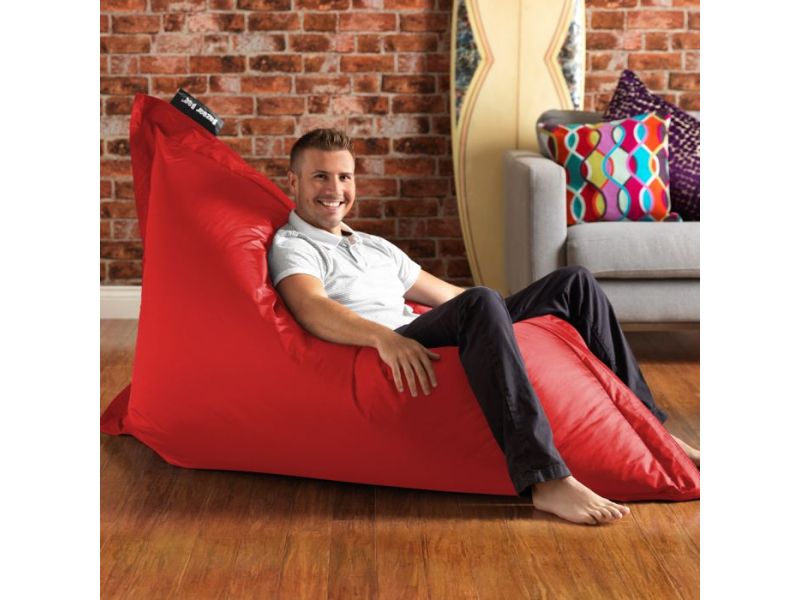
7. Bean bags and floor cushions
Custom furniture items like bean bags and floor cushions are also gaining popularity among younger consumers and home décor enthusiasts looking for comfort. These products sit perfectly within the non-traditional POD space due to their high perceived value and strong visual impact.
Unlike standard furniture, customizable seating allows buyers to align products with their interior themes, personal taste, or family needs. This flexibility makes bean bags and poufs especially appealing for dorm rooms, living spaces, kids’ rooms, and home theaters.
Because these items are larger and more visually dominant, customers are generally willing to pay premium prices for designs that feel unique or made-to-order. For sellers, this translates into healthier margins compared to smaller POD items.
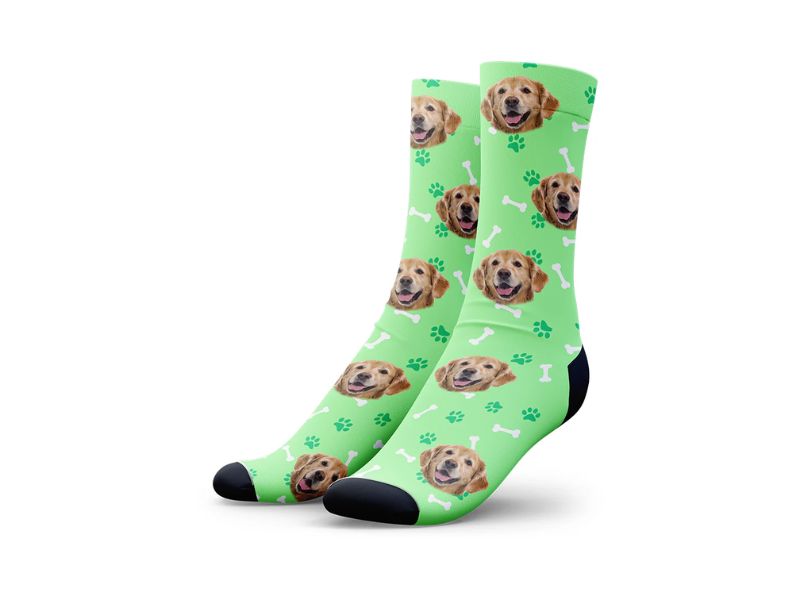
8. Custom socks
Custom socks are one of the most flexible and scalable non-traditional POD products available. They’re worn by all age groups, easy to style, and naturally lend themselves to creative and personalized designs.
With the right designs, socks will become fashion statements, themed collectibles, or playful gifts. This versatility alloưs sellers to market them across multiple contexts (for everyday wear, sports, holidays, or special occasions).
Because socks are affordable and visually engaging, they convert well on social platforms and perform strongly in seasonal campaigns. This makes them an excellent entry product for sellers testing new niches or running high-volume promotions.
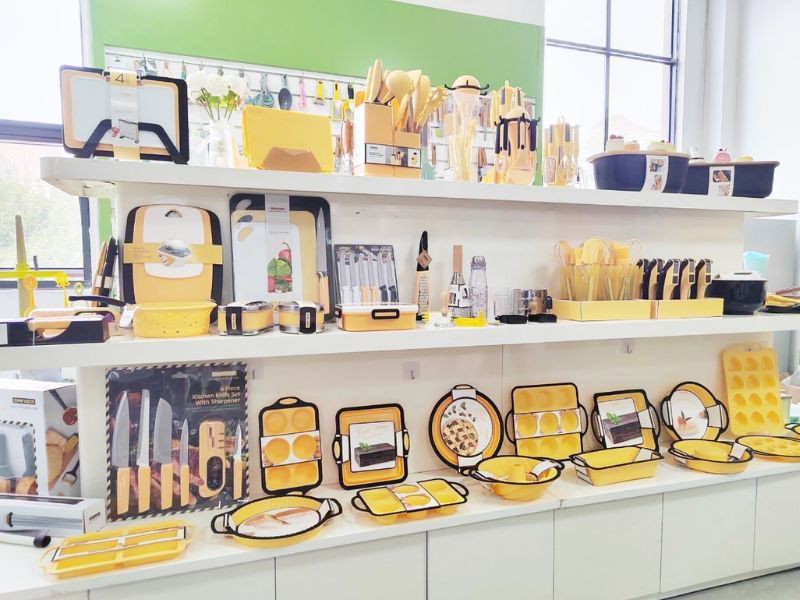
9. Custom kitchenware
Kitchen items such as cutting boards and aprons are highly functional, yet when customized, they gain more emotional value. Additional, they performs particularly well in gift-focused markets. Weddings, housewarmings, holidays, and family celebrations all drive demand for customized cooking accessories.
From a branding perspective, custom kitchenware allows sellers to tap into lifestyle and home décor niches. Designs that balance aesthetics with practicality resonate strongly with food lovers, home cooks, and people who enjoy hosting or decorating their kitchens.
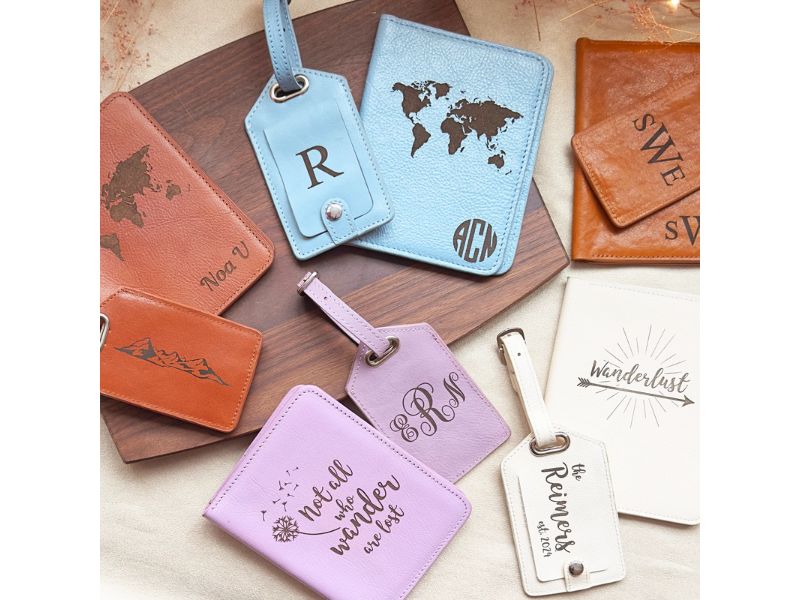
10. Custom travel gear
As travel becomes more accessible, travelers increasingly look for items that feel personal. Therefore, unique designs make luggage easier to spot while also reflecting the traveler’s personality or lifestyle. This dual benefit increases perceived value and supports higher pricing.
For sellers, this category offers strong long-term potential. Travel-related products aren’t tied to short-lived trends and can be marketed year-round with seasonal peaks. Customization further reduces direct competition, allowing sellers to differentiate without competing solely on price.
11. Custom blankets and pillows
Customers don’t buy them casually; they buy them to decorate personal spaces, mark special moments, or give thoughtful gifts. That intent is what makes this category commercially powerful.
For sellers, the biggest advantage lies in positioning. The same base product can be sold as cozy home décor, a personalized family keepsake, or a seasonal gift without changing the supply chain. Life events such as weddings, anniversaries, birthdays, and holidays create recurring demand, giving sellers natural entry points for year-round campaigns.
Moreover, blankets and pillows offer strong margins with manageable complexity. Customization is straightforward, production is reliable, and perceived value is high. This makes premium pricing easier to justify compared to many other POD items.

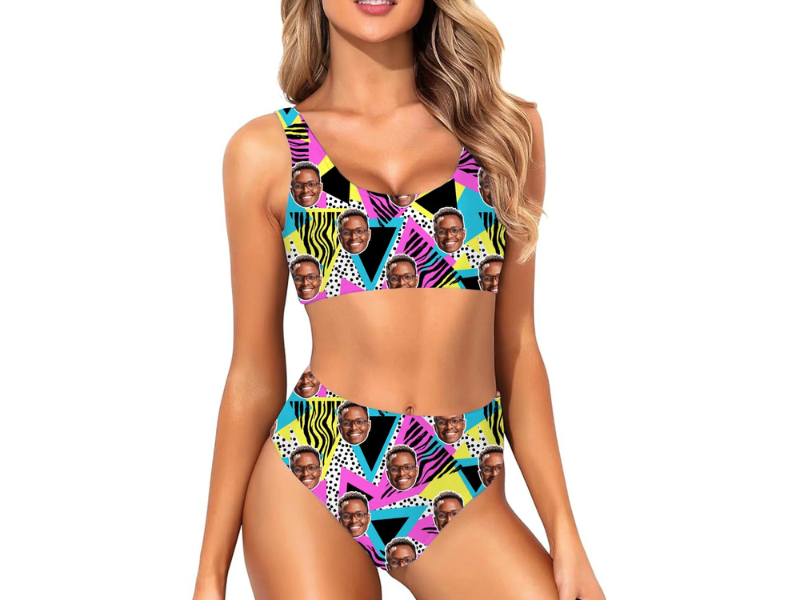
12. Custom swimwear
Custom swimwear allows customers to express personality during vacations, beach outings, or poolside events. And seasonality works in favor of sellers here.
Summer travel, festivals, and group trips naturally increase demand for unique swimwear designs. Custom options give sellers a clear edge over mass-produced pieces by offering individuality and exclusivity.
Swimwear performs especially well on platforms like Instagram and TikTok, where bold patterns and lifestyle content drive engagement. Lightweight materials also keep shipping costs low, improving margins for POD-style fulfillment.
13. Personalized watches
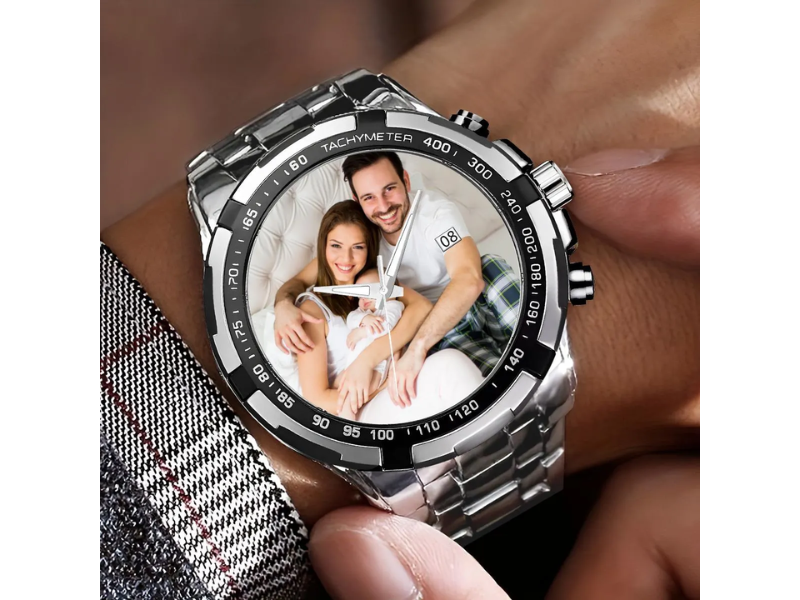
Watches remain one of the most timeless accessories, which makes personalized watches especially powerful in gift-focused markets.
What gives watches a real selling edge is at the small personal details. An engraved name, initials, or a meaningful date instantly transforms a standard watch into a keepsake. For sellers, this means higher perceived value and premium positioning without the need for complicated design.
In addition, watches are extremely versatile. They naturally fit milestone-driven occasions such as birthdays, anniversaries, graduations, and corporate gifting. At the same time, they also appeal to everyday buyers.
Because watches already sit in a higher price bracket, customers are less price-sensitive when personalization is involved. This makes them a strong option for POD sellers looking to increase average order value while targeting multiple audiences.
14. Custom umbrellas
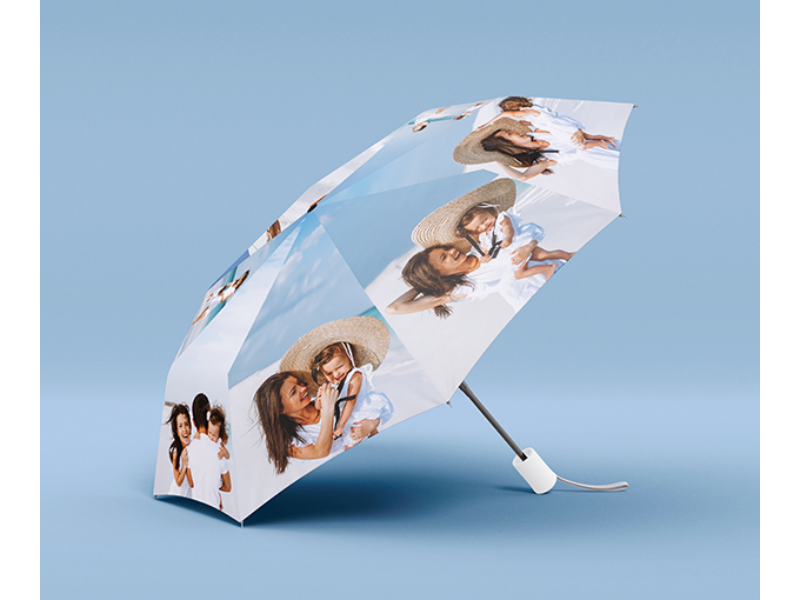
The strength of umbrellas lies in how easy they are to differentiate. With printed patterns, messages, or logos, a basic umbrella becomes a personal accessory or a branded item. This allows sellers to charge more without changing the core product or adding production complexity.
From a market standpoint, umbrellas serve two clear customer groups. Individual buyers want umbrellas that are easy to recognize and feel personal. Businesses and organizations buy branded umbrellas for events, corporate gifts, or promotions.
This combination of real-use demand, high customization potential, and selling flexibility makes custom umbrellas a strong non-traditional POD option.
15. Custom towels
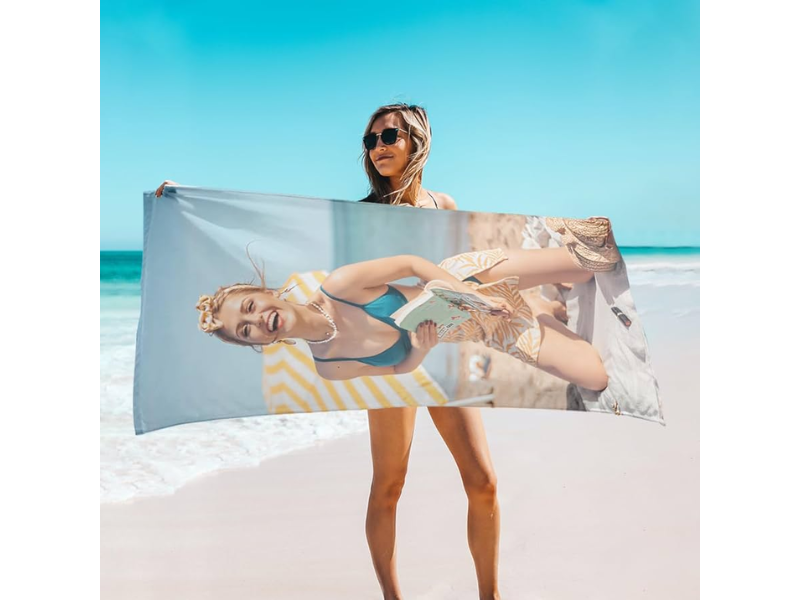
Towels are everyday household essentials, but personalization adds a lifestyle and design dimension that significantly increases perceived value.
What makes towels particularly attractive for sellers is their versatility. The same product category can be positioned across multiple niches: home décor, fitness, travel, hospitality, or gifting. Personalization with names, initials, or bold graphics instantly turns towels into premium items.
Custom towels also work well for repeat and bulk orders, especially when targeting gyms, spas, or wellness studios that require branded accessories.
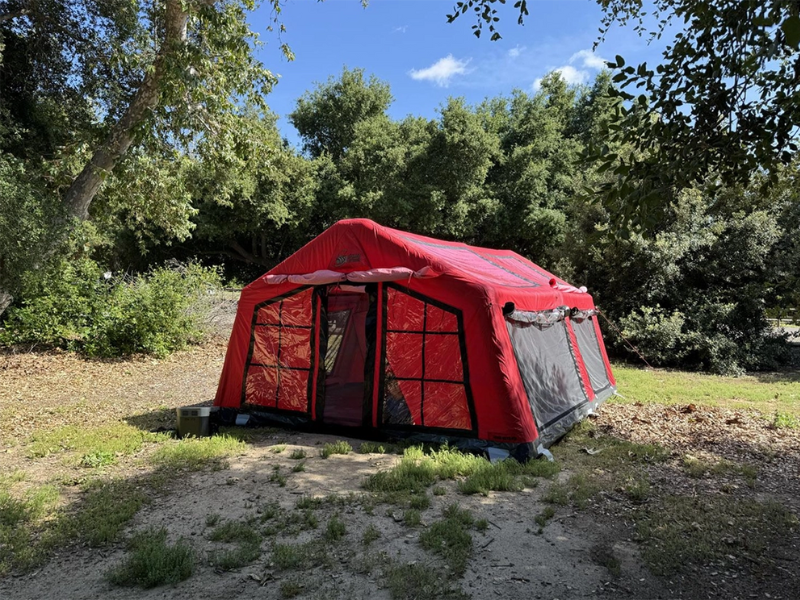
16. Inflatable tents
Inflatable tents represent a high-ticket, non-traditional POD opportunity aimed at adventure-driven and remote-lifestyle consumers. Designed for fast setup and comfort, these tents appeal to campers, photographers, digital nomads, and outdoor enthusiasts who value convenience without sacrificing durability.
What makes inflatable tents especially interesting for sellers is their growing demand. Search interest for terms like “inflatable tent,” “inflatable dome,” and related keywords has increased significantly since 2024, reflecting a shift toward premium outdoor gear that prioritizes ease of use.
Inflatable tents are best suited for sellers experienced with high-ticket products or those targeting niche audiences willing to invest in quality gear. With the right positioning, they offer fewer competitors and higher revenue per order than most traditional POD products.
17. Inflatable playhouses
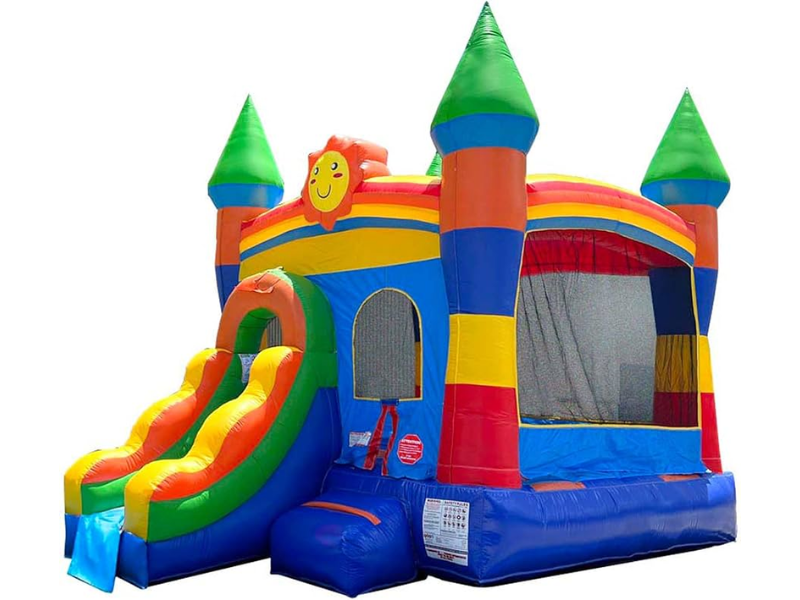
Inflatable playhouses are large, air-filled structures made from thick PVC or Oxford fabric, designed primarily for kids’ entertainment but increasingly used for events, pop-up experiences, and photo zones. Their visual impact is what makes them powerful — bright colors, playful shapes, and large physical presence naturally attract attention.
Market demand for inflatable playhouses has been growing steadily, especially around keywords related to children’s parties and outdoor activities. Parents are actively looking for memorable, reusable entertainment solutions rather than one-time party decorations.
From a seller’s point of view, this category offers an attractive price gap. While supplier prices typically range from $90 to $150 depending on size and material, similar products are commonly listed on Shopify and Etsy for $300–$400. This leaves room for healthy margins, even after accounting for shipping and customer support.
18. Custom-branded beverages
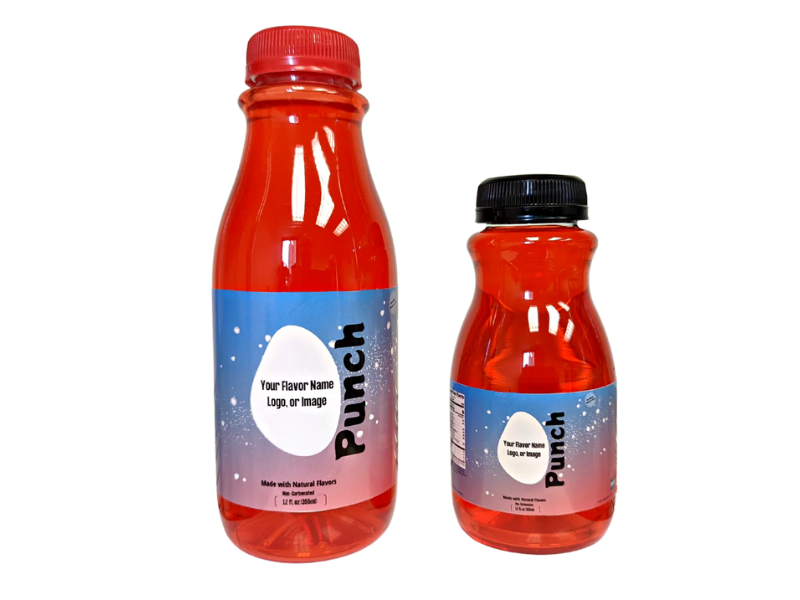
Custom-branded beverages are an emerging form of print-on-demand applied to consumables. In this model, the drink itself is produced by a supplier, while the branding, packaging, and design are customized on demand. This allows creators, small brands, and event organizers to launch signature drinks without operating a full beverage production line.
Early market signals are promising. Search interest for terms like “custom energy drink” and “private label beverage” has continously risen, driven largely by influencer marketing, brand collaborations, and event-based consumption.
Wholesale prices typically start around $1–$2 per can, depending on ingredients and packaging. Custom-branded cans often retail between $3 and $6, with limited editions or collaborations commanding even higher prices.
19. Custom lunch backpacks
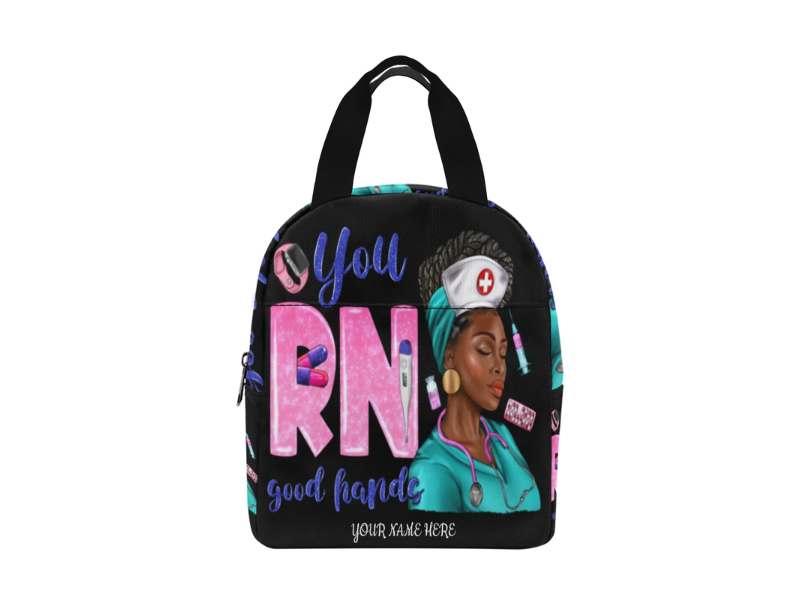
Custom lunch backpacks combine insulated food storage with the convenience of a backpack, targeting people who carry meals, drinks, and daily essentials in one bag. They appeal to office workers, students, parents, and outdoor enthusiasts alike.
Basic models are widely available from suppliers at $10–$18 per unit. Customized versions typically retail for $30–$50, leaving room for solid margins when positioned correctly. With the right audience targeting, lunch backpacks can remain a consistent, long-term seller.
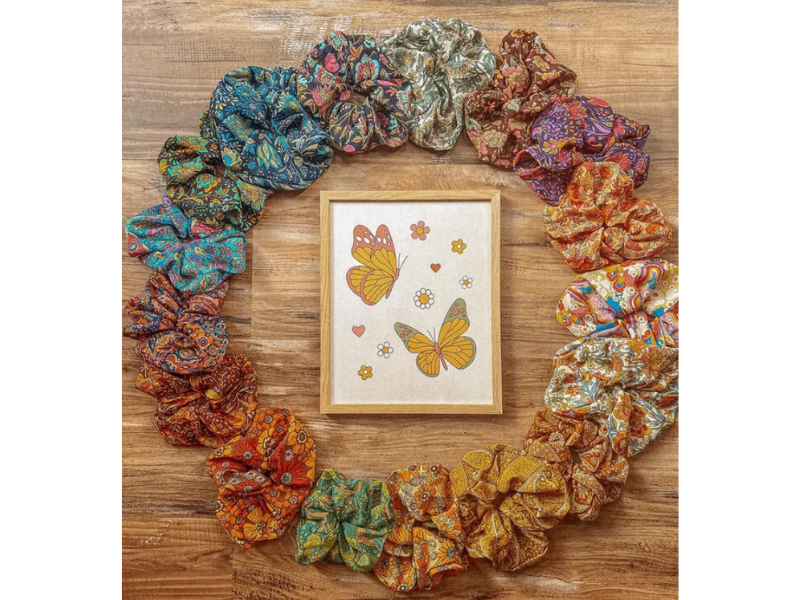
20. Recycled scrunchies
Recycled scrunchies are hair accessories made from sustainable materials such as recycled polyester, organic cotton, or leftover fabric from garment factories. Functionally, they’re no different from standard scrunchies, but their value lies in the story behind the product.
Search interest for eco-friendly hair accessories surged, reflecting a broader shift toward sustainability in fashion and accessories.
With production costs around $1 per unit and retail prices ranging from $5 to $10, recycled scrunchies offer excellent margins, especially for small or brand-focused sellers.
FAQs
1. Do custom umbrellas sell year-round or only in rainy seasons?
They sell year-round. Rainy seasons boost demand, but umbrellas are also purchased for travel, corporate gifts, and promotional events.
2. Do non-traditional POD products work well for beginners?
Yes, especially for sellers who want to avoid crowded apparel markets. Many non-traditional products are simple to customize and don’t require complex design skills.
3. Can these products be sold year-round?
Most non-traditional POD products are evergreen and not tied to a single season, which helps maintain consistent sales throughout the year.


