
Contents
Starting an online business doesn’t necessarily require a groundbreaking idea. Sometimes, the hardest part is simply finding the right product to sell – one that’s in demand, fits your budget, and has enough profit potential. From apparel, home decor, and accessories to personalized gifts, there are plenty of products to choose from. But instead of chasing every trending product, it’s crucial to find one that fits your market, niche, and capabilities.
In this article, we’ll explore 15 things to sell to make money in 2026 and the criteria to help you choose a worthwhile product to start with.
There’s no single formula for an “easy-to-sell" or “high-profit" product. A potentially successful product idea often lies at the intersection of market demand, a specific customer group, the ability to differentiate it, and business costs. Below are 15 product categories worth considering if you’re looking for ideas to start selling online in 2026.
Clothing & Apparel

Clothing has always been one of the most popular product categories in e-commerce due to consistent demand and a wide range of customer segments. Beyond basic items like T-shirts, hoodies, and dresses, sellers can focus on specific niches such as sports, hobbies, professions, pets, family, or lifestyle.
The key isn’t to sell as many different clothing styles as possible, but to find a customer group with clear needs and tastes. A specific niche also helps sellers build brand identity and develop related products.
Suitable for: Fashion brands, niche stores, and sellers looking to build product collections.
Beauty & Personal Care Products
Beauty and personal care is a large category with many recurring needs, from skincare and haircare to personal care accessories. It’s also a product group with many opportunities for sellers to differentiate themselves through niche, ingredients, product positioning, or brand story.
However, this field has higher demands regarding quality, sourcing, product safety, and regulatory compliance. Therefore, beginners should thoroughly research the market and related requirements before choosing products.
Suitable for: Sellers capable of sourcing and building niche-focused brands.
Home Decor

Home decor offers a wide range of choices, from wall art, pillows, blankets, and candles to decorative signs, ornaments, and other accessories. Buyers are not only looking for functional products but also want them to match their style and living space.
Niche styles such as minimalist, farmhouse, boho, personalized home decor, or seasonal decor help sellers avoid direct competition with overly generic products.
Suitable for: Lifestyle brands, design-focused sellers, and niche stores.
Jewelry & Accessories
Jewelry and accessories have the advantage of being small in size, easy to combine with many styles, and especially suitable for gifting. Products such as necklaces, bracelets, earrings, rings, bags, or hair accessories can be developed in many different niches.
Personalization is also a worthwhile area to explore, such as initials, names, birth-related designs, or meaningful symbols. With this product group, perceived value and brand presentation can significantly influence pricing.
Suitable for: Fashion, gifting, personalized, and identity-based niches.
Personalized Gifts
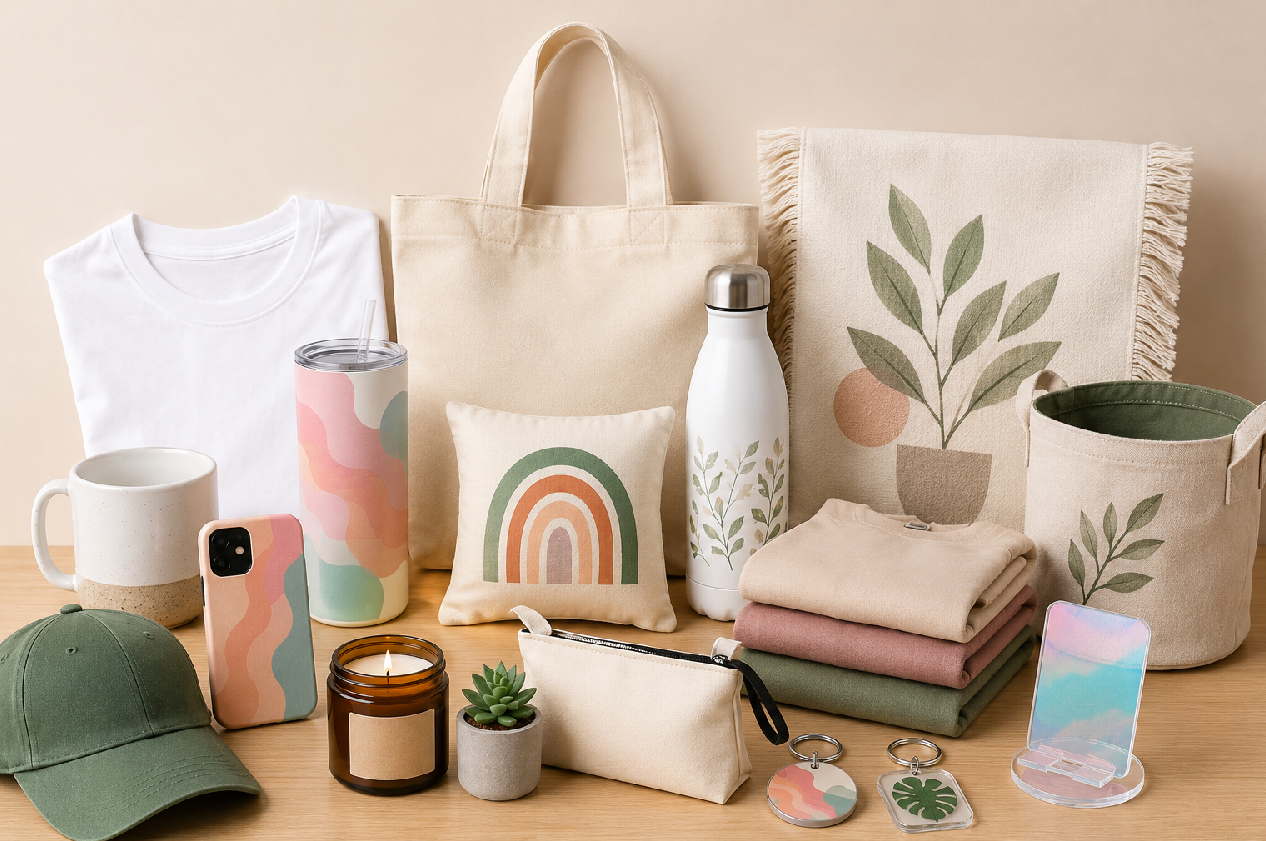
Personalized gifts have an advantage because buyers often search for them for a specific occasion or recipient. Instead of just buying an item, they are looking for a product with special meaning for birthdays, weddings, anniversaries, graduations, or holidays.
Sellers can personalize products with names, images, dates, or personalized messages. This category can also be combined with many other product groups such as apparel, drinkware, jewelry, home decor, and accessories.
Suitable for: Beginners, gifting businesses, and sellers targeting occasion-based niches.
Pet Products
Pets are increasingly seen as part of the family, opening up many opportunities for pet products and pet owners. The broader global pet care market continues to grow, highlighting the size and potential of the overall pet market.
Sellers don’t necessarily need to compete in the entire pet market. Micro-niches such as dog breeds, cat breeds, pet parents, pet gifts, or matching products for pets and owners can help products reach a more specific audience.
Suitable for: Niche stores, personalized brands, and sellers who favor pet-related markets.
Health & Wellness Products
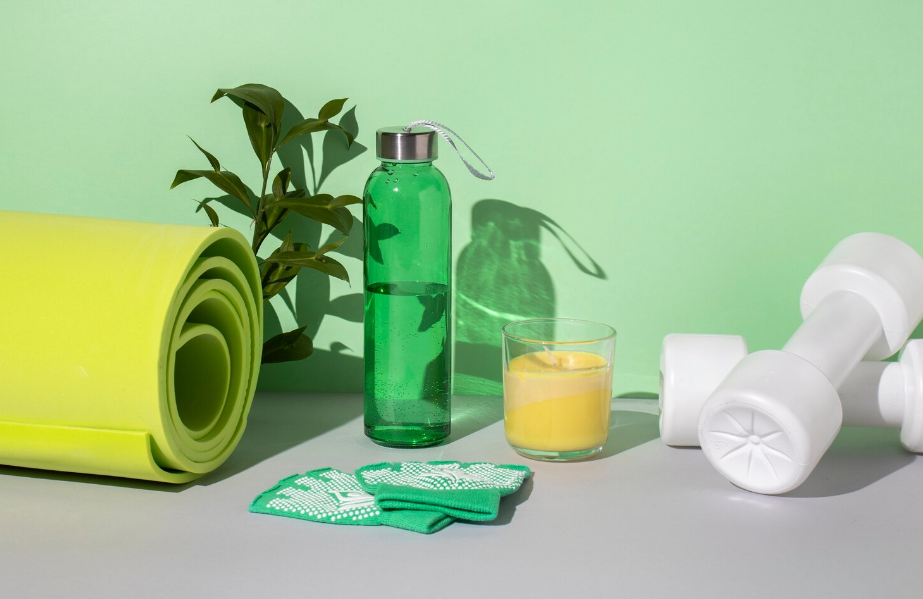
Health and wellness encompasses various product categories such as fitness accessories, yoga products, wellness journals, self-care products, and other lifestyle items. This is a broad market, but it requires sellers to pay special attention to product quality and health-related claims.
Instead of targeting “everyone interested in wellness,” sellers can narrow their audience to yoga enthusiasts, runners, gym-goers, wellness-focused professionals, or people interested in self-care.
Suitable for: Fitness, lifestyle, and wellness-focused brands.
Kids & Baby Products
Kids & baby products can include clothing, toys, accessories, nursery decor, and products for milestones such as birthdays, baby showers, and newborn announcements.
This category is also suitable for gifting and personalization. Concepts like matching family outfits, personalized baby gifts, or themed nursery products can help sellers create product collections instead of just selling individual items.
Suitable for: Family brands, gifting businesses, and sellers leveraging personalization.
Food & Beverage Products
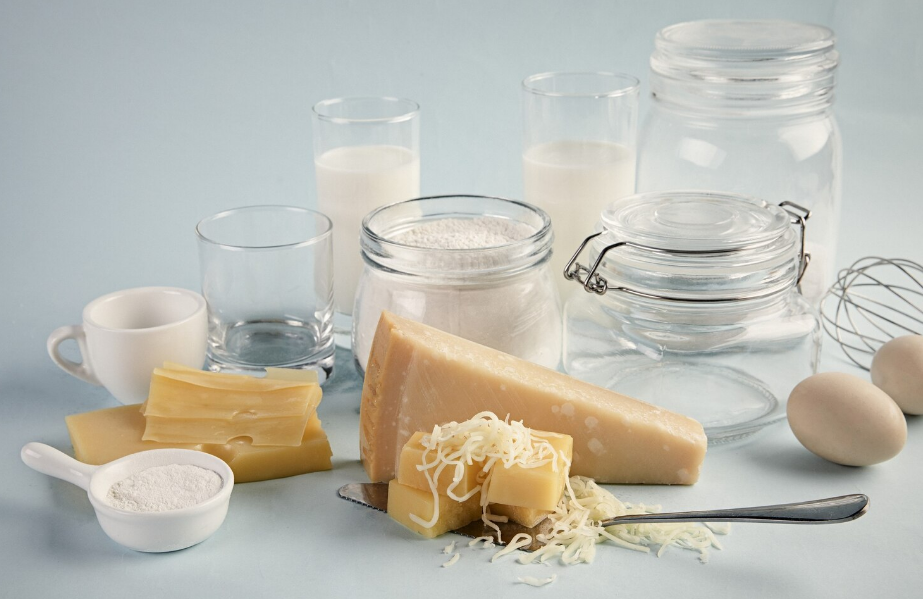
Food and beverage is a product category with consistent demand and numerous niche opportunities, ranging from specialty foods, snacks, and beverages to coffee, tea, or baking-related products.
However, this category isn’t easy to start in every market due to potential issues related to food safety, labeling, shelf life, shipping, and local regulations. Beginners should carefully review legal and operational requirements before making a choice.
Suitable for: Sellers with experience in sourcing, production, and food-related operations.
Digital Products
Digital products are an attractive option for those looking to start low-cost because they don’t require warehousing or shipping. Products that can be sold include templates, planners, printables, ebooks, online resources, and design assets.
The biggest advantage is that a product can be sold multiple times without incurring production costs per order. However, the low barrier to entry also means high competition, so niche selection and product quality remain crucial.
Suitable for: Creators, designers, educators, and beginners with digital skills.
Handmade Products
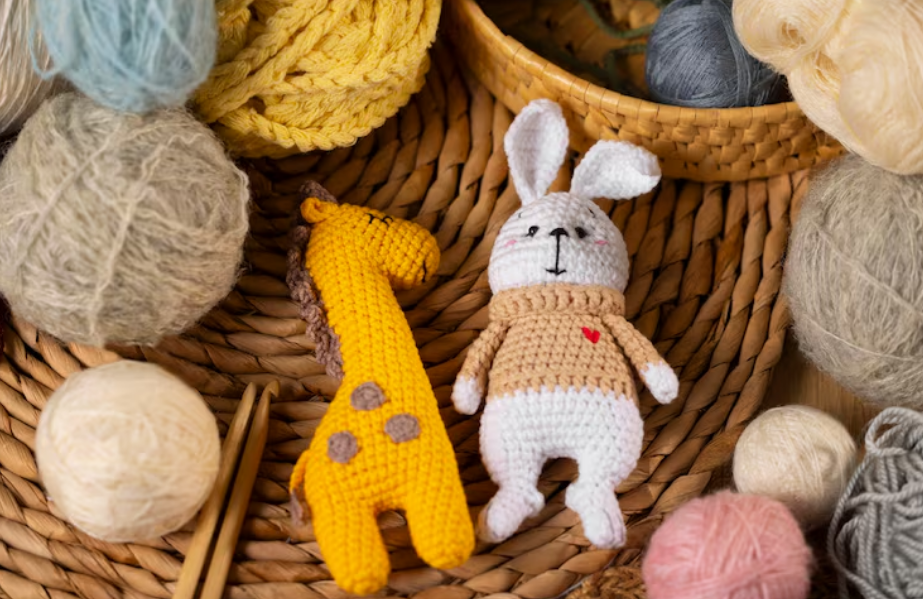
If you have crafting skills, handmade products can help sellers create unique items that are difficult to replicate and build a clear brand story. Popular choices include candles, soaps, crochet, pottery, handmade jewelry, and artwork.
The drawback is that production often depends heavily on the seller’s time and skill. Therefore, handmade products can offer good profit margins but aren’t always easy to scale.
Suitable for: Creators, artists, and sellers with production skills.
Vintage & Secondhand Products
Selling vintage and secondhand products is another option for those with sourcing skills and the ability to identify valuable items. Clothing, accessories, books, collectibles, furniture, and vintage home decor can all be resale items.
This model has the advantage that each product can be highly unique, but the supply is unstable, and scaling depends heavily on finding suitable inventory.
Suitable for: Resellers, collectors, and sellers with sourcing skills.
Craft & Hobby Supplies
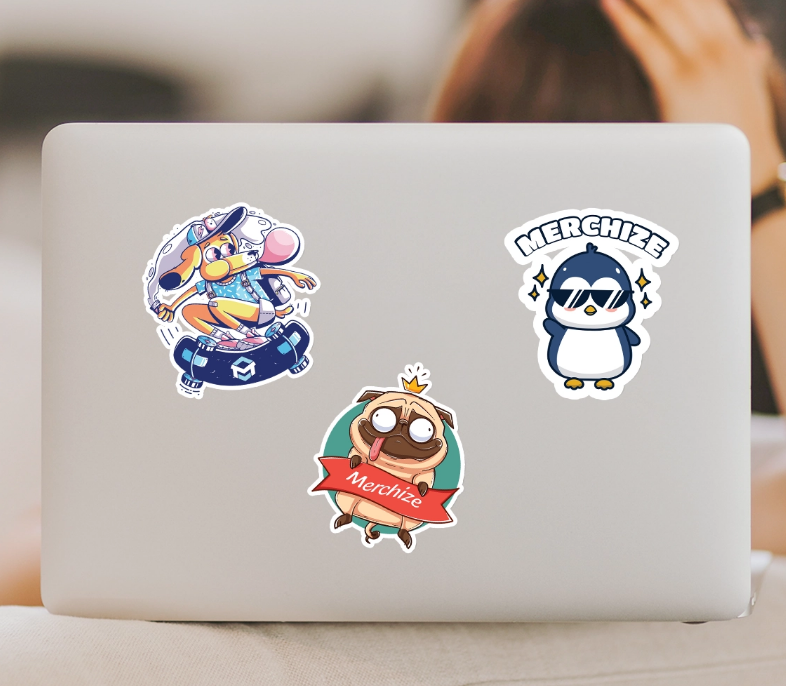
You can sell more than finished products. Products for crafting and hobbies, such as beads, fabrics, stickers, printable materials, tools, or DIY kits, can also become business opportunities.
This category’s strength is that customers often buy products to support a specific hobby. Therefore, sellers can build their store around a community instead of trying to serve the mass market.
Suitable for: Niche-focused sellers, crafters, and hobby communities.
Seasonal Products
Seasonal products can generate surges in demand around occasions like Halloween, Christmas, Valentine’s Day, Mother’s Day, Father’s Day, graduation, and back-to-school.
The advantage of this group is that sellers can capitalize on existing needs instead of creating an entirely new use case. However, timing is crucial: trend research, product preparation, and launching early enough allow time for testing before the peak season begins.
Suitable for: Trend-driven sellers, gift businesses, and sellers capable of frequent product updates.
Subscription Boxes & Curated Products

Subscription boxes allow sellers to combine multiple products into a specific experience or theme, such as beauty boxes, snack boxes, book boxes, hobby kits, or pet boxes.
This model can generate recurring revenue and increase customer lifetime value if sellers build a sufficiently compelling product experience. However, inventory management, packaging, and fulfillment are more complex than selling a single product.
Suitable for: Sellers capable of sourcing, curating, and managing fulfillment.
Not every product category is suitable for every business model. Some require inventory, specialized equipment, or more complex sourcing and fulfillment. If you’re looking for a lower-inventory way to test physical product ideas, print on demand is one option worth considering.
How to Choose a Profitable Product to Sell
Finding a product to sell is easy. Finding one that’s actually worth selling is harder. A product can be popular and still be difficult to profit from. Before committing to an idea, look at these five factors.
Look for Demand
Start with a simple question: Are people actually looking for this product?
You don’t need to find the next viral product. In many cases, a product with steady demand is a better starting point than something that’s hot for a few weeks and then disappears.
A few easy ways to check demand include:
- Google Trends
- Google search results and related searches
- Etsy, Amazon, and other marketplaces
- Social media
- Competitor listings and customer reviews
But don’t stop at the number of searches. A huge market can also mean huge competition. Instead, look for a group of buyers with a clear interest or need that you can serve.
Check the Competition
Seeing hundreds or thousands of sellers offering the same type of product might seem like a reason to walk away. It isn’t always.
Competition can actually tell you that people are already spending money in that market. The real question is: Can you offer something different?
Take some time to look at competing products and ask:
- What are they selling?
- How much are they charging?
- What designs or features show up again and again?
- What do customers like or dislike in the reviews?
- Is there an audience that isn’t being served well?
For example, “dog T-shirts” is a huge and crowded market. But funny T-shirts for Dachshund owners gives you a much clearer audience to design for and market to.
You don’t always need less competition. Sometimes you just need a better angle.
Make Sure the Numbers Work
A product can sell well and still make very little money.
Before you launch, work out what you’ll actually keep after covering the costs:
Selling Price – Product Cost – Shipping – Platform Fees – Marketing Cost = Estimated Profit
For example, selling a product for $25 sounds great until you realize that $20 goes toward fulfillment, fees, shipping, and marketing. That leaves you with just $5 before accounting for things like discounts or returns.
This is also where perceived value comes in. A personalized product that solves a specific problem, or speaks directly to a niche, can often command a better price than a generic alternative.
Think About What It Takes to Get Started
Not every profitable product is beginner-friendly.
Some products require you to buy inventory in bulk, rent storage space, purchase equipment, or spend a lot of time making and packing each order. If you’re testing an idea for the first time, that can be a lot of risk.
Before getting started, think about:
- How much inventory you need
- Whether you need special equipment
- Where you’ll store your products
- How you’ll handle packaging and shipping
- How long production takes
- What happens when a customer wants a replacement or refund
If you want to test an idea without putting a lot of money into inventory upfront, models such as digital products, dropshipping, or print on demand can be worth considering.
Ask Yourself: Can I Grow From This Product?
Getting your first sale is great. But what happens after that?
Ideally, your first product should give you room to sell more to the same audience.
For example, imagine you’ve found a niche of dog owners who respond well to your designs. You could start with a T-shirt and later add:
T-shirt → Hoodie → Mug → Tote Bag → Pet Accessories → Home Decor
Now you’re not starting from zero every time you launch a new product. You already know who your customers are and what they like.
That’s why choosing a niche can be just as important as choosing the product itself. A good niche gives you more than one product idea; it gives you a customer base you can build on.
How to Make Money With Print on Demand
Print-on-demand (POD) is a flexible way to start selling physical products online without needing to stock a large inventory. You create the product, list it for sale, and it’s only produced when a customer places an order.
However, POD isn’t just about uploading a few designs and waiting for orders to make money. You still need to understand your customers, create products they truly want to buy, and find ways to get those products in front of the right people.
Start With a Niche You Understand
Many beginners often start by choosing a product they like, then look at who might buy it. The opposite approach is often more effective: think about who you want to sell to first.
A niche can be built around hobbies, occupations, lifestyles, pets, sports, or a community with shared interests.
For example, instead of opening a T-shirt store for everyone, you could focus on pickleball players, nurses, cat lovers, or Golden Retriever owners.
Once you have a specific audience, it will be easier to decide what products to sell, what design direction to take, and where to reach those customers.
Choose Products That Fit Your Niche
Once you’ve identified your audience, choosing products becomes simpler. Think about what your customers actually want to wear, use, or buy as gifts.
For example, a store for teachers could start with T-shirts, mugs, and tote bags. Meanwhile, a pet store could combine apparel with pet accessories, wall art, or personalized gifts.
You also don’t need to build a huge catalog from the start. A few niche-appropriate products will be much easier to manage, test, and improve.
Create Designs That Resonate With Customers
A good-looking design helps, but that’s not always what makes a product sell. What matters more is whether the design makes your target customer think, “That’s so me.”
For example, an “I Love Dogs" T-shirt might reach a lot of people, but it also has to compete with countless similar designs. Meanwhile, a funny quote or an inside joke that only Dachshund owners truly understand can create a stronger connection with a specific customer group.
You also don’t necessarily have to create overly complex artwork. Sometimes a simple phrase, clever reference, or relatable image is more effective.
Turn Good Ideas Into Collections
If a design starts gaining attention, don’t stop at just one product. You can apply the same concept to T-shirts, hoodies, mugs, tote bags, or develop more designs around the same theme.
For example, if your store targets cat lovers, instead of just having one cat-themed shirt, you could build an entire collection based on cat breeds, cat personalities, or humorous situations that cat owners often encounter.
This gives customers more choices while helping you get more mileage out of a niche that already shows potential.
Choose the Right Sales Channel
Where you sell is just as important as what you sell. Etsy might be suitable for products that customers actively search for, especially gifts and personalized products. Shopify allows you to control the storefront and build your own brand. TikTok Shop is suitable for visually appealing products that are easy to create content for, while Amazon offers a large customer base but also high competition.
You don’t need to be on every platform from the start. Begin with a sales channel that suits your product and where your target customers typically shop.
Price for Profit
Getting your first order is certainly great. But revenue doesn’t automatically mean profit. Before setting prices, calculate how much you’re actually left after deducting product cost, shipping, platform fees, advertising, and related expenses.
For example, a T-shirt selling for $25 doesn’t mean you’ll make $25. If the total cost is $18, your profit is only $7 before other expenses.
So, monitor your margin from the start. Selling more doesn’t necessarily mean more profit if the selling price is too low or the cost of attracting customers is too high.
Test Small and Scale What Works
You don’t need to know exactly which product will succeed before you start. Launch a small collection, observe customer reaction, and learn from the results.
See which designs get the most clicks, which products attract the most interest, and most importantly which ones actually generate orders.
If a concept works well, try creating more variations. If a product isn’t selling, don’t jump to the conclusion that the niche has no potential. The problem might lie in the design, pricing, product itself, or how you’re marketing it.
That’s also the advantage of starting small: you can learn what customers want before investing too much time and money. Successful POD sellers aren’t necessarily those who upload the most products—they’re the ones who learn what works and build on it.
Start Your POD Business With Merchize
Once you have a niche and product ideas, the next step is to find a POD fulfillment partner that can help you turn those ideas into a real product without having to manage inventory and production yourself.
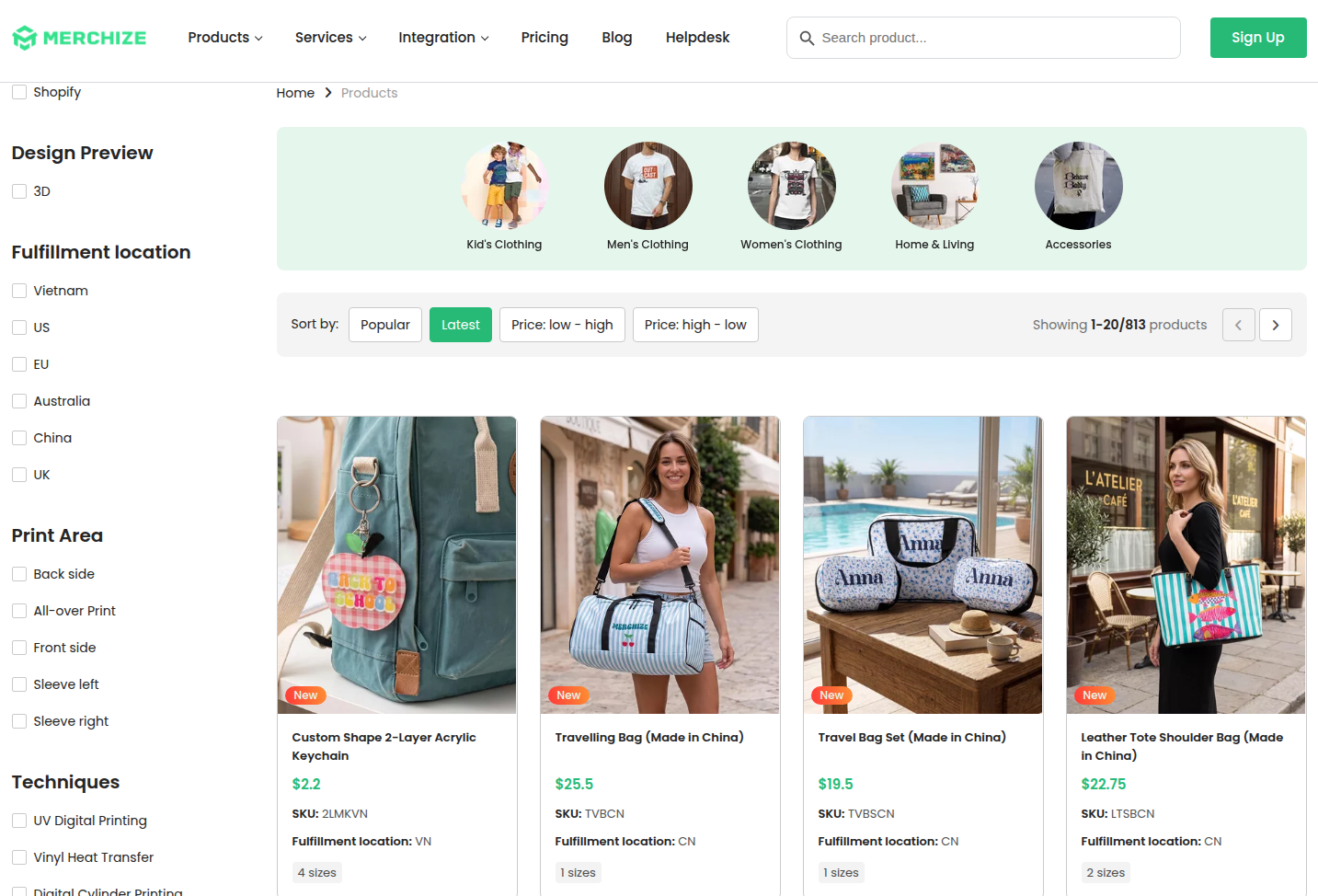
Merchize provides POD fulfillment across a wide range of product categories, from apparel and accessories to home decor and personalized products. Sellers can create products, sell them on their sales channels, and let Merchize handle the production and fulfillment.
This makes it easier to test multiple product ideas without committing to large amounts of inventory upfront. Once you find designs or products that customers respond to, you can continue expanding your collection without building your own production infrastructure.
Test small. Find what works. Then scale.
That’s how POD can turn a product idea into a business with room to grow.
FAQs
1. What are the best things to sell to make money in 2026?
Some of the most promising options include clothing, home decor, personalized gifts, jewelry and accessories, pet products, digital products, handmade items, and seasonal products. The best choice depends on your target audience, budget, competition, and ability to make a profit.
2. What is the easiest thing to sell for beginners?
For beginners, products that are easy to source, require little upfront investment, and are simple to market can be a good place to start. Digital products and models such as print on demand can also reduce the need to buy and store inventory upfront.
3. What products have the highest profit margins?
Profit margins vary depending on product costs, pricing, shipping, platform fees, and marketing expenses. Digital products, personalized products, and niche products can offer attractive margins because they can have relatively low production costs or higher perceived value.
However, a product with a high selling price isn’t automatically more profitable. Always calculate your expected costs before choosing a product.
4. How do I find a profitable product to sell?
Start by looking for a product with real demand and manageable competition. Then check whether you can price it high enough to cover your costs and still make a reasonable profit.
Google Trends, marketplace searches, competitor listings, customer reviews, and social media can all help you validate an idea before investing in it.
5. Can I make money selling products without buying inventory?
Yes. Some business models allow you to sell products without purchasing and storing inventory upfront. Print on demand and dropshipping are two common examples.
With POD, for example, a product is typically produced after a customer places an order, so you don’t need to stock large quantities before testing a product idea.
6. Is print on demand a good way to make money?
POD can be a good option for beginners who want to sell customized physical products while keeping upfront inventory costs low. However, POD itself doesn’t guarantee profits.
Your results still depend on choosing the right niche, creating products people want, setting profitable prices, and getting traffic to your store.
7. How much money do I need to start selling products online?
There is no fixed amount. Your startup cost depends heavily on the business model and products you choose.
Selling handmade or inventory-based products may require money for materials and stock, while digital products or POD can allow you to start with a much smaller upfront commitment.
A good approach is to start small, validate your idea, and reinvest your profits rather than spending heavily before you know what sells.
8. What is the best product to sell with print on demand?
There isn’t one universal best-seller. Popular POD categories include T-shirts, hoodies, mugs, tote bags, wall art, accessories, home decor, and personalized gifts.
Rather than choosing a product simply because it’s popular, look for a product that fits your niche and target audience. A simple product with a strong niche can perform better than a popular product in an overcrowded market.