Contents
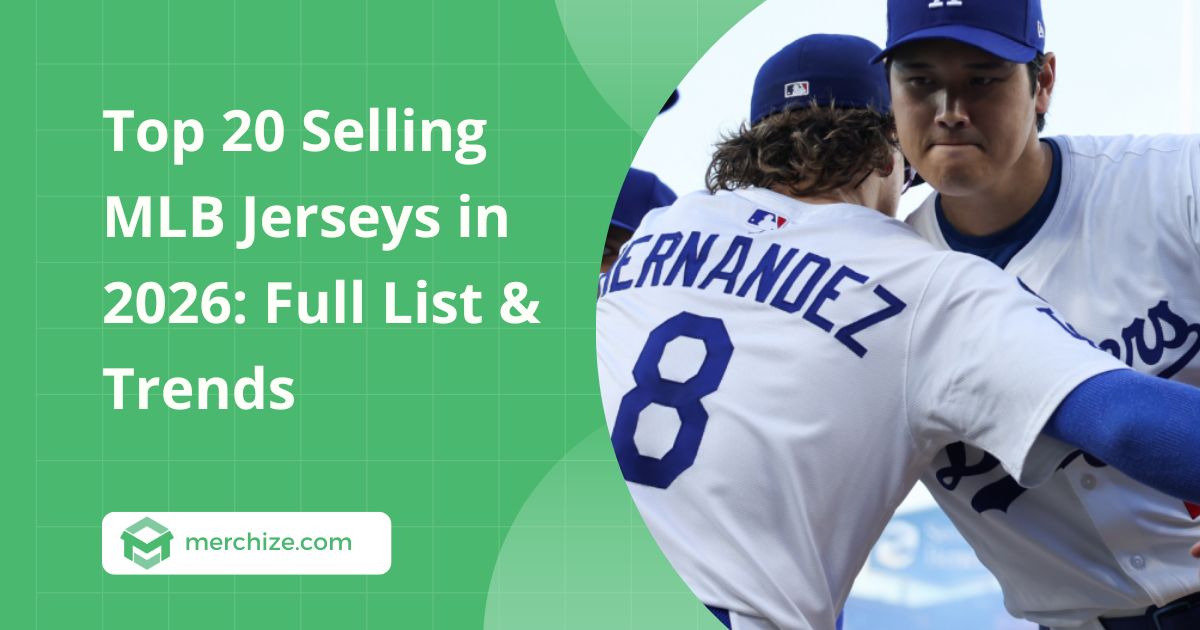
The business market is always a race driven by speed and the ability to catch trends early. Among sports niches, tapping into the “gold mine” of MLB consistently delivers outstanding profits for sellers who know how to seize the right moment. With a massive audience, this largest baseball league in the world is truly a fertile market for personalized products.
Understanding fan demand and combining it with unique design trends will be the key to successfully entering and scaling in this high-potential market. Keep reading to explore top selling MLB Jerseys and how you can take advantage of this opportunity.
“Gold mine” from the MLB event in 2026
We often know Major League Baseball (MLB) as one of the oldest professional baseball leagues in North America, held annually with 30 teams (29 from the United States and 1 from Canada), featuring many international superstars. It is also one of the most established leagues with massive influence across the U.S. sports ecosystem.
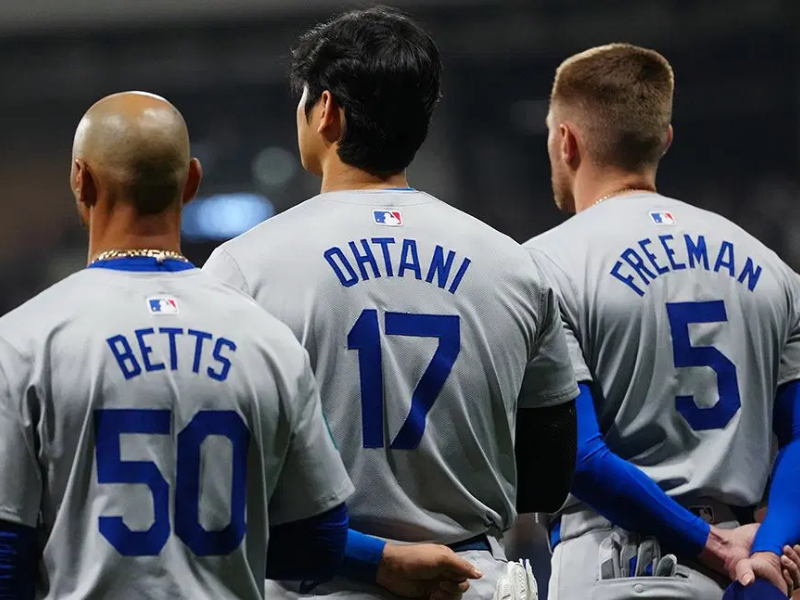
However, what many people overlook is that this MLB event is also a commercial powerhouse with tremendous appeal. Each season attracts tens of millions of in-stadium spectators and hundreds of millions of online viewers, creating continuous demand for products related to teams and players. For the POD community, this represents a stable and high-demand baseball niche with consistent buying power throughout the year.
- Massive audience: With 30 teams spread across the United States and Canada, MLB recorded over 71 million attendees in 2025. This is a huge customer base that is highly willing to spend in order to express their support for their favorite teams.
- Long season: Unlike the Super Bowl (which lasts only one day), the MLB season runs for approximately 6 months (from late March to October). This gives sellers ample time to optimize ads, test multiple designs, and generate steady revenue instead of relying on a short-term spike.
- Strong fan culture & personalization: Baseball fans often wear jerseys featuring their favorite players or even their own names when attending games. This behavior creates the perfect foundation for customized products, allowing POD sellers to fully leverage personalization.
Although the 2026 season officially kicked off in late March (March 25–26), the current moment is still a golden opportunity for sellers to enter the market, as fan excitement remains high after the opening games. With more than five months left in the season, there is still plenty of time to optimize products and scale sales around key milestones such as the MLB All-Star Game in July and the World Series in October.
Top selling MLB jerseys: 20 “Golden names” for custom products
The demand for the most sought-after jerseys today is no longer limited to traditional stats like batting average or home runs. Instead, fans are increasingly drawn to the overall presence of players including their performance, popularity, standout moments, and connection with audiences.
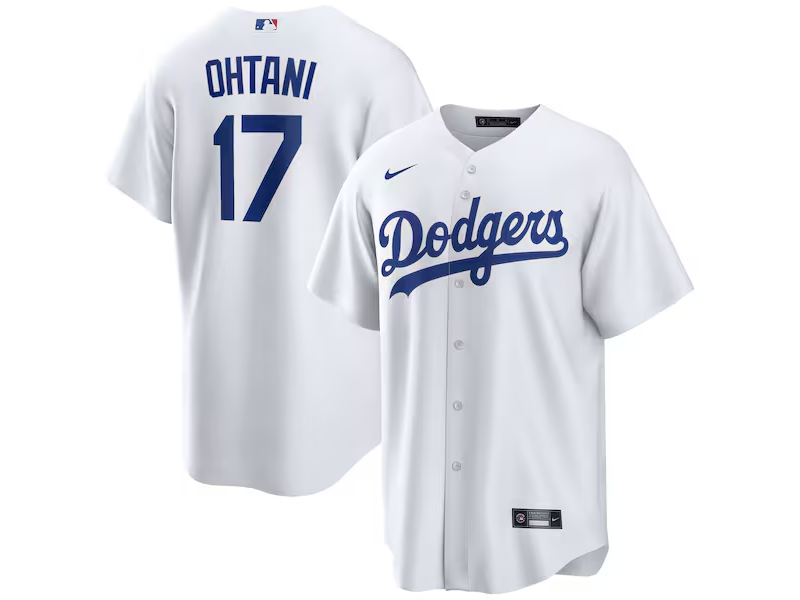
1. Shohei Ohtani Jerseys (Los Angeles Dodgers)
He remains the global sales leader in 2026. What sets Ohtani apart is his rare ability to excel in both roles as a pitcher and a hitter. This makes him a unique phenomenon who goes far beyond the scope of a typical superstar.
In addition, his appeal comes from a massive international fanbase, especially in Japan, which expands jersey demand beyond the U.S. market. For sellers, Ohtani is almost an “auto-sell” option if you want to drive volume, especially with custom Ohtani Dodgers jersey designs.
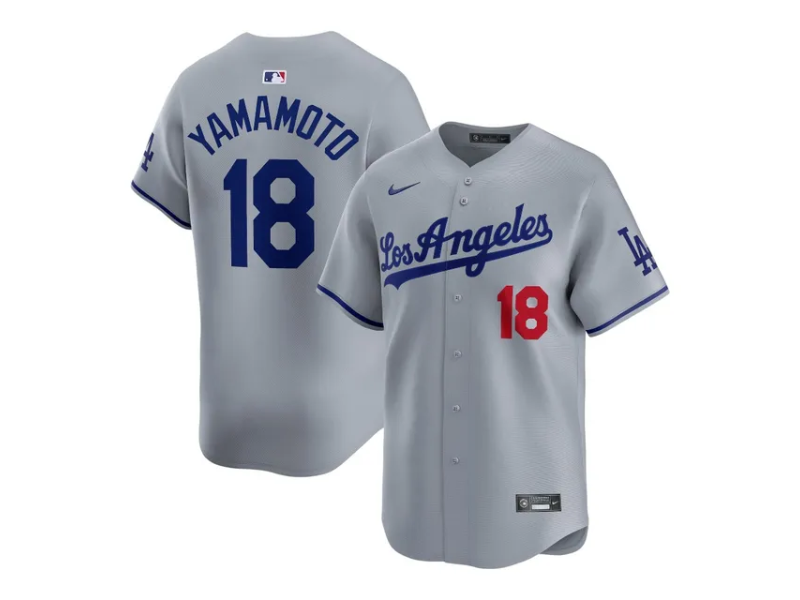
2. Yoshinobu Yamamoto Jerseys (Los Angeles Dodgers)
Yamamoto represents the wave of international players entering MLB. With a strong foundation from NPB, he quickly attracts attention thanks to his consistency and elite technique. The demand for Yamamoto jerseys comes not only from performance but also from the high expectations of fans, particularly in Asian markets.
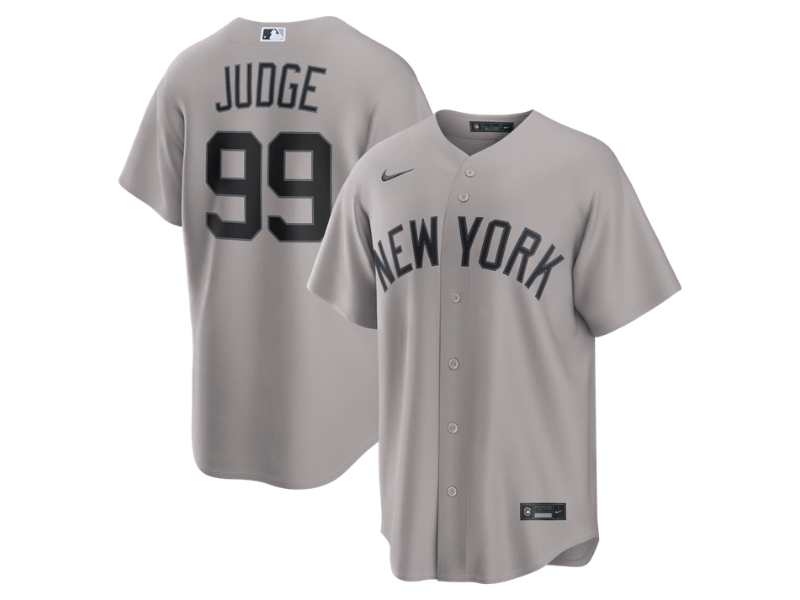
3. Aaron Judge Jerseys (New York Yankees)
Aaron Judge is the perfect example of a franchise player, combining power, achievements, and leadership. Playing for one of the most valuable brands in MLB, the Yankees, ensures that his jerseys consistently rank among the best sellers.
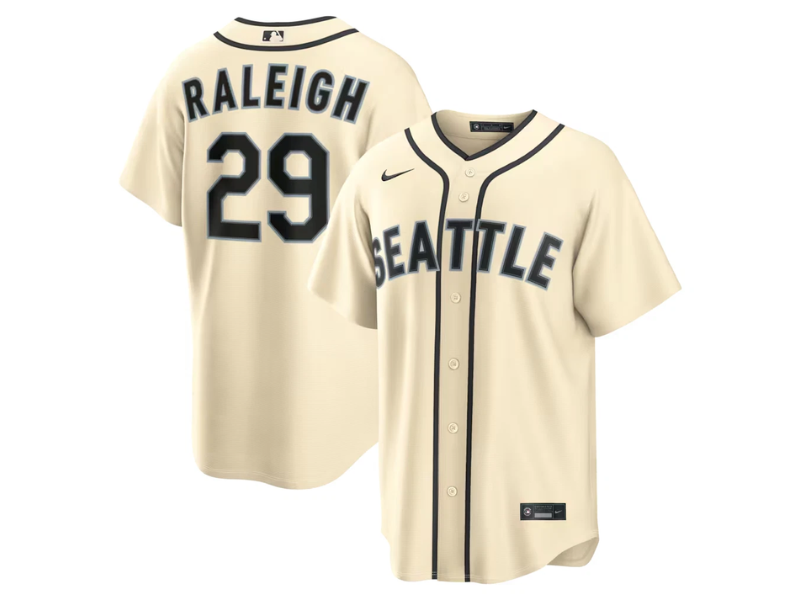
4. Cal Raleigh Jerseys (Seattle Mariners)
Cal Raleigh stands out for his ability to deliver in clutch moments, especially in decisive games. His nickname “Big Dumper” and his intense playing style have helped him build a loyal fanbase. His image fits well with bold, personality-driven designs, including meme and fan-culture concepts.
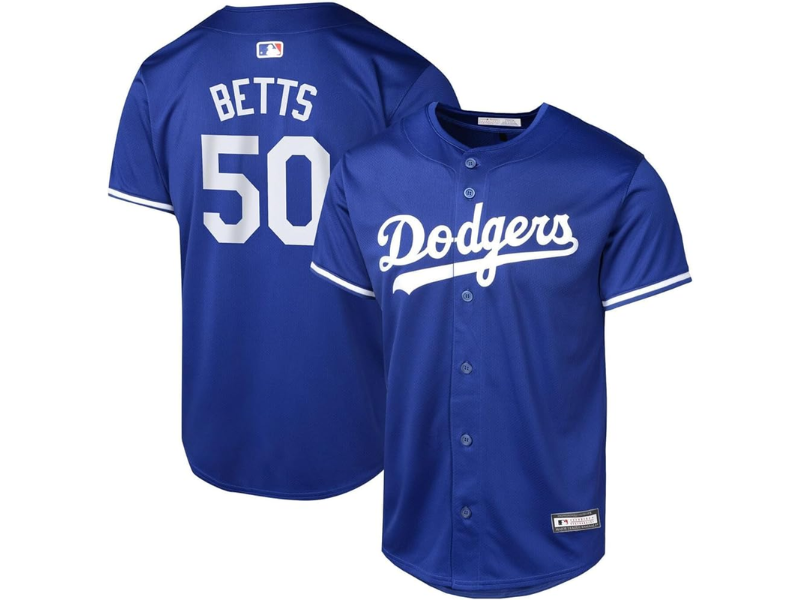
5. Mookie Betts Jerseys (Los Angeles Dodgers)
Mookie Betts is one of the most well-rounded players in MLB today. He has maintained top performance over many years, combined with a professional and consistent image. Playing for the Dodgers allows him to reach a large and diverse fanbase. This is a “safe bet” type of player—without extreme hype but with steady sales.
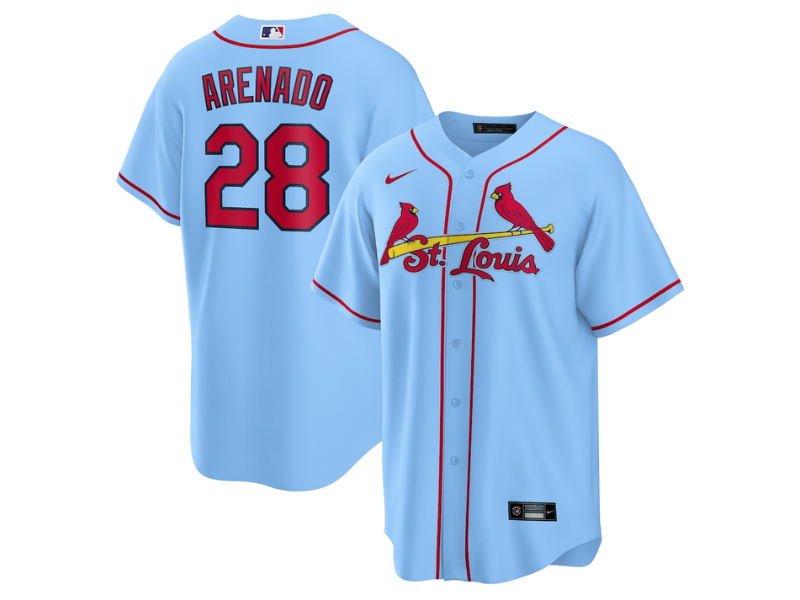
6. Nolan Arenado Jerseys (St. Louis Cardinals)
Nolan Arenado is known for his elite defensive skills at third base, along with consistent offensive performance. He is highly appreciated by hardcore fans—those who deeply understand and love baseball. His jerseys may not explode in sales but tend to maintain stable, long-term demand.
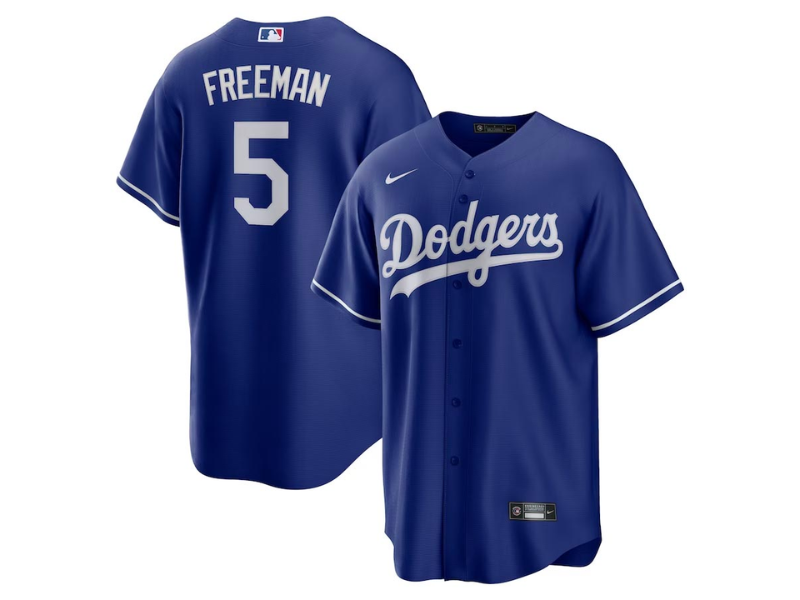
7. Freddie Freeman Jerseys (Los Angeles Dodgers)
Freeman represents stability and professionalism. As a former MVP and multiple-time All-Star, he has built strong trust among fans. He is especially appealing to customers who prefer experienced and reliable players.
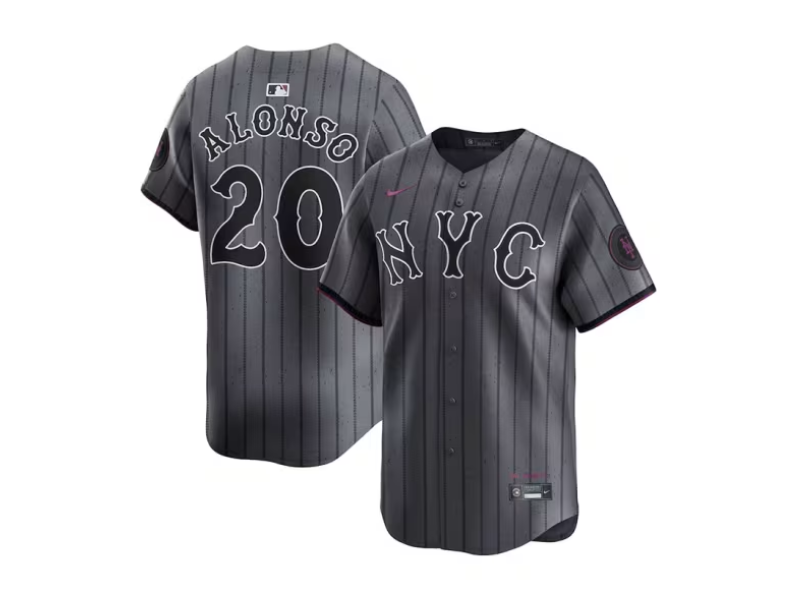
8. Pete Alonso Jerseys (New York Mets)
Pete Alonso stands out with his powerful hitting and impressive home run ability. He frequently gains attention through events like the Home Run Derby, further boosting his personal brand recognition. His jerseys symbolize energy and excitement, making them highly appealing to fans.
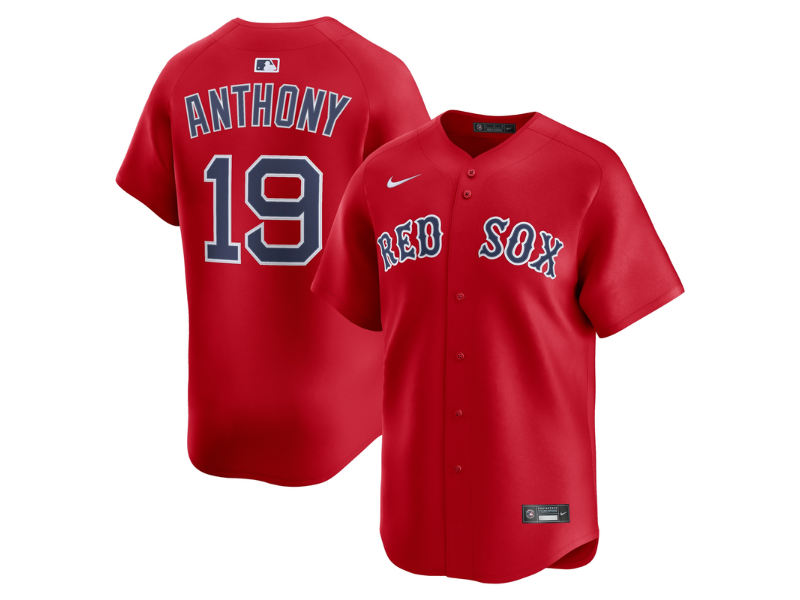
9. Roman Anthony Jerseys (Boston Red Sox)
Roman Anthony represents the rising influence of future stars in attracting fan attention. Although he has not yet reached the peak of his career, the hype around him is growing rapidly, especially within the Red Sox community. Sellers can leverage this type of player to capture early demand and future growth potential.
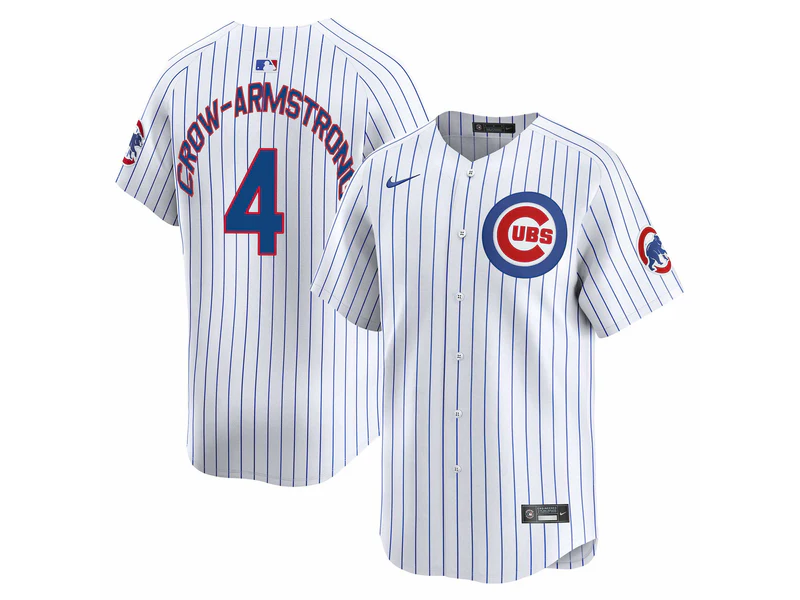
10. Pete Crow-Armstrong Jerseys (Chicago Cubs)
Pete Crow-Armstrong quickly gains attention with his defensive skills and energetic playing style. He represents the new generation helping the Cubs rebuild with a promising future. His jerseys can be tied to the narrative of a team’s future, making them ideal for storytelling-driven designs.
The above are 10 of the most attractive and best-selling names in jersey products. In addition, you can consider the following players to diversify your product range and increase revenue:
- Kyle Schwarber, Philadelphia Phillies
- Kiké Hernández, Los Angeles Dodgers
- Bryce Harper, Philadelphia Phillies
- Juan Soto, New York Mets
- Vladimir Guerrero Jr., Toronto Blue Jays
- Francisco Lindor, New York Mets
- Ronald Acuña Jr., Atlanta Braves
- Paul Skenes, Pittsburgh Pirates
- Josh Naylor, Cleveland Guardians
- Christian Yelich, Milwaukee Brewers
Product strategy: What should sellers offer?
1. Product mix
Jerseys are always the core product during every MLB season. Their appeal comes from fans wanting to clearly show their support for a specific player or team. Customer behavior in this niche is quite straightforward: they are not just buying a shirt; they are buying the identity of the player they admire. As a result, players who are performing well, going viral, or have a large fanbase will naturally drive higher jersey demand.
To meet diverse customer preferences, you can explore quality product lines from Merchize. All-over print (AOP) jerseys are ideal for creative and bold designs, while embroidered jerseys create a more premium feel, making it easier to position at a higher price point.
- All-over Print Simple Baseball Jersey Without Piping
- All-over Print Unisex Baseball Jersey
- All-over Print Baseball Jersey Without Piping
- All-over Print Men’s Short Sleeve Baseball Jersey (Made In China)
- Embroidered Unisex Baseball Jersey
An important point to understand is that this demand is not one-time, it repeats across different phases of the season (early season, mid-season, and playoffs). A single customer may purchase multiple jerseys if their favorite player continues to perform well or if their team advances deeper into the competition.
However, to maximize profit, you should not stop at selling jerseys individually. Expanding into complementary products such as baseball caps or sneakers is a smart move. A bundle strategy, for example, combining a jersey with a matching cap, not only makes customers feel like they are buying a complete outfit but also serves as one of the most effective ways to increase average order value (AOV).
2. Design trends
Design is the deciding factor in whether customers choose your product over official merchandise. If your product only offers a basic name and number, you will have almost no competitive advantage, as the market is already saturated with similar options.
One of the most notable trends is the City Connect style, inspired by the local culture of each team. For example, the black-and-yellow palette of the Pittsburgh Pirates or the signature light blue tones of the Atlanta Braves. These designs feel modern, bold, and tend to attract younger audiences.
At the same time, the vintage/retro style continues to perform very well. Designs inspired by the 80s–90s, using classic typography and washed-out colors, create a nostalgic feel. This aesthetic connects strongly with emotions, especially among long-time fans.
However, the most important factor remains customization. When customers are allowed to personalize names and numbers, the product becomes a personal item rather than a mass-produced one. This is a major advantage, as most official products are limited in terms of customization.
You can take advantage of this gap by creating more distinctive designs. Instead of offering plain templates, build strong concepts: combining graphics, typography, and color schemes into a unique style then allow customers to customize on top of that foundation.
How to conquer the MLB market – 3 moments to drive sales
One of the biggest advantages of the MLB market is that demand does not concentrate at a single point in time but grows steadily across different phases of the season. If sellers allocate resources strategically, they can maximize revenue instead of spreading efforts inefficiently.
Kickoff phase (March/April – Opening Day)
After a long off-season, fans are at their peak excitement as they welcome Opening Day. Demand for new outfits to wear to the stadium or watch parties increases sharply.
>> Strategy: Focus on iconic team-based designs and custom jerseys featuring players who gained attention during the offseason or transfer period. This is also the ideal time to collect customer data and test which designs will become “winners” for the rest of the season.
Breakthrough phase (July – All-Star Game)
The MLB All-Star Game brings together the brightest stars from both leagues. This is the peak of search traffic, where demand extends beyond loyal fans to include trend-followers who are drawn to hot players and standout performances from the first half of the season.
>> Strategy: This is a golden opportunity to push “multi-star” designs or special collections inspired by that year’s All-Star uniforms. Demand expands to general baseball fans, allowing you to significantly broaden your customer base.
“Cash-in” phase (October – Postseason / World Series)
As the league enters the playoffs, especially the World Series, fan emotions reach their peak. At this stage, purchasing behavior becomes more “all-in,” with fans willing to spend to support their teams during the most critical moments. Teams advancing deeper into the playoffs will drive a sharp surge in jersey sales.
>> Strategy: Operate with a “real-time marketing” mindset. Concentrate your advertising budget on fans of teams advancing through the rounds. Designs tied to winning slogans, championship themes, or in-game highlight moments will be the hottest-selling items, helping you close out the MLB season with strong profit margins.
The journey to conquering the baseball market is not just about understanding the game itself, but also about aligning with fan emotions throughout each phase of the season. Mastering the list of top selling MLB jerseys and leveraging the “goldmine” opportunities within MLB events will act as a powerful lever for POD sellers to create products that truly match customer demand. Start today so you don’t miss out on this highly dynamic and profitable niche.