Contents
Starting a business doesn’t mean inventing something completely new. Often, you can build a business around a specific audience, an overlooked customer need, or a product people want to make themselves.
With so many options available, the challenge is finding one that fits your skills, budget, and goals. To help you narrow down your choices, this guide covers 15 unique business ideas for 2026, from online services and local businesses to personalized products. You’ll also find practical ways to get started and factors to consider before investing your time and money.
Key Takeaways
- Choose a business that fits your strengths: Consider your skills, budget, interests, and available time before committing to an idea.
- Focus on a specific audience: A clear niche can help you stand out from competitors and create products or services that meet customers’ needs.
- Test demand before investing: Start small, gather customer feedback, and refine your offer before expanding.
- Explore low-investment business models: Online services, digital products, and print-on-demand can help beginners get started without large upfront investments.
- Build for long-term growth: A clear business plan, consistent customer experience, and willingness to adapt can help turn a unique business idea into a sustainable venture.
15 Unique Business Ideas to Explore in 2026
These ideas suit different budgets, skills, and working styles. Some rely mainly on your expertise, while others involve selling products or coordinating production. As you explore the options below, consider not only what interests you but also who would pay for your offer and what it would take to deliver it.
Online Business Ideas

1. Start a Niche Print-on-Demand Store
A niche print-on-demand (POD) store sells products designed for a particular audience. Rather than offering generic T-shirts to everyone, for example, you could create apparel for nurses, mugs for book lovers, or accessories for camping enthusiasts.
You earn money from the difference between your selling price and the costs of production, shipping, platform fees, and marketing. The advantage of POD is that a provider produces and fulfills orders after customers buy, so you don’t need to stock large quantities upfront.
How to get started: First, choose a community you understand and research its interests. Then, create a small collection of relevant designs and test a few products before investing heavily in advertising or expanding your catalog.
2. Sell Personalized Pet Products
Pet owners may be willing to pay for products that celebrate their animals or preserve special memories. For instance, you could offer custom pet portraits, illustrated mugs, personalized blankets, or memorial gifts.
This business appeals because of the personal connection behind each purchase. A product featuring a customer’s own pet offers something a mass-produced accessory cannot. Depending on the item and the amount of customization involved, you can adjust your pricing accordingly.
How to get started: Begin with two or three products and make it easy for customers to submit photos, names, and other details. Clear previews are especially important because buyers need to know what their finished products will look like. You should also explain how you’ll handle design approvals and correction requests.
3. Create Digital Products for a Specific Audience
Digital products such as templates, printable worksheets, planners, and spreadsheets can be sold as downloadable files. They’re particularly useful when they help customers complete a task or organize information more efficiently.
For example, you could create a content calendar for independent creators, a client-tracking spreadsheet for freelancers, or printable learning activities for parents. Since these products don’t require physical inventory or shipping, they’re worth considering if you prefer working online.
How to get started: Think about a task your target customers regularly perform. From there, create a resource that saves time or makes the process easier. Before developing more products, review customer questions and feedback to see what needs improving.
4. Offer AI-Assisted Content Services
Small businesses often need blog posts, product descriptions, email campaigns, or short videos but may not have the staff to produce them consistently. If you already have writing, editing, or marketing skills, you can use AI tools to support a content service.
However, generating content is only one part of the job. Clients still need accurate information, a consistent brand voice, and material tailored to their audience. Your ability to review, refine, and deliver useful content is what makes the service valuable.
How to get started: Rather than offering every type of content at once, specialize in one service, such as ecommerce product descriptions or short-form video scripts. Prepare a few samples, then approach businesses in an industry you understand.
5. Launch a Niche Subscription Box
A subscription box delivers a curated selection of products on a recurring schedule. Instead of selling a general assortment, you could focus on a particular interest, such as gardening, journaling, or a creative hobby.
This model allows you to earn repeat revenue from monthly or quarterly subscriptions. At the same time, you’ll need to manage product sourcing, packaging, delivery schedules, and customer expectations for every shipment.
How to get started: Start by designing one themed box and calculating its full cost, including packaging and shipping. Once you have a clearer picture of your margins, test interest with potential buyers or pre-orders before purchasing supplies in bulk.
Offline Business Ideas

6. Start a Mobile Car Detailing Service
A mobile car detailing business cleans vehicles at customers’ homes or workplaces. Depending on your equipment and experience, you might offer interior cleaning, upholstery care, exterior washing, or more detailed treatments.
The main selling point is convenience: customers can have their vehicles cleaned without traveling to a service location. Over time, you could also offer recurring appointments to customers who want regular maintenance.
How to get started: First, learn the necessary techniques and price each service based on labor, supplies, and travel. It’s also sensible to begin within a manageable service area. Before taking bookings, check local requirements for water use, wastewater disposal, and business operations.
7. Run Creative Workshops and Craft Classes
If you have a practical skill, you could teach small groups through workshops in candle making, painting, embroidery, flower arranging, or similar activities.
Unlike selling finished crafts, this business earns revenue from teaching and the experience itself. For example, you could charge per participant or organize private sessions for birthdays, team events, and other gatherings.
How to get started: Choose a skill you can teach confidently and plan a beginner-friendly class with a clear outcome, such as making a candle or completing a painting. To keep initial costs manageable, consider partnering with a café or community venue instead of renting a permanent studio. Remember to calculate material costs for each attendee before setting your price.
8. Create Personalized Gifts for Events
Weddings, baby showers, birthdays, and corporate gatherings often require matching gifts or keepsakes. You could supply printed tote bags, event favors, customized drinkware, or products featuring names and dates.
Unlike a general personalized gift shop, this business focuses on group orders and event deadlines. Customers may need dozens or even hundreds of matching items delivered before a specific date, so coordinating the order is just as important as choosing the products.
How to get started: Pick one event category and prepare sample packages to show potential customers. From the beginning, set clear minimum quantities, approval deadlines, and delivery terms. Made-to-order production can reduce the need to hold finished stock, but you’ll still need enough time for production and shipping.
9. Offer Plant Styling and Care Services
Homeowners, offices, cafés, and small shops may want indoor plants but need help choosing suitable varieties or keeping them healthy. A plant styling service can therefore combine initial setup with ongoing maintenance.
Depending on your skills, you could charge for consultations, installation projects, or scheduled care visits. Your recommendations should take into account available light, space, watering requirements, and how much time the customer can spend caring for the plants.
How to get started: Build a small portfolio of arrangements and learn which plants suit common indoor environments. Once you’re confident in your recommendations, offer a defined service package to local homes or businesses. This approach lets you test demand before investing in a large supply of plants and containers.
10. Open a Curated Pop-Up Gift Shop
A pop-up shop sells products at temporary locations such as craft markets, seasonal fairs, and community events. Instead of stocking a little of everything, build your selection around a theme, for example, gifts for readers, locally made goods, or seasonal home décor.
One advantage of this model is that you can meet customers in person without committing to a permanent retail lease. However, venue fees, transportation, display materials, and unsold stock can all affect your margins.
How to get started: Before booking a stall, research local events and consider whether their audiences match your products. Bring a focused selection, track which items sell, and use those results to decide what to stock at your next event.
Hybrid and Product-Based Business Ideas
11. Build an Apparel Brand for a Defined Community
A niche apparel brand develops a recognizable style and product range for a particular audience. For instance, you might build a brand around outdoor lifestyles, minimalist everyday wear, or clothing for a specific profession.
Although this idea also involves selling physical products, the focus is different from simply testing individual POD designs. A brand needs a consistent identity across its products, messaging, and customer experience. Over time, that identity can give customers a reason to return.
How to get started: Define your audience and visual direction before choosing your first products. You can use POD to test initial designs without ordering large quantities. Even so, order samples where possible to check fabric, sizing, and print quality before offering the products to customers.
12. Sell Personalized Home Décor
Personalized home décor turns everyday items into meaningful gifts or keepsakes. Options include custom wall art, family name signs, decorative pillows, and ornaments for special milestones.
You could focus on new homeowners, couples, families, or holiday shoppers. By choosing a specific audience, you’ll have a clearer direction for product design and marketing instead of trying to appeal to every home décor buyer.
How to get started: Choose a product category and establish a consistent visual style. Just as importantly, make customization options easy to understand and show realistic product previews. If you sell fragile items, factor packaging and replacement costs into your pricing from the start.
13. Provide Corporate Merchandise and Employee Gifts
Businesses purchase branded merchandise for employee welcome kits, conferences, client appreciation, and internal events. You could supply coordinated packages containing apparel, drinkware, tote bags, or seasonal gifts.
The opportunity goes beyond selling individual products. Business customers may also need help selecting suitable items, applying branding, coordinating quantities, and meeting fixed delivery dates. If you can manage those details reliably, you can offer a more complete service.
How to get started: Prepare a short catalog with several package options and indicative pricing. Then approach small companies, agencies, and event organizers that may need branded items. Before accepting an order, confirm the branding requirements, production schedule, and delivery deadline with your suppliers.
14. Offer Custom Packaging for Small Businesses
Small ecommerce brands may want packaging that reflects their identity without committing to large print runs. You could supply branded stickers, thank-you cards, product labels, packaging inserts, or coordinated stationery.
Since your customers are other businesses, repeat orders may be possible when they regularly need packaging materials. However, keeping the service profitable depends on reliable print suppliers, sensible minimum quantities, and efficient order handling.
How to get started: Choose a customer group, such as handmade sellers or small candle brands, and develop a few packaging bundles. To avoid misunderstandings later, make pricing, minimum orders, turnaround times, and design requirements clear before production begins.
15. Launch a Seasonal Gift Business
A seasonal gift business focuses on occasions such as Christmas, Valentine’s Day, graduation, weddings, or housewarmings. You could sell themed bundles, personalized keepsakes, or products designed for a specific celebration.
The main challenge is timing. Unlike products people buy throughout the year, seasonal gifts have a limited selling window. If production or shipping takes too long, customers may miss the occasion altogether.
How to get started: Choose one or two occasions and research what your target audience buys for them. Prepare your products and listings well in advance. If you use POD, check production and delivery estimates carefully before promising arrival dates.
Other Unique Business Ideas
If none of the ideas above feels like the right fit, there are other options worth considering. Many rely more on personal skills or local demand than on developing a product range.
- Virtual Assistant Services: Handle scheduling, inbox management, data entry, or administrative tasks for independent professionals and small businesses.
- Social Media Management: Plan posts and manage accounts for local cafés, salons, shops, or service providers.
- Online Tutoring: Teach a school subject, language, or practical skill through individual lessons or small classes.
- Freelance Video Editing: Edit social media clips, product demos, and promotional videos for creators and businesses.
- Home Cleaning Services: Provide regular household cleaning or move-in and move-out cleaning.
- Homemade Bakery and Gift Boxes: Prepare baked goods for celebrations or seasonal gifting, subject to local food safety requirements.
- Mobile Coffee Cart: Serve drinks at markets, private events, or community gatherings, with the necessary permits and equipment.
- Pet Sitting: Visit customers’ homes to feed, walk, or care for pets while their owners are away.
These alternatives may be a better fit if you prefer offering a service over managing physical products. Before choosing one, though, consider the equipment, skills, permits, and time required to run it.
How to Choose the Right Unique Business Idea for You
Having several options is useful, but the next step is narrowing them down. Rather than choosing an idea simply because it sounds exciting, consider whether you can deliver it well and find customers willing to pay for it.
1. Match the Idea to Your Budget and Available Time
Start by listing the money, equipment, and hours you can realistically commit. For example, a freelance service may mainly require a computer and relevant skills, while a pop-up shop involves stock, transportation, and venue fees.
If you’re keeping your current job, make sure the business can fit around your existing schedule. Don’t forget to account for marketing and administration, either, as both take time away from the main work.
2. Define Your Target Customer
A broad audience can make it difficult to decide what to sell or how to promote it. Instead of targeting “people who like gifts,” for instance, you could focus on dog owners looking for personalized birthday gifts for their pets.
Once you know whom you’re serving, it’s easier to choose suitable products, set prices, and find relevant marketing channels. You can always expand to other audiences later, after learning what works for your first group.
3. Research Demand and Competition
Before investing in an idea, explore online marketplaces, competitor websites, search trends, and customer reviews. Look for what people are buying, how products are priced, and which complaints keep appearing.
Tools such as Google Trends can help you compare search interest over time, while marketplace listings provide context on pricing and product positioning. However, search interest alone doesn’t prove that people will buy from you. Use it alongside customer feedback and competitor research to build a more realistic picture.
4. Test the Idea Before Making a Large Investment
You don’t need a fully developed business to find out whether an idea has potential. A service provider could offer a limited package, a workshop organizer could open registration for one class, or a product seller could launch a small collection.
Pay particular attention to actual purchases, pre-orders, and qualified inquiries. While likes and positive comments can be encouraging, they don’t necessarily mean people are willing to pay. Use the results to adjust your offer, pricing, or target audience before committing more money.
5. Consider Print on Demand for Product-Based Ideas
If you want to sell apparel, accessories, or personalized gifts, print on demand lets you offer products without buying large quantities in advance. A provider produces each item after a customer places an order, which reduces the need to store unsold inventory.
Still, POD isn’t cost-free. You’ll need to account for product and shipping costs, platform fees, marketing, returns, and customer service. Whenever possible, order samples and compare providers before choosing one.
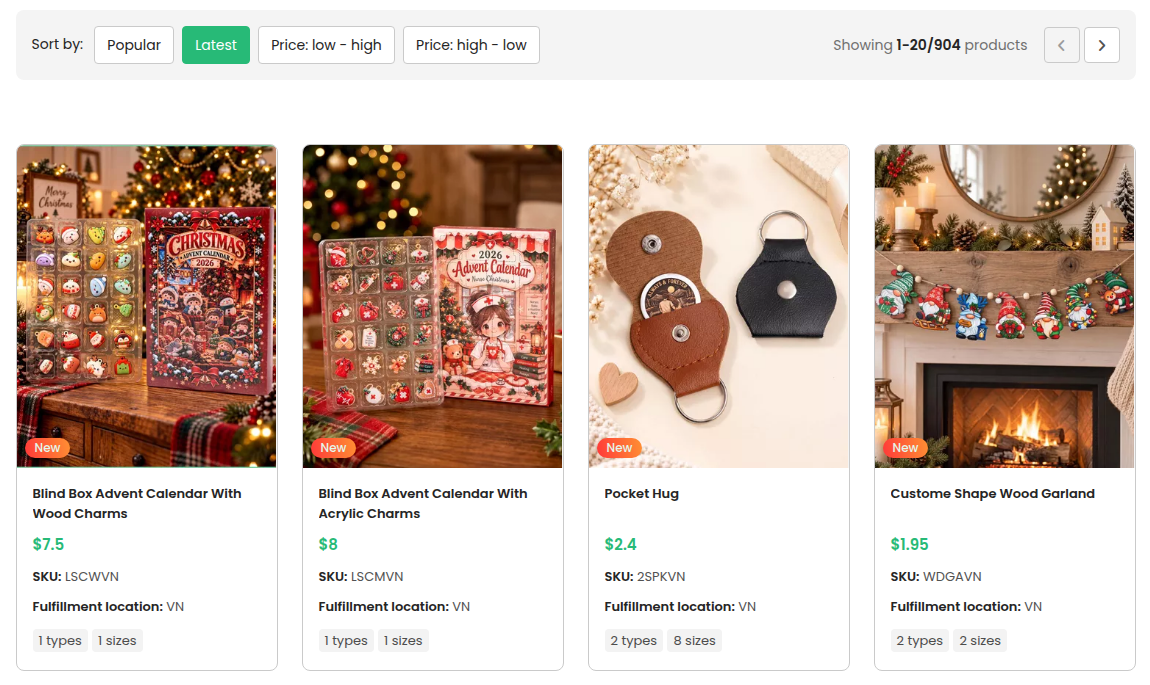
For sellers exploring this model, Merchize offers a catalog of customizable products without requiring them to operate their own production facility. You can start with a focused product range and expand as you learn which products appeal to your customers.
FAQs
1. What Are the Most Unique Business Ideas to Start in 2026?
Options worth exploring include niche print-on-demand stores, personalized pet products, digital products for specific audiences, creative workshops, and corporate merchandise services. The best choice depends on your skills, budget, and the customers you can realistically reach.
2. What Unique Business Can I Start With Little Money?
Freelance services, online tutoring, virtual assistance, and digital products can have relatively low startup costs if you already have the necessary skills and equipment. POD is another option for selling physical products without purchasing inventory in bulk, although production and marketing costs still apply.
3. What Business Can I Start With No Experience?
Consider a business with a manageable learning curve, such as a basic freelance service, a small digital product, or a limited POD collection. Learn the essential skills first, then start with an offer you can deliver reliably.
4. What Are Some Unique Online Business Ideas?
Online options include niche ecommerce stores, personalized gift shops, digital downloads, subscription boxes, and specialized content services. To make your offer stand out, focus on a specific customer group and a clear reason for them to choose your business.
5. Is Print on Demand a Good Business for Beginners?
POD can be useful for beginners because products are made after customers order, reducing the need to hold inventory. However, it doesn’t guarantee sales or profit. Product quality, pricing, marketing, and fulfillment costs all affect your results.
6. How Do I Know if a Business Idea Will Be Profitable?
Estimate the full cost of delivering your product or service, including production, shipping, platform fees, marketing, and your time. Then test your offer with real customers and compare revenue with expenses. Paid demand and a workable profit margin are more meaningful indicators than views or likes alone.