
Contents
You’ve probably heard stories of brands achieving massive growth during holiday periods where businesses not only generated impressive revenue but also attracted large numbers of new, high-value customers. But what really drives those results? Is it luck, or are these brands simply working smarter with a well-designed ecommerce strategy?
Actually, behind those success stories are months of preparation: demand forecasting, financial planning, store optimization, product development, launch timing, marketing execution, and customer support readiness — all carefully aligned before the holiday season even begins.
So the real question is: how can you build a holiday ecommerce strategy that doesn’t just work for one season, but can be refined, reused, and scaled in the years ahead? Let’s dive deeper in the article below.
Holiday Ecommerce Strategy — What You Should Prepare Ahead of the Season?
Below are the essential actions every seller should prioritize to build a strong and repeatable holiday ecommerce strategy.
(1) Understand the key Ecommerce holiday dates
Knowing the major shopping occasions is the foundation of every successful campaign. Beyond traffic growth, holidays redefine how customers evaluate price, value, and the urgency to purchase.
When you clearly map out important retail moments across the year, you can:
- Plan product launches earlier
- Align promotions with real buying intent
- Avoid last-minute production or marketing stress
You can explore the full 2026 ecommerce holiday calendar to identify which holiday strategy align best.
(2) Forecast demand and prepare for market shifts
Even if this year’s buying behavior won’t mirror last year’s, preparation remains critical. Holiday performance doesn’t begin when the campaign launches; it starts from strategic planning. The biggest risk isn’t slow sales, but entering the season without clarity on demand, inventory expectations, or buyer intent.
Today’s holiday shoppers:
- Begin browsing earlier than before
- Compare pricing and value more carefully
- Expect a smooth experience across mobile, social, marketplace, and in-store touchpoints
>> That means: they’re looking for relevance and perceived value.

What should you do?
To better anticipate demand, you need to combine previous holiday season sales data, current market & niche trends and waitlists, email signups, or preorder interest signals.
For example, when preparing for upcoming holidays like Valentine’s Day or Mother’s Day this year, evaluate Q4 performance trends, new product introductions and potential increases in returns or exchanges after peak season.
Moreover, you can start with your analytics tools and review questions such as:
- Which products performed best during key shopping peaks?
- Which channels (Amazon, TikTok, email, or others) generated the highest conversions?
- At what points did cart abandonment, stock-outs, or support requests spike?
This type of review helps uncover the repeatable wins, missed opportunities or campaigns worth refining.
For example, if limited-time email promotions convert well, consider re-using that structure with updated creative. If a social campaign underperformed, reassess targeting or messaging rather than discarding the channel entirely.
(3) Optimize your Ecommerce website for peak holiday performance
There’s no doubt that shopping activity increases significantly during holiday seasons, which means your ecommerce website must load fast, function smoothly, and deliver a frustration-free buying experience.
Ask yourself: Is the site fast enough? Do product pages communicate value, shipping timelines, and key information clearly? Are there gaps in the mobile experience that might cause shoppers to abandon their carts?
- Page speed is one of the strongest drivers of conversion, especially on mobile. Review your site, compress large image files, remove unnecessary apps or plugins, and test across multiple devices to ensure a consistent user experience.
- Next, refine your site structure and navigation so shoppers can find products quickly. Use clear menus, filters, and search functions. For larger catalogs, curated collections or themed gift guides can help holiday shoppers browse with intent across events like Christmas, Valentine’s Day, or Mother’s Day.
- Strengthen your product pages with accurate descriptions, high-quality visuals, transparent pricing, and clear shipping and return information. Use on-page badges to highlight best-sellers, limited-time deals, or last-minute availability to reinforce urgency.
- Mobile optimization is essential as more shoppers complete purchases on their phones. Ensure layouts, campaigns, and checkout flows are fully mobile-friendly.
- Beyond usability, your store also needs to be discoverable — not only through search engines but increasingly through AI-powered shopping tools. These systems rely on structured product data, clear descriptions, and reviews to surface recommendations.
- Maintain clean metadata, consistent product information, seasonal keywords, and structured schema markup. Configure product feeds correctly across channels like Google Shopping, TikTok Shop, and Amazon to improve visibility.
(4) Target high-intent holiday shoppers with segmented campaigns
“Holiday traffic” becomes especially noisy as key dates approach, with every brand competing for attention. To convert more effectively during this period, retailers need to move beyond broad, generic discount campaigns and instead build segmented, personalized marketing that speaks to specific buyer groups.
The most effective approach is to expand outward from your strongest customer groups who have already purchased from you, maintain a high average order value, or return to buy multiple times. For example, customers who purchased gifts during last year’s Cyber Monday or Father’s Day campaigns are strong candidates for early-access offers or exclusive bundles this season.
(5) Launch products
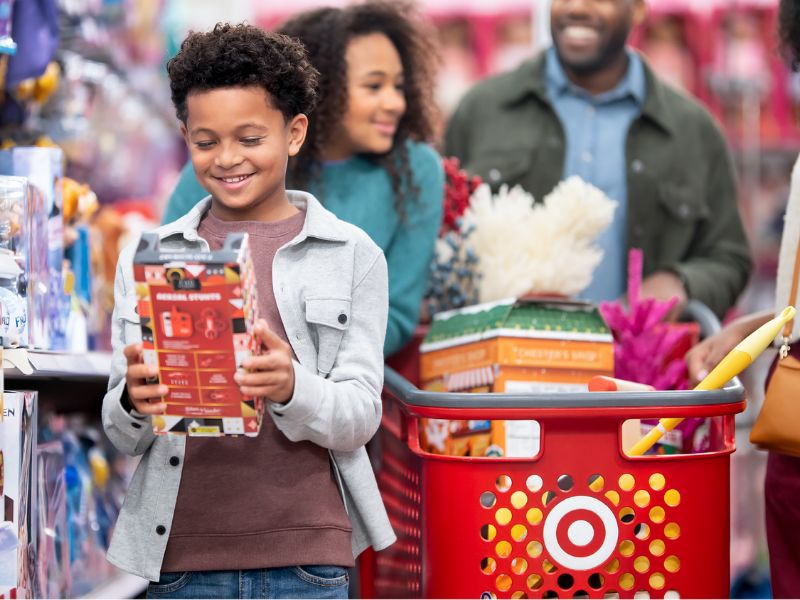
If your catalog includes many products, avoid releasing everything at the same time. Staggering product launches across multiple phases creates urgency and a sense of exclusivity — 2 psychological triggers that strongly influence purchasing behavior.
Begin by reviewing historical performance from previous holiday seasons. Look for trends in timing, buying intent, average order value, and acquisition channels.
Note that most holiday shoppers typically fall into a few repeatable behavioral groups:
- Early planners — start browsing 1-2 months ahead and respond well to pre-order discounts, bundles, and budget-friendly offers.
- Last-minute shoppers — purchase closer to late holiday and value fast delivery and convenience. Emphasize shipping deadlines or digital gift cards.
- Deal-driven buyers — wait for flash sales or limited-time promotions and react strongly to urgency-based messaging.
- Gift shoppers — may be new to your brand and are buying for someone else; clear product descriptions, curated gift guides, and easy returns reduce friction.
- Loyal customers — already trust your brand and are more likely to spend more when offered exclusive early access or member-only rewards.
You don’t need to build a completely different strategy for every audience but your timing, messaging, and incentive structure should reflect what each segment values most. By aligning release waves with shopper behavior, brands can sustain momentum throughout the entire holiday cycle instead of peaking too early.
(6) Align your offers with the buyer’s purchase intent
Once you’ve identified your customer segments, the next step is to understand what each group cares about most — their motivations, timing, and purchase priorities. From there, design your offers, messaging, and product bundles to match those expectations.
Here are some practical ways to tailor offers:
- Early planners: Provide early-access bundles, preview discounts, or guaranteed delivery options to encourage them to complete purchases ahead of peak demand.
- Gift buyers: Offer curated gift guides or short quizzes based on recipient type or budget. Add gift-wrap options and a clear return-and-exchange policy to reduce hesitation.
- Deal-driven shoppers: Use limited-time promotions, countdowns, or value bundles to emphasize savings and urgency.
- Loyal customers: Reward them with personalized discounts, exclusive access, or bonus rewards for repeat purchases during the holiday period.
When your offers reflect the true purchase intent of each group, shoppers feel understood and valued leading to higher conversions and stronger AOV.
(7) Be transparent about promotions to build trust
Today’s shoppers are more intentional and strategic, many of them wait for planned sale events before completing a purchase. Being transparent about your promotion schedule not only builds trust but also helps customers plan their holiday spending more confidently.
A tiered rollout approach works especially well:
- Early access for loyalty members and SMS subscribers
- Then gradually expand promotions to the wider audience
This approach delivers two key benefits:
- Rewards your highest-value customers with exclusivity
- Encourages more shoppers to subscribe before peak season
(8) Partner with influencers and content creators
Influencers add cultural credibility to your products and help you reach highly engaged audiences. The goal is to collaborate with creators whose audience genuinely aligns with your niche. A smaller creator with deep trust in a specific community can often drive more conversions.
For an effective holiday strategy, start these partnerships early so content can go live before key delivery cut-off periods. Use a mix of formats, such as unboxing videos, product walkthroughs, lifestyle demos, or curated gift guides and allow creators the creative freedom to express products in their authentic style.
(9) Holiday E-commerce marketing strategy
A successful holiday eCommerce strategy goes beyond discounts; it focuses on helping shoppers discover the right products quickly, improving on-site navigation, and creating meaningful, personalized experiences throughout the buying journey. From curated landing pages to gift-focused product bundles, brands that reduce friction and guide customers clearly are more likely to convert seasonal browsing into real sales.
At the same time, channels like influencer partnerships, email segmentation, and timely promotions play an important role in building trust and motivating purchases during busy holiday periods. When used thoughtfully, these tactics help reinforce your brand story while increasing engagement and average order value across different shopper segments.
>> Read the full guide for deeper insights:10 Marketing Tips to Optimize Your Store for the Holiday Season
(10) Offer flexible payment options
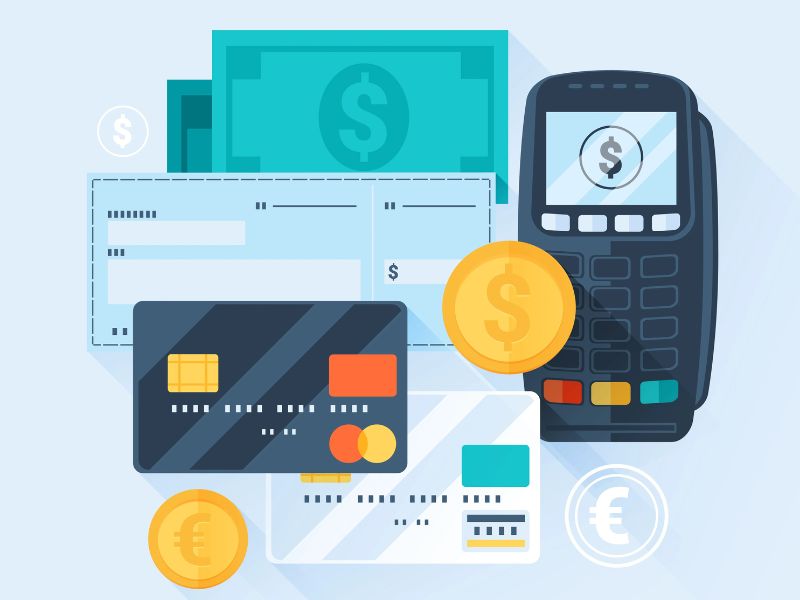
One of the biggest reasons shoppers abandon their carts is a complicated or restrictive checkout process. When customers are ready to purchase, they expect speed, convenience, and payment options that match their preferences. If they don’t see a familiar method like digital wallets or buy-now-pay-later, many will simply leave and complete their purchase elsewhere.
- Support a wide range of online payment methods
Integrate popular digital wallets and payment gateways such as Apple Pay, Google Pay, and PayPal, along with credit cards and Buy Now Pay Later solutions. When customers can choose a familiar and convenient payment method, the likelihood of completing their purchase increases significantly.
- Streamlined and mobile-friendly checkout experience
Reduce the number of form fields, enable auto-filled addresses, allow returning customers to save payment details, and support fast checkout in just one or two steps. The fewer friction points in the process, the higher your conversion rate will be.
- Strengthen trust signals on the payment page
Display security certifications, secure payment badges, and clear data-protection commitments to reassure shoppers during online checkout — especially first-time buyers.
Key performance metrics to track throughout the holiday season
Performance can shift rapidly during the holiday period, so it’s essential to monitor what’s working in real time. These metrics help you understand whether shoppers are actually converting, where friction occurs in the buying journey, and which products should be prioritized.
| Metric | Why it matters | What to watch for |
| Conversion rate | Measures how effectively traffic turns into completed orders | A sudden drop often signals UX friction, slow loading pages, unclear pricing, or checkout issues |
| Average Order Value | Shows how much shoppers spend per transaction | Product bundles, upsells, and free-shipping thresholds can help increase this number |
| Repeat purchase rate | Reflects long-term customer value beyond Q4 | Strong post-purchase flows help drive revenue into January |
| Return rate | Helps forecast profit loss and operational workload | High returns may indicate sizing issues, unclear expectations, or product-fit problems |
| Top-performing SKUs | Highlights demand spikes and items that need replenishment | Reallocate budget toward best-sellers and bundle slow-moving inventory |
| Customer support tickets | Reveals friction points during peak season | Look for recurring themes you can address proactively |
| Cart abandonment rate | Indicates strong purchase intent that didn’t convert | Common causes: shipping fees, slow checkout, limited payment options |
| Revenue per visitor by segment | Identifies which buyer groups deliver the most value | Guides where to focus effort and ad spend |
Tips for a successful holiday ecommerce strategy
The holiday season is a peak shopping period for online buyers, and the right strategy can help your brand increase conversions, strengthen customer loyalty, and create memorable shopping experiences.
Personalized gift recommendations
Create themed gift guides and personalize recommendations based on browsing behavior or past purchases. Bundle complementary products into curated gift sets and offer bundle discounts to increase average order value. This approach remains one of the most effective ecommerce holiday trends.
Send thoughtful customer appreciation messages
Instead of waiting for the busiest shopping days, send early thank-you messages or appreciation emails to loyal customers. A sincere and unexpected note of gratitude strengthens emotional connection and increases the likelihood of return purchases during the season.
Create a mobile-friendly shopping experience
Ensure your store, product pages, and email campaigns are fully optimized for mobile users. Reduce friction in the shopping journey so customers can move smoothly from email or sms to the product page and complete checkout in just a few steps.
Leverage video marketing for brand storytelling
Use short-form videos to share behind-the-scenes moments, team stories, or seasonal preparation highlights. Human-centered content builds authenticity, strengthens brand connection, and performs especially well on social platforms during the holidays.
Position your brand as a “gift-giving partner”
Help shoppers reduce decision stress by offering services and resources such as gift wrapping, curated bundles, or guidance on choosing the right gift by recipient or budget. When your brand supports customers throughout the gifting journey, it increases trust, retention, and repeat purchases.
A powerful holiday ecommerce strategy isn’t just about seasonal discounts — it’s about creating a seamless shopping experience, personalizing every touchpoint, and turning first-time buyers into long-term customers. When you optimize for conversion, refine your product positioning, and understand what truly motivates your audience, your holiday campaigns can fuel sustainable growth well beyond the peak season.


