
Contents
If you’re interested in making money online, you’ve probably heard of Shopify. It’s one of the world’s most popular e-commerce platforms, helping millions of individuals and businesses build online stores and sell globally. From beginners and freelancers to large brands, Shopify provides a full range of tools to create and grow an online business.
However, many people still wonder: Can I really make money on Shopify? The answer is yes: there’s not just one way, but many different ways to make money on this platform. And if you want to know what those ways are, their advantages and disadvantages, and how to choose the right model for you, then read this article till the end.
Can You Really Make Money on Shopify?

Yes, you can absolutely make money with Shopify. However, Shopify isn’t a way to make money; it’s a platform to help you build and operate an online store. Your income will depend on your business model, products, and marketing strategy.
Impressive numbers prove Shopify’s potential. According to the Shopify Annual Report 2025, Shopify stores generated $378.4 billion in gross merchandise value (GMV) in 2025, a 29% increase year-on-year. Furthermore, Shopify currently supports millions of merchants in over 175 countries, from individual startups to global brands like Gymshark, SKIMS, and Mattel.
Notably, during Black Friday-Cyber Monday 2025 alone, Shopify merchants achieved $14.6 billion in sales, with over 81 million customers shopping on the platform. These figures show that Shopify is a proven e-commerce ecosystem where many individuals and businesses are generating real revenue.
However, success doesn’t come from simply creating a store. To make money on Shopify, you need to choose the right business model, find products in demand, and build an effective customer outreach strategy.
In the following section, we will explore 10 of the most popular ways to make money on Shopify, along with the advantages and disadvantages of each model, to help you choose the right path.
10 Best Ways to Make Money on Shopify
Shopify doesn’t limit you to a single business model. Depending on your capital, skills, and goals, you can choose many different ways to generate income, from selling physical and digital products to providing services or developing apps.
Below are 10 of the most popular and effective ways to make money on Shopify today, starting with 5 models suitable for beginners and experienced users alike.
Sell Print-on-Demand Products

If you want to start an online business with low capital, Print-on-Demand (POD) is one of the best options to consider. Instead of stocking inventory and storing it, products are only printed when a customer places an order. This significantly reduces inventory risk and eliminates the need for large initial investments.
The POD model is quite simple to operate. You create a store on Shopify, design your products or hire a designer, then connect with a POD provider like Merchize. When an order comes in, they automatically print, package, and ship the goods to the customer, while you focus on marketing and brand development.
One of the biggest advantages of POD is its ability to sell a wide variety of products. Besides t-shirts and hoodies, you can also sell mugs, canvas paintings, posters, blankets, ornaments, tote bags, accessories, or many other personalized products. This allows you to easily expand your product catalog without increasing operating costs.
However, success with POD isn’t just about creating a lot of designs. The market is increasingly competitive, so you need to focus on a specific niche, create unique designs, and build your brand instead of selling mass-produced items. At the same time, choosing a reputable fulfillment partner is crucial to ensure product quality and delivery times.
Pros:
- Low initial costs.
- No need to stock inventory or manage a warehouse.
- Easy to expand to multiple products and markets.
- Can operate almost automatically.
Cons:
- Low profit margin per product.
- Dependent on the quality and capabilities of the supplier.
- Requires investment in marketing to gain a competitive advantage.
Suitable for: Beginners, designers, content creators, and anyone who wants to build a brand without a large capital investment.
Start a Dropshipping Business
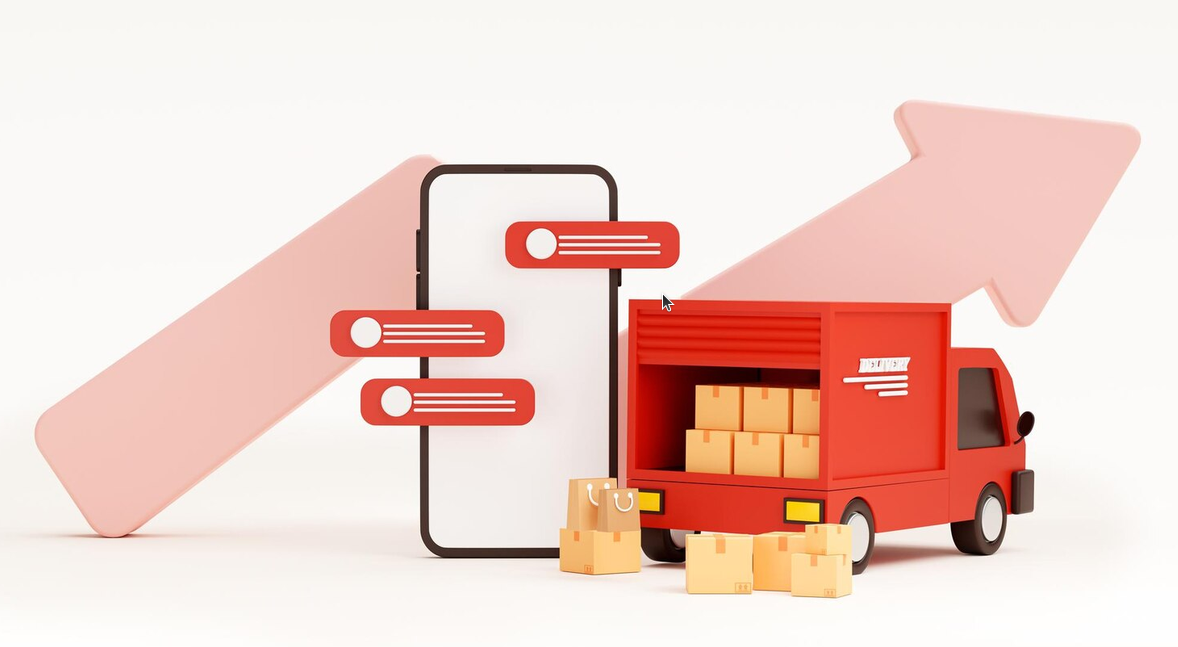
Dropshipping is a popular business model on Shopify for those who want to sell products but don’t want to manufacture or stock them themselves. Instead of importing goods in advance, you simply choose products from a supplier and list them on your store.
When a customer places an order, it’s sent to the supplier for processing. They are responsible for packaging and shipping directly to the buyer, while you profit from the difference between the selling price and the purchase price.
The appeal of dropshipping is that you can quickly experiment with many different products without needing a large capital investment. If a product doesn’t sell, you can simply replace it with another product without worrying about inventory.
However, because the barrier to entry is low, the level of competition is also very high. Many stores may sell the same product at similar prices. To gain an advantage, you should focus on building your brand, optimizing the customer experience, and choosing reliable suppliers instead of just competing on price.
Pros:
- No need to stock inventory.
- Easy to test new products.
- Low initial capital.
- Can expand quickly once a promising product is found.
Cons:
- Difficult to control product quality.
- Delivery time depends on the supplier.
- Profit margins are often low, and competition is high.
Suitable for: People who want to start an online business with little capital and enjoy researching product trends.
Sell Physical Products

If you already have your own products or want to build a long-term brand, selling physical products offers many growth opportunities on Shopify. You can sell a wide variety of products, such as fashion, cosmetics, food, accessories, household goods, or products you manufacture yourself. Shopify provides a full range of tools to manage products, inventory, payments, shipping, and customer service, making store operations simpler.
Unlike POD or Dropshipping, you have complete control over product quality, packaging, and customer experience. This is a major advantage if your goal is to build a long-term, valuable brand rather than focusing on short-term sales.
However, this model requires a larger investment because you need to import goods, store inventory, and manage inventory. If demand forecasting is inaccurate, you may face risks related to excess inventory or storage costs.
Pros:
- Control over quality and branding.
- Profit margins can be higher.
- Easy to build a loyal customer base.
Cons:
- Requires capital for inventory.
- Requires inventory and logistics management.
- Risk of excess inventory if demand forecasts are inaccurate.
Suitable for: Businesses or individuals who already have a product and want to develop their own brand.
Sell Digital Products
In recent years, digital products have become an increasingly attractive option due to their low operating costs and virtually unlimited revenue potential. You only need to create a product once, but you can sell it to thousands of customers without incurring production or shipping costs.
Popular digital products on Shopify include ebooks, Canva templates, Notion templates, printables, Lightroom presets, fonts, AI prompts, design files, music, stock photos, and resources for learning and work.
After a customer makes a payment, the system automatically sends a download link or grants access, making the entire process almost automated.
Despite high profit margins, digital products also face the risk of being copied or shared illegally. Therefore, instead of focusing solely on the quantity of products, you should invest in content quality, build your personal brand, and continuously update your products to create unique value.
Pros:
- No inventory required.
- No shipping costs.
- High profit margins.
- Easy to automate and scale.
Cons:
- Easily copied.
- Requires expertise or skills to create quality products.
- Requires frequent content updates to remain competitive.
Suitable for: Designers, marketers, creators, freelancers, and those looking to generate passive income.
Create a Subscription Business

If your goal is to build a stable income stream rather than constantly seeking new customers, the subscription model is a worthwhile option.
Instead of a one-time sale, customers subscribe to a service or product package on a monthly or yearly basis. Shopify supports many applications that make it easy to implement this model, from managing recurring payments to automatic subscription renewals.
Subscriptions are not only suitable for physical products like coffee, nutritional supplements, or beauty boxes, but are also widely used for memberships, exclusive content, software, online courses, or digital resource libraries.
The biggest strength of this model is its ability to generate recurring revenue, making it easier for businesses to forecast cash flow and increase customer lifetime value. However, to encourage customer renewals, you need to continuously deliver new value and maintain a positive post-sales experience.
Pros:
- Stable and predictable revenue.
- Advantages: Increases customer lifetime value.
- Customer retention costs are typically lower than acquiring new customers.
Cons:
- It’s difficult to retain customers if the value isn’t attractive enough.
- Requires continuous investment in the product or service.
- Requires a long-term customer care strategy.
Suitable for: Businesses looking to build sustainable revenue streams or content creators providing resources and services on a membership model.
Sell Handmade Products

If you think Etsy is the best place to sell handmade items, you’re right. But you should also know that Shopify is another platform that can help you sell these products effectively. Having your own website gives you more control over building your brand image, providing customer service, and avoiding dependence on the algorithms or transaction fees of third-party platforms.
The handmade products popular on Shopify are diverse, ranging from jewelry, scented candles, pottery, handmade soaps, crochet items, to home decor and personalized gifts. The common thread among these products is their uniqueness and the story behind each item – a factor many customers are willing to pay a higher price for.
However, handmade products are also time-consuming and labor-intensive. As order volume increases, self-production can become a bottleneck, hindering scaling up. Therefore, from the outset, consider the production, packaging, and shipping processes to meet the needs as the business grows.
Pros:
- Easy to differentiate from mass-produced products.
- Can command higher prices due to its handcrafted and exclusive nature.
- Builds a sustainable brand.
Cons:
- Difficult to scale up if handcrafted.
- Time-consuming and labor-intensive.
- Production costs are often higher than those of industrial goods.
Suitable for: Artisans, DIY enthusiasts, or brands selling handcrafted products.
Become a Shopify Affiliate

You don’t necessarily need to sell products to make money with Shopify. If you own a blog, YouTube channel, TikTok, or have a following on social media, you can join the Shopify Affiliate program to earn commissions by referring new users.
It works quite simply: you share your affiliate link in articles, videos, or tutorials about Shopify. When someone signs up for Shopify through your link and meets the program’s requirements, you’ll receive a commission.
This model is suitable for content creators or those with expertise in e-commerce. Instead of directly handling orders or customer service, you can focus on creating useful content and building trust with your readers.
Nevertheless, to generate a stable income, you need quality traffic and content that truly delivers value. Affiliate marketing isn’t a quick way to make money, but with proper investment, it can become a long-term source of passive income.
Pros:
- No need to create or manage products.
- No need to handle shipping or customer service.
- Can generate passive income from content.
Cons:
- Requires building a quality website or content channel.
- Income depends on traffic and conversion rates.
- Takes time to build credibility.
Suitable for: Bloggers, YouTubers, influencers, SEO content writers, and affiliate marketers.
Offer Shopify Services

The growth of Shopify has led to a huge demand for business support services. If you have skills in e-commerce or digital marketing, you can absolutely earn money by providing services to Shopify stores. Popular services include website design, SEO optimization, Facebook or Google advertising, email marketing, content writing, interface design, conversion rate optimization (CRO), and store management.
Unlike selling products, this model allows you to leverage your existing expertise to generate income without large capital investments. Once you have a large client base and a stable workflow, you can also expand into an agency or build your own team.
The drawback is that income is often tied to working hours, especially in the early stages. Therefore, many freelancers later combine selling templates, courses, or digital products to create additional passive income streams.
Pros:
- No capital required for inventory.
- Can start immediately with existing skills.
- The income per project is relatively high.
Cons:
- Income depends on the number of clients.
- Difficult to scale if working alone.
- Requires continuous updating of knowledge and new trends.
Suitable for: Freelancers, marketers, designers, SEO specialists, developers, or agencies.
Develop Shopify Apps or Themes

If you have programming or interface design skills, you can make money by developing apps or themes for Shopify. This model has a higher barrier to entry but also offers huge revenue potential.
Millions of merchants on Shopify always need tools to optimize their business operations, from email marketing, inventory management, loyalty programs to AI, SEO, and data analytics. If your app solves a specific problem, you can sell it on a one-time fee or charge a monthly subscription fee.
Similarly, high-quality themes are always in demand as many businesses want to build professional stores without hiring programmers.
To succeed with this model, in addition to technical skills, you need to understand the needs of merchants and regularly update your products according to the latest versions of Shopify.
Pros:
- Almost unlimited scalability.
- Can generate recurring revenue from subscriptions.
- High profit margins after product completion.
Cons:
- Requires advanced programming or design skills.
- Requires frequent product maintenance and updates.
- Takes a long time to develop initially.
Suitable for: Developers, UI/UX designers, or SaaS startups.
Sell Online Courses or Coaching

If you have experience in a field like Shopify, SEO, Digital Marketing, Print-on-Demand, Dropshipping, or design, selling your knowledge can be just as profitable as selling products.
You can create online courses, 1:1 coaching programs, workshops, or memberships to share your experience and help others achieve similar goals. Shopify can be used to sell courses, process payments, and integrate with training platforms like Thinkific, Teachable, or Kajabi.
The advantage of this model is its low operating costs and high profit margins. After completing a course, you can sell it to many students without having to produce it from scratch. However, to convince customers to pay, you need to build credibility, demonstrate expertise, and continuously update content to reflect new trends.
If combined with a blog, YouTube, or email marketing, you can create a content ecosystem that attracts students and develops your personal brand long-term.
Pros:
- High profit margins.
- No need to manage inventory or shipping.
- Easy to integrate with personal branding and other revenue streams.
Cons:
- Requires time to build credibility.
- Requires significant effort to create quality content.
- Requires regular knowledge updates to maintain course value.
Suitable for: Professionals, freelancers, marketers, creators, or anyone who wants to turn knowledge and experience into a long-term income stream.
Which Shopify Business Model Should You Choose?
There is no single “best" monetization model on Shopify. The right choice depends on your budget, skills, available time, and long-term business goals.
If you’re a beginner, prioritize models with low initial costs and minimal risk to gain experience. Meanwhile, if you have expertise or own your own product, you can choose models that offer better brand building and more sustainable profitability.
The table below provides a quick comparison of 10 Shopify monetization methods to help you find the most suitable model.
| Business Model | Startup Cost | Difficulty | Profit Potential | Scalability | Best For |
| Print on Demand | ⭐ | ⭐⭐ | ⭐⭐⭐⭐ | ⭐⭐⭐⭐⭐ | Newcomers, designers, and sellers who want to start a business with little capital. |
| Dropshipping | ⭐ | ⭐⭐ | ⭐⭐⭐ | ⭐⭐⭐⭐ | People who want to experiment with products and trends. |
| Physical Products | ⭐⭐⭐⭐ | ⭐⭐⭐ | ⭐⭐⭐⭐⭐ | ⭐⭐⭐⭐ | Businesses or individuals who already have a product. |
| Digital Products | ⭐ | ⭐⭐⭐ | ⭐⭐⭐⭐⭐ | ⭐⭐⭐⭐⭐ | Creator, designer, marketer, freelancer |
| Subscription Business | ⭐⭐ | ⭐⭐⭐⭐ | ⭐⭐⭐⭐⭐ | ⭐⭐⭐⭐ | The brand wants to generate recurring revenue. |
| Handmade Products | ⭐⭐ | ⭐⭐⭐ | ⭐⭐⭐⭐ | ⭐⭐ | Artisans, sellers of handcrafted products |
| Shopify Affiliate | ⭐ | ⭐⭐⭐ | ⭐⭐⭐ | ⭐⭐⭐⭐⭐ | Blogger, YouTuber, SEO content, influencer |
| Shopify Services | ⭐⭐⭐ | ⭐⭐⭐ | ⭐⭐⭐⭐ | ⭐⭐⭐ | Freelancer, marketer, agency |
| Apps & Themes | ⭐ | ⭐⭐⭐⭐⭐ | ⭐⭐⭐⭐⭐ | ⭐⭐⭐⭐⭐ | Developer and startup SaaS |
| Online Courses / Coaching | ⭐ | ⭐⭐⭐⭐ | ⭐⭐⭐⭐⭐ | ⭐⭐⭐⭐ | Expert, creator, coach |
If you’re still unsure where to start, consider these suggestions:
- You have under $500 to start with: Print-on-Demand, Dropshipping, or Digital Products are low-risk options that don’t require inventory.
- You’re good at design or content creation: Consider print-on-demand or selling digital products to leverage your existing skills.
- You already have your own products or brand: Shopify is a suitable platform to open an online store and grow your business long-term.
- You have expertise in marketing, SEO, or Shopify: Offering services, selling courses, or doing Shopify affiliate marketing can provide a stable income stream without managing products.
- You’re a programmer: Developing Shopify apps or themes is a model with great potential for scalability and recurring revenue.
- You want to build a sustainable business: Prioritize models that can create long-term assets such as physical products, subscription businesses, or digital products.
The key is not to start with too many business models at once. Instead, focus on one business direction that suits your current resources, build a stable and optimized process before expanding to other models. This is also how many successful brands on Shopify grow their businesses.
Tips to Make More Money on Shopify
If you’ve chosen the right business model on Shopify, the next step is to build an effective growth strategy. Regardless of your chosen model, there are core principles that will help you increase revenue and achieve sustainable growth. Below are seven strategies that most successful Shopify businesses apply.
Validate Your Idea Before Investing
Don’t rush into spending weeks building a store or investing heavily in a product without knowing if the market truly needs it.
Before you begin, take the time to research customer needs. You can use tools like Google Trends, Google Keyword Planner, Ahrefs, or refer to best-selling products on Amazon, Etsy, and TikTok Shop to assess market interest. Additionally, competitor analysis will help you understand the gaps your brand can exploit.
Validating your idea from the start will help you reduce risk, avoid wasted time, and focus resources on opportunities with the highest potential for revenue.
Focus on a Specific Niche
A common mistake for newcomers is trying to sell a product or service to everyone. In reality, successful brands often start by serving a specific customer group very well.
Instead of building a store selling all kinds of gifts, focus on a niche such as gifts for pet lovers, teachers, gamers, or couples. If you sell courses or offer services, clearly define your target audience instead of aiming for an overly broad market.
Focusing on a niche makes it easier to build your marketing message, differentiate yourself from competitors, and attract the right customer group with specific needs.
Build a Brand, Not Just a Store
Today, customers buy not only products but also trust in a brand.
Whether you sell t-shirts, digital products, or consulting services, invest in building a professional brand through a consistent brand name, logo, imagery, quality content, and positive customer experience.
A strong brand will help you:
- Increase customer trust.
- Reduce reliance on price reductions to compete.
- Encourage repeat customers.
- Create a long-term advantage over competitors selling the same products.
Instead of focusing solely on making a sale, aim to build a brand that customers will readily remember and recommend to others.
Diversify Your Traffic Sources
Don’t let your entire revenue depend on a single marketing channel.
Many businesses focus solely on Facebook Ads or TikTok Ads. However, when advertising costs increase or algorithms change, revenue can also decrease significantly.
For sustainable growth, build multiple traffic sources such as:
- SEO
- Google Search
- TikTok
- YouTube
- Email Marketing
Diversifying your customer sources not only reduces risk but also creates more stable traffic in the long term.
Deliver an Excellent Customer Experience
Whether you sell products or services, customer experience is always a deciding factor in whether they return.
Ensure customers have a positive experience at every stage, from visiting your website to completing their order. A user-friendly website, clear information, a simple payment process, and prompt customer support will increase conversion rates and build trust.
Don’t forget to nurture customer relationships after the sale by sending thank-you emails, responding quickly to questions, or encouraging customers to leave reviews. These positive experiences can generate more repeat orders and natural referrals than any advertising campaign.
Track Your Performance and Optimize Continuously
Success on Shopify doesn’t come from guessing what works, but from analyzing data and continuously improving.
Regularly monitor key metrics such as website traffic, conversion rates, revenue by channel, acquisition costs, and the products or services that generate the most revenue.
Tools like Shopify Analytics, Google Analytics 4, and Google Search Console will help you understand where your customers are coming from, how they interact, and what areas need optimization.
Small changes based on real data often yield far greater results than constantly experimenting based on intuition.
Think Long-Term Instead of Chasing Trends
Many beginners often spend too much time searching for “winning products" or chasing fleeting trends. While this might generate short-term revenue, it’s difficult to build a sustainable business.
Instead, focus on values that can accumulate over time, such as:
- Building a brand.
- Developing quality content.
- Creating a loyal customer base.
- Collecting customer emails.
Continuously improving your product or service.
By possessing these assets, your business will be less dependent on paid advertising or short-term trends, and will have the potential for steady growth over many years.
Make Money on Shopify with Merchize
If you want to start with Print-on-Demand, choosing the right fulfillment partner is just as important as choosing your product or niche. A company with a diverse product catalog, consistent quality, and a good order processing system will save you a lot of time running your store. Merchize is one such option, with over 800 POD products, its own production system, and the ability to ship to major markets such as the US, UK, Europe, and Australia.
But it doesn’t stop there. To make selling on Shopify more convenient, Merchize has also launched the Merchize Shopify App. With just a few connection steps, you can synchronize products with your store, automatically transfer orders to the production system, and track fulfillment status directly on Shopify. This significantly reduces manual operations, especially as your store starts receiving more orders.
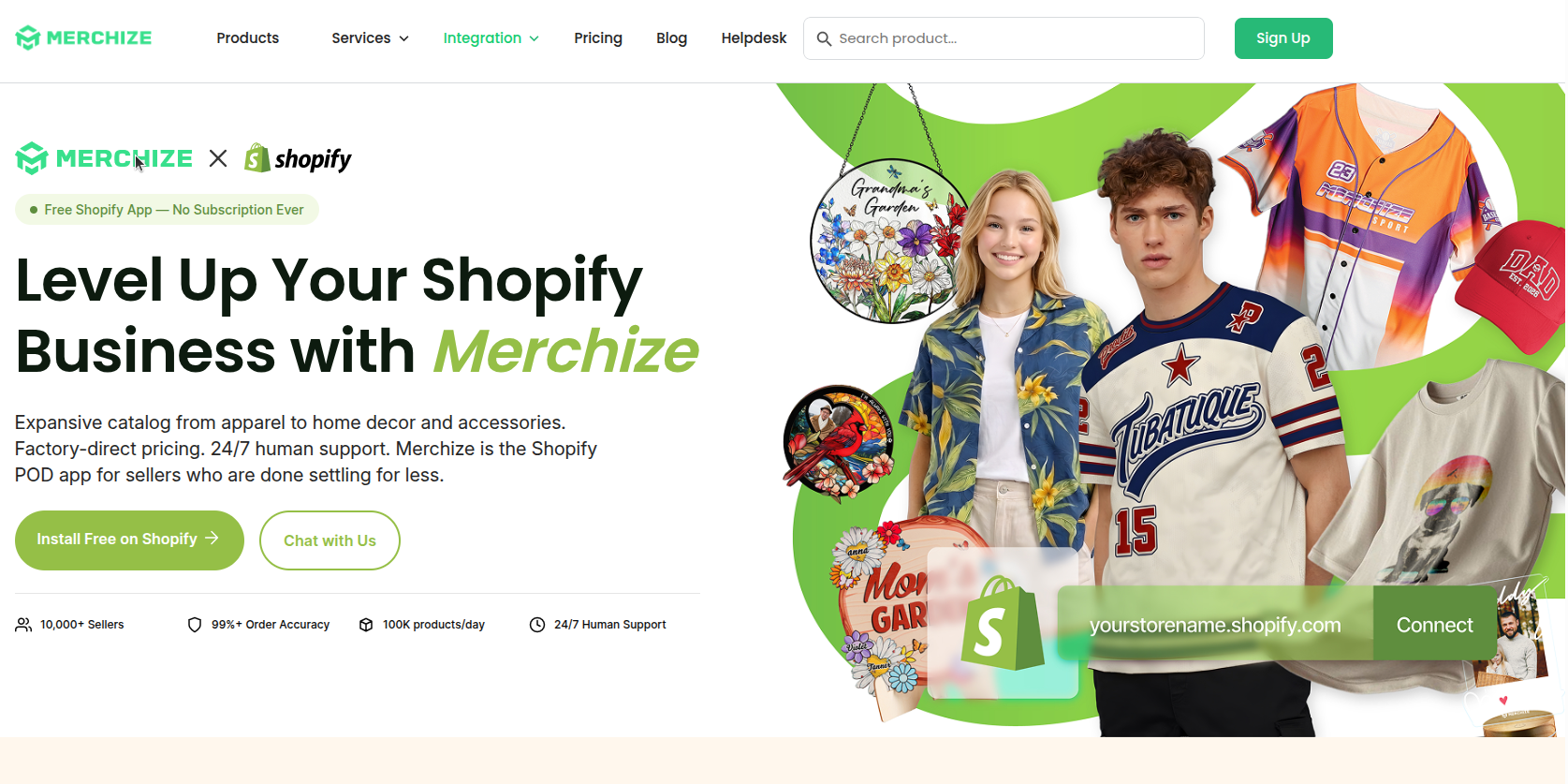
In short, if you’re looking for an easy-to-start POD solution that can scale with your business, Merchize is a platform worth trying. Instead of spending a lot of time on operations, you can focus on more important things like market research, creating new designs, and developing your brand.
FAQs
1. Can you really make money on Shopify?
Yes. Thousands of entrepreneurs, creators and businesses generate income through Shopify every day. However, Shopify is simply an ecommerce platform it doesn’t guarantee success. Your results will depend on factors such as the business model you choose, the products or services you offer, your marketing strategy and how well you understand your target customers.
2. How much money do I need to start a Shopify store?
The amount you need depends on your business model.
- Print-on-Demand, Dropshipping or Digital Products: You can often get started with a relatively small budget, mainly covering your Shopify subscription, domain name and initial marketing.
- Physical Products or Handmade Products: You’ll likely need additional capital for inventory, packaging and shipping.
- Services, Affiliate Marketing or Online Courses: Startup costs are usually lower since you’re selling your expertise or promoting products rather than managing inventory.
No matter which model you choose, it’s a good idea to start small, validate your idea and scale as you begin generating sales.
3. What is the easiest way to make money on Shopify?
For beginners, Print-on-Demand, Dropshipping and Digital Products are often the easiest models to start because they require less upfront investment and don’t involve managing inventory.
If you already have professional skills such as graphic design, SEO, web development or digital marketing, offering Shopify-related services or selling online courses may help you generate income more quickly.
4. How long does it take to make money on Shopify?
There’s no fixed timeline. Some sellers make their first sale within days, while others may take several months to build consistent traffic and optimize their store.
Your success largely depends on:
- Choosing the right niche.
- Offering products or services people actually want.
- Driving qualified traffic to your store.
- Continuously improving your marketing and customer experience.
Instead of focusing on how quickly you’ll make money, aim to build a business that can grow sustainably over time.
5. Is Shopify good for beginners?
Absolutely. Shopify is widely considered one of the most beginner-friendly ecommerce platforms thanks to its intuitive interface, built-in sales tools and large ecosystem of apps and integrations.
Even if you don’t have coding experience, you can launch a professional-looking online store using ready-made themes and connect it with tools for payments, shipping, marketing and Print-on-Demand.
6. What is the most profitable business model on Shopify?
There isn’t a single “best" business model for everyone.
- Print-on-Demand is ideal for creators who want low startup costs.
- Digital Products often offer the highest profit margins because there are no production or shipping costs.
- Subscription Businesses can generate predictable recurring revenue.
- Physical Products have strong long-term branding potential.
- Shopify Apps can be highly scalable but require technical expertise.
The most profitable model is ultimately the one that aligns with your skills, budget and long-term goals.
7. Do I need an LLC or business license to sell on Shopify?
This depends on the laws and regulations in your country or region.
In many places, you can start selling as an individual. However, as your business grows, registering a business entity may provide legal protection, tax benefits and increased credibility with customers. If you’re unsure, consult your local government authority or a qualified tax professional.
8. Can I use Shopify for Print-on-Demand?
Yes. Shopify integrates with many Print-on-Demand providers, allowing you to sell custom products without holding inventory.
Once a customer places an order, your fulfillment partner handles production and shipping, while you focus on creating designs, marketing your store and growing your brand. This makes Print-on-Demand one of the most popular ways for beginners to start an e-commerce business on Shopify.
Final Thoughts
There’s no formula for overnight success on Shopify. However, sustainable businesses share commonalities: they understand their customers, continuously optimize their operations, and persistently build their brand instead of focusing solely on short-term sales.
Start with a suitable model, apply the strategies above, and constantly experiment and improve. Over time, small but consistent changes will create a competitive advantage and help your business grow sustainably on Shopify.