When the “Call to the Post” trumpet sounds at Churchill Downs, attention is not only drawn to the excitement of the race itself but also shifts toward the vibrant shopping market surrounding the event. From standout hats and themed outfits to commemorative gifts, demand for Kentucky Derby merchandise rises sharply each season and forms a clearly defined customer base with strong aesthetic preferences and a willingness to spend.
The question is: among countless products on the market, which options truly match buyer tastes and have the potential to generate real sales? Let’s dive in to find the answer.
“Gold mine” from the Kentucky Derby event in 2026
Kentucky Derby 2026 will take place on May 2, 2026 — an annual milestone that consistently drives a strong wave of shopping demand. This is a period where demand is already highly predictable, and if executed at the right time, sellers can achieve fast sales velocity and quick inventory turnover.
Churchill Downs attracts hundreds of thousands of on-site attendees each year, along with millions of viewers watching via broadcast. This creates a massive customer base, ranging from general buyers to high-spending segments.
The most valuable aspect lies in the intersection of sports and fashion. The Kentucky Derby is not just a horse race, but a “runway-like stage” where participants seriously invest in their personal appearance. As a result, demand goes beyond basic souvenirs and extends to items that clearly carry the identity of the event.
Specifically, customers are willing to spend more on standout apparel such as statement hats, bows, and recognizable accessories, as well as lifestyle products inspired by American culture such as gifts and themed everyday items.
Overall, this is a segment where purchasing decisions are driven more by emotion and experience than by rational comparison. For sellers, this opens up clear opportunities to tap into higher-margin product lines.
Key timeline for product launch
The Kentucky Derby is essentially a full “sales week” with multiple demand touchpoints. Breaking the timeline into phases helps sellers launch products at the right moment instead of focusing only on race day.
Early warm-up stage (April 25 – April 27, 2026)
Opening Day 2026: The Derby atmosphere begins, and attendees start preparing outfits and accessories.
Family & Brunch Day 2026: Demand grows for casual products and matching outfit items.
Morning Training 2026: Hardcore fans start paying closer attention, and merchandise demand gradually increases.
This stage is a “warm-up window” suitable for pushing easy-to-buy, mid-priced items such as basic outfits, simple accessories, and small gift products.
High build-up stage (April 28 – April 30, 2026)
502’s Day: Local pride and Kentucky culture become more prominent.
Winsday: Community-driven activities where participants still dress in Derby-themed outfits.
Thurby: A peak moment for fashion and cultural expression, with strong demand for standout outfits.
At this stage, sellers should focus on concept-driven and visually strong products. Buyers are actively finalizing purchases, so listings need stronger visuals and clearer messaging.
Peak conversion stage (May 1 – May 2, 2026)
Kentucky Oaks 2026: A pink dress code dominates, driving strong demand for color/theme-based products.
Kentucky Derby 2026: The absolute peak of the season in terms of traffic and purchasing power.
This is the stage for fast-moving, trend-driven products with optimized SEO and advertising. Customers compare less and make faster purchase decisions, making conversion significantly easier.
Kentucky Derby merchandise ideas: what should you sell?
If you look closely at buyer behavior during the Kentucky Derby season, purchases are rarely random. Most customers start with a “key item” to build their outfit first, then gradually add smaller complementary pieces. This means your product strategy should follow a clear logic: a main product that drives traffic and conversion, and supporting products that increase order value.
1. Hats & headwear (the evergreen best-seller)
This is the most iconic category of the Kentucky Derby. In fact, for many customers, the hat is the outfit. That’s why demand is consistently high every year.
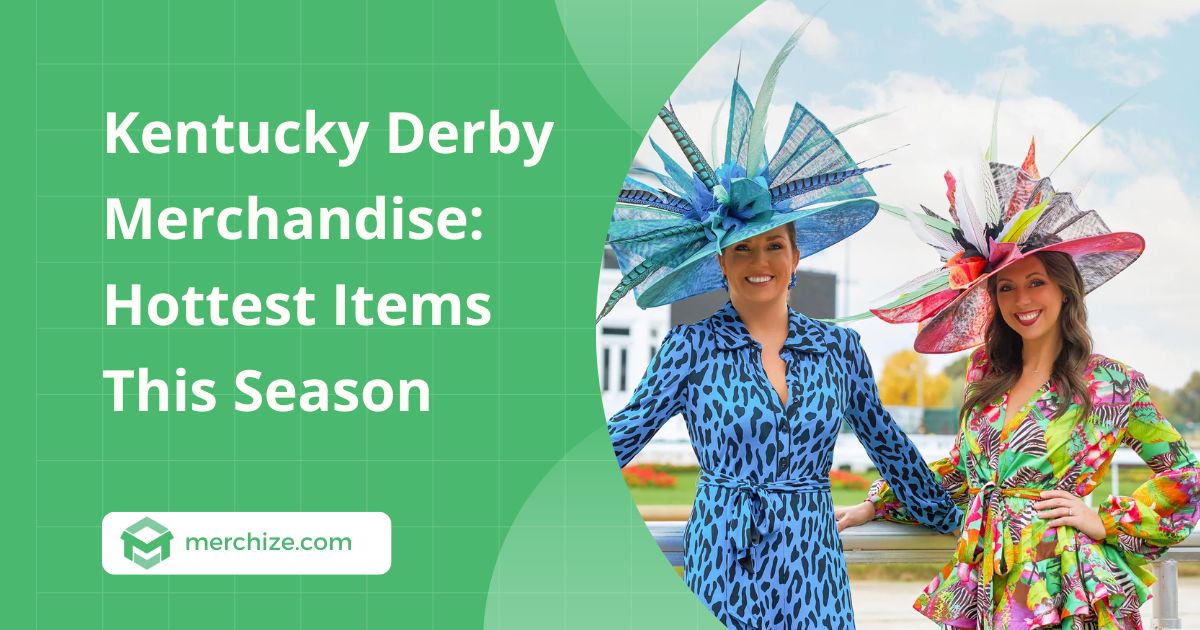
Fascinators (small headpieces) work especially well for online selling because they are lightweight and easy to ship, while wide-brim statement hats with flowers, feathers, and bold colors create strong visual impact and grab attention instantly.
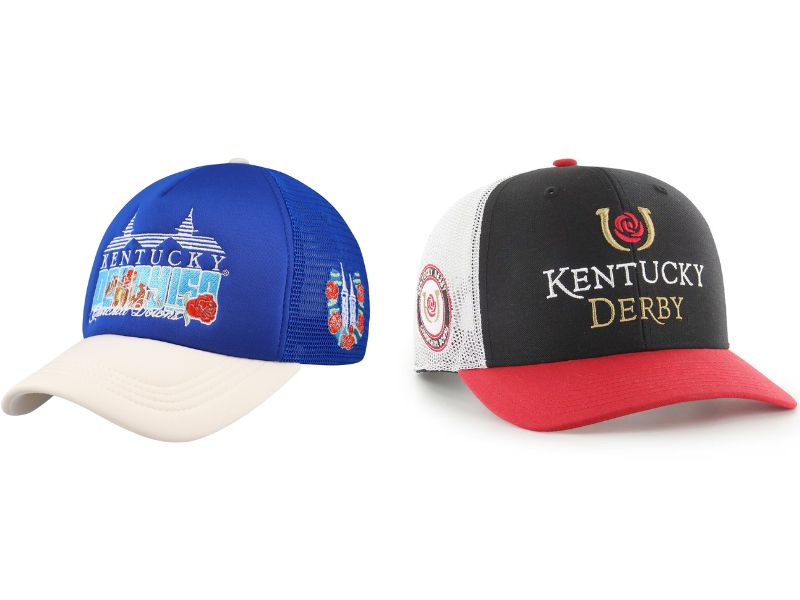
On the other hand, casual styles like trucker hats and ball caps help you expand beyond the “formal Derby look” and reach younger or more relaxed buyers who still want to join the vibe.
2. Lifestyle accessories
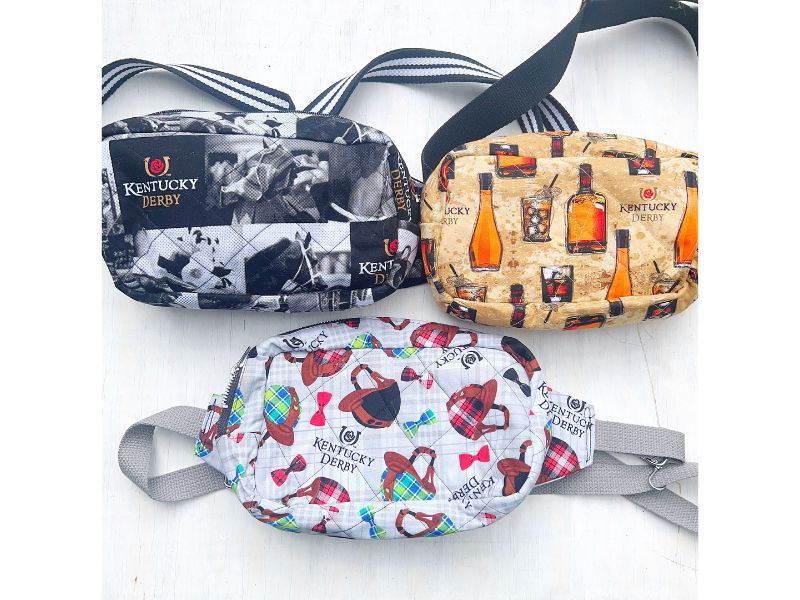
Once you have a strong core product, lifestyle accessories play a very clear role: increasing average order value (AOV). Items like tote bags, tumblers, and belt bags are rarely the main reason customers enter a store, but they are extremely easy to add to cart because they feel useful and still match the Derby theme.
The key here is simplicity. If the design is too “event-only,” it loses long-term value. If it feels usable beyond the event, it sells better and drives repeat purchases.
3. Jewelry
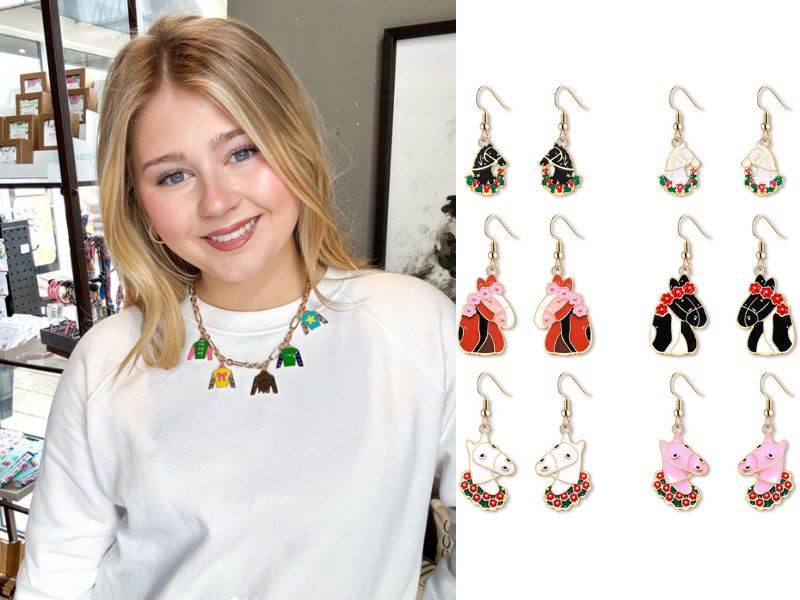
Jewelry works as a supporting layer for customers who want to complete their outfit without spending too much. Earrings, necklaces, and bracelets with floral elements or subtle symbols like horses or horseshoes tend to perform well because they are easy to match and not overly restrictive in style. From a seller perspective, this category is attractive because of its low production cost and relatively strong margin per unit.
4. Apparel
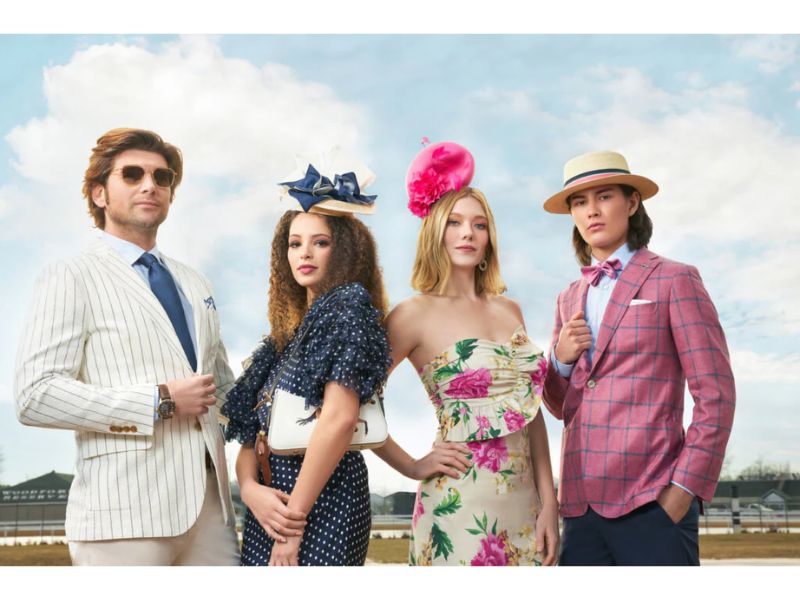
Apparel is one of the biggest revenue drivers, but also one of the most competitive categories if done in a generic way. The key is not just printing designs on shirts, but capturing the Derby vibe.
For women, long dresses, floral patterns, and bright, elegant outfits align well with the event atmosphere. For men, polo shirts, T-shirts or suits with preppy, light-color aesthetics tend to perform better. If executed properly, apparel can become your core revenue engine due to its volume potential.
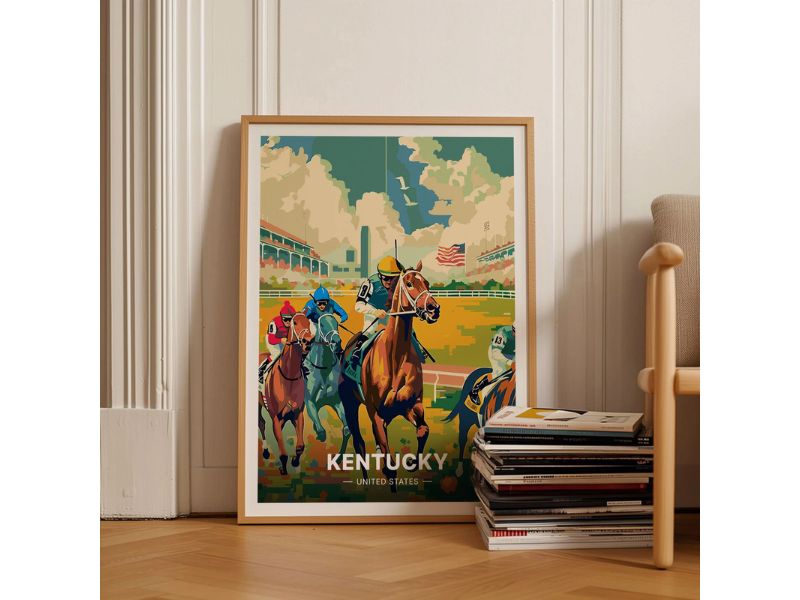
5. Posters & wall art
This category is smaller but consistent, especially among customers who enjoy collecting or decorating by season. Vintage-style artwork, typography-based designs, and horse racing themes tend to work well because they immediately feel “Derby-related” without requiring complex design work.
6. Party & event items
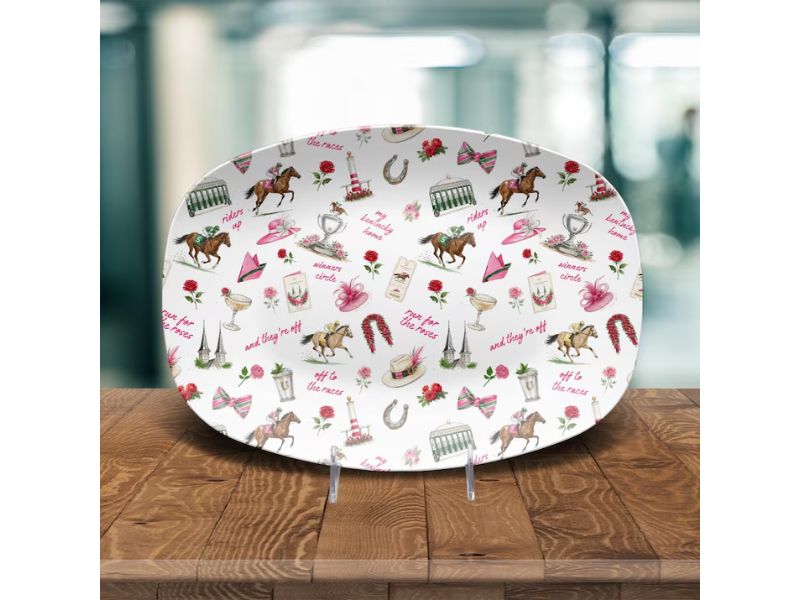
Products like platters, tableware sets, and party decorations are not the largest segment, but they are often overlooked and therefore less competitive. They also align well with customers hosting Derby watch parties at home, making them a good niche opportunity for sellers looking to diversify.
Symbols you can leverage on your products
Customers buying Kentucky Derby merchandise are typically drawn to strong, instantly recognizable visual cues of the event. If you choose the right symbols, your products become immediately “understood” which directly improves conversion.
Horse racing imagery
Of course, when it comes to the “soul” of the entire event, horse imagery is always a core element in product design.
However, using a simple horse graphic is not enough and often leads to overcrowded, repetitive listings. A more effective approach is to turn this symbol into a distinctive design language: minimalist silhouettes for easier printing, line art for a more premium feel, or combining the horse element with typography to build a complete visual concept.
The number “152”
The number “152” directly taps into FOMO psychology. It signals a “limited to this year” type of design, which naturally encourages faster purchasing decisions because customers understand it won’t come back. For sellers, this is a low-cost way to significantly increase perceived value without changing the actual product structure.
Jockey, race track, and racing elements
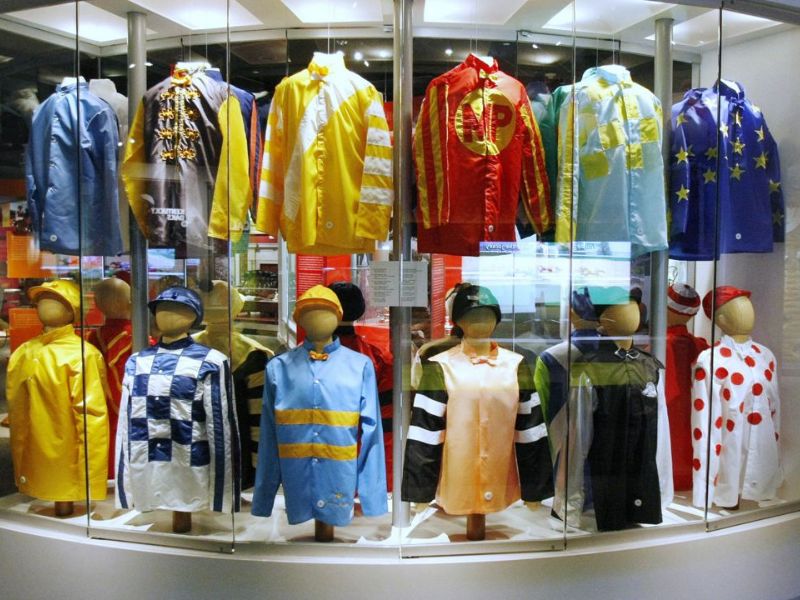
Elements like jockeys, race tracks, and stadium visuals help you avoid looking “generic.” Customers who are familiar with the Derby are less convinced by overly basic designs. They look for something with more depth and context and this is exactly how you differentiate yourself from mass-market listings.
Red rose
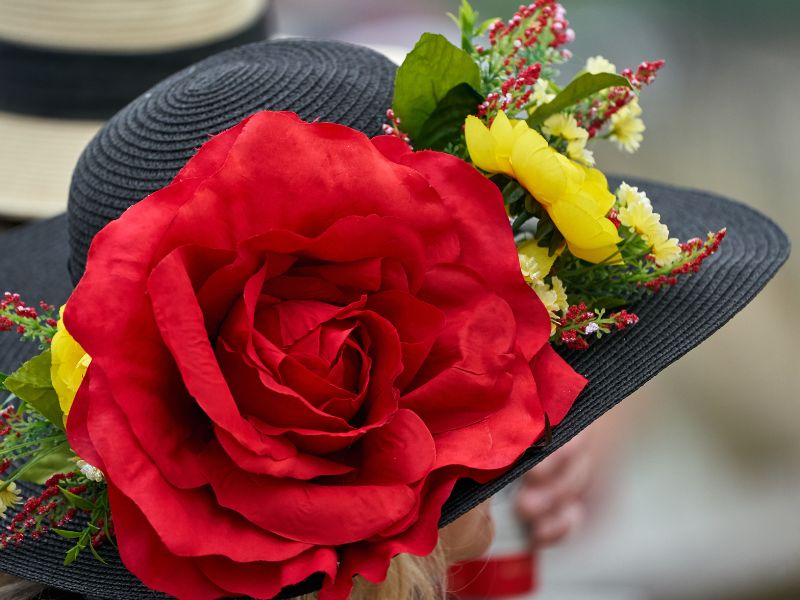
The red rose is a key symbol directly tied to the Derby, yet many sellers underutilize it. The Kentucky Derby is often referred to as the “Run for the Roses,” meaning the rose is not just decoration but a cultural symbol of victory and tradition.
When used properly, especially with vintage typography or classic layouts, it can elevate a design from simple apparel to a story-driven product.
“KY” lettering
Local identifiers such as “KY” (Kentucky) also play an important role in increasing authenticity. These types of designs tend to perform well on apparel and accessories because they are simple, recognizable, and still strongly connected to the event.
Color considerations on Kentucky Derby merchandise
Color is one of the most influential factors in purchase decisions.
Instead of using random tones, you should follow the signature Derby palette. Pastel shades like baby blue, butter yellow, mint, and powder pink are consistently present because they match the spring atmosphere.
In addition, pink plays a dominant role during Kentucky Oaks day, while combinations like gold, champagne, olive green, and even color-blocking styles are becoming increasingly popular.
The key insight is that customers are willing to choose bold and distinctive color combinations as long as the overall look remains stylish. This is why overly neutral or repetitive color schemes often underperform in a highly visual market like Kentucky Derby.
The race is about to return to Churchill Downs. This is not just the opening moment of America’s most iconic horse racing event, but also the beginning of a major sales surge in 2026 for Kentucky Derby merchandise. Don’t stand on the sidelines watching this market unfold. Start early, optimize your designs and product lineup, and turn this Derby season into one of your strongest revenue opportunities of the year.
Ngan Nguyen is an SEO Writer experienced in producing engaging, trustworthy, and high-quality content at Merchize. Her work centers on delivering value-led content that strengthens brand identity, supports long-term SEO performance, and empowers sellers to make confident decisions.
Discover the best products to sell for FIFA World Cup 2026. Explore top POD ideas, design tips, and proven strategies to maximize your sales during this global event.