
Contents
If there is one fashion trend that rules the streets and dominates the wardrobes of modern style lovers, it is definitely oversized clothing. Moving away from strict body standards, loose-fitting clothes focus on comfort, flexibility, and breaking traditional rules in everyday fashion.
Catching the oversized clothing trend is a great opportunity for your store to boost profits. This article will explain the whole market picture, help you choose the right key products, and give you a step-by-step guide to build a sustainable oversized clothing store.
What is oversized clothing?
Selling loose-fitting clothes does not mean taking a size M shirt and simply scaling up its measurements to 3XL. Every standard oversized product on the market is designed entirely separately.
It is true that oversized fashion is designed to be larger than standard sizes. The shoulder seams usually drop lower onto the arms, sleeves are wide, and the body of the shirt has a relaxed fit. The goal of this design is to create a simple, free-spirited look, focusing on the product’s shape and how the fabric drapes on the body.
Many new sellers confuse Oversized clothes with Plus-size clothes. In fact, Plus-size targets fuller-figured customers who need clothes that fit larger body measurements.
Meanwhile, Oversized is a style choice. The product features dropped shoulders, a wider body, and looser sleeves than usual, but details like the collar, sleeve length, and bottom hem still keep standard proportions so the wearer does not look lost in the clothes.
Oversized clothing is also different from baggy clothing. Classic baggy clothes are wide all over, which can easily look messy or drag on the ground. In contrast, oversized design is clearly intentional. Wearers can easily style an oversized jacket with tight leggings, or use a belt to shape a big shirt. The overall outfit looks spacious while still showing a clear fashion intention.
Therefore, correctly understanding the nature of oversized items is essential to help sellers easily choose the right fit and build a product list that accurately meets consumer tastes.
Why oversized clothing is trending in the U.S. in 2026?
Entering 2026, the oversized style has become the new shopping norm in the U.S. market. This represents a deep shift in consumer fashion culture, opening up massive opportunities for fashion businesses.
According to market research, the global oversized apparel industry reached $130.18 billion in 2025 and is expected to climb to $136.74 billion in 2026 (fortunebusinessinsights). Expanding at a steady CAGR of 6.20%, the market is projected to top $221.22 billion by 2034, proving that the demand for relaxed, comfortable silhouettes is stronger than ever.
The rise of streetwear culture
The U.S. market is heavily influenced by streetwear culture. Starting in skate parks and hip-hop music, this style has now filled high-end shopping malls. The heart of streetwear lies in comfort and a free-spirited feel, with relaxed hoodies and loose T-shirts as its main icons. As streetwear goes mainstream, oversized clothing quickly becomes an essential item for young customers.
Read more: Top 10 Streetwear Trends Dominating the Fashion Market Now
Viral reach from social media and influencers
Social media platforms like TikTok and Instagram act as strong drivers for shopping demand. Celebrities and fashion influencers frequently post loose-fitting daily outfits, creating a rapid viral effect. Whenever a famous fashion house showcases an oversized sweatshirt paired with sneakers, search volume for similar items on e-commerce platforms spikes immediately.
Cross-generational appeal: From Gen Z to Millennials
Gen Z has rejected the traditional idea that clothes must fit tight to look flattering. They prioritize comfort and freedom of movement over old rules.
At the same time, Millennials are gradually replacing skinny jeans with loose, breathable designs. This joint support from two key customer groups turns oversized clothing into one of the most sustainably selling product lines in the market.
Key oversized clothing trends to sell in 2026
As mentioned, 2026 marks a strong shift in the oversized clothing trend. Designs no longer stop at simple looseness, but go deeper into pattern structures, colors, and material sustainability. Understanding these exact features will help sellers easily choose products that are easy to sell and offer good profit margins.
Boxy Fits and Layering Techniques
Structures have shifted to the Boxy fit (a square shape, with a moderately short body length but wide width). This design completely solves the problem of long shirts making the wearer look shorter. Expanding the chest and armholes by one to two sizes creates the perfect space for layering techniques.
Customers can easily combine T-shirts, dress shirts, and jackets while keeping freedom of movement. For sellers, this fit is very easy to sell because it covers a broad size range, reducing inventory risks caused by sizing errors.
Styled Shoulder Structures and Drop-Shoulder Cuts
Shoulder details serve as the main anchor that shapes the entire oversized silhouette. This year’s trend focuses on deep drop-shoulder cuts combined with thin shoulder pads or reinforced double stitching.
This solution helps the shirt maintain width across the chest while the fabric falling down the sleeves stays neat, creating a firm, structured shape. This is the exact element that turns a loose shirt into a high-end item, helping products achieve a better selling price in the market.
90s Streetwear and Skateboard Style
Inspiration from 90s street culture and skateboarding continues to be a solid design foundation for oversized clothes. This style features a relaxed fit with wide cuts that allow wearers to move comfortably. Details like vintage graphic prints, retro color-blocking, or washed effects give products a distinct character. This product line heavily attracts young customers, helping shops easily build a dynamic and stylish image.
Vintage and Retro Styles
The rise of nostalgia causes classic-inspired designs to bring in strong sales. The spirit of this style shines through oversized turtleneck sweaters, color-blocked windbreakers, or American-style sweatshirts. The pattern structure emphasizes natural drape and comfort, completely opposite to the tight fits of previous eras. This product group helps sellers effectively reach customers who love simple, timeless fashion.
Minimalist Surfaces and Focus on Fabrics
The market is seeing a clear decline in large graphic prints or flashy logos. Customers prefer solid colors that focus entirely on stitching quality and fabric texture.
Standard-fit items in white, black, or navy blue show significantly higher repeat purchase rates. Removing complex printing details also helps factories optimize costs, reduce defective product rates, and shorten production times.
Neutral and Earthy Color Palettes
The 2026 color palette honors nature with shades like olive green, sand brown, and slate blue. These tones reduce visual brightness, making large-sized outfits look harmonious and easy to wear in daily life. From a buyer’s perspective, neutral colors make it easy to mix and match individual items within the same store, which helps increase the average order value.
Sustainable Shopping Trends and Basic Essentials
The habit of buying cheap fast fashion is gradually being replaced by the demand for durable products. Customers are willing to pay higher prices for oversized items made from thick fabrics that hold their shape and do not deform after multiple washes. Promoting basic essential items with high-grade fabric is an effective strategy for sellers to optimize operating costs, reduce return rates, and build long-term brand trust.
Best Trending Oversized Clothing Products to Sell
In the oversized clothing category, not every product brings the same business results. Selecting the right hero products requires sellers to clearly understand design structures, styling versatility, and operational cost optimization for each item.
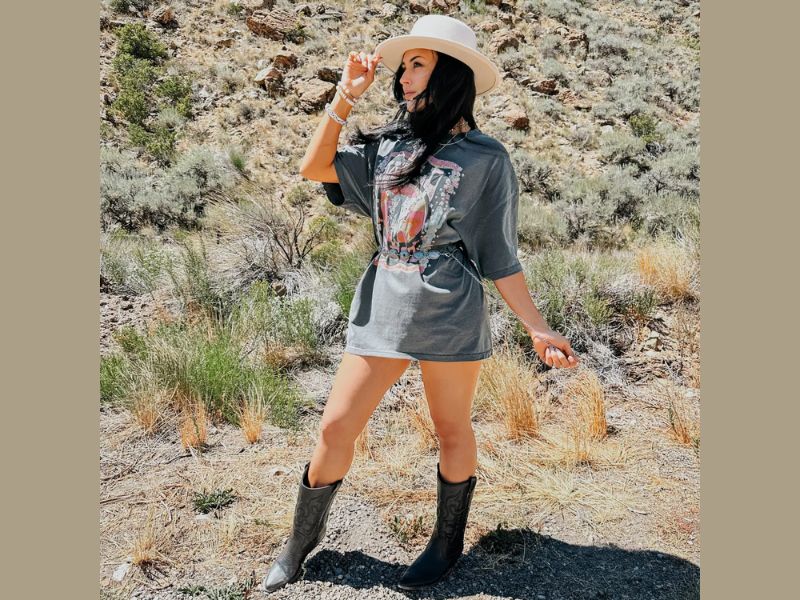
Oversized T-Shirts and Hoodies
Oversized T-shirts and hoodies are essential basic items with the highest consumption volume, generating stable cash flow year-round. From an operational perspective, this product line offers an extremely high safety margin because it is easy to wear and fits almost every body type. Customers buying these items rarely hesitate over sizing, which helps sellers significantly reduce complaint rates and return costs caused by fit issues.
In particular, investing in high-weight cotton fabric (GSM from 230 – 280) along with a reinforced collar structure will make this the product line with the highest customer repeat purchase rate. This year’s minimalist trend allows sellers to cut down completely on complex printing costs, focusing resources on standard fits to boost profit margins.
Wide-Leg Denim and Baggy Pants
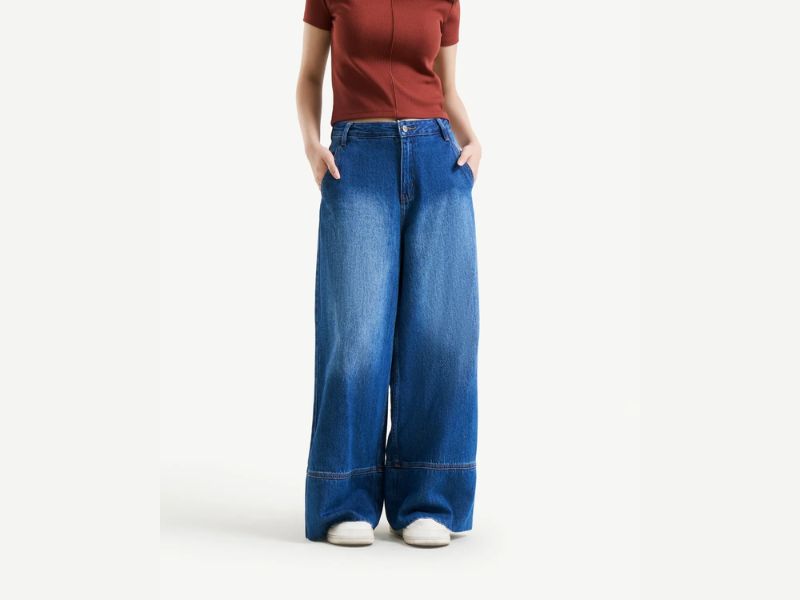
The shift from tight pants to wide-leg denim and baggy styles marks a major change in consumer habits. This is a golden opportunity for sellers to increase average basket value, as denim pants are always in the mid-to-high price segment. Modern design structures focus on keeping the waist fitted while widening from the hips down to the hem, which effectively solves body shape concerns for the wearer.
High usability makes this product line an essential item in any wardrobe. Customers are willing to pay higher prices for a pair of jeans that hold their shape and last long. Adding oversized denim to your store catalog allows you to easily create bundle offers with T-shirts or jackets, helping you drive higher sales.
Oversized Sweatshirts and Fleece Jackets
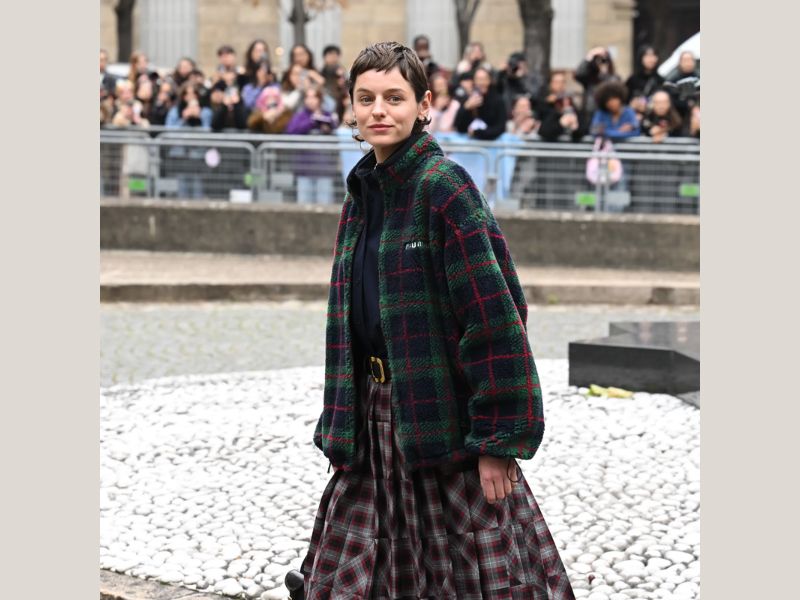
Oversized sweatshirts and fleece jackets are strategic weapons to explode sales during the autumn-winter season. Featuring thick fabrics and firm structures, these products convey a clear sense of premium quality at first sight. This line allows sellers to set much higher prices than regular loungewear by meeting the need to look good for work, school, and outdoor activities.
The excellent layering ability of oversized sweatshirts makes it easy for sellers to run eye-catching visual campaigns, encouraging customers to buy complete outfits. High durability combined with a relaxed fit extends the product lifecycle, creating a major competitive edge.
Oversized Blazers and Long Coats
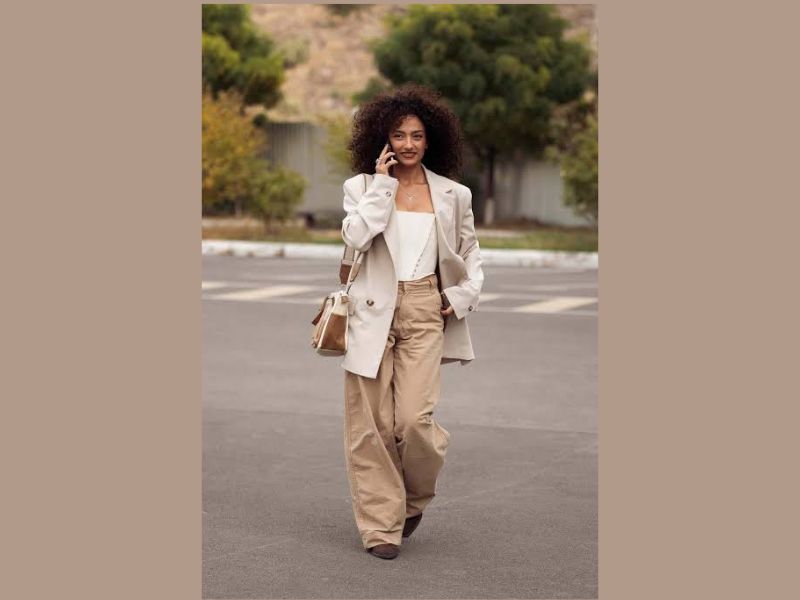
Oversized blazers and long coats also bring high profit margins within the oversized category. Structured shoulder padding and exaggerated tailoring cuts give these items a neat, modern look without feeling restrictive. This is a perfect solution for young office workers or creative professionals looking for a balance between professionalism and comfort.
An oversized blazer acts as a “brand-positioning product," helping elevate the overall credibility and value of your shop. When offering a standard-fit blazer, sellers can easily convince customers to add basic inner pieces, such as T-shirts or dress shirts, to their purchase.
Oversized Dress Shirts and Flannel Shirts
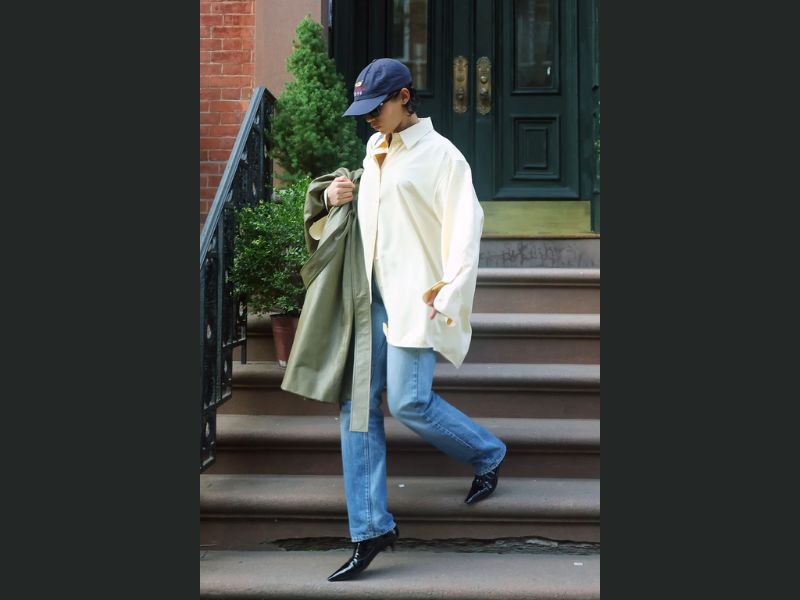
Oversized dress shirts help sellers maximize customer demand across all four seasons. A big shirt made of poplin or flannel can switch flexibly between multiple functions: worn on its own, layered over a T-shirt as a light outer jacket, or used as a styling accent.
This versatility makes content creation and media imagery extremely rich. Sellers can showcase various outfit suggestions with just a single product code, reaching a wider range of customer segments.
How to Choose the Right Fabric for Oversized Clothing
One more important point is that fabric choice directly determines the drape, fit, and durability of oversized clothing. Choosing the right material helps sellers improve product quality, build store credibility, and reduce negative review rates.
High-Weight Cotton and Jersey Fabric
For oversized T-shirts, high-weight cotton (GSM from 230 – 280) is the top priority. The thick fabric helps the shirt hold its shape, keeps it from clinging to the body, and maintains its signature boxy look. Jersey fabric, with its good stretch and soft surface, is also an ideal choice for daily T-shirts, offering comfort during movement while retaining a natural drape.
Heavy Fleece and Thick Knitwear
Fleece jackets, hoodies, or sweatshirts require heavy fleece fabric (such as French terry or fleece-lined fabric) to create a firm feel, a structured rounded fit, and a neat shape. Meanwhile, thick-knit oversized sweaters feature a prominent woven texture that makes the garment look much more luxurious. These materials provide great warmth, give clear structure to winter outfits, and make items easier to sell in higher price segments.
Linen and Lightweight Breathable Cotton for Summer
Summer oversized clothing should prioritize cool feel and good air circulation. Linen or lightweight cotton allows garments to drape naturally following body movements without trapping heat. For oversized dress shirts or sportswear, breathable fabrics protect against the sun while staying cool, helping your store maintain steady sales even during hot seasons.
Balancing Lightweight and Heavyweight Fabrics
Understanding fabric weight helps sellers advise customers accurately. Lightweight materials like cotton, linen, or jersey offer a soft drape that gently hugs the figure for a neat look. Conversely, heavy materials like denim, canvas, or thick wool deliver a firm, structured, and defined shape. Skillfully combining these two fabric groups in one outfit helps loose clothing look balanced without drowning the body or appearing too messy.
How to Build a Best-Selling Oversized Clothing Line
Step 1: Choose a Clear Niche Market
Identify your target customer segment clearly, such as minimalist streetwear, oversized activewear, or vintage style. Focusing on a specific niche helps optimize marketing messages and advertising costs.
Step 2: Select the Right Suppliers and Manufacturing Partners
This is the key step that determines your store’s quality and credibility. Sellers should choose suppliers that offer accurate oversized fits to ensure thick fabric that does not pill or lose shape after washing. Prioritize partners with stable production capacity, fast processing times, and ready stock to avoid operational breakdowns during peak seasons.
Step 3: Focus on 2–3 Hero Products
Start lean with items that have the highest conversion rates, such as Boxy fit T-shirts, hoodies, or wide-leg denim pants. Limiting your initial product catalog helps keep capital management safe and quality control simple.
Step 4: Optimize Designs for the Oversized Fit
Ensure prints and graphic artwork are proportionate to the specific wide fit. Avoid using a single print size across all garment sizes, which causes the clothing to look visually unbalanced.
Step 5: Build a Consistent Color Palette
Choose easy-to-sell, easy-to-match colors like white, black, heather grey, paired with earth tones. A seamless color palette helps increase opportunities to sell multi-item bundles in a single order.
Step 6: Test Products and Scale Up Winning Items
Launch items on your store in moderate quantities to measure real consumer response. Once a best-selling item is identified, quickly focus marketing resources, optimize cost of goods sold, and scale up your business.
Conclusion
Oversized fashion has established its position as a modern dressing standard rather than a short-term wave. Mastering pattern design fundamentals, choosing the right fabrics, and partnering with reputable suppliers serve as the core foundation for stores to optimize conversion rates and minimize operational risks. By catching the oversized clothing trend and building a high-quality loose-fit product line, sellers can proactively meet market demand, boost average order values, and grow a sustainable brand in 2026.