Contents
The apparel retail market is seeing a strong shift under the direct influence of the young generation. Understanding the exact shopping mindset and core traits of Gen Z fashion helps sellers easily choose the right products, stay ahead of trends, and maximize profits. Below is a detailed analysis of the lifestyle, taste, and top fashion trends favored by this generation.
Key Takeaways
- Gen Z is not loyal to a single fixed aesthetic, so product lines need to be flexible enough to mix different styles while keeping their own identity
- Oversized, baggy, and unisex fits are strong foundations for product development, but surface treatments, graphics, and design details are what make a basic item stand out
- Opposite trends like Elevated Minimalism and Maximalism can live together in one catalog, showing Gen Z’s diverse need for self-expression
- For Gen Z, a design becomes appealing when it shows taste or connects to a specific community; clear niche styles can create a better competitive edge
- Pay attention to how Gen Z styles their outfits: an item that is easy to mix with many styles can meet different wearing needs and boost cross-selling opportunities
- Vintage, washed, patch, embroidery, or custom details help products feel unique
- TikTok, Instagram, and Pinterest help spot rising aesthetics, but sellers need to turn trend signals into clear product choices such as fits, fabrics, colors, and details before adding them to their catalog
Understanding Gen Z fashion mindset and style choices
Gen Z (born 1997–2012) currently accounts for 25% of the global population and is expected to reach $12 trillion in purchasing power by 2030. They are no longer just potential customers, but have become the main consumer force. To sell to Gen Z, sellers need to clearly understand their dressing mindset and shopping decision-making process.
1. Gen Z fashion mindset: Identity and flexibility
To talk about Gen Z fashion, we must mention “unapologetic fashion." This means Gen Z does not follow a fixed style or traditional outfit rules.
- Absolute freedom and bold mixing: They do not care about old styling rules. Gen Z is ready to take inspiration from the past, shape nostalgic trends into sharper looks, and make their personal style a public statement. Proof of this is a series of subcultures like Y2K, Cottagecore, Dark Academia, or Indie Sleaze currently existing in the market.
- Social media as the real runway: Algorithms on TikTok, Instagram, and YouTube shape trends faster than fashion weeks. A viral short video can turn an unknown item into a sold-out hit overnight.
- Diverse but selective: Gen Z rejects mass-produced, featureless fast fashion items. They favor designs with their own story, authenticity, and uniqueness.
- Promoting personality and comfort: Instead of forcing themselves into tight outfits to achieve a neat look, Gen Z pushes the entire fashion industry toward loose, practical fits that still convey a distinct message.
In fact, there is no single style that can fully define Gen Z fashion. Their style is a flexible, highly personalized, and constantly changing collection. Therefore, do not try to frame your catalog into a fixed style. Focus on sourcing items with high usability, easy to mix & match, and quick to catch viral social media trends.
2. 6 Core factors driving Gen Z shopping behavior
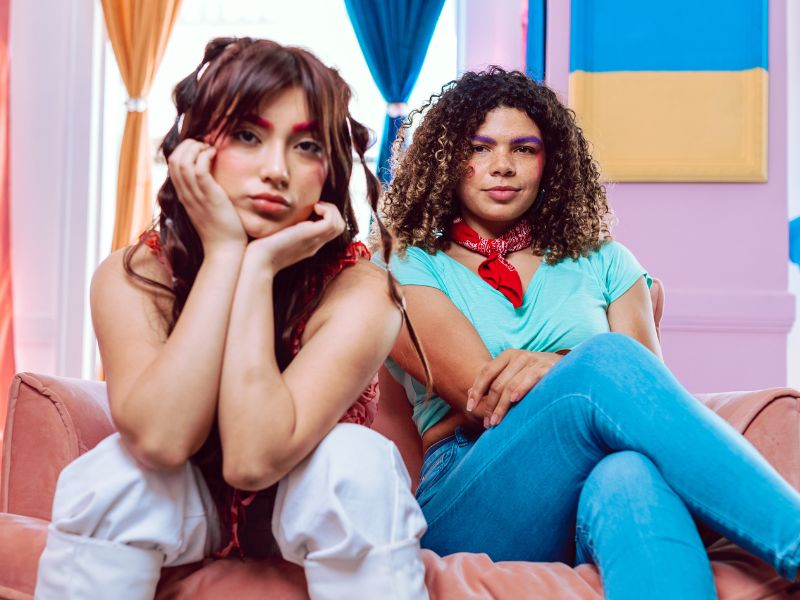
Sellers need to master the following 6 motives to build suitable collections and product messages:
- Transparency: Gen Z looks up information very fast and is sharp with marketing tricks. Brands need to provide clear information on materials, origin, and sizing charts.
- Personal identity: They buy clothes to build a diverse wardrobe. Mixing vintage jeans with a new designer top is normal, as long as the outfit shows their exact taste.
- Value upgrade: Shopping goes hand in hand with smart consumption. Sustainable materials, secondhand items, vintage clothes, or highly durable products always draw great interest.
- Real commitment: Claims about sustainability, fair production, or plus-size inclusivity must come with real action. Dishonesty will cause a brand to be boycotted quickly.
- Comfort: Gen Z prioritizes mental health and practical use. Clothes must serve daily life, leading to an advantage for soft fabrics and relaxed fits.
- Informality: Rejecting rigidity and over-polishing. Wide-leg pants (cargo, wide-leg) completely replace skinny fits, aiming for a natural and active style.
3. Assessing willingness to pay
Gen Z cares about price, but it is not the only factor when spending money. When a product meets 3 criteria: unique aesthetics + comfortable fit + transparent brand, they are willing to pay a higher price to own it. Therefore, sellers should offer Gen Z style-shaping solutions and a convincing brand story.
Main features of Gen Z fashion style
To pick the right best-selling items, sellers need to master 4 prominent characteristics shaping Gen Z dressing style.
-
Loose fits and flexible practical use
The most prominent fit characteristic in Gen Z products is oversized and baggy designs. Tight clothes or deep waist cuts step back to make room for wide, straight-leg, or loose fits.
Product structures prioritize convenience with practical details such as multi-pocket cargo pants, fit-adjusting drawstrings, dropped shoulders, and flexible elastic waists. This helps a garment item be used flexibly in many situations, from school and work to walking on the street.
See more: Oversized Clothing Trend & How to Build a Best-Selling Line
-
Gender-neutral design structure
Gen Z products show a clear removal of boundaries between men’s and women’s size charts. Key product lines like t-shirts, hoodies, sweatshirts, sweaters, and cargo pants often use neutral size parameters, allowing both genders to wear them. The color palette for this product line focuses heavily on neutral tones such as gray, black, cream, earth brown, or washed tones.
-
Surface treatment techniques and nostalgic details
Regarding product details, Gen Z especially likes designs with fabric surfaces treated to create an old or handcrafted effect. Popular design details include acid wash, mineral dye, exposed seams, slightly frayed edges, or screen prints in Y2K and 90s sportswear style. These details create a unique touch for products, helping outfits look deep and distinct from mass-produced fast fashion items.
-
Contrasting styling mindset on a single product
Designs favored by Gen Z often feature built-in contrasts in fabric or silhouette. This is a mix of stiff fabrics like denim and canvas with soft fabrics like cotton jersey and knitwear; or a mix of tailored details like shirt collars and blazers with street details like metal zippers and cargo pockets. When sourcing stock, sellers should look for multi-use items that are easy to separate and mix with other basic pieces in the wardrobe.
Top 20 Gen Z fashion trends – What are they prioritizing to wear?
As analyzed above, the vast majority of Gen Z prioritizes comfort, personality, nostalgia, and smart shopping habits. The best-selling Gen Z product catalog focuses on versatile, easy-to-style items with highlight details.
1. Sustainable fashion and smart consumer mindset
Sustainability to Gen Z is neither a theoretical slogan nor a dogmatic label, but has become a practical shopping mindset. This customer group pays special attention to material durability, transparent production processes, and product resale value on the second-hand market.
This strongly drives the growth of clothing lines made from recycled fabrics, organic fibers, as well as secondhand items. This is an ideal segment to develop print-on-demand products or limited-edition collections.
2. Streetwear
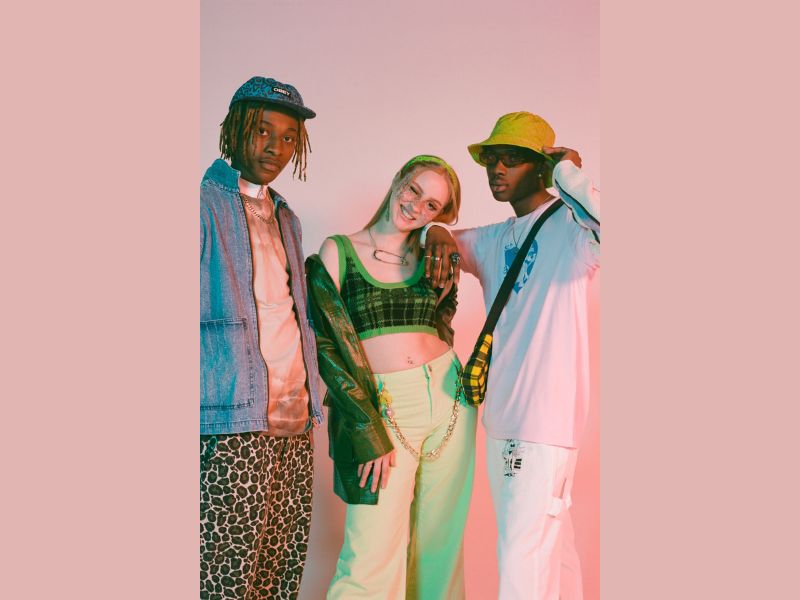
Streetwear continues to hold a unique position in Gen Z’s daily fashion thanks to its ability to balance comfort and wearer personality. The main point of this style is combining loose fits with free-style mixing. A standard structure would be wide-leg jeans or multi-pocket cargo pants paired with an oversized t-shirt or a boxy hoodie, along with visible high socks and plain sneakers.
In this segment, Gen Z prioritizes thick fabrics, standard fits, and neat stitching finish. For sellers, streetwear is the product line that brings the most stable sales. Sellers should focus on importing basic items with high-quality fabric (like heavy-weight cotton, French terry), and standard loose fits to build a foundation for customers to easily mix with other accessories.
Detail: Top 10 Streetwear Trends Dominating the Fashion Market Now
3. The revival of Retro style
The charm of Retro style lies in using accents from the past and combining them with a modern design language. Gen Z constantly draws inspiration from the 70s and 90s to transform them into new looks. Representative products for this trend include washed denim jeans, classic track jackets, nostalgic patterned knit sweaters, retro print shirts, and classic-shaped handbags.
To catch the Retro trend here, you need sharpness in selecting details. Sellers should prioritize items using distressed color-washing techniques, natural aged effects, or vintage prints, helping products look deeper and more distinct.
4. Moderated and refined Y2K trend
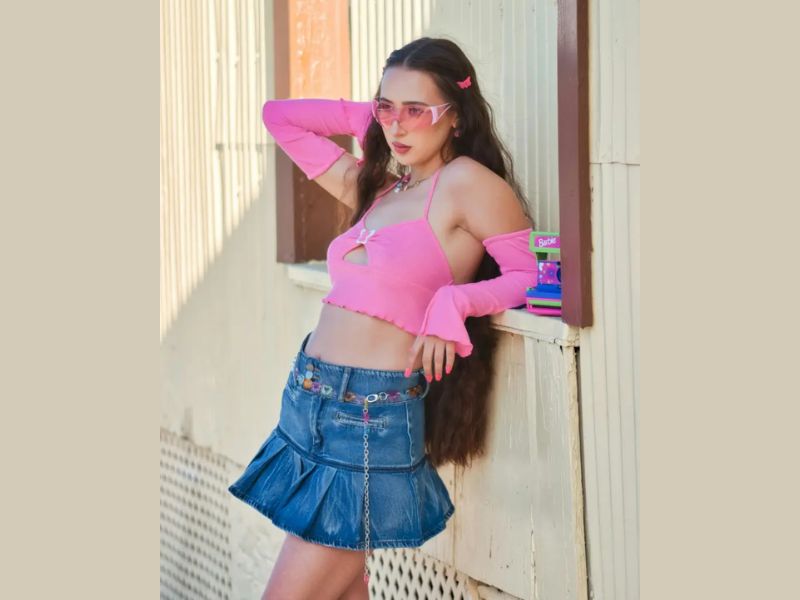
Gen Z does not recreate the entire early 2000s fashion in its original form, but drops overly busy details and keeps only the most striking elements. Modern Y2K style is upgraded to look sleek and catchy while still ensuring high practical use. These include low-rise pants, fitted baby tees, metallic fabrics, rhinestone patterns, shoulder bags, and butterfly accessories.
A common combination today is pairing a Y2K item (like a baby tee or a statement handbag) with minimal loose-fit pieces (like cargo pants or wide-leg jeans). When tapping into the Y2K line, keep in mind not to import fully cluttered original sets, but focus on individual statement pieces so customers can easily cross-buy and mix with their existing wardrobe.
5. Gender-neutral fashion
The appeal of gender-neutral fashion comes from a complete release from traditional clothing molds. Gen Z does not intentionally try to look overly different just to grab attention, but seeks clothes that bring freedom and fully express their identity.
Key designs of this trend include boxy shirts, relaxed tailored clothing, soft knit sweaters, and loose straight-leg pants. Therefore, the sizing chart for this product line uses neutral loose-fit parameters suitable for both men and women.
For retailers, investing in the Unisex line not only meets Gen Z’s new consumption wave but also brings huge business benefits: optimizing the number of stock units, minimizing inventory rates, and simplifying the order packing advice process.
6. Custom design and personalized fashion
In the era of mass industrial production, Gen Z craves uniqueness and high personal value. They do not just buy a regular t-shirt, but look for a product carrying its own story or showing a connection to a specific community. This demand drives the boom of limited edition product lines, custom detail services at store points, or clothes printed with exclusive messages.
This trend opens up a big opportunity for sellers applying flexible production models or pre-order sales. Allowing customers to embroider names, choose print patterns, or customize small details on products will help sellers significantly increase added value, thereby optimizing profit margins on each order without falling into a disastrous price drop race.
To capitalize on this segment, you should partner with a reputable print/embroidery-on-demand supplier like Merchize. This model helps sellers optimize inventory costs, eliminate the risk of unsold stock, and significantly boost profit margins on every item sold.
7. Sportswear and utility dressing trend
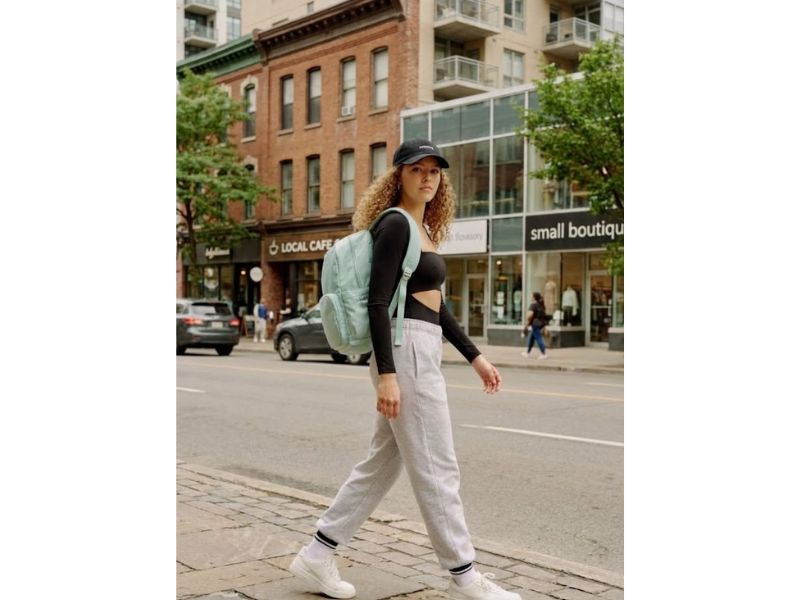
The customer group favoring sportswear usually wants comfortable, breathable, and durable items that must also look good on social media. It focuses on tone-on-tone layering, clean cuts, and trendy fits. Key items include zip-up crop jackets, slight flare yoga pants, tech joggers, ribbed tank tops, and bike shorts.
Sellers need to approach this product range as a multi-use outfit solution. Prioritize high-grade stretch fabrics, flattering fits, and modern color palettes (like earth tones and muted pastels).
8. Maximalism
Maximalism among Gen Z promotes visual explosion, bold mixing, and a spirit going against rigid rules. This trend focuses on designs with contrasting prints, vibrant color matching, and multi-layering techniques. The main characteristic lies in combining items that seem unrelated, such as a sequin dress worn under a track jacket, or chunky metal jewelry layered over a vintage print t-shirt.
This is a product range that drives strong interaction on visual platforms like TikTok and Instagram. Sellers do not need to import huge quantities for each design, but should invest in statement pieces and bold details to make image-based products more eye-catching.
9. Elevated Minimalism
On the flip side, Gen Z’s minimalist trend has escaped plain beige tones or monotonous “clean girl" styles. The new minimalist style focuses on precise cuts and high usability, but brings a warmer and more natural feel.
Representative items include crisp oversized shirts, draped tailored trousers, relaxed oversized blazers, and soft monochrome knitwear. The key lies in subtle accent details like asymmetrical button rows, oddly structured handbags, or matching accessories.
This is also a “backbone" product line bringing stable sales and cash flow. Thanks to being easy to wear, easy to mix, and rarely out of trend, sellers can import large quantities of loose-fit minimalist products in neutral tones (black, white, gray, cream, brown).
10. Techwear
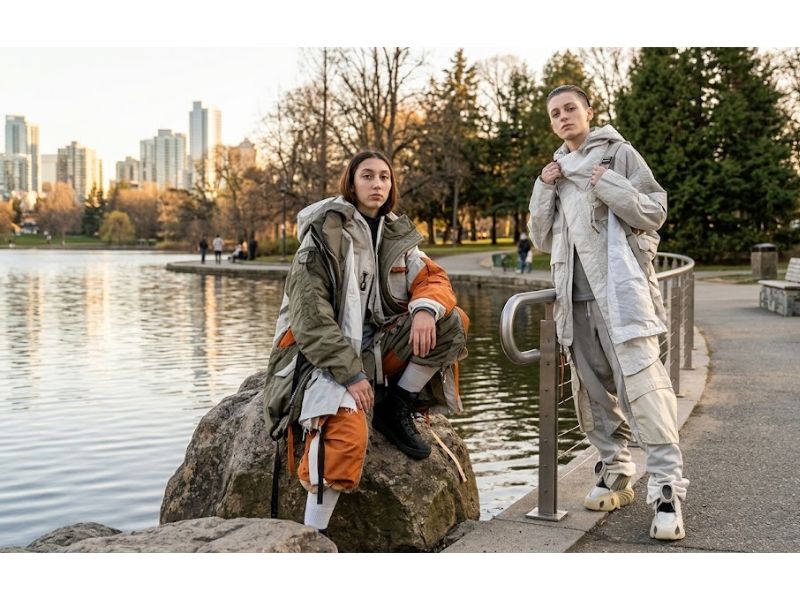
Techwear blew up from the need to adapt to Gen Z’s busy movement schedules and changing living environments. Optimizing body protection features combined with an angular, modern look is the key to this trend. Signature products include matte waterproof jackets, multi-pocket functional nylon pants, tech vests, multi-compartment crossbody bags, and specialized hiking shoes.
To sell this product line, sellers should prioritize practical Techwear items. Choose clothing models that use waterproof, wrinkle-resistant materials with smart hidden pockets while keeping a muted dark color palette (black, dark gray, smoke gray, navy blue) so wearers can easily use them in daily life.
11. Vintage items and upcycling trends
Simply put, Gen Z likes wearing old clothes, clothes remade from old fabrics, or items with an “old look" for two reasons: they want a unique look without matching anyone else and they want to protect the environment. A pair of jeans made in the 90s or a jacket made from leftover fabric is valued much higher than a mass-produced shirt in the market.
-
Products Gen Z looks for: Faded washed denim wide-leg jeans, 70s vintage print shirts, 80s shoulder-padded oversized blazers, or patchwork clothes made from different fabric scraps.
If you do not have a source for genuine secondhand items, sellers do not necessarily need to find real old clothes. Focus on importing newly produced items made in a vintage style (slightly aged fabric colors, light distressing), or create patchwork clothing models from leftover fabrics yourself.
12. Short skirts
Short skirts have overcome the stereotype of a rebellious item to become an essential piece, bringing stable sales to Gen Z’s wardrobe. This customer group looks for the freedom of body expression, modern charm, and personal confidence in a short skirt. The biggest appeal of short skirts lies in their infinite versatility: the same item can transform from a sweet, sharp look to a bold style depending on how it is paired.
The popular outfit formula today is combining short skirts with chunky leather boots, oversized blazers, croptop sweaters, or nostalgic print t-shirts. Sellers should prioritize standard fits like tennis skirts, A-line skirts, or denim/leather skirts.
13. Statement accessories
As outfits lean toward simplicity and comfort, accessories become the main tool for Gen Z to create personal highlights. The 2026 market records a boom in charms, chunky metal jewelry, stacked rings, uniquely designed belts, tinted frame sunglasses, and unique handbag shapes.
-
Business perspective: Accessories are a product group with low capital costs, high profit margins, and no size barrier concerns. Upselling statement accessories alongside basic clothing is a good strategy to increase order value.
14. Dark Academia style
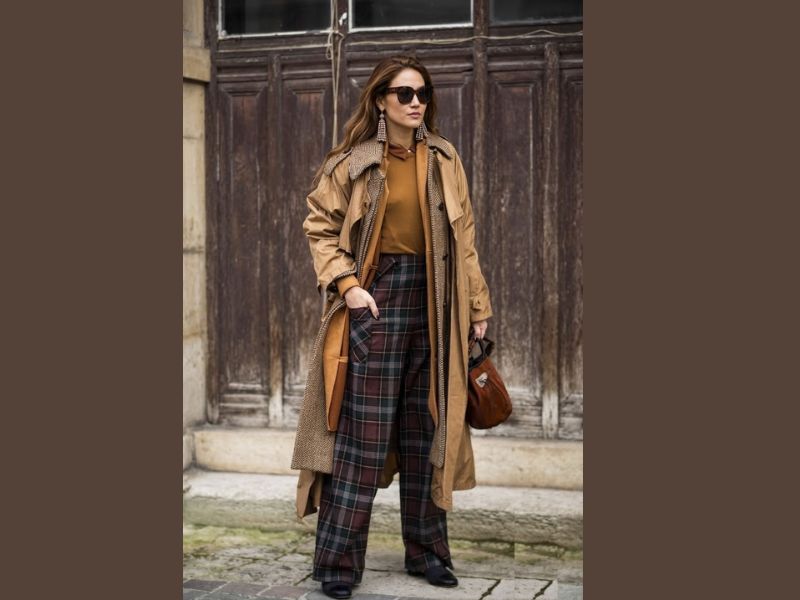
Dark Academia maintains lasting appeal by tapping into the youth’s mindset of romanticizing knowledge and nostalgic spaces. Not chasing showiness, this style carries a calm, neat tone with signature products like pleated skirts, collared shirts, long coats (trench coats/overcoats), tweed vests, turtlenecks, and leather loafers.
When importing for this trend, sellers need to pay special attention to materials and color tones. Materials like wool felt, corduroy, and leather combined with warm dark palettes (earth brown, dark moss green, slate gray, wine red) will help outfits show the true classic, luxurious, and appealing spirit.
15. Redefining 2010s fashion
Gen Z is taking office wear out of traditional workplace spaces and redefining it into hugely popular styles like Corpcore or Office Siren. They combine oversized blazers and pinstripe wide-leg trousers with details inspired by menswear. Besides, the return of peplum tops and pencil skirts with a fresh mix is also creating a huge wave of attention.
This is a product range with good profit margins and a very large customer base of students and young professionals. Sellers should prioritize boxy blazers and soft, draped high-waisted trousers for easy styling.
16. Moto Boho style
Moto Boho is a unique combination of the soft femininity of Bohemian style and the strong, rebellious feel of Biker culture. The styling formula is contrast in materials: pastel lace skirts or thin chiffon dresses paired with distressed leather jackets, heavy biker boots, and wide handbags with metal buckles. The main color palette leans toward earth tones (brown, moss green, cream, black).
This mix hits Gen Z’s need to express their distinct personality. Besides retailing single items, sell sets like a cropped leather jacket + chunky leather boots + studded bag to boost value.
17. Fisherman style
Starting as a viral trend on Pinterest and TikTok, Fisherman style quickly attracted a large following thanks to its rustic, grounded feel. Products in this trend include chunky knit sweaters, navy striped t-shirts, faded canvas jackets, handy canvas totes, and rain boots or beach shoes. Thus, this style brings a rugged look, and sellers can tap into this product line very well during autumn and winter.
18. Cottagecore style
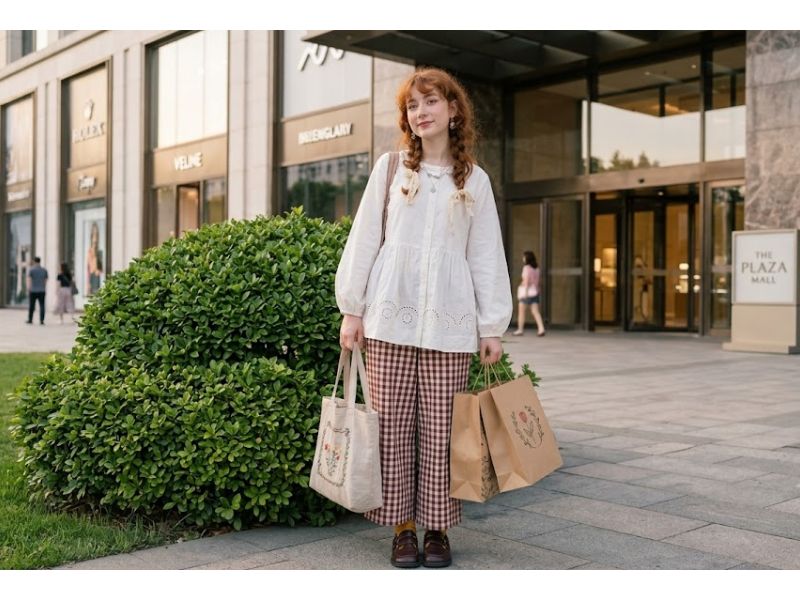
Cottagecore represents Gen Z’s desire to slow down and find peace away from modern life pressures. This style is romantic and dreamy, featuring flowing dresses, puff sleeves, handmade embroidery details, and ditsy floral prints. Every item evokes a handcrafted, rustic, and authentic feel.
This trend explodes especially during spring and summer. Sellers should focus on natural fabrics like linen, gauze, broderie anglaise, along with ruched busts and lace-up backs to attract customers who love a sweet, feminine look.
19. Trompe L’oeil optical illusion technique
In a digital world, Gen Z is excited about designs using Trompe L’oeil – a printing technique that creates 3D effects on 2D fabric surfaces. Clothes in this style print simulated seams, folds, shadows, or body contours like an illustration, blurring the boundary between real and virtual.
This is a high-fashion product line with strong image reach on social media platforms. Sellers can use 3D effect t-shirts or fitted dresses as a branding tool for the shop to drive engagement from young buyers.
20. Indie Sleaze trend
The return of Indie Sleaze (inspired by the 2006–2012 era) is an answer to overly perfect social media images. This style celebrates a messy, rebellious, and party-filled beauty. Representative items include ripped leggings/tights, distressed band t-shirts, long leather coats, metallic fabrics, and sequin details.
Gen Z styles Indie Sleaze items with an impromptu spirit: a vintage t-shirt over a metallic dress, paired with suede knee-high boots or worn-out sneakers. This is a strong statement segment for evening parties or music festivals.
Conclusion
Gen Z is not simply changing how they wear clothes, but redefining the entire operating rule of the fashion industry. For sellers, the key to mastering the market lies in understanding the spirit of freedom, comfort, and authenticity in every product. Grasping these exact Gen Z fashion trends will help sellers build effective sales strategies and convincing brand messages to conquer this high-potential customer group.