
Contents
Selling home decor has never lost its charm, but how do you choose the right products among thousands of items on the market? The answer lies in clearly understanding the Home Decor Market. This article will help you quickly catch up with the latest design trends and suggest a list of top-selling products to help you confidently take the lead.
Overview of the global home decor market
The home decor market is experiencing a very strong transformation. Specifically, according to a report by Grand View Research, the market size reached about $960.14 billion in 2024 and is expected to hit $1,622.90 billion by 2030, reaching an impressive annual growth rate of 9.4% from 2025 to 2030. This boom is driven by a series of factors: from rapid urbanization and the rise of new design trends to modern consumers’ preference for sustainable materials.
Notably, customer psychology today focuses on turning living spaces into places that show their personal style. This demand is especially high among first-time homebuyers – people who are full of energy to experiment and willing to spend big money to renovate both interior and exterior spaces.
In addition, decor tutorial content on social media like Instagram or Pinterest is constantly creating motivation for users to refresh their living spaces more often. For example, American consumers spend an average of about $5,635 on home renovation projects and $1,598 specifically on purchasing decor items.
Beyond traditional shopping methods, customer behavior has shifted strongly to digital space. More than 82% of consumers are ready to buy decor items online, and over 42% of customers even feel overwhelmed by the endless choices on the Internet. This is a great “gap of opportunity" for sellers who know how to package products, advise, and guide the aesthetic taste of buyers.
Opportunity for sellers: Why now is the time to “jump into" the home decor market?
The sustainable growth of the market does not happen by chance; it is driven by changes in consumer habits. Most prominent is the explosion of the POD industry in the home decoration sector.
- The explosion of POD model: The POD industry in home decor is expected to reach $7.4 billion in 2026 and grow to $45.6 billion by 2031 (a growth rate of 25.8% per year – Grand View Research). POD helps sellers easily enter the market with unique designs without inventory risks or the burden of storage costs.
- Leveraging social commerce: Platforms like Instagram, Pinterest, and TikTok act as both promotional channels and direct sales points. Consumers scrolling through social media for inspiration and then placing orders immediately creates a huge competitive advantage.
- Potential profit margins from high-value products: Unlike fast-moving consumer goods, home decor items are highly personalized. This allows sellers to easily set prices based on aesthetics and brand story, rather than having to jump into a fierce price war.
Consumer trends shaping the home decor market
Green living trend and priority for sustainable materials
The wave of responsible consumption is strongly driving the sustainable home decor industry. Consumers increasingly prefer products made from bamboo – a perfect alternative to wood thanks to its high durability, long lifespan, and superior aesthetics.
In addition, organic fabrics, recycled fabrics, and eco-friendly paints are also preferred to minimize negative impacts on nature. This trend spreads even faster with active support and promotion from celebrities.
Space personalization and unique aesthetic taste
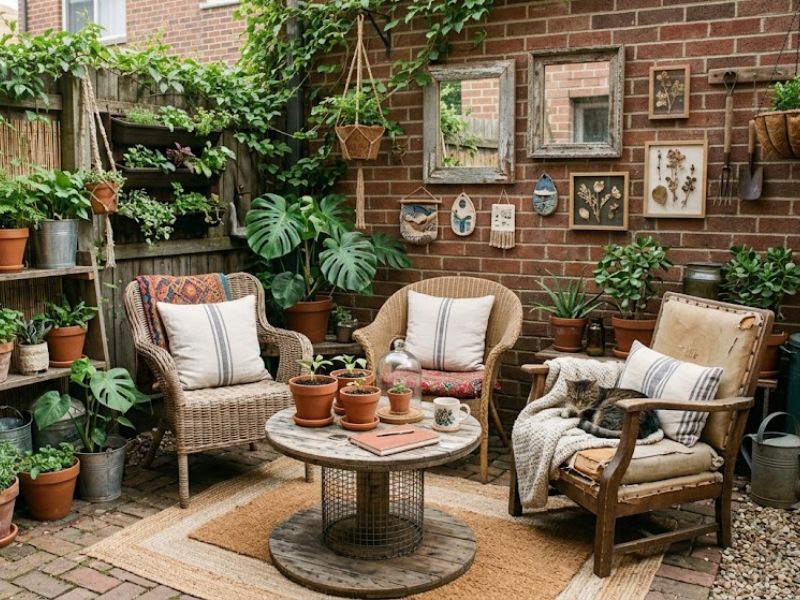
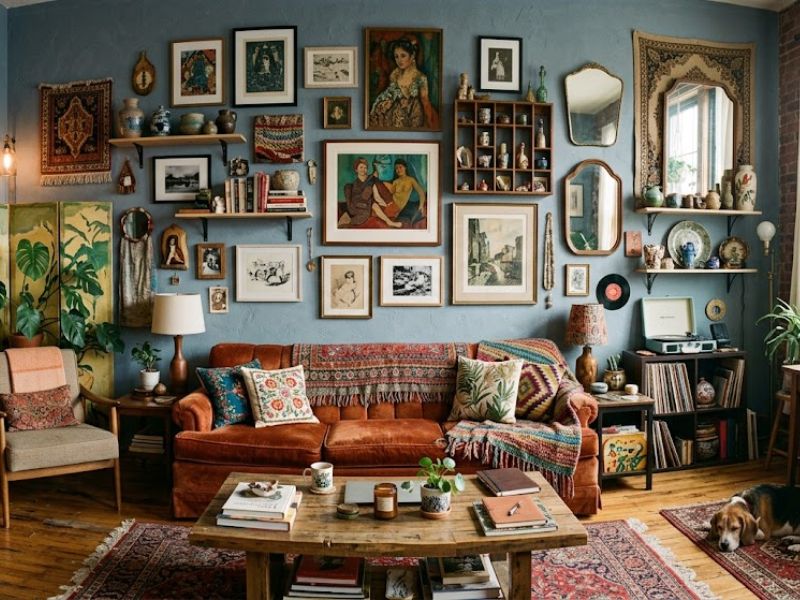
The demand for unique, custom-designed items that reflect personal character is becoming the new norm. Customers no longer favor mass-produced products, but instead search for handcrafted decorations, crafts, or items with minimalist and vintage styles. This shift helps highly personalized product lines completely win buyers’ hearts.
Focus on health and healing lifestyle
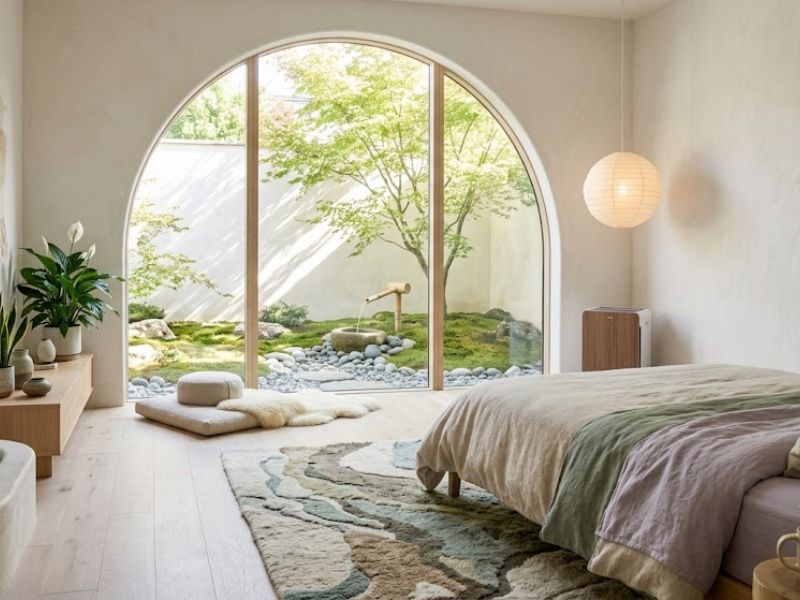
Modern living spaces are incorporating more and more natural elements to improve mental and physical health. Biophilic design trends combining green plants, natural light, together with materials like organic cotton or reclaimed wood help reduce stress effectively. At the same time, consumers are also investing heavily in ergonomic devices, smart furniture, circadian lighting systems, and minimalist storage solutions to create a neat and comfortable living space.
The rental-friendly decor trend
The strong growth of young consumers in the Millennials and Gen Z generations who rent homes is creating a completely new wave of consumption in the interior decoration industry. Even though they do not own a home, this customer group’s demand to turn rented spaces into comfortable, aesthetic, and highly personalized places to live is extremely high.
However, their biggest barrier is not being allowed to drill or punch holes in walls, damage paint layers, or change fixed apartment structures.
This limitation has opened up a booming business opportunity for flexible decoration products. Customers are searching more and more for space renovation solutions that leave no marks and are easy to remove when moving house.
Typical products recording skyrocketing purchasing power include peel-and-stick wallpaper, smart interlocking floor mats, and heavy-duty adhesive wall hooks. In addition, lightweight wall art lines with built-in specialized adhesive which allow users to easily decorate empty walls without worrying about peeling off paint are becoming main items that help online sellers fully exploit this potential customer segment.
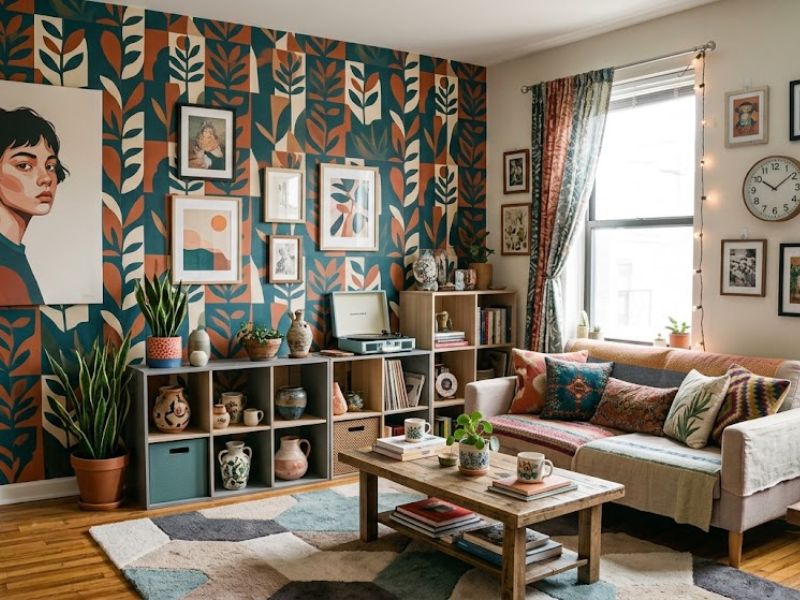
Top most potential home decor product groups
Wall art and decorative wall items
Wall decoration is always a potential land thanks to high aesthetic demand and optimized shipping costs. Consumers are increasingly searching for art paints, hand-painted pictures, wall sculptures, and especially art prints. This is an ideal product group for sellers operating under the print-on-demand model, helping customers easily turn empty wall spaces into artistic highlights with a strong personal touch.
Read: Wall Art Trends 2026: 8 Best-Selling Ideas for POD Sellers
Lighting systems and interior decor accessories
Lighting and small decorative items are decisive factors for the atmosphere of the whole house. The demand for lighting devices such as pendant lights, smart table lamps, or artistic lighting systems is growing extremely strongly. Besides, compact decorative accessories like flower vases, scented candles, decorative trays, or artistic mirrors also record steady purchasing power, helping living spaces become more refined and cozy.
Home furniture and smart storage solutions
Space optimization drives consumers to search for furniture lines that are both aesthetic and multi-functional. Key products include sofas, beds, dining table sets, and especially modular storage systems. This type of cabinet allows users to flexibly assemble, disassemble, and change sizes according to room area, fully meeting the criteria of convenience and neatness for modern housing.
Outdoor furniture and accessories
Outdoor relaxation spaces are being cared for by families just as much as indoor spaces. This product group includes heat-resistant garden furniture sets, waterproof outdoor lights, and balcony or terrace decoration accessories. Investing in an outdoor green corner helps homeowners create a complete resting space while meeting the trend of living close to nature.
Refer to the detailed list of top-selling home decor products right away to choose a potential niche and optimize profits for your store.
Which markets should you focus your home decor sales on?
North America: Key market with superior purchasing power
North America continues to affirm its leading position, accounting for 34.27% of the global market share, reaching a scale of $273.09 billion in 2025 and expected to increase to $291.5 billion in 2026. Among them, the US is the main growth driver with an estimated market value of $228.44 billion. Consumers here have a habit of renovating and upgrading their living spaces on a cycle of 3 to 5 years, focusing on replacing furniture, flooring, and lighting systems. The large demand for home renovation projects, combined with effective marketing campaigns from retailers, makes North America a top sales breakthrough market for online sellers.
Asia-Pacific: Fastest growth engine
Experts forecast that Asia-Pacific will achieve the world’s fastest annual growth rate thanks to rapid urbanization in countries like China, India, and the ASEAN region. Among them, China holds the largest revenue market share in the region. The strong population shift from rural to urban areas along with increasing income levels helps consumers willing to invest heavily in furniture, lighting systems, and home textiles. In addition, easy access to abundant raw material sources at reasonable production costs also helps this region maintain a huge competitive advantage.
Europe: Sustainable consumption and premium segment
The European market reached revenue of $124.99 billion in 2025 and is expected to hit $134.16 billion in 2026, with key markets such as Germany ($27.11 billion) and the UK ($16.34 billion). European consumers pay great attention to upgrading living spaces, especially favoring sustainable products and ethically sourced materials. The presence of leading retail brands together with the trend of using recycled materials such as furniture lines made from 100% reclaimed wood has shaped a civilized consumer market focusing on aesthetics and environmental responsibility.
South America: Growth potential from the premium furniture segment
With expected revenue reaching $10.52 billion in 2026, the South American market, though accounting for a small proportion, is recording steadily increasing purchasing power in countries like Brazil and Argentina. Homeowner demand here focuses strongly on high-end interior decoration and kitchen space products, creating favorable conditions for brands to exploit the high-income customer segment.
Middle East and Africa: Trend of upgrading kitchen spaces and storage
Reaching an estimated scale of $26.38 billion in 2026, the Middle East and Africa market is witnessing an increase in spending from high-income households. Customers in the Middle East region strongly favor renovating kitchen spaces through replacing cabinet doors, upgrading countertops, and integrating smart storage solutions. Meanwhile, rising disposable income in South Africa and Nigeria is also adding growth momentum to the whole region.
Australia: Prioritizing outdoor space and green design
In Australia, a lifestyle in harmony with nature shapes consumer habits.. Customers give special priority to product lines serving outdoor living spaces, multi-functional, and eco-friendly designs. Sustainability together with practical functionality are the two decisive factors in spending behavior for consumers in this market.
A trillion-dollar market like the home decor market does not wait for onlookers. The difference between a high-traffic store and an overstocked shop lies in whether you dare to set aside old selling mindsets to join the game with green materials, flexible solutions for renters, or designs with a personal touch. The market map and potential product categories are already available; your job now is to choose the right niche, set up campaigns, and put products on the shelves.