
Contents
- Key takeaways
- Are embroidered shirts really potential in the market today?
- Best shirts for embroidery in 2026
- The impact of fabric material on embroidery techniques & finished product quality
- Note on optimal fabric weight for embroidery stitches
- 6 suggested embroidery styles to boost seller conversion rates
- When might printing be a better choice?
- FAQs
- Conclusion
The rise of personalization and sustainable fashion is turning embroidered shirts into a highly profitable segment for sellers. But do you know how to choose the right blank shirts so that your embroidery always looks sharp and high-end? Choosing the wrong fabric not only ruins your design but also wastes a lot of your fulfillment budget. Let’s explore the list of best shirts for embroidery trusted by top sellers to help you confidently launch high-quality embroidery collections and elevate your brand today!
Key takeaways
-
Embroidered shirts offer superior profit margins and high perceived value thanks to their timeless durability and personalization.
-
T-shirts, polo shirts, and jerseys are the 3 best embroidery choices for 2026.
-
Prioritize 100% cotton or high-density poly-cotton; avoid thin spandex or stretchy jersey fabrics to prevent the embroidery from puckering.
-
Blank shirts from 5 oz o 6+ oz are the “safe zone" that helps the embroidery stay flat and neat after many washes.
-
Prioritize artwork with simple lines and bold, clear fonts, while avoiding overly small details or complex gradients.
Are embroidered shirts really potential in the market today?
Of course they are. Embroidered shirts are not only full of potential, but they are also one of the segments that bring high profit margins and strong brand value for POD/E-commerce sellers.
The rapid growth of the textile industry along with the trend of sustainable fashion is turning embroidered shirts into a business “goldmine." Unlike regular printed products, embroidery offers timeless durability with no fear of peeling, creating a clear high-end feel right from the first look.
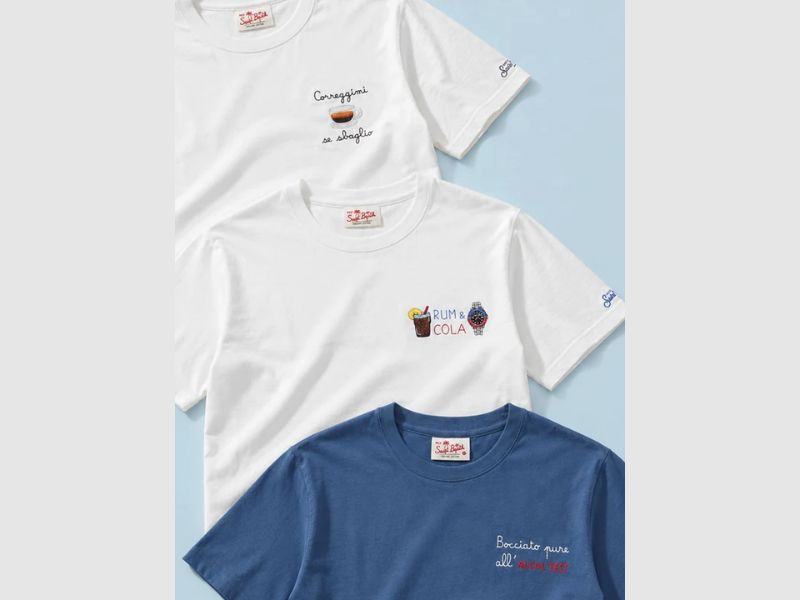
In particular, the rise of the personalization trend makes consumers willing to pay a much higher price for exclusive designs with a personal touch. This opens up huge business opportunities, ranging from budget-friendly commercial embroidered shirts for young people and uniforms to high-value premium collections.
Of course, to fully exploit this potential, sellers need to overcome challenges regarding competitive pressure and the demand for continuous design innovation. Compared to regular printing, commercial embroidery is far superior in terms of durability, professionalism, and luxurious look. This is exactly why embroidery is always the top choice for polo shirts, workwear, or products positioned in the mid-to-high-end segment.
As long as you choose the right quality blank shirts and team up with a reliable embroidery fulfillment provider, you can easily solve the cost problem and confidently scale up your store.
Best shirts for embroidery in 2026
1. T-shirts – The foundation for subtle embroidery designs
When choosing t-shirts as blank garments for embroidery, the fabric material is the primary foundation that determines the final quality of the product.
Natural fabrics like 100% cotton or high-density cotton-polyester blends always deliver optimal results thanks to their sturdy fiber structure, which keeps every stitch tightly anchored. It is best to avoid synthetic materials that are overly slippery or highly elastic, as high stretch can easily lead to fabric shrinkage, broken threads, or puckered embroidery designs after a few washes.
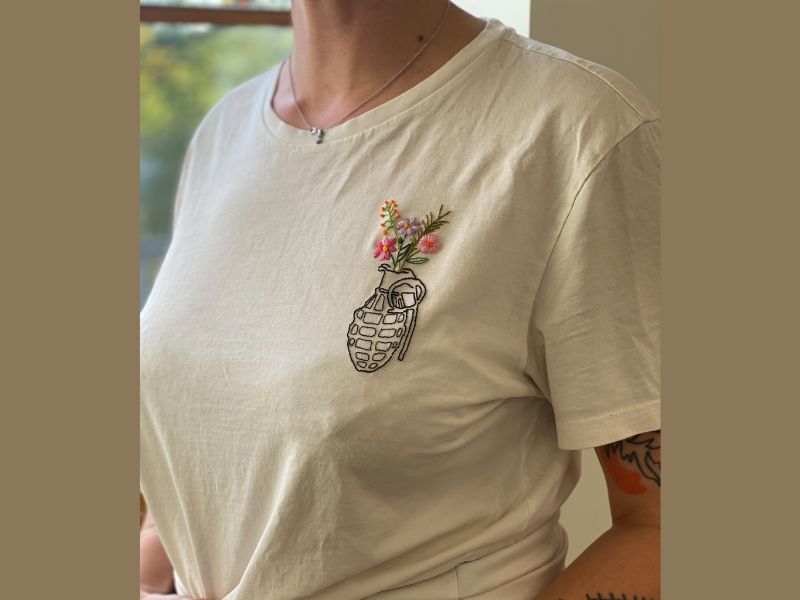
In addition to the material, fabric weight plays a key role. T-shirts with a medium to heavy fabric weight (from 5 oz and up) are the safest choice to keep the embroidery lay flat and neat without bunching or puckering. On the other hand, blank shirts that are too thin can easily warp around the embroidered area under the pull force of the needle.
Even though industrial embroidery technology today is very modern, understanding design limits still helps sellers minimize production error rates. Overly intricate patterns, micro-text, or complex color gradient blocks are often very difficult to display sharply with embroidery thread. The advice for sellers is to prioritize minimalist designs with clean lines and high contrast—because in the art of embroidery, fewer stitches sometimes create a stronger and more high-end visual impact.
Currently, Merchize offers the Embroidered Unisex T-shirt. With thick fabric, standard weight, and an international unisex fit, this is an ideal blank shirt to help your embroidery remain flat, sharp, and elevate your brand value.
2. Polo shirts – The symbol of luxury
If t-shirts bring a youthful vibe, polo shirts are the perfect combination of comfort and politeness. This is always a top best-selling product line for office wear, corporate uniforms, or premium sportswear. The structured collar combined with the chest-left logo embroidery position clearly elevates the perceived product value in the eyes of customers.
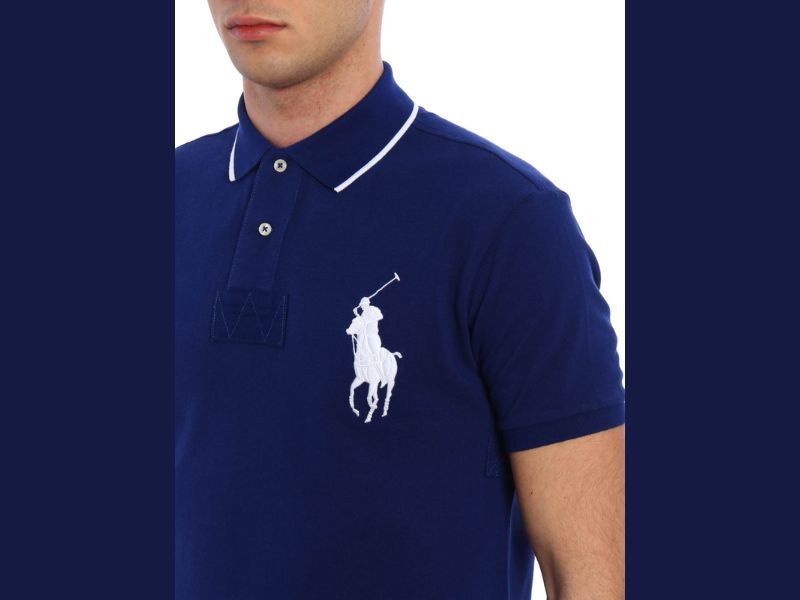
Depending on your target audience, sellers can flexibly choose among various polo shirt options at Merchize:
-
Pique polo shirts: The traditional textured fabric, thick, structured, and holds the embroidered shape extremely well.
-
Jersey / Cotton polo shirts: A smooth surface, perfect for small, subtle embroidered logos.
-
Performance polo shirts (premium sportswear): Optimized for active customers thanks to sweat-wicking and breathable properties.
See full details on the best polo shirts for embroidery at: Best Polo Shirts for Embroidery.
3. Jerseys
In sportswear and streetwear, jerseys are experiencing explosive sales growth thanks to their bold and personality-driven style. However, due to the nature of athletic fabrics—which are lightweight, mesh-ventilated, or have a certain degree of stretch—the embroidery technique on jerseys requires the blank shirt to be processed with strict seam structures and backing layers to prevent shifting or distorting the woven surface.
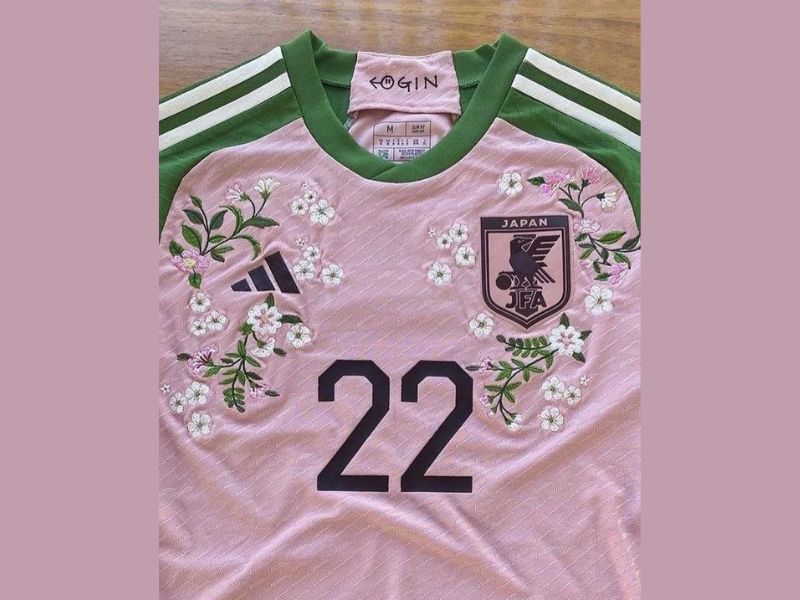
Unlike t-shirts or polos, which are suitable for small chest embroidery, jerseys allow sellers to create large-scale embroidered names, jersey numbers, team logos, or patches. When combined with sharp embroidery techniques on a properly fitted athletic blank, the product creates extremely high perceived value, making it easy for sellers to set a much higher retail price compared to regular printed shirts.
If you want to tap into the customer base that loves bold sportswear, Merchize provides optimized fulfillment solutions with two trending blank options:
-
Embroidered Hockey Jersey: A loose hockey-style fit with thick fabric that keeps large embroidered sections flat, structured, and neat.
-
Embroidered Unisex Baseball Jersey: A classic button-down baseball style with a breathable fabric surface specifically optimized for custom embroidered names and logos on the chest and back, creating a very trendy look.
The impact of fabric material on embroidery techniques & finished product quality
In embroidered shirt production, the surface structure of the fabric plays a direct role in determining the sharpness and durability of the stitches. The flatter and smoother the fabric surface, the clearer small details will appear, while fabrics with coarse textures or bumpy surfaces can easily drown out the embroidery stitches, losing the fine detail of the design. Understanding the characteristics of each material will help sellers choose the right blank shirts for each target customer segment.
For t-shirts and polos, common woven materials bring entirely different embroidery effects:
-
Jersey knit fabric: Smooth and soft, making it an ideal choice for t-shirts with simple embroidered logos.
-
Polo pique fabric: Features a signature textured feel, holds its shape well, and is the top choice for office wear or corporate uniforms.
-
Performance fabric: Stands out for being thin, lightweight, stretchy, and moisture-wicking, which suits simple symbol logos with an active vibe.
In terms of fiber composition, cotton fabric is always considered the classic standard choice thanks to its ability to hold embroidery threads extremely well, keeping stitches sharp, neat, and free from distortion after many washes. If you want to increase durability and reduce sagging, cotton-polyester blend fabric (poly-cotton) is a perfect alternative. This blend features a flat surface and lower shrinkage than pure cotton, helping keep stitches stable without making the shirt feel stiff, while minimizing wrinkling or shrinking during washing.
Additionally, linen with its light, breathable nature and raw woven surface offers an elegant look, perfectly suited for large embroidery designs with minimal lines using contrasting thread colors. However, sellers should pay special attention to avoid fabrics with excessive stretch (such as spandex or thin jersey).
The pull force of the needle and thread on stretchy fabric can easily pucker the surface and warp the design shape. If embroidery on stretchy material is unavoidable, adding a specialized backing layer underneath is a mandatory solution to keep the design flat and neat.
Note on optimal fabric weight for embroidery stitches
The weight or thickness of the fabric (usually measured in ounces – oz or grams) is a key technical factor that directly affects the flatness and durability of the embroidery design. A shirt that is too thin will not be able to withstand the pull force of the stitches, while a thick enough blank shirt will keep the stitches sharp and maintain a standard shape through many washes.
1. Lightweight blank shirts (under 5 oz/ under 140 – 227 grams)
Lightweight fabric foundations require great care during embroidery because the fabric is prone to stretching, wrinkling, or puckering around the design, especially large ones.
-
For t-shirts: If embroidery on thin t-shirts is necessary, sellers should stick to small, minimal symbols and must use a specialized backing layer to stabilize the fabric surface. Generally, thin t-shirt blanks are better suited for printing techniques than embroidery.
-
For polo shirts: Thin lightweight athletic polos (performance polos) usually have a certain amount of stretch. For these shirts, you should only embroider small chest logos with a moderate stitch density to avoid sagging or wrinkling the surface.
- For jerseys: Lightweight mesh or athletic jerseys need extra stabilizer backing and careful stitch density tuning to prevent mesh distortion and surface puckering around embroidered areas.
2. Medium weight blank shirts (5 – 6 oz)
This is considered the ideal “safe zone" favored by most sellers for their stores.
-
For t-shirts: Midweight t-shirts maintain soft, cool comfort for the wearer while offering enough stability to support standard embroidery stitches without deforming.
-
For polo shirts: This is the most common standard weight for pique or poly-cotton polo lines. The fabric holds a neat shape, helping embroidered details on the chest, sleeves, or back of the collar look flat and sharp.
- For jerseys: Midweight jerseys offer a great balance between breathability and structural support, making them well-suited for medium-sized chest logos, numbers, or sleeve patches.
3. Heavyweight blank shirts (from 6 oz and up)
To achieve superior premium product quality, heavy blank shirts are the top choice.
-
For t-shirts: Heavyweight tees provide excellent support for large embroidery designs or dense stitch patterns without any worry of sagging or puckering. The shirt keeps its true fit even after many machine washes, giving customers an extremely high-end feel.
-
For polo shirts: Heavyweight knit polo shirts create an exceptionally luxurious, crisp, and professional look. This fabric base allows for embroidering complex badges or corporate logos while maintaining perfect flatness, elevating brand value for uniform orders or high-end fashion lines.
- For jerseys: Heavyweight jerseys (such as hockey jerseys) provide the ultimate foundation for heavy, full-chest embroidered patches, large team logos, and dense tackle-twill embroidery without any sagging or distortion.
6 suggested embroidery styles to boost seller conversion rates
Besides the blank shirt, the design style (artwork style) is the key that determines the aesthetic and best-selling potential of a product. Below are 6 embroidery trends applied extremely effectively on both t-shirts and polo shirts that sellers cannot miss:
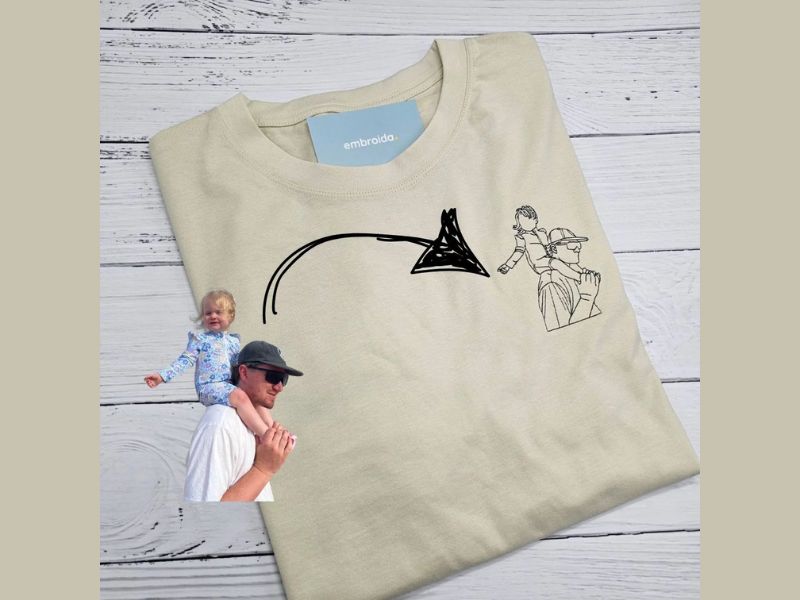
1. Minimalist line art
Thin outlines, delicate line drawings, or minimalist geometric symbols are always a “safe zone" yet extremely trendy. The biggest advantage of this style is a moderate stitch density, keeping the shirt fit soft without getting stiff or puckered. The minimalist style brings a modern, subtle look and easily matches any shirt color background.
2. Bold logos & badges
Large geometric shapes, badges, or brand logos with sharp lines always create a strong visual impact. This embroidery style looks best on cotton or cotton-poly blend materials. The advice for sellers is to keep the border edges very clear and limit tiny sharp corners to save embroidery time and ensure a professional finished product.
3. Cartoon characters
Bringing a cheerful and personality-filled spirit, the cartoon style is very attractive to younger customers. When designing, prioritize bright monochromatic color blocks and place the graphics in “golden positions" like the left chest, sleeves, or upper back area. A small cartoon accent in the right place will quickly turn a plain shirt into a unique, high-value item.
4. Botanical & floral patterns
The nature theme with leaf branches and small flowers brings a fresh feel and delicate hand-made beauty. Instead of cramming in too many elaborate details, sellers only need to distribute light embroidery lines running along the shirt pocket edge, sleeve cuffs, or bottom hem to create a tasteful, elegant accent.
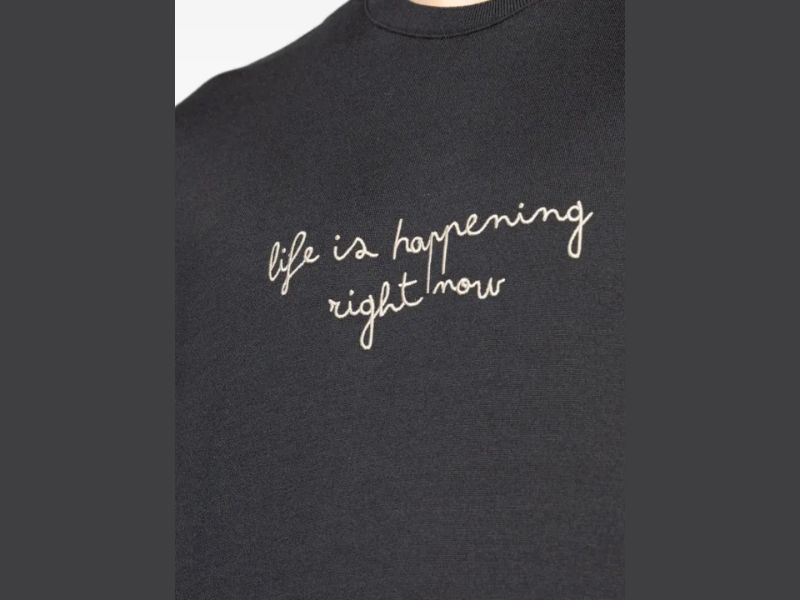
5. Slogan & typography (words & messages)
Adding a short quote, a personalized keyword, or a meaningful message is the fastest way to connect emotionally with customers. To keep the embroidery stitches from sinking or distorting on the woven surface, prioritize bold, clear, and easy-to-read fonts. The best places for text embroidery are across the chest or running along the hemline.
6. Textured & color-blocking
Using layering arts or combining matte and glossy embroidery threads creates an impressive visual depth effect. This technique is extremely effective when applied to chest border logos and symbols, helping the shirt become more high-end and luxurious without making the overall design look cluttered.
Read more: How To Start an Embroidery Business In 2025
When might printing be a better choice?
Embroidery is a great choice that brings a luxurious, neat, and high-class feel to the product. However, in the print-on-demand business model, embroidery techniques are usually limited to fixed embroidery hoops (often on the chest, sleeves, or back of the neck) with a set number of thread colors. When your artwork requires a visual explosion, switching to all-over-print (AOP) is a strategic step to completely solve the limitations of embroidery:
-
Artwork covers 100% of the shirt surface: Unlike embroidery which only focuses on small spots, AOP allows your design to cover from shoulders, chest, and back all the way to the sleeves without being limited by an embroidery frame.
-
Super complex details & photo prints: Realistic photos, art paintings, or micro-pattern lines that usually challenge embroidery needles will be recreated perfectly by AOP printing technology.
-
Gradient color effects & small text: AOP printing handles smooth color blend blocks and small dotted typography fonts that embroidery thread cannot sew sharply.
-
Super light wearing feel with no thread ridges: Large embroidered areas can easily make the shirt stiff or cause friction, while AOP printing allows ink to soak directly into the fabric fibers, maintaining absolute softness and breathability.
The final decision to choose between embroidery or printing still depends on the nature of your artwork and product goals. Choosing the right decoration method not only helps optimize fulfillment costs but also ensures the product delivered to customers is always in its best condition.
If your artwork features complex graphics, magical gradient effects, or full-body patterns, check out the premium AOP blank catalog optimized for POD sellers:
All-Over-Print T-shirt Collection offers a wide variety of fit choices for all customer segments:
-
Comfortable All-Over-Print Comfort T-Shirt
-
Classic All-Over-Print T-Shirt
-
Fashionable V-Neck T-Shirt
-
Stylish women’s Off-The-Shoulder T-Shirt
-
Kids & Youth T-Shirt line
All-Over-Print Polo Shirt Collection is the perfect solution for sportswear or daily wear that is breathable yet polite, including:
-
Standard AOP Polo Shirt
-
Convenient pocket shirt options with flexible fabric weights (AOP Pocket Polo Midweight & Lightweight)
FAQs
1. Which shirt positions should be prioritized for embroidery to get the highest conversion rate?
Left chest (for small logos/polos), center chest (for text/minimalist t-shirts), sleeves, and the upper back are the 4 “golden positions" that attract the eyes and make the product look most premium.
2. What causes “puckering" (fabric wrinkling around the embroidery design) and how to fix it?
The cause is a blank shirt that is too thin or thread tension that is too tight; fix it by choosing blank shirts with a weight of 5 oz or higher and reducing the stitch density.
3. Which niche market will have the highest demand for embroidered shirts in 2026?
Corporate/startup uniforms, golf/tennis apparel, bold streetwear fashion, personalized couples/family outfits, and eco-fashion (sustainable fashion).
Conclusion
The embroidered shirt business is confirming its sustainable position in the market thanks to high perceived value and superior profit margins. This product line also brings extremely effective customer retention for POD/e-commerce sellers. However, the key to achieving success and building a reputable POD/e-commerce brand is understanding materials and choosing the right blank shirts right from the beginning.
Investing in researching the best shirts for embroidery lines will help you completely eliminate risks of fabric puckering, misaligned threads, or shape distortion. Combined with choosing the right quality fulfillment partner, you will confidently optimize operational processes, enhance customer experience, and achieve strong revenue breakthroughs in 2026.