Contents
If you’ve ever attended a conference, trade show, or corporate event, you’ve probably walked away with a bag filled with a T-shirt, tote bag, water bottle, or other branded gifts. That’s a swag bag – a popular way for brands to make an impression and connect with attendees.
But an effective swag bag is more than just a bag of freebies. When thoughtfully planned and designed, it can help increase brand awareness, create a memorable experience, and keep your brand top of mind long after the event is over.
So, what is a swag bag, what should you put in one, and how can you create something people will actually want to keep? Let’s take a closer look.
Key Takeaways
- A swag bag is a collection of branded or promotional items given to event attendees, employees, customers, or partners.
- Great swag goes beyond free giveaways. It can help increase brand awareness, create memorable experiences, and build stronger connections with your audience.
- Popular swag items include apparel, tote bags, drinkware, accessories, tech products, and personalized gifts.
- The best swag bags focus on quality, usefulness, and relevance rather than simply including as many products as possible.
- With the right products, branding, packaging, and delivery, swag can become a meaningful part of the overall brand and event experience.
What Is a Swag Bag?

A swag bag is a bag or package filled with promotional or branded merchandise that businesses give to customers, employees, partners, or event attendees. It can include anything from T-shirts and tote bags to hats, water bottles, stickers, tech accessories, and custom products designed around a brand or event.
Swag bags are commonly used at conferences, trade shows, corporate events, product launches, employee programs, and PR or influencer campaigns. However, they’re not just about giving away free products. Done well, swag can help brands increase visibility, create a memorable experience, and build stronger connections with their audience. For example, a tote bag or T-shirt that someone continues to use can keep your brand visible well beyond the event itself.
Swag can also work across different brand touchpoints. Companies might create swag bags for trade shows and conferences, internal events, employee onboarding, product launches, client and partner gifts, influencer campaigns, or sports and community events.
Ultimately, an effective swag bag isn’t about packing in as many products as possible. It’s about choosing useful, relevant items that people will want to keep and that genuinely reflect your brand.
What Should You Put in a Swag Bag?
There’s no one-size-fits-all formula for the perfect swag bag. The right products depend on your audience, event, budget, and overall goal. Instead of filling the bag with lots of small giveaways, focus on useful, high-quality items that recipients will actually want to use.
Here are some popular product categories to consider:
Branded Apparel
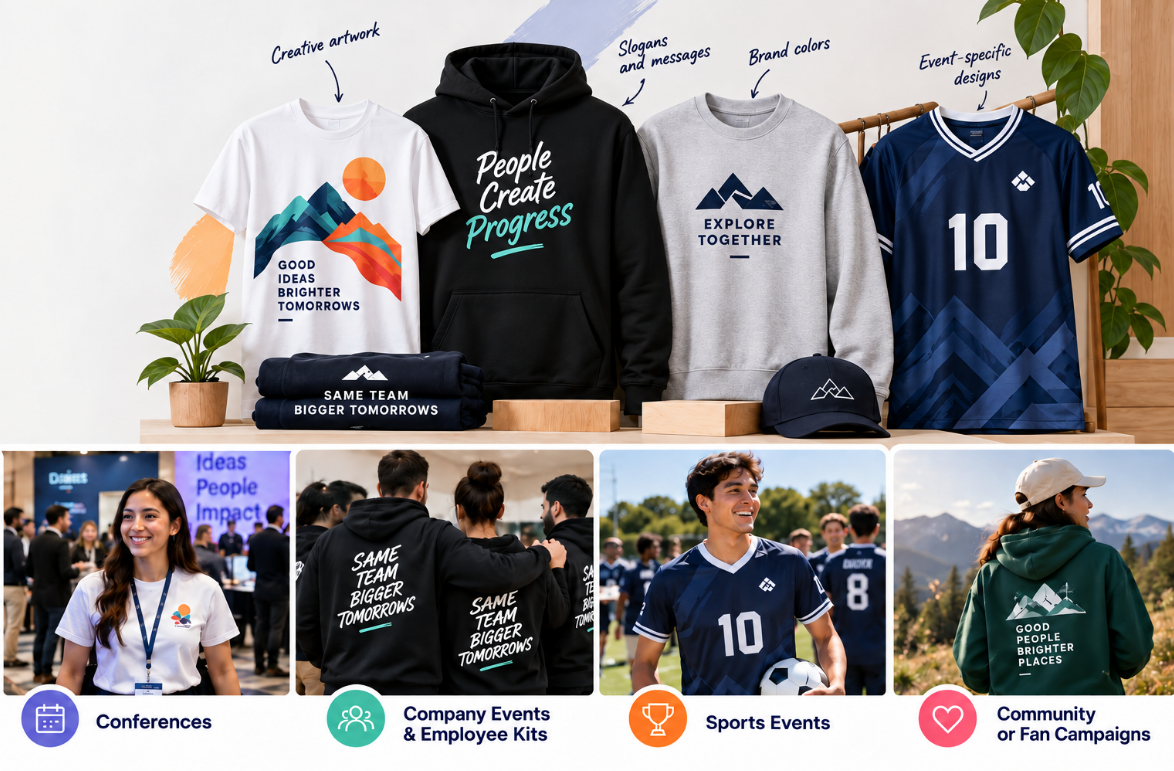
T-shirts, hoodies, sweatshirts, and jerseys are classic swag choices because they’re practical and offer plenty of room for creative branding. Rather than simply printing a logo, brands can incorporate colors, artwork, slogans, or event-specific designs to make each piece feel more like real merchandise than an advertisement.
Apparel works especially well for conferences, company events, employee kits, sports events, and community or fan campaigns.
Bags & Everyday Essentials
Tote bags, drawstring bags, and pouches are practical, versatile, and easy to customize for different campaigns. A tote bag can even double as the swag bag itself, holding all the other gifts inside.
Because these products can become part of someone’s everyday routine, they can also give your brand repeated exposure long after the initial interaction.
Hats & Wearable Accessories
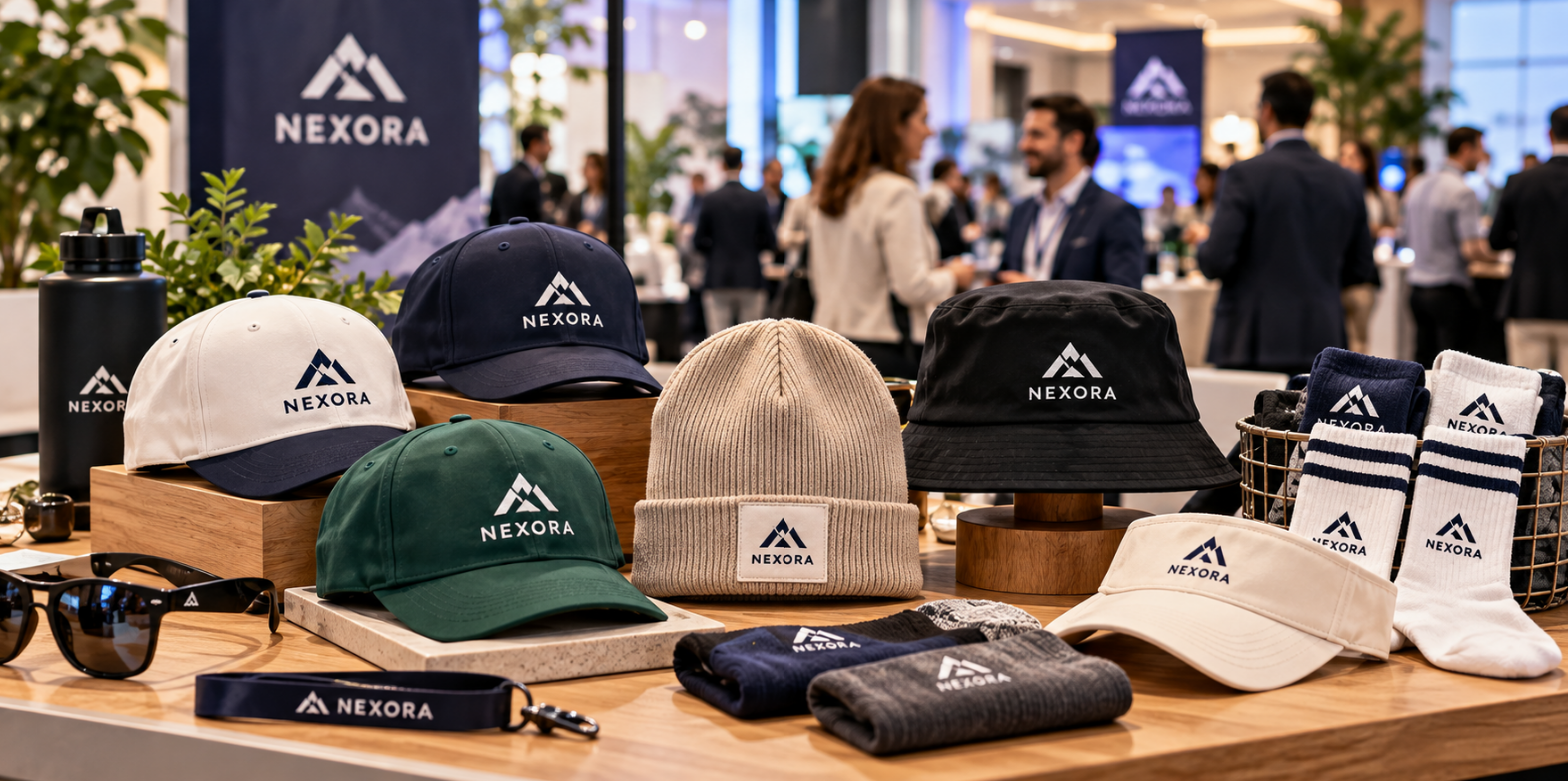
Caps, beanies, socks, and other wearable accessories are great options for creating a more casual and stylish swag kit. They can be customized with embroidery, logos, initials, slogans, or event-specific artwork to make them feel more exclusive.
Drinkware
Mugs, tumblers, and water bottles are practical items people can use at work, at home, or on the go. This makes them a strong choice for corporate events, employee onboarding, conferences, and customer gifts.
Instead of simply adding a large logo, consider incorporating your brand colors, campaign message, or original artwork to create a product people will genuinely enjoy using.
Tech & Office Accessories
For corporate events or tech-focused audiences, products such as phone accessories, mouse pads, notebooks, and desk accessories can make practical additions to a swag bag.
Since these products are often used regularly, they can keep your brand present in the recipient’s workspace without feeling overly promotional.
Small Branded Gifts
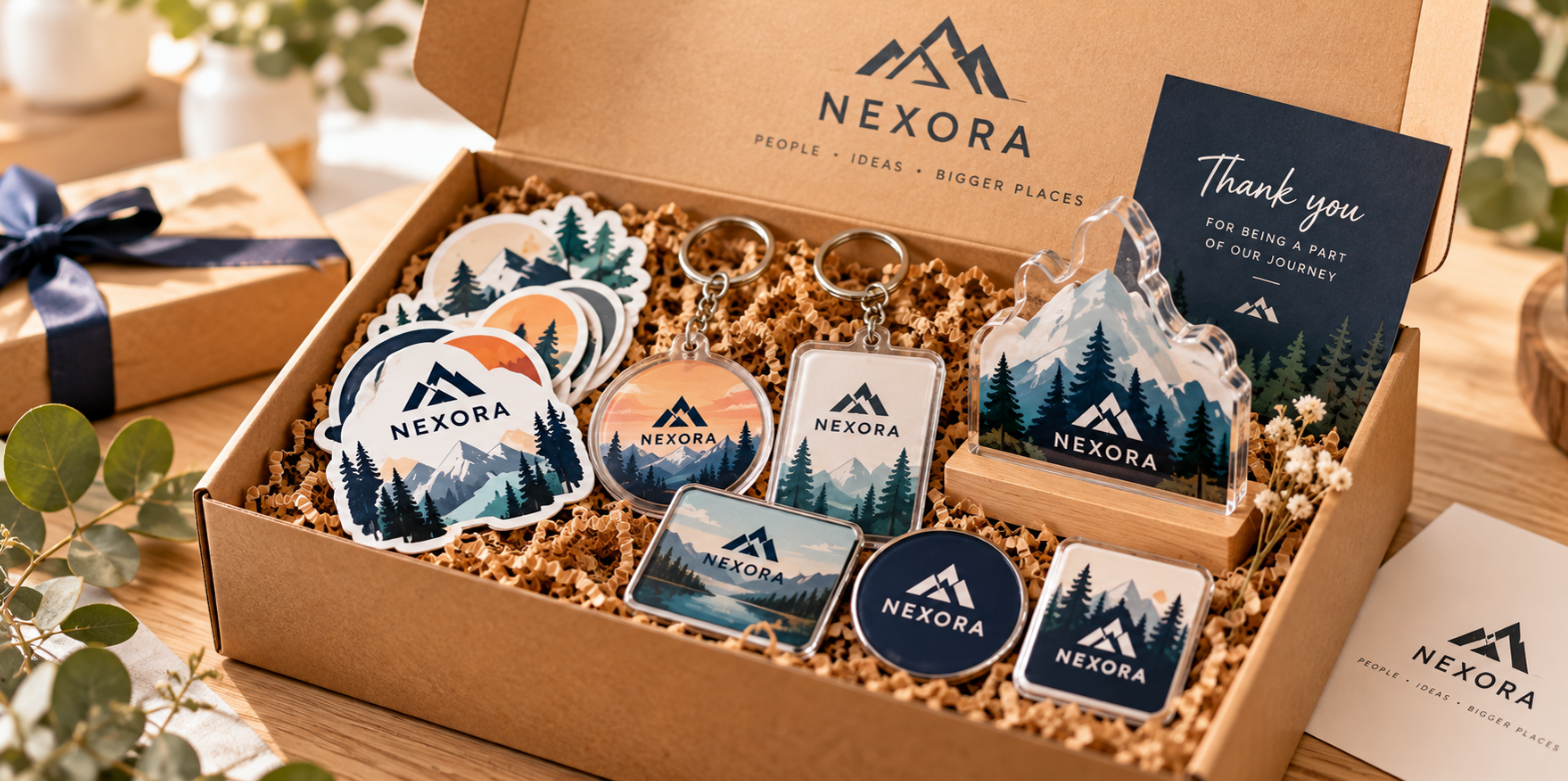
Not every item needs to be expensive. Stickers, keychains, magnets, acrylic items, and other small custom gifts can add variety and personality to a swag kit while keeping costs manageable.
Custom-shaped or event-exclusive products can also feature a mascot, logo, campaign theme, or other recognizable elements, turning a simple giveaway into something more memorable and collectible.
Personalized & Premium Swag
For VIP guests, speakers, partners, influencers, or key clients, consider upgrading the experience with premium or personalized swag. Adding the recipient’s name, initials, custom artwork, or a personal message can make the gift feel much more thoughtful than a mass-produced giveaway.
Ultimately, a great swag bag doesn’t need to be packed with products. A few well-chosen, useful items can leave a stronger impression than a bag full of promotional products that rarely get used. Focus on quality, usefulness, and consistency with your brand when deciding what to include.
Swag Bag vs. Goodie Bag: What’s the Difference?
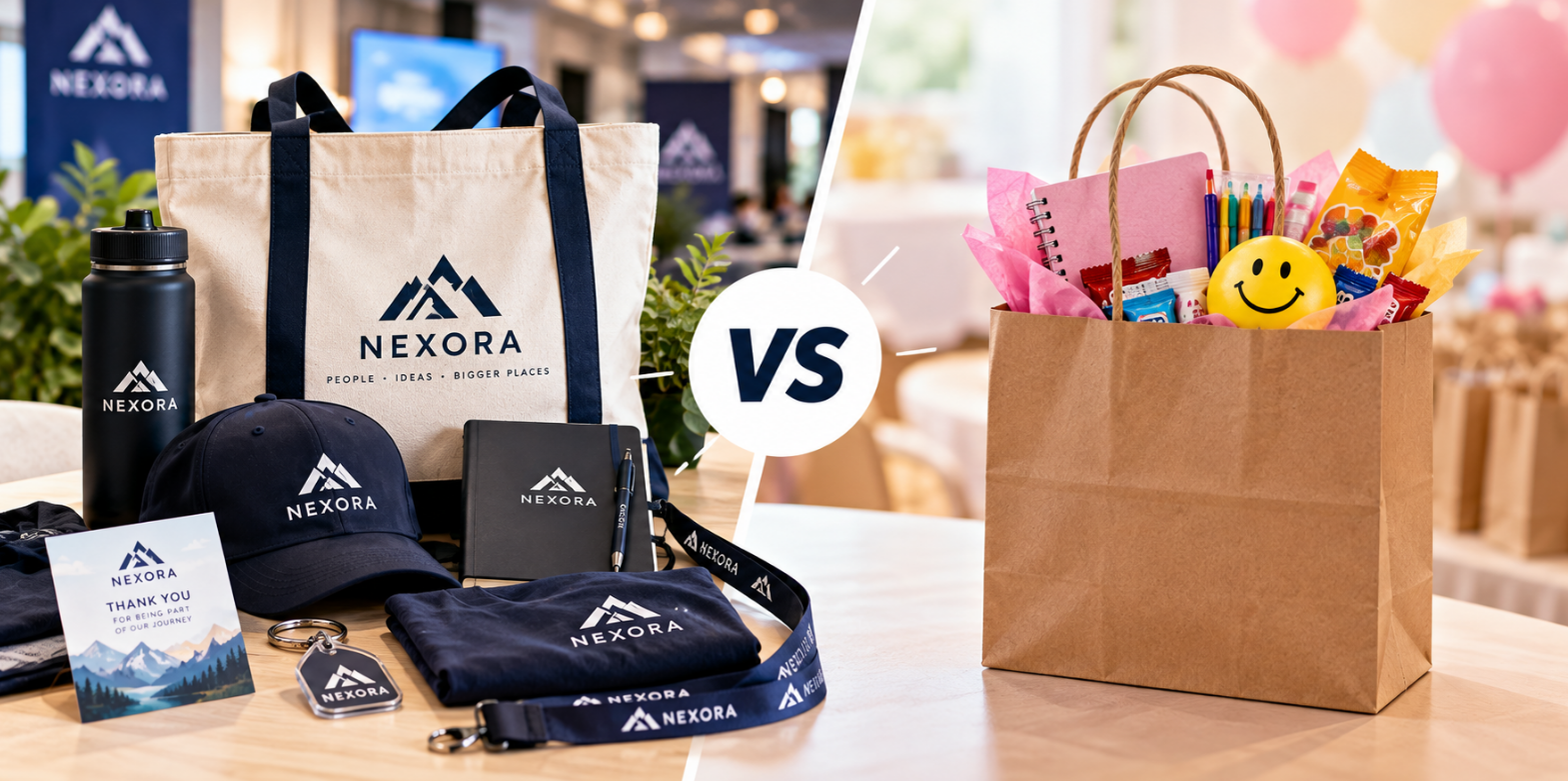
Swag bags and goodie bags both contain gifts for attendees, customers, or guests, but the main difference lies in their purpose and the types of items they typically include.
A swag bag is usually created with branding, marketing, or engagement in mind. The items inside are often customized with a brand’s logo, colors, artwork, or event theme to create a memorable experience and extend brand visibility beyond the event.
A goodie bag, on the other hand, is more general. It often includes snacks, samples, party favors, or small gifts and doesn’t necessarily have a branding or marketing purpose.
| Swag Bag | Goodie Bag | |
| Purpose | Branding, marketing & engagement | Gifting & entertainment |
| Common uses | Conferences, trade shows, corporate events, brand activations | Parties, weddings, celebrations, community events |
| Typical items | Branded merchandise, apparel, accessories, drinkware | Snacks, samples, small gifts, party favors |
| Branding | Usually customized to reflect the brand | Optional |
| Long-term value | Keeps the brand visible beyond the event | Mainly creates an enjoyable gifting experience |
In practice, the two terms are sometimes used interchangeably. However, when the goal is to build brand awareness and create a lasting connection with an audience, swag bags tend to be more intentional in terms of product selection, design, and the overall experience.
How to Create a Swag Bag People Actually Want
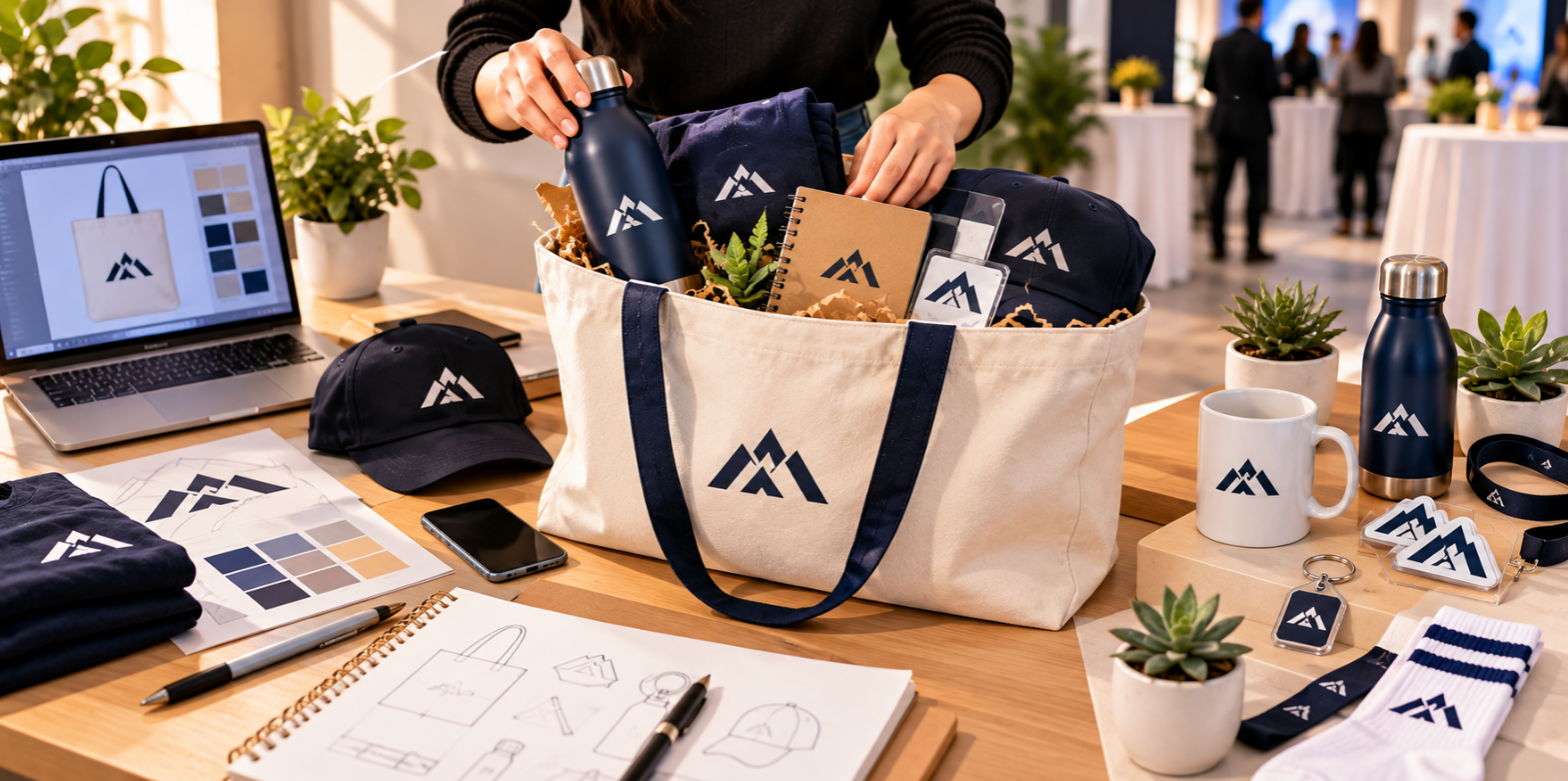
A great swag bag isn’t about filling a bag with as many branded items as possible. It should feel thoughtful, useful, and relevant to the people receiving it. Here are a few things to keep in mind when planning swag for your next event or campaign.
Start With a Clear Goal
First, think about what you want your swag to achieve. Are you trying to increase brand awareness, welcome new employees, thank customers, support a product launch, or make an event more memorable?
Having a clear goal makes it easier to choose the right products, messaging, and overall concept.
Know Your Audience
The best swag is something people actually want to use. Before choosing products, think about who will receive them and what fits their interests, needs, and lifestyle.
For example, tech accessories may work well for a technology conference, while custom apparel could be a better fit for a sports event, company retreat, or community gathering. The more relevant the products are to your audience, the more likely they are to be kept and used.
Focus on Quality Over Quantity
More items don’t necessarily make a better swag bag. In fact, one or two high-quality products can leave a stronger impression than a bag filled with inexpensive giveaways.
Consider choosing one standout item, such as a custom hoodie, embroidered cap, tote bag, or tumbler, and pairing it with a few smaller branded products.
Make It Feel Like Your Brand
Good swag goes beyond simply placing a logo on a product. Use your brand colors, artwork, messaging, or event theme to create items that feel unique to your company or campaign.
You can also create event-exclusive designs or add personalized details such as names and initials. Small touches like these can turn an ordinary promotional product into something people are genuinely excited to receive.
Think About the Full Unboxing Experience
The experience begins before the recipient even sees what’s inside. A well-designed tote bag, custom box, branded card, tag, or other packaging detail can make the entire swag kit feel more polished and memorable.
Keep the design consistent across your products and packaging so everything feels like part of one cohesive brand experience.
Plan Your Budget Carefully
Set a budget based on the number of recipients, the types of products you want, and the level of customization required. Remember to account for products, printing or embroidery, packaging, and shipping, rather than looking at product costs alone.
If your budget is limited, prioritize a few useful products instead of spreading it across too many low-value items.
Plan Production and Delivery Early
Don’t leave swag production until the last minute, especially when preparing for an event with a fixed date. Custom products, sampling, packaging, quality checks, and shipping all take time.
Planning gives you more room to finalize designs, review samples, handle unexpected changes, and make sure everything arrives before the event begins.
Ultimately, the best swag bags combine usefulness, quality, creativity, and strong branding. When every item has a purpose, swag becomes more than a giveaway – it becomes part of the experience people remember about your brand.
Create Custom Swag for Your Brand or Event With Merchize
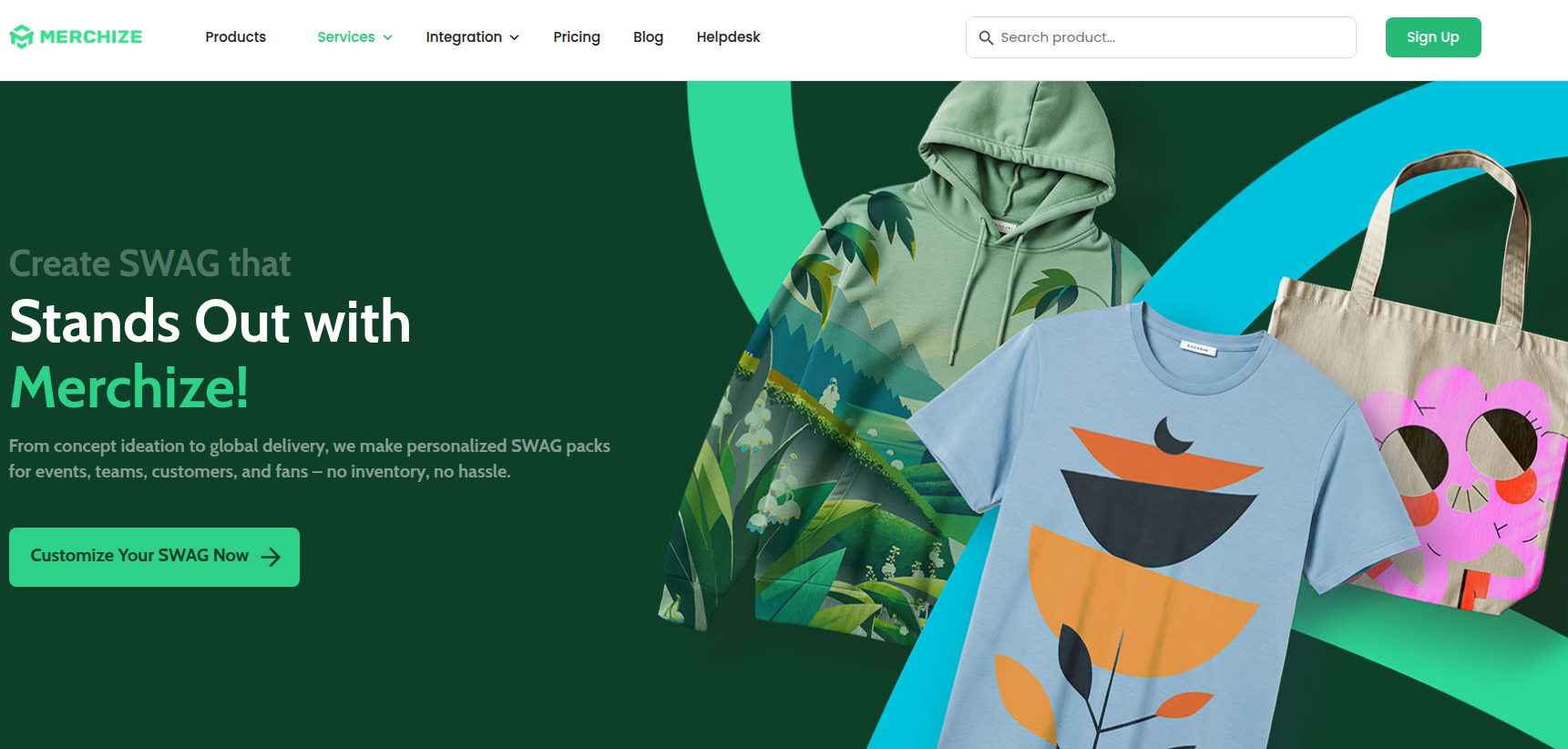
Creating great swag takes more than choosing a few products and adding your logo. From product selection and design to production, packaging, and delivery, every detail plays a role in creating an experience people will remember.
With Merchize SWAG Services, brands can bring everything together in one place. Whether you’re planning a conference, corporate event, employee kit, product launch, or customer campaign, Merchize helps turn your ideas into custom swag that fits your brand and audience.
With a wide range of customizable products and printing options, you can create everything from apparel, tote bags, hats, and accessories to personalized gifts and custom-shaped products. Merchize can also support custom packaging and fulfillment, making it easier to manage both the products and the final delivery.
For larger events and time-sensitive projects, production capacity and reliable fulfillment matter just as much as the design itself. Merchize has worked on custom swag projects for global brands and major events, including Amazon Accelerate 2026, where thousands of custom swag items were produced for attendees in Seattle.
So, instead of treating swag as just another giveaway, turn it into an extension of your brand experience.
FAQs
What is a swag bag?
A swag bag is a collection of branded or promotional items given to event attendees, employees, customers, or partners. It often includes products such as apparel, tote bags, drinkware, accessories, and other custom merchandise.
What does “swag” mean?
In a branding and event context, “swag” refers to promotional merchandise or branded products that companies give away. “Stuff We All Get” is also a popular interpretation of the term.
What should you put in a swag bag?
A good swag bag can include useful items such as T-shirts, tote bags, caps, drinkware, tech accessories, keychains, stickers, or personalized gifts. The best choices depend on your audience, event, and budget.
Why do companies give out swag bags?
Companies use swag bags to increase brand awareness, engage event attendees, reward employees or customers, and create a memorable brand experience that lasts beyond the event.
What makes a good swag bag?
A good swag bag focuses on quality, usefulness, and relevance. Rather than adding as many items as possible, choose products your audience will genuinely want to use and that naturally reflect your brand.
How much does a swag bag cost?
The cost of a swag bag depends on the products, quantity, level of customization, packaging, and shipping. Simple swag bags can be relatively affordable, while premium kits with custom apparel, personalized products, and branded packaging will typically cost more.
How far in advance should you order swag for an event?
It’s best to start planning several weeks before your event. More complex projects involving custom products, samples, special packaging, or international shipping may require additional lead time, so planning early can help avoid last-minute issues.