Contents
When preparing to open a new store, you might already have your customer profile, a great product, an optimization plan, and your sales channels ready. However, one big challenge remains: Where to source products to sell?
Many people think finding suppliers is easy, just type a few keywords into Google, and you’ll get a long list. But it is not that simple.
-
Fake wholesalers: Many “suppliers" online are actually just retailers marking up prices or middlemen taking a cut.
-
High MOQ: Major wholesalers often require very high Minimum Order Quantities (MOQ).
-
High risk: You can’t risk spending a lot of money on a big order based only on a few photos online.
-
Hidden costs: Sometimes you find low prices, but high shipping costs eat up your profits, and you still have to pay 100% upfront.
To help you save time and avoid costly mistakes, Merchize has put together the best sourcing solutions in this article.
Where to source products to sell: 9 popular options
1. From POD suppliers
If you want to sell personalized products or build your own brand without worrying about upfront inventory costs, working with POD suppliers is the best choice.
How it works
The sourcing process with POD suppliers is fully automated for every new order:
-
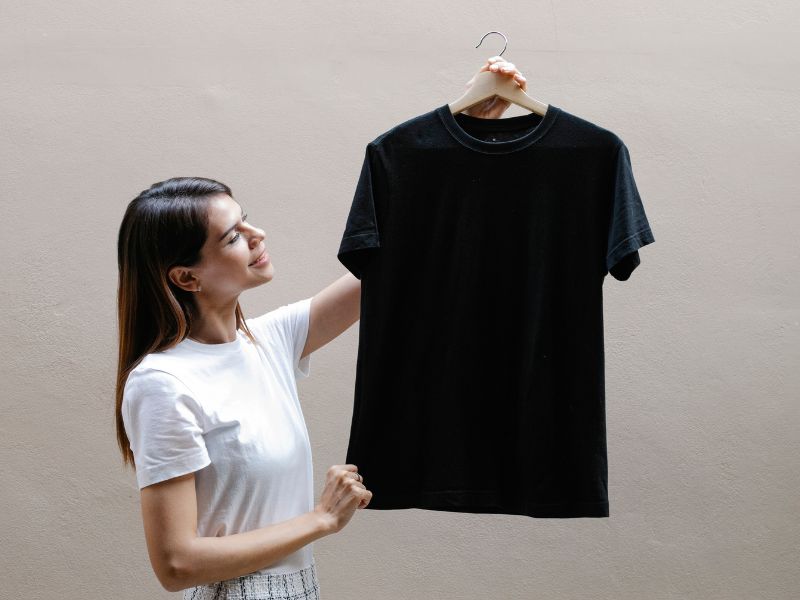
Choose a blank product: You browse the POD supplier’s catalog to select plain products (blanks) like t-shirts, hoodies, mugs, tote bags, or canvas prints.
-
Upload your design: You upload your unique designs onto the blank products, set your prices, and list them on your online store.
-
Automated production & fulfillment: As soon as a customer places an order, the details are automatically sent to the supplier. They print, inspect, pack, and ship the product directly to your customer under your brand name.
Pros:
-
You don’t pay for the product until you’ve already collected payment from the customer.
-
Easy to test countless new design ideas in the market without spending money on sample production.
-
The supplier handles all the logistics for you: production, packaging, labeling, and shipping.
Cons:
-
Since suppliers charge single-unit production costs for each order, the base cost is higher than ordering in bulk from a factory.
-
Customers have to wait for printing time (usually 2–5 days) plus shipping time.
-
Product quality depends on the printer. (Pro tip: Always order a sample to check the fabric, print quality, and packaging yourself before launching).
Top trusted POD suppliers
Depending on your target market and product line, here are some top POD suppliers to consider:
-
Merchize: The top choice for sellers looking to maximize profit margins. They specialize in All-Over-Print (AOP) products and Home Decor, backed by their own fulfillment factory for fast order processing.
-
Printful: Known for consistent print quality, strict quality control (QC), and professional custom packaging/labels. Best for stores positioning as premium brands.
-
Printify: Operates on a Vendor Network model. Printify connects you with hundreds of print providers worldwide, making it easy to compare prices, shipping times, and pick a vendor close to your customers to save on shipping costs.
-
Gelato: Famous for its network of over 100 local print partners across more than 30 countries. Gelato’s key strength is printing directly inside your buyer’s country, significantly cutting delivery times and carbon emissions.
Read more: Sell In 5 Mins: 15 Websites to Sell Items Online For Free 2026
2. Directly from manufacturers
For experienced sellers looking to build a unique brand or offer exclusive product lines, working directly with manufacturers is the way to go.
How it works
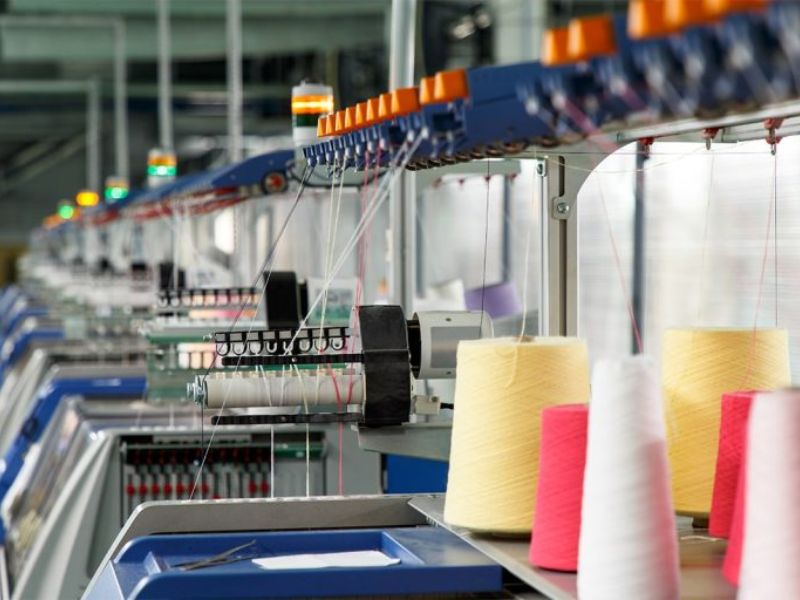
When sourcing directly from a factory, you usually have two main options based on your customization needs:
-
Private Labeling: You choose existing products from the factory’s standard catalog and request light customizations, such as adding your logo, changing packaging/labels, or modifying colors.
-
Custom Manufacturing: You develop your own concept, create technical specifications, and ask the factory to make custom molds and samples to create a brand-new product from scratch.
Standard process: Send a Request for Quotation -> Factory makes a sample -> Review & approve sample -> Sign contract & pay deposit -> Factory begins mass production.
Pros:
-
You buy at original factory prices without paying middleman fees.
-
You have full control over material quality, product features, and brand image.
-
You can easily request samples or visit the factory in person to check the production line before spending big money.
Cons:
-
Most factories require a Minimum Order Quantity (MOQ) ranging from hundreds to thousands of units to cover setup costs.
-
Negotiating, sampling, production, and shipping can take anywhere from a few weeks to several months.
-
You are responsible for storage, inventory management, and handling order packaging and shipping yourself (or hiring a 3rd-party fulfillment service).
Advice: Sourcing directly from manufacturers is best for established businesses with steady cash flow who are ready to scale up. If you are a new seller with limited budget, carefully evaluate your tied-up capital before committing to large factory MOQs.
3. From wholesalers & Distributors
Sourcing through wholesalers or distributors is the fastest way to get ready-to-sell, diverse products at a much lower cost per unit than buying retail.
How it works
The wholesale process is straightforward and quick to set up:
-
Select ready-made items: You browse the wholesaler’s catalog and pick products that fit your store.
-
Bulk purchasing: You buy items in large quantities to get discounted prices (tiered pricing – the more you buy, the cheaper it gets).
-
Inventory & Retail: Products are shipped to your own warehouse, store, or fulfillment center. You take photos, list them on your online store at higher retail prices, and profit from the price difference.

Pros:
-
Wholesale prices make it easy to set attractive profit margins. Ordering and receiving goods is fast since products are already made.
-
Most wholesale products already have clear market demand, reducing your risk compared to developing a new product from scratch.
-
You can source many different product models from the same wholesaler to diversify your store.
Cons:
-
You still need initial capital to buy in bulk. If products don’t sell well, you risk tying up your money in unsellable stock (deadstock).
-
Anyone can access and sell the exact same products from that wholesaler. Without a strong marketing strategy or standout packaging, it is easy to get dragged into a price war.
-
You must carefully screen wholesalers to avoid low-quality items, misleading descriptions, or sudden supply chain disruptions.
Tip: Build long-term relationships with 2–3 different wholesalers for the same product line. Having backup suppliers ensures your store runs smoothly even if your main vendor runs out of stock.
4. Self-manufacturing
For those who want to offer truly unique products that stand out from any competitor on the market, making your own products is a route worth considering.
How it works
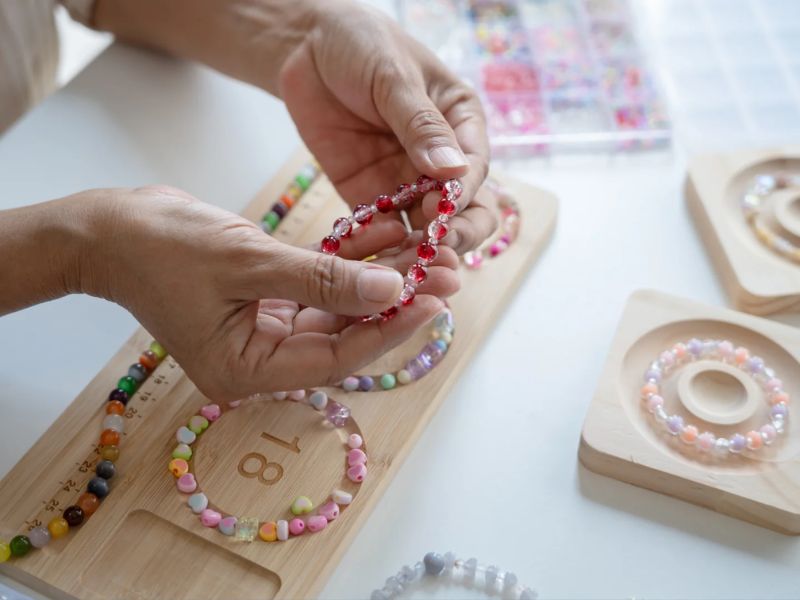
With this model, you handle the entire operations chain yourself: from coming up with ideas, sourcing raw materials, and crafting products by hand to packaging, shipping, and customer care.
Besides selling ready-made items, you can also expand your product line by selling DIY Kits which include all necessary materials and detailed instructions so customers can finish the product themselves (for example, bead embroidery kits or craft kits on Etsy).
Pros:
-
You have total control over final product quality, ensuring every detail meets your standards.
-
It brings absolute uniqueness to your products, making it easy to build a strong personal brand story.
-
You can easily launch creative business models like selling DIY Kits.
Cons:
-
The workload is extremely heavy, and it’s easy to get overwhelmed when order volume increases, forcing you to hire extra help.
-
Hard to scale up because your output is limited by time and human labor.
Note: This model is best suited if you treat it as a side hustle or focus on a medium-sized niche market, rather than aiming for mass industrial production.
5. From E-commerce platforms
Think e-commerce platforms are only places where you buy or sell products? They are actually a very effective sourcing channel, especially for niche items, antiques, artisan crafts, or testing the market in small quantities.
How it works
You act as a shopper on online marketplaces. You actively search for unique items, vintage books, vintage goods, or handmade items from other shops, purchase them at good prices (or wholesale rates), and then list them for resale on your store. To add value and stand out, you can customize or repackage the products before selling them.
Pros:
-
Highly convenient and flexible, allowing you to order in very small quantities to test the market.
-
Gives you access to rare, unique, or collectible items that big wholesalers simply don’t offer.
-
The search and transaction process is simple and handled directly on the platform.
Cons:
-
Unit prices are usually significantly higher than working directly with wholesalers or factories, not to mention platform transaction fees and extra costs.
-
High risk regarding product quality and authenticity (especially for antiques or pre-owned items), as you cannot inspect the actual condition until you receive the order.
6. From trade shows
When you want to approach suppliers professionally and inspect product quality in person before signing a contract, trade shows and expos are destinations you shouldn’t miss.
How it works
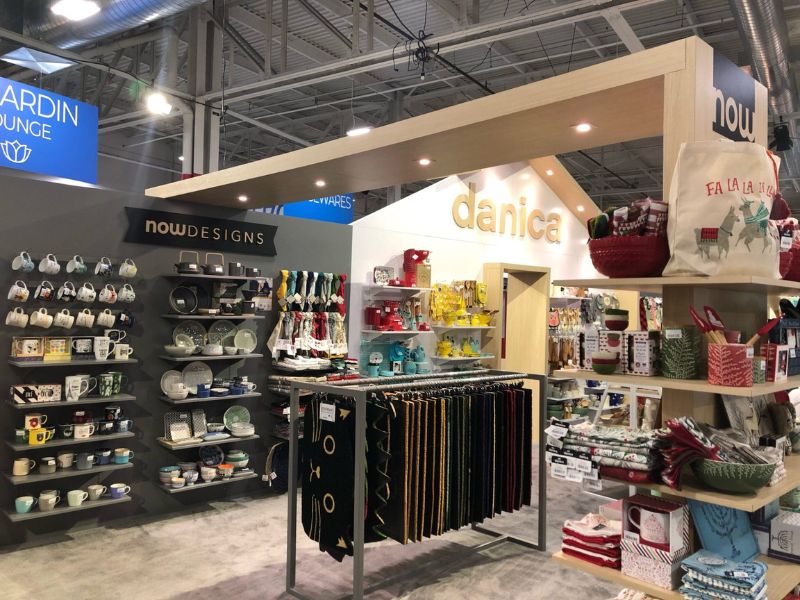
Trade shows are large events that bring together many distributors, factories, and suppliers in one place. You attend as a business owner looking for products: seeing items directly, evaluating samples, negotiating terms, and building business relationships right at the booths. These events usually last a few days in major cities or as smaller local expos.
Pros:
-
Lets you see, touch, and test actual product quality before deciding to order samples or sign contracts.
-
Access hundreds of suppliers under one roof, saving search time and discovering new product ideas easily.
-
Creates face-to-face opportunities to negotiate and build long-term, trusted partnerships with third-party suppliers.
Cons:
-
Attending events can be costly due to travel, hotels, and time, especially if trade shows are only held in major cities.
-
Higher barrier to entry for beginners because many trade show suppliers prefer working with established brands with huge order volumes.
Note: This model works best when your business is already running stably and you have experience in business negotiations.
7. From local suppliers
Sourcing locally is an ideal way to optimize delivery times, cut shipping costs, and easily share a compelling “Local-made" brand story with your customers.
How it works
You find local suppliers by attending local craft fairs, joining business networks, or visiting regional markets and workshops directly. You meet local artisans and makers to buy unique, handmade goods or negotiate exclusive deals to list their products on your online store.

Pros:
-
Minimizes shipping times and cuts logistics costs, helping customers receive orders much faster.
-
Easy to leverage product origin stories in your marketing, attracting buyers willing to pay higher prices for unique, handmade items.
-
Simple to meet in person to build trusted relationships with local suppliers, creating opportunities for exclusive distribution deals.
Cons:
-
Product variety and stock can be limited, and they may not catch market trends as quickly as large international suppliers.
-
Local production costs are often higher, leading to higher product costs and requiring a clever retail pricing strategy.
8. From international suppliers
Importing products from international markets is the top solution for online stores looking for diverse items at highly competitive original prices.
How it works
You search for and work with overseas suppliers through online platforms, video calls, or visiting their production facilities in person. You negotiate prices, learn about import regulations, taxes, and customs processes (or hire a customs broker to help). Then, you work with international logistics providers to ship goods to your warehouse.

Pros:
-
Extremely competitive import prices, helping optimize your product cost.
-
Huge product selection, rich in designs, and leading many new market trends.
-
Easy to find suppliers with large-scale production capacity.
Cons:
-
Longer international shipping times with constant risks of delays.
-
Complex processes that require understanding import taxes, customs policies, language barriers, and time zone differences when working with foreign partners.
9. From liquidation sources
For anyone looking for products at any stage of business growth, buying from trusted inventory liquidation sources is a great option to consider.
How it works
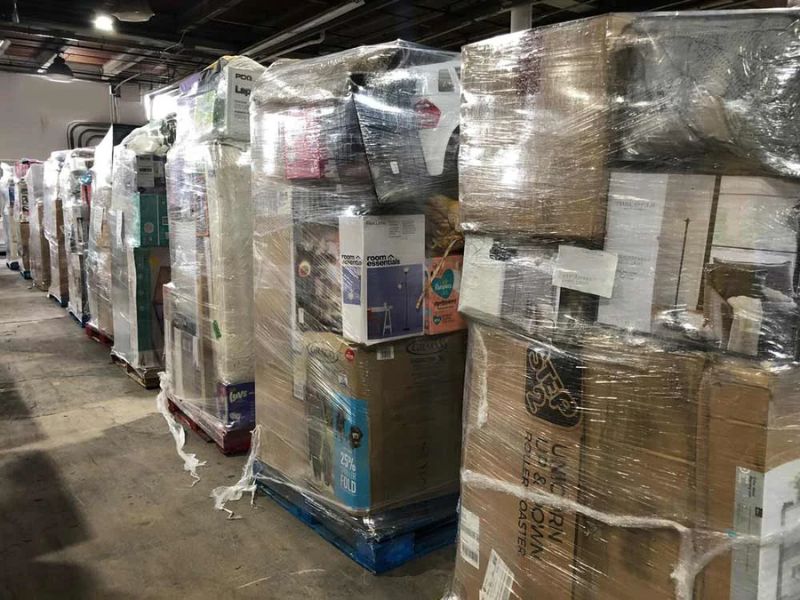
Liquidation companies buy up overstock, customer returns, or excess inventory from major retailers and resell them to sellers. You can buy flexibly from single product codes (SKUs) and pallets to entire truckloads of goods. You should choose liquidation companies that offer diverse catalogs, competitive prices, shipping manifests, and full logistics support.
Pros:
-
Super cheap prices compared to the original retail prices.
-
Highly flexible order quantities.
-
Diverse products that are ready to ship immediately.
Cons:
-
Product quality can be inconsistent or damaged.
-
Supply is inconsistent and not available on a regular schedule.
-
Some liquidation lots do not provide detailed item lists (manifests).
How to choose the right product sourcing channel for your store
Summary table of sourcing channels
| Sourcing channel | Best for | Initial investment | MOQ level | Product customization | Inventory risk |
| POD suppliers | Selling custom products, testing design ideas | Very low | N/A (0) | High | None (0) |
| Manufacturers | Building a private label, exclusive products | Very high | Very high | Extremely high | Very high |
| Wholesalers | Reselling items with existing demand | Medium – High | Medium – High | Low/ None | Medium – High |
| DIY/ Handmade | Handmade goods, unique items, niche markets | Low – Medium | Very low | High | Low |
| Marketplaces | Hunting niche/antique items, small test buys | Low | Very low (1–2 pcs) | Low | Very low |
| Trade shows | Direct networking with factories, checking samples | High | High | High | High |
| Local sourcing | Fast delivery times, leveraging “Local" origin | Medium | Medium | Medium – High | Medium |
| International | Maximizing lowest unit cost, huge variety | Medium – High | High | High | Medium – High |
| Liquidation | Hunting clearance lots, reselling for margin | Medium | By pallet/ truckload | None | High (Inconsistent quality) |
5 core criteria to help you decide
1. Based on your starting budget
-
Small/ Limited Budget: Prioritize POD or Dropshipping to avoid tying up capital in inventory.
-
Medium Budget: Choose Wholesale to get better prices with ready-to-sell stock.
-
Large Budget: Work directly with a Manufacturer to get the lowest possible cost per unit.
2. Based on your business model
-
Selling Custom-Printed / Custom-Designed Items: Choose POD Suppliers.
-
Reselling Existing Products / Established Brands: Choose Wholesalers.
-
Building an Exclusive Brand (Private Label): Choose Manufacturers.
-
Artisan Goods / Unique Items: Choose DIY / Local Artisans.
3. Based on expected order volume
-
Market Testing Phase: Focus on channels with No MOQ or very low MOQ (POD, Marketplaces).
-
Steady Growth Phase: Switch to Wholesale to optimize profit margins.
-
Scaling Up Phase: Place orders directly with Manufacturers to support large volumes.
4. Based on your target market
-
Domestic Customers: Prioritize Local Suppliers for faster delivery and better customer support.
-
Global Customers: Work with International Suppliers or use a Distributed Fulfillment Network.
5. Based on operational priorities (Shipping vs. Cost)
-
Priority on Fast Shipping: Choose Local / Domestic Fulfillment.
-
Priority on Cheapest Unit Cost: Choose International Sourcing (and accept longer shipping times).
4 steps to find and evaluate the right sourcing channel for your store
Once you clearly understand the sourcing channels, the next challenge is choosing the right products and reliable partners. Here is a 4-step process to optimize your decision-making:
Step 1: Market and product research
Before spending money, thoroughly research trending products and categories. Understanding what sells well and why customers buy will help you shape your store’s catalog and reduce inventory risk.
Step 2: Reach out and request quotes
Once you have a list of potential suppliers, send a short introductory message about your business (via email or messaging tools on platforms like Alibaba). Ask them for core information:
-
Detailed price quotes based on different quantity tiers.
-
Minimum Order Quantity (MOQ).
-
Shipping costs and delivery times (Shipping terms).
Advice: If you are a beginner, start with POD or Dropshipping to get familiar with store operations. Once you have steady revenue, you can switch to wholesalers or factories to optimize profits.
Step 3: Order samples
Ordering samples is a mandatory step to evaluate a supplier’s actual capacity. This step is especially critical for POD and Dropshipping models where you don’t package items yourself. Ordering samples allows you to personally check:
-
Product build quality (fabric, print quality, durability, etc.).
-
Packaging speed, package quality, and actual delivery times.
Step 4: Learn & Stay flexible
You don’t need to figure everything out from scratch. Connect with seller communities on social media or attend trade shows to learn from their successes and failures.
Most importantly, don’t lock yourself into a single supplier forever. As your store grows, you can flexibly switch supply models (for example, from Dropshipping to Self-Manufacturing, or from Self-Manufacturing to POD) to optimize costs and operations.
>> CASE STUDY: Match Kicks’ successful business transformation
Match Kicks (a famous fashion brand specializing in outfits matching popular sneakers) is a prime example of flexibly changing sourcing models to boost revenue.
- Initial problem: Initially, Match Kicks invested in machinery and printed all their clothing products in-house. However, as order volume grew rapidly, they immediately faced major bottlenecks: expensive factory operating costs, heavy warehouse management burdens, and printing and packaging work consuming all team time.
- Strategic pivot: Realizing that self-manufacturing was suffocating their ability to scale up, Match Kicks decided to partner with POD suppliers.
- Result: Automating production and fulfillment through POD partners freed Match Kicks from manual operational tasks. They saved massive amounts of money on machinery and storage, pouring all resources into new designs and marketing. As a result, the brand successfully scaled up, processing tens of thousands of orders per month without inventory risks.
Lesson for sellers: Choosing a supply source is not a fixed decision. Be ready to adapt your supply model as your store enters a new stage of growth.
Why build your E-commerce business with Merchize?
If you are still considering where to source products to sell while optimizing both cost and operational capacity, Merchize offers distinct competitive advantages over other POD platforms on the market:
-
Manufacturer-frst supplier: Unlike third-party marketplace models that only connect independent print shops, Merchize owns its direct production facility spanning over 70,000 sq ft. This allows Merchize to compete directly on strict in-house quality control while offering better base costs.
-
Extremely competitive base costs: Thanks to direct manufacturing in Vietnam, Merchize provides industry-leading base costs, especially ideal for high-volume sellers looking to maximize profit margins compared to partners like Gelato or Printful.
-
Flexible POD model – MOQ = 1: Allows production and fulfillment starting from just 1 item, letting you freely test new designs in the market with zero inventory pressure.
-
Exclusive niche market: This is Merchize’s strongest white space. While major competitors like Gelato or Printful do not offer custom cut-to-shape products, Merchize provides a full line of unique custom-shaped wood and acrylic items (Keychains, Decor, Ornaments, Plaques, etc.).
-
Optimized fulfillment solutions for TikTok Shop: Merchize built a dedicated catalog system and standardized fulfillment workflow tailored for TikTok Shop, enabling super-fast order processing that meets the platform’s strict SLA standards and drives seller sales.
-
Global fulfillment & Integration: Automatic 1-click order sync with major e-commerce platforms (Etsy, eBay, Amazon, TikTok Shop, Shopify, etc.) and fast shipping to international buyers.
Conclusion
Finding a reliable supply source is just the beginning. With Merchize, you don’t just find the answer to your sourcing challenge, you gain a trusted partner to help you lower costs, create freely, and boost your global e-commerce sales!