

Contents
Skyrocketing advertising costs in 2026 are putting retail stores in a difficult position. To survive and make a profit, the only strategy is to narrow your target focus and concentrate all resources on the best e-commerce niches.
However, not every niche market brings profits. A successful niche requires 3 elements: an active buyer community, an average order value of $45 or more, and good protection against copycats. Reaching the right group of customers who are willing to pay for a specific solution helps businesses reduce the pressure of relying on paid ads right from the start.
The next section will deeply analyze each industry group that meets the above standards, along with an execution roadmap so you can easily apply it to your business model.
Criteria framework for choosing the best Ecommerce niches
To avoid falling into the trap of “burning money" on ads while still picking a high-potential market, you cannot rely on feelings. Below are 4 filters to help you evaluate and verify a niche worth doing business in.
- Existing community: A potential niche always starts with an active user base. Look for places where they are actively discussing every day, from Reddit, Facebook groups, Discord servers, to YouTube channels.
- High enough AOV: Skyrocketing customer acquisition costs make low-value retail models (< $20) almost impossible to be profitable. An ideal niche needs to have a high average order value or integrate a recurring purchase model to optimize customer lifetime value.
- Exclusive competitive advantage: Your product must have its own “layer of protection," such as an exclusive formula, a unique brand story, or trusted certifications. This helps you avoid fierce price wars with mass-market items.
- Organic growth momentum: Don’t try to create a wave; ride an existing one. Verify that the niche is growing using real data from Google Trends, TikTok hashtag engagement, or Amazon best-seller ranks.
Expert advice: The biggest mistake of new sellers is confusing “I like this product" with “The market actually needs this product." Passion is a great starting point, but verified data is the survival foundation of a business. Validate the market before you start building anything.
Checklist 15 best Ecommerce niches to start
1. Custom & Print-on-Demand Goods
The biggest advantage of the Print-on-Demand model today lies in exclusive production for subcultures, content creator communities, and micro-influencers. Selling generic designs is completely outdated. The success of a POD brand now is measured directly by how deeply it understands a specific group identity.
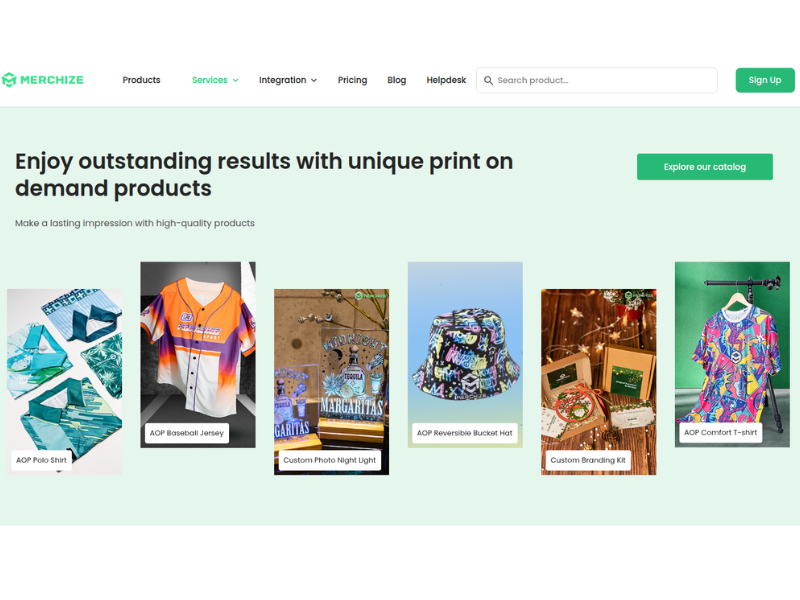
In addition, issues related to inventory, import capital, production costs, and shipping are solved quite neatly. Goods are only made and sent out after the customer has paid in full.
Operationally, POD optimizes financial risks thanks to a mechanism that requires no import capital and no storage costs. Goods are produced only when an order is placed. However, to reach an optimal average order value, you must expand your catalog to high-end product lines instead of stopping at t-shirts, for example:
-
Key products: Detailed embroidered hats, heavy-weight hoodies, drinkware with community identity, or custom photo woven blankets.
-
Target customers: Tap into groups willing to pay for personalization, such as pet owners (engraved food bowls, custom collars), new parents (baby blankets with custom names), or hand-crafted gift collectors.
The personalization factor is the most convincing reason for buyers to happily accept high prices. Still, the biggest limitation of POD is that designs are very easy for competitors to copy. The competitive advantage lies in an exclusive brand story and a strong bond with an existing buyer community.
2. Beauty
The mass cosmetics market is saturated, but the fragmentation of the “Clean Beauty" trend is opening up valuable gaps. Consumers are increasingly proactive in looking for products with specialized and transparent ingredients. This customer group is willing to spend a lot on brands that dare to publicly share 100% of their formulas.

Instead of spreading resources thin across multi-purpose product lines, focusing on core ingredients will help you easily build a loyal customer base:
-
Potential products: Tallow skincare lines, intensive peptide serums, skin barrier repair products, refillable rock deodorants, or compact solid perfumes.
-
Main distribution channels: Leverage organic traffic through TikTok and Instagram Reels, and write deep SEO articles decoding ingredients.
The beauty niche fully meets the standards of an ideal business niche: it has both a high average order value and can easily integrate a recurring purchase model to create a stable cash flow.
However, the biggest barrier in this industry is legal compliance and ingredient certification. If you plan to scale up to international markets (especially strict markets like the EU), working with a regulatory consultant right from the start is mandatory to avoid the risk of products being held or recalled.
3. Consumer Electronics Accessories
Every new device launch from tech giants triggers a wave of accessory shopping. This is a segment with an extremely fast product turnover rate and high profit margins thanks to low production and packaging costs. The mobile accessories market is also projected to maintain continuous growth momentum for many years to come.

Despite its great potential, the competitive barrier in this niche is quite low because products are easy to copy. To build your own position, your brand needs to focus on:
-
Strategic product catalog: MagSafe-compatible accessories (chargers, car mounts, magnetic wallets), custom-designed phone cases, or smartwatch bands that help upgrade personal style.
-
Maximizing sales with Bundling: Increase order value by bundling products into complete solution packages like a “Remote Work" tech kit or a “Travel-Ready" accessory pack.
-
Speed of product launch: You must bring products to market as soon as the original device is announced, rather than waiting months after the demand has cooled down. Combine this with visual lifestyle marketing so buyers can immediately see themselves in it.
4. Home Decor
The traditional housing sector is too broad and saturated. You need to find opportunities in smaller niches where aesthetic design, convenience, and tech applications meet. The rise of smart home solutions, sensory design, and wellness furniture is completely reshaping consumer living standards.

This segment offers stable high profits by targeting the right potential customers: those looking to decorate and upgrade their living space.
-
Potential products: Smart lighting systems combined with art lighting, essential oil diffusers/air purifiers for mindfulness, weighted blankets, or ergonomic chairs for premium comfort.
-
Approach strategy: Focus marketing on the experience outcome – a smarter, warmer living space that helps restore energy after a working day.
Read more: Best Home Decor Products To Sell
5. Supplements & Gut-Health Fermented Foods
Gut health has become a long-term behavioral change among consumers. Demand for fermented foods and clean-label products is shifting strongly from supermarket shelves to direct-to-consumer models.

This niche has very attractive business metrics, but comes with significant operational barriers:
-
Key products: Organic kimchi, fresh kefir, probiotic hot sauce, fermented honey, adaptogen-infused concentrated drinks, mushroom coffee, high-protein snacks, or low-sugar mocktails.
-
Leveraging the Subscription model: People caring for gut health usually maintain routines for months. Setting up an automatic recurring delivery mechanism combined with a customer care program helps maintain a Retention Rate beyond 18 months, creating sustainable cash flow.
-
Advantage from operational complexity: Logistics for perishable goods require a cold-chain supply infrastructure. This acts as a natural barrier to keep out most weak competitors from entering the market.
6. Activewear & Home Fitness Equipment
The habit of working out at home combined with flexible work trends makes the demand for practical sports products grow continuously. Consumers prioritize versatile clothing – both comfortable and stylish enough to hit the street or meet friends.
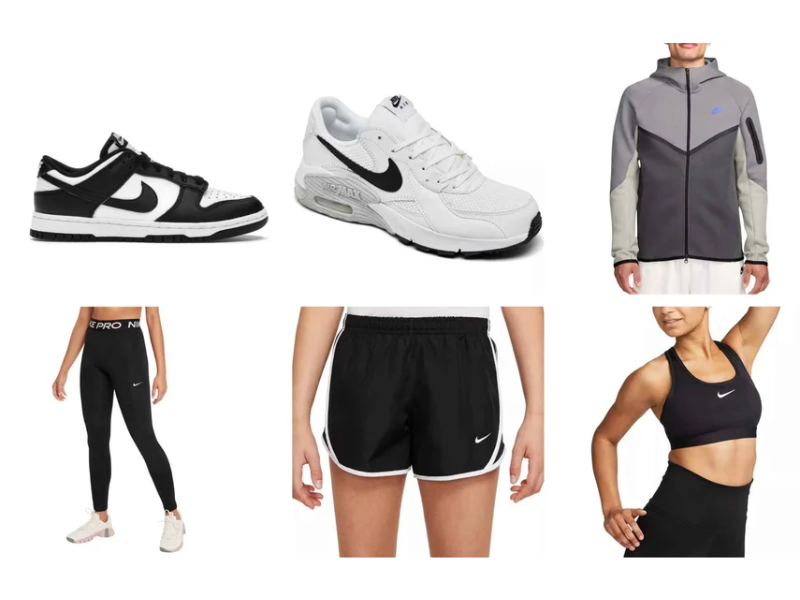
Therefore, combine aesthetics, performance, and sustainability:
-
Key products: Compact equipment for small spaces (high-quality snap-resistant resistance bands, mini dumbbells, eco-friendly yoga mats), versatile activewear made from recycled fabrics, smart water bottles, or muscle recovery kits.
-
Expanding B2B/ Creator target segment: Provide custom-printed equipment and gym towels featuring unique branding for personal trainers (PTs) or wellness KOLs.
The key to closing sales in this niche lies in proving practicality: compact and easy to store, durable materials, and designs that build confidence in any situation.
Read more: How to Sell Activewear Online in 2026?
7. Sustainable Products
The concept of “eco-friendly" this year is no longer just empty words. Today’s customers strongly favor products designed to be reusable, easy to repair, or collectable for recycling.

Customers in this niche are very sharp and strict about “greenwashing". If a product lacks third-party certifications, lacks supply chain transparency, or has no clear environmental impact report, the brand can easily face a PR crisis:
-
Easy-to-implement products: Concentrated cleaning solutions (refillable with reusable bottles), biodegradable consumables, textile accessories made from recycled fibers, or zero-waste household kits.
-
Effective marketing channels: Focus on neat and aesthetic visuals on Instagram, connect with sustainable business communities (B Corp), green lifestyle podcasts, and value-driven marketing partnerships.
Absolute honesty and transparency regarding material sourcing will be rewarded with very high loyalty and organic word-of-mouth from the green consumer community.
8. Pet Products
High pet ownership rates come with owners willing to spend large amounts of money to care for their four-legged friends. Trends in the pet care industry are currently following the human health care industry by about 2–3 years. This is also the most emotional niche among all.

Focus on holistic healthcare and premium accessories:
-
High-margin products: Organic supplements (joint support, anxiety relief, gut health improvement), functional pet food tailored by dog/cat breed, tech devices (automatic feeders, GPS collars), fashion accessories, and beds made from recycled materials.
-
Ideal business metrics: Emotional attachment linked to purchasing behavior gives pet brands an extremely high customer lifetime value (LTV). Once customers trust a brand, they maintain regular purchases for years.
Providing high-quality solutions that improve pets’ quality of life and longevity is the shortest path to winning consumers’ full trust and wallets.
Read more: Best Pet Products To Sell Online: 20+ Trending Items
9. Home Improvement & DIY Tools
Home repair is a counter-cyclical industry. As housing supply decreases and people tend to stay in their homes longer, they invest more in their living spaces. Provide products with near-professional quality that are easy to use, helping homeowners complete projects themselves that previously required hiring contractors.

Visuals are the key sales driver in this niche. Capturing the transformation process creates a very strong marketing effect:
-
Ideal product catalog: Specialized hand tools, concrete application and epoxy floor paint kits, modular storage systems, and interior finishing/decorating tools.
-
Marketing & Sales channels: Visualize tutorials on YouTube, Pinterest, and home renovation discussion threads on Reddit, and run targeted Meta ads aimed at homeowners.
Brands that successfully combine product quality with detailed instructional content will naturally create a sustainable competitive advantage.
10. Outdoor Entertainment & Micro-Adventure Gear
The trend of participating in outdoor activities retains strong appeal, but current growth momentum centers on “micro-adventures". Consumers are looking for comfortable products for car camping, flexible mobility gear from city to trail, or lightweight specialized items that do not require heavy investment.
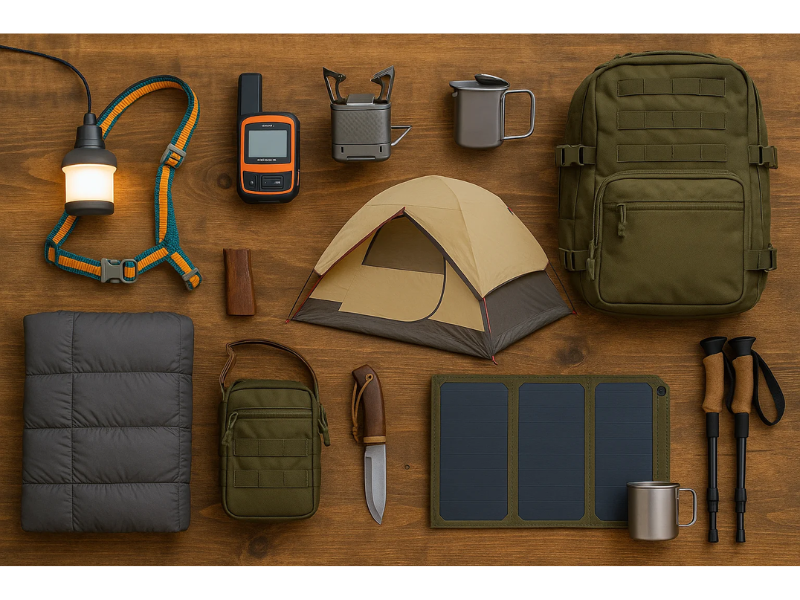
Customers in this segment choose products based on brand identity and lifestyle factors:
-
Key products: Ultra-lightweight camping cookware sets, compact hammocks, trail running accessories, or all-weather work bags/backpacks.
-
Main distribution channels: Real reviews on YouTube, camping/hiking forums on Reddit, discovery campaigns on Instagram, and media partnerships via the Strava platform.
Delivering authentic content from real user communities is the most effective driver for order conversion rates.
11. Digital Products & Online Education
In terms of profit metrics, digital products are the most optimal e-commerce model since Cost of Goods Sold (COGS) is almost zero after completing the product. The biggest challenge in this sector lies in building enough credibility and a solid distribution channel so customers trust you enough to spend money.

The key factor driving conversions for digital education products is committing to a specific outcome. Instead of selling a general course, package a solution that solves one exact target problem, for example: “A 30-day content system helping D2C brands under 10,000 followers reach their first $5,000 in sales".
-
Potential products: Specialized online courses, Notion management template libraries, pre-designed sales email sequences, or Standard Operating Procedure (SOP) documents for specific fields.
-
Customer acquisition channels: Build an email marketing list, write deep articles on LinkedIn (for B2B clients), run YouTube SEO, and run Meta ads for lead generation.
12. Kids & Family Products with a Value-Driven Focus
Shopping decisions for family and children always yield the highest lifetime value (LTV) and loyalty. The Millennial parent generation is entering parenthood with a trend toward prioritizing safe, value-driven products: non-toxic toys, screen-free development solutions, Montessori learning tools, and gentle baby skincare items.

Trust is the core foundation deciding brand value in this industry. Parents are happy to pay premium prices for products they fully trust:
-
Key products: Waldorf/Montessori educational toys, safe art supplies, gentle baby skincare products, or screen-free activity kits.
-
Channels to reach parents: Partner with mom bloggers/ family KOLs, build a presence on Pinterest, join parenting discussion groups on Facebook, and collaborate with trusted toy review YouTube channels.
When operating in this niche, product quality standards must be 100% consistent with marketing promises to protect brand reputation.
13. Home Appliances
Upgrading living space continues to be a top consumer priority, driving them to order home appliances online. The e-commerce market for home appliances is projected to maintain strong growth, reaching hundreds of billions of dollars in the coming years.
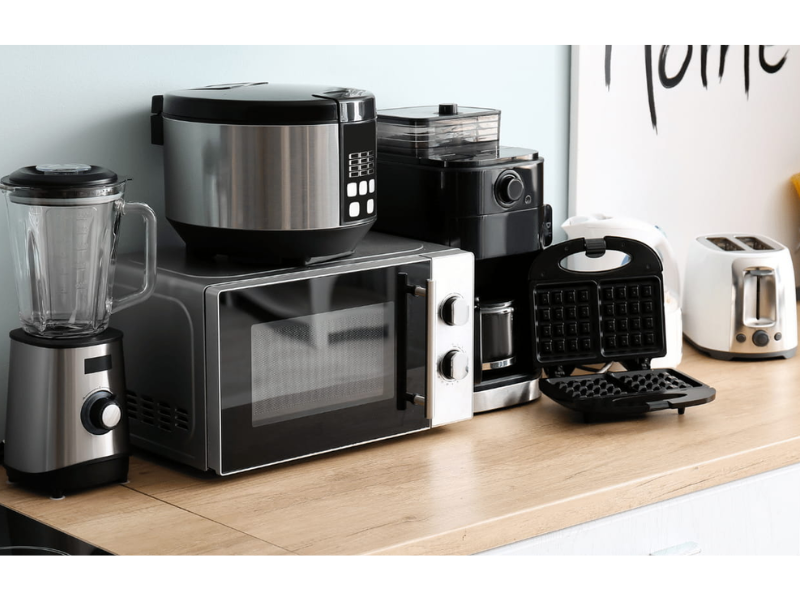
The big opportunity lies in offering compact, multi-functional, or automated appliances that save time on housework:
-
Potential product catalog: Compact ovens, smart kettles, multi-functional air fryers, cordless vacuum cleaners, or automatic robot mops.
-
Bundling packages: Increase average order value by designing complete kitchen kits around holiday occasions or trending recipe themes.
14. Office & Remote Work Accessories
Remote and flexible work models have become the new normal. Consumers continuously invest in upgrading their home workspaces to increase productivity, comfort, and visual appeal to share on social media.
The key in this niche is selling a better quality workspace:
-
Key products: Height-adjustable standing desks, space-saving desk organizers, blue-light blocking glasses, or lighting systems for video calls.
-
Marketing strategy: Package productivity kits tailored to specific professions (for developers, designers, or content creators). Position products to make daily work smoother, use real testimonials from remote workers, and run “desk setup upgrade" campaigns to show clear before-and-after transformations.
15. Gaming Products & Creator Economy
Gamers and content creators have turned their hobbies into businesses, creating a niche market with extremely loyal customers. This user group constantly looks for ergonomic gear, live streaming support tools, and personalized collectible items.

The strongest advantage of this niche is an existing fan base with high loyalty, ready to pay for memberships or exclusive items:
-
Potential products: Live streaming accessories (extra-large mouse pads, custom desk mats, camera lights), sustainable gaming products (apparel, collectibles from recycled materials), or monthly subscription boxes.
-
Approach strategy: Use keyword research tools (Google Trends, Ahrefs) to quickly capture search trends for new gear. Reaching the right audience turns small fan communities into long-term, sustainable e-commerce brands.
Read more: How to Build and Sell Gaming Merch In 2026
Why is choosing a niche market important?
Launching an online store without clearly defining a niche market is an extremely risky move. Competing in a market that is too broad makes it very difficult for your brand to stand out. On the contrary, focusing on a specific niche brings outstanding advantages:
-
Product optimization: Easily design and adjust products to meet the exact needs of your target customers.
-
Increased marketing efficiency: Launch targeted communication campaigns at more optimized costs.
-
Building a loyal customer base: Attract users who have a high repeat purchase rate.
-
Establishing brand credibility: Easily become an expert/leading brand in a small community, instead of struggling to face big players in the mass market.
The most profitable e-commerce businesses are highly focused on solving a specific problem or satisfying a major passion. Doing market research and tracking consumer demand is the mandatory first step you must take.
5 ways to identify trending market segments
To find the right niche market for your business goals, you can apply the following 5 methods:
1. Use Keyword Research Tools
Leverage data from Ahrefs, SEMrush, and Google Keyword Planner to know exactly what consumers are searching for. Combine this with analysis on Google Trends to spot sudden spikes (short-term trends) or steady search increases (long-term trends, for example: “eco-friendly products," “organic pet food").
2. Conduct Market Research via Industry Reports
Refer to deep data from reputable organizations like Statista, McKinsey, and Grand View Research. These reports provide an overview of market size, emerging trends, consumer behavior, and segments with high growth potential.
3. Analyze Social Media Platforms
Follow influencers (KOLs/Influencers) in each field and stay updated on trending hashtags. Social media is always where new trends and niches appear first before spreading to mainstream shopping channels.
4. Leverage Personal Hobbies & Expertise
Choosing a niche tied to your own passion or knowledge helps you build an authentic brand story (brand storytelling) and maintain long-term motivation to operate your business in a competitive environment.
5. Lean Testing
Start with a small-scale product line through POD or Digital Products. Launch the products on your online store, measure real sales data, and flexibly adjust before making a large investment.
So, which niches will you dominate in 2026?
The most profitable e-commerce brands don’t try to serve everyone. They choose their own path, deeply understand their customers, and launch products that solve those exact needs.
Choosing a niche is about market size but more importantly, it’s about alignment: how well it fits your brand values, growth vision, and the community you want to build.
Whether you’re preparing to launch your first product or expand an existing store, use the framework below as your launchpad.
Step 1: Self-Assessment & Finding Your Starting Point
Review your interests, expertise, and potential target audiences that you can commit to for the long term. You can use Notion or Miro to map out ideas, ChatGPT to brainstorm customer personas, while tracking keyword growth momentum on Google Trends and listening to user pain points through discussions on Reddit or Quora.
Step 2: Cost – Profit – Risk Analysis
Carefully analyze product costs, marketing budgets, and required cash flow. When comparing two niches like Sustainable Skincare and Fitness Accessories, data might show that while skincare has high demand, competition is fierce, whereas recovery fitness tools have strong growth momentum with fewer competitors. Leverage tools like Ahrefs, Semrush, Google Keyword Planner to measure competition, Shopify Profit Margin Calculator to calculate margins, and build financial models on Google Sheets.
Step 3: Establish Supply Chain & Operations (Fulfillment)
Reliable manufacturing and shipping partners help ensure consistent quality, shorten delivery times, and boost repeat purchase rates. For instance, an activewear seller can partner with Printify/Mechize to automate production and shipping.
Step 4: Test Before Scaling Up
Start small to measure actual demand and gather feedback. You can quickly set up a test store using Shopify Starter, create ad visuals/mockups yourself with Canva Pro, and test audiences with a small budget on Meta Ads Manager or TikTok Ads. Finally, closely track user behavior and conversion bottlenecks on your website using Google Analytics and Hotjar to build your store expansion strategy.
A few tips
-
Prioritize selling products that solve a specific problem or serve an audience you truly understand and are passionate about.
-
Focus on communities with repeat purchase habits, especially older demographics (particularly women).
-
Research thoroughly to pick niches aligned with long-term trends like eco-friendly living, home gardening, or DIY.
-
Build a cohesive product line to easily cross-sell and up-sell.
-
With a tight budget, skip paid advertising and dedicate all resources to creating short-form videos on TikTok, Reels, and Shorts to drive organic traffic.
-
Sell products with a fresh perspective that hits the right emotional notes. For example, selling gardening supplies with the message: “Growing vegetables is like growing money."
-
Build trust through real-life imagery. Keep your brand name simple, memorable, and directly connected to the result customers hope to achieve.
Final thoughts
The common success formula for enduring brands always comes down to 4 elements: a specific customer segment, a specific pain point, a clear core value, and operational discipline.
All the potential niche suggestions above are not a “golden ticket" to get rich quick. The next step is entirely up to you: compare these niches against your existing strengths to pave your own path.
Today’s sellers are living in a “golden age." Support from AI and automation tools allows a solo individual to handle the workload of what used to be a 10-person department. Creating an online store is too easy now. The only thing technology cannot do for you is deep customer understanding and a serious professional mindset.
Create a specific product. Build a decent brand. And deliver genuine value. That is the most sustainable competitive advantage in e-commerce today and for many years to come.