Contents
The difference between a weak Black Friday sale and a revenue-boosting campaign lies in your marketing mindset. In a world full of noise, picking practical strategies is a difficult puzzle. Some say you should run campaigns in October, while others claim November is the golden time; some love massive discounts, while others focus on offer variety. Among a forest of conflicting advice, how do you know the right move? The Black Friday marketing ideas below will help you make a sustainable revenue breakthrough this shopping season.
Key Takeaways
- Do not compete by price cutting. The art of bundling, mystery selling, and creating unique products is the way to keep high-end customers while optimizing revenue.
- Ads on peak days are often expensive and less effective. Success lies in collecting email and SMS data and opening early sales for VIP customers weeks before.
- Cart abandonment rates jump because customers are overwhelmed by information and fear extra fees. Clear free shipping rules and automated follow-ups are enough to turn things around.
- The response speed of the customer service team and the smooth performance of the website during prime hours are the direct drivers converting visits into real orders.
- The ultimate goal of Black Friday is not just 24-hour revenue, but the cheapest chance to get new buyers and turn them into loyal members for the next year.
Maximize Q4 revenue with Black Friday leverage
Black Friday takes place on the last Friday of November and holds the position of the biggest shopping event of the year. Boosting sales, raising brand awareness, and building customer loyalty during this time will create momentum for a breakthrough year.
When big and small businesses join the race at the same time, your marketing strategy must create unique value. Besides, planning a strategy to keep customers after the BFCM (Black Friday – Cyber Monday) series must bring a difference.
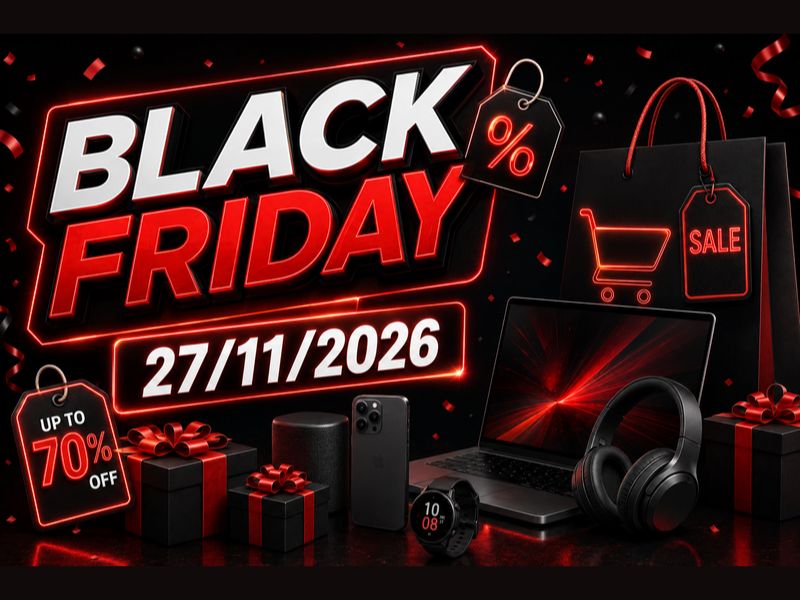 In 2025, Black Friday recorded peak shopping across all platforms, reaching 80.3 million in-store buyers and 85.7 million online shoppers (NRF). Following that, Black Friday online sales in 2025 jumped 10.4% compared to 2024.
Adding more proof from Adobe, consumers spent 11.8 billion dollars on online shopping on Black Friday, up 9.1% from the same period in 2024. A report from Techopedia predicts Cyber Monday online sales in 2026 will reach 12.4 billion dollars, up 9.6% compared to 2025.
What do all these numbers prove? They confirm the role of a marketing strategy made for peak shopping days:
-
Maximize revenue: The golden time to carry the whole year’s KPI and recover cash flow fastest in the business cycle.
-
Expand customer base: Attractive offers help draw new buyers and convert them into loyal customers.
-
Increase brand awareness: High traffic mixed with strong media activities helps spread brand coverage widely.
Market reality requires businesses to build a targeted marketing strategy based on accurate data to fully exploit this huge sales potential.
Planning process for Black Friday strategy
To outperform competitors, businesses need to prepare a well-structured campaign with accuracy in every step.
1. Analyze past customer data
Understanding the shopping behavior of existing customers and analyzing historical sales data is a key stepping stone. Grasping exact needs, spending habits, and top-wanted items helps you design marketing messages that hit buyer psychology.
2. Design an irresistible “killer deal"
Attract buyers with truly different offers. You can group best-selling products into bundles, launch “Buy 1 Get 1" programs, or release limited editions available only on Black Friday. Make sure to display savings clearly, paired with added values like free shipping or surprise gifts to trigger buying decisions. These proven black friday promotion ideas will help your offers stand out instantly.
3. Build excitement and create urgency
Do not wait until the exact day to release deals. Tease exclusive offers on social media and email marketing weeks ahead to build curiosity. Adding countdown timers, releasing shock price teasers, or hosting interactive polls will keep customers ready to “hunt sales" the moment the sale opens.
4. Boost conversion rate on the online store
Renovate your digital storefront to welcome massive traffic. Optimize navigation systems, increase page load speeds, and refine product detail pages with high-quality images. Actively integrating social commerce features (Instagram, Facebook) and tracking real-time data will help you adjust tactics quickly and minimize cart abandonment.
5. Optimize page load speed and mobile experience
Most Black Friday transactions happen on mobile devices. To avoid losing orders to competitors, actively compress product image sizes by 70%, enable caching, and upgrade server bandwidth to handle traffic spikes smoothly. Also, test the entire shopping flow on a phone to ensure a minimal checkout interface, big buttons, and easy-to-close pop-ups, giving customers a seamless and fast purchasing experience.
6. Leverage POD to create unique products
The Print-on-Demand model allows creating personalized items without inventory costs or tied-up capital risks.
-
Express brand identity: Release exclusive designs that fully reflect the shop’s unique spirit and style.
-
Test the market: Launch limited editions to measure user interest before mass production.
-
Enhance customer experience: Use personalized items as appreciation gifts for loyal customer groups or high-value orders.
Read more: Top print on demand products to sell in 2026
30 Black Friday marketing ideas to optimize revenue for sellers
The sales-boosting strategy depends on 2 core factors: stimulating early curiosity and launching unique offer programs that are completely different from common mass discounts.
Phase 1: Lead the market and drive shopping demand
1. Update new product list to reactivate old customers
Add new product lines right before Black Friday to give customers a reason to return to your shop. Setting up a “New Arrivals" category helps loyal customers quickly update models, increase visit frequency, and stimulate online order decisions.
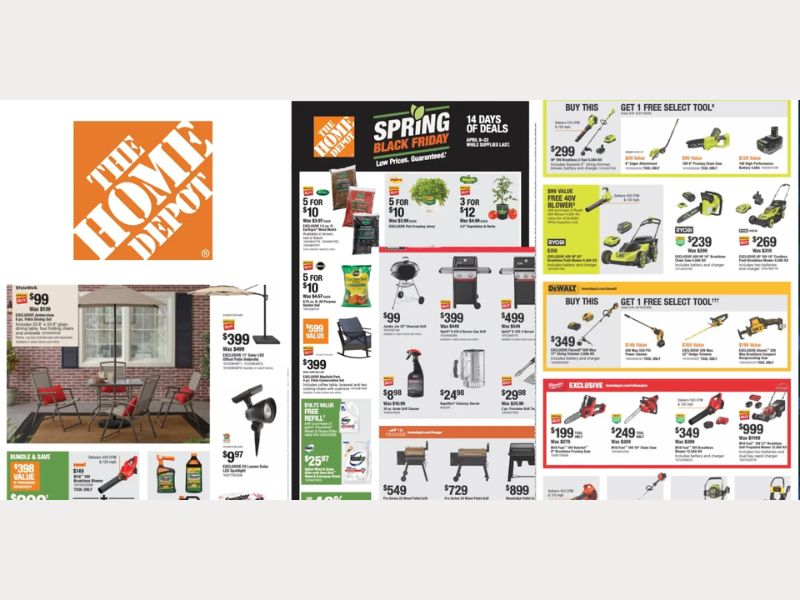
For you: 50+ POD Black Friday Merch Ideas to Help Sellers Hit Millions
2. Activate early shopping access for VIP customers
Create exclusivity by opening early access for loyal customer groups. Segment users in email marketing campaigns and direct them to a secure private sales page. This tactic both strengthens the emotional bond and leverages the FOMO effect (fear of missing out). Studies show that 60% of consumers are ready to spend within 24 hours when feeling product scarcity and limitation.
3. Build email and SMS waiting lists together
Place sign-up forms right on the Black Friday landing page to gather user email addresses and phone numbers. Combining countdown timers with urgent calls to action helps you gather huge demand before the launch and expand your database for effective remarketing in future campaigns.
4. Set up a tiered loyalty program
Build a point accumulation program divided into member tiers (like Silver, Gold, Platinum) to encourage customers to increase order values to rank up faster. During Black Friday, applying double or triple reward points builds quick ordering motivation while accumulating resources for upcoming shopping rounds. This tactic gives high-end customers a feeling of special appreciation and retains them with the brand long term.
5. Launch referral programs before the mega event
Leverage word-of-mouth marketing by rewarding current customers when they refer acquaintances to shop. When a new buyer completes an order via a personal referral code, send the referrer practical gifts like discount vouchers for future orders, service gift cards, or accumulated reward points. This model helps businesses optimize new customer acquisition costs while strengthening old customer engagement throughout the peak sales period.
6. Release limited editions keeping original listed prices
Instead of getting dragged into deep price-cutting races that hurt profit margins, you can attract high-end customers by launching limited-edition products sold exclusively on Black Friday. Options like unique colors, custom gift packaging, or special collaboration collections hit buyers’ desire for uniqueness. By controlling production quantity, you create natural scarcity, driving customers to make fast purchasing decisions without cutting selling prices.
7. Push cost-optimized product bundles
Reports from Adobe Analytics and eMarketer show that average online discounts during Black Friday always create a booming deal-hunting wave, especially in categories like toys (up to 30% off), electronics (29%), TVs (24%), and fashion (25%) (eMarketer).
You can stand out in this competitive market without dropping prices too deep by pairing items into bundle forms. Highlight savings when buying bundles (like a makeup set with a brush, or a haircut service with care products) compared to buying separate items, creating a feeling of “getting more value" and driving customers to spend more per order.
8. Issue pre-paid service vouchers
Black Friday programs are not just for e-commerce stores, but are also big opportunities for service sectors like spas, salons, gyms, or dining. Selling gift cards or pre-paid vouchers with attractive offers helps businesses collect large cash flows before delivering services in later stages. This is also a great bridge to attract new customers to experience services, laying the foundation to upsell higher-end service packages when they visit.
9. Optimize recurring subscription models
This busy shopping period is the golden time to refresh and attract users to join paid recurring service models. To remove customers’ hesitations about long-term commitment, you can launch strong incentives like a free first month, high-value sign-up gifts, or direct discounts for annual plans. Exclusive offers during Black Friday act as leverage to turn impulse buyers into a stable, predictable revenue source for the business long term.
10. Deploy cart abandonment email series
The peak shopping season records abandoned cart rates jumping to 75 – 77% because buyers are overwhelmed by options. To pull customers back to complete payment, build multi-channel retargeting scripts (Email, SMS, Messenger) with the first message sent within 30 minutes to 2 hours after they leave. Personalize content by showing exact items they picked, highlighting support policies like free shipping and return guarantees, along with a deal countdown timer to trigger the fear of missing out.
11. Drive sales breakthroughs with Micro-Influencer and UGC marketing
Partnering with Micro-Influencers (1,000 – 100,000 followers) helps brands reach potential customer groups at optimal costs and high trust. User-generated content (UGC) forms like unboxing videos with promo codes, live product experience streams, or interactive challenges create strong crowd effects. This is the shortest path to build trust and stimulate ordering demand during busy sale days.
12. Publish gift guides to simplify buying decisions
Fatigue from having too many choices is a major barrier delaying customer payments during Black Friday. Actively categorizing product catalogs into specialized gift guides solves this pain point completely. You can build categories by budget (gifts under 500k, under 1 million), by target audience (gifts for men, for colleagues), or by interest (for sports lovers, for travelers) and promote them widely on your website and social media channels.
13. Produce countdown video ads to catch attention
Use short videos with built-in sale launch countdown timers to create anticipation before D-day. Teasing hot items appearing in the sale 1 week ahead helps you gather a large waiting audience in advance.
14. Organize interactive challenges to boost social media coverage
Trigger a wave of organic engagement by launching creative contests or rewarded content challenges. Encourage followers to share posts, publish their wishlists with campaign hashtags in exchange for discount vouchers or free gifts. This tactic helps your brand multiply social media reach at low cost while driving massive organic traffic to your online store.
15. Connect social goals to add emotional value to orders
Partnering with non-profit organizations or committing a portion of Black Friday revenue to charity is a move that elevates brand value.
A classic case study from Allbirds: Instead of discounting, they raised prices on every item by 1 USD and matched 1 USD to donate to an environmental fund. This move helped Allbirds maintain buying power while confirming brand reputation. By hitting human values, they strengthened loyalty and achieved impressive revenue breakthroughs.
16. Prepare customer support team for peak period
An excellent marketing strategy can still fail if the customer service experience is poor. On peak days, feedback channels like live chat, email, or social media messages will be overloaded.
Support speed and quality at this moment are extremely important: fast replies help close deals immediately, while delays push buyers to competitors or create unwanted negative reviews.
-
Update FAQ page: Clearly add return policies, shipping times, and promo code rules specific to Black Friday so customers can look them up actively.
-
Build template responses: Prepare response scripts for common questions to help staff process information fast and consistently.
-
Add staff and extend shift hours: Strengthen temporary staff and maintain constant presence on live chat during peak shopping hours.
-
Proactively notify schedules: Place website banners warning in advance about possible 3-5 day delivery delays due to high shipping volume to manage buyer expectations.
Phase during event: Drive sales breakthroughs on launch day
17. Launch hourly flash sales
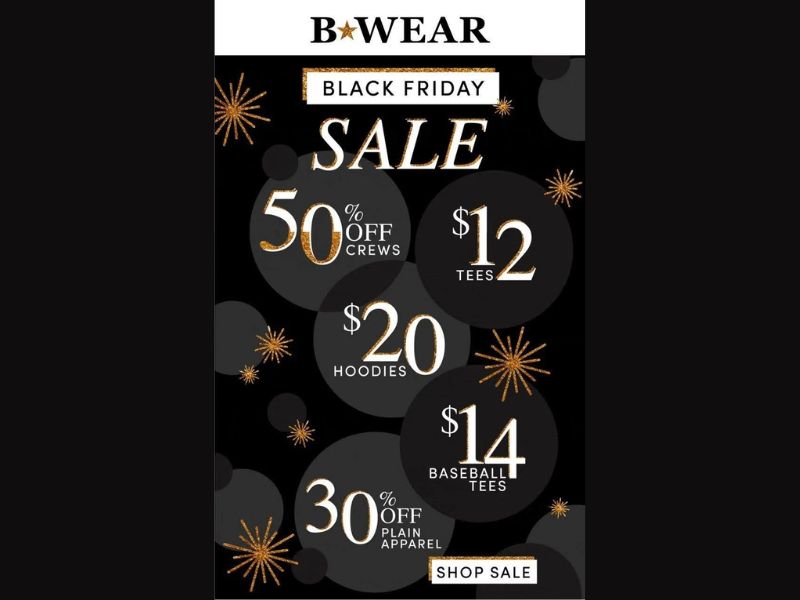
Instead of keeping a fixed discount level for 24 hours, splitting Black Friday into different deal release time slots will stimulate curiosity and keep customers returning to your website. Time-limited offers (like 50% off only from 12 PM to 1 PM) create extreme urgency, pushing buyers to complete orders immediately before the chance slips away. To run this tactic smoothly, automate your social media posting schedule, prepare website infrastructure to hold traffic spikes, and assign 24/7 chat staff to support timely payments.
18. Sell Mystery Boxes
Curiosity is always a powerful psychological lever driving impulse buying behavior. Mystery boxes are pre-packaged product bundles at a fixed price, but the actual total value inside is often many times higher.
Buyers are ready to pay for the excitement and expectation of getting a big bargain. This is not only a way to create a fun entertainment experience for customers, but also a perfect solution to clear inventory and broken sizes quickly.
19. Apply buy more, get deeper discounts policy
To increase average order value, set up discount tiers based on spend thresholds.
For example: orders reaching 1 million get 10% off, 2 million get 20% off, 3 million get 30% off. When buyers pick items worth 1.5 million, they will tend to actively find another 500k item to reach the 2 million mark for a higher discount.
This tactic hits the “buy more to get a better deal" mindset, helping you move large quantities of goods at once and optimize shipping costs per order.
20. Include valuable free gifts with purchases
While hundreds of competitors rush into deep price-cutting races, adding a useful free gift sometimes brings higher conversion results than cutting cash. Customers always view gifts as a completely free added benefit.
You can apply a direct gift policy for every order on the day, or set thresholds (like “Free premium brush set for orders from 999k") to both drive demand and show sincere appreciation, making your brand stand out among generic sale ads.
21. Push gift card sales
Black Friday is also the time when consumers start hunting gifts for Christmas and the New Year. Issuing digital gift cards at discounted prices (like buying a 100 USD card for just 85 USD) is a convenient shopping solution for those who do not know what specific gift to choose.
This move helps you collect instant cash flow while expanding a completely new customer base when recipients redeem their cards for products. In reality, most gift card users spend beyond the actual card value when shopping in-store.
22. Deploy livestream shopping
Livestream shopping is a perfect mix of entertainment and instant buying on platforms like TikTok, Facebook, or Instagram. Having a charming host or KOL try products live, answer questions in real time, and drop exclusive live-only discount codes creates a lively shopping atmosphere. Real-time interaction combined with games like lucky draws or fast giveaways motivates viewers to order continuously without hesitation or price comparison.
23. Integrate lucky wheel on website
Applying gamification helps turn a monotonous shopping experience on your website into an exciting game of chance. When customers visit your site, a lucky wheel pop-up appears with prize slots like “100k voucher", “Free shipping", or “Random gift". Winning a reward drawn by their own hands creates excitement and an implicit commitment, driving them to use that discount code immediately to complete orders instead of exiting the page.
24. Apply free shipping policy
According to consumer behavior surveys, shipping costs added at the final checkout step are the top reason for cart abandonment. During Black Friday, a free shipping policy holds even stronger appeal than direct product discounts.
You can set up automatic freeship codes for the entire store or apply them when orders hit a minimum value. Clear delivery information and covered freight costs remove the final mental barrier, making the checkout process fast and smooth.
25. Host secret deal hunting activities
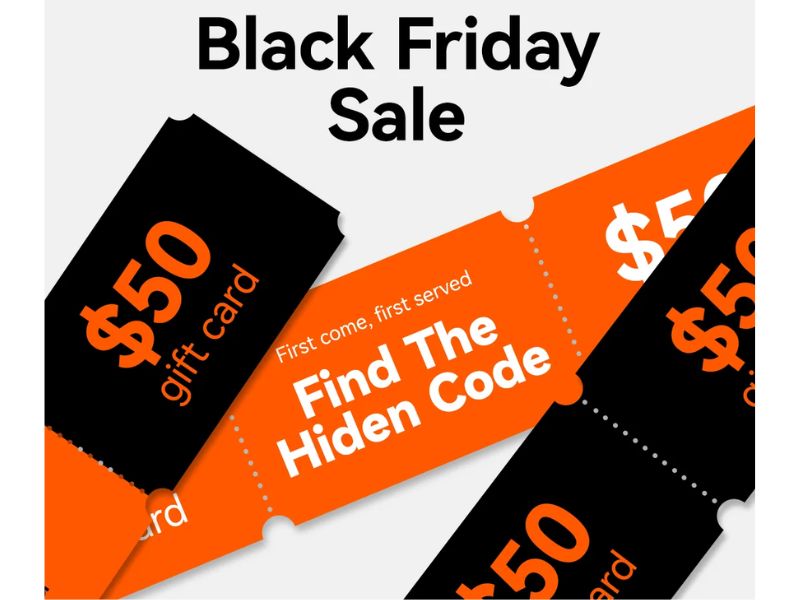
Add thrill to the shopping day by hiding special discount codes (“70% off codes", “0 dollar vouchers") in unexpected spots on your website, blog posts, or product descriptions. You can release puzzle clues via email or social media to guide customers in their search.
“Hunting" a secret code by hand gives a feeling of victory, extending session duration while pushing customers to use the code and complete orders right away. Executing high-converting black friday sale ideas like this turns passive visitors into active buyers.
Post-purchase customer care phase
26. Upsell and cross-sell products right after the event
Do not stop your campaign right when the sale ends, because customer buying momentum is still high. Use automated SMS or emails to suggest complementary products matching items they just bought.
If a customer bought a phone, suggest a case or screen protector immediately; if they tried a hair service, send an offer for a recovery steaming package. Reaching out at the right moment not only brings extra revenue per customer but also boosts satisfaction through thoughtful guidance.
27. Send sincere thank-you messages and reward VIP customers
In large clearance sales, many businesses focus too much on revenue and forget customer emotions. Sending a personalized thank-you letter (via email, message, or a handwritten card attached in the package) creates a truly distinct brand impression.
To encourage them to return during the post-holiday slow period, you can attach an exclusive voucher valid for January. Customers who feel respected are ready to spend more and stay with your brand long term.
28. Deploy automated onboarding and care email series
Sustainable profit does not come from one-time transactions, but from turning impulse buyers into loyal customers. Right after an order is delivered successfully, trigger an automated 3 to 5 step email series to maintain connection.
Instead of pushing sales, focus on delivering value through usage guide articles, product care tips, and brand stories. Thoughtful support at this stage builds trust, positioning your business as a reliable expert in customer minds.
29. Collect reviews and user-generated content
Positive reviews from Black Friday buyers are extremely valuable media assets for future campaigns. Proactively invite customers to leave feedback, star ratings, or real product photos in exchange for loyalty points or a small discount code. This new batch of reviews not only boosts conversion rates for future sales rounds but also serves as great material for reuse on your website, social media, and paid ads.
30. Convert new buyers into point-earning members
Optimize customer lifetime value by quickly placing new Black Friday buyers into your loyalty program. Send invitations to join point accumulation on order confirmation pages or post-purchase emails, paired with an instant sign-up point reward. Giving them a clear reason to return and spend helps your business lower customer acquisition costs and maintain steady growth momentum for upcoming campaigns.
A few tips to successfully execute Black Friday marketing ideas
Starting early is the golden rule for every seller. Peak sales day success is decided by the whole testing and preparation process before it. And finding budget-friendly black friday ideas for small businesses also ensures that boutique stores and independent sellers can gain high returns without overspending on ad campaigns.
1. Build a structured campaign execution roadmap
A Black Friday campaign does not take place in just 24 hours, but is a strategic combination running from autumn through the end-of-year holiday season.
-
September (Foundation): Check website technical infrastructure, test payment flows, and re-analyze sales data.
-
October (List building & Teasers): Push email and SMS collection, tease new product information, and launch early access bundles for VIP customers.
-
November (Launch & Blast): Build momentum with countdown content series, launch flash sales, and focus on breaking sales records on Black Friday launch day (November 27, 2026).
-
December (Post-sale optimization & Retention): Activate care email series, cross-sell accessories, and gather reviews to prepare for Christmas shopping.
2. Pick golden hours to send messages
Message or email send times heavily decide open rates and checkout rates. Real data shows online shopping orders often jump during lunch breaks (from 12:00 PM to 1:00 PM). Use marketing automation tools to schedule send times based on the interaction habits of each customer segment.
3. Coordinate multi-channel media
Adding SMS or messaging channels (like WhatsApp, Zalo) into your marketing strategy brings visible revenue gains compared to relying on email alone. Mix email, SMS, push notifications, and social media posts flexibly so your message appears at the right time and place without feeling overwhelming or annoying to recipients.
4. Expand campaign duration into a shopping week series
Do not stop right when Friday ends. Extending promotions through the 4-day weekend and connecting seamlessly into following shopping days helps you capture late shoppers or those who still have active shopping needs.
Thorough preparation and picking the right strategy will decide business success in the end-of-year peak sales season. By applying these Black Friday marketing ideas flexibly, you not only optimize immediate profits but also build a sustainable loyal customer base. Start planning, testing data, and get ready to break revenue records in the coming mega event!