Have you ever poured money into ads but seeing little to no growth in sales? As the market becomes increasingly competitive, jumping into saturated niches not only drains your budget but also erodes your profit margins.
In today’s rapidly growing eCommerce landscape, the smart approach is not to compete head-on. You should stay one step ahead in product selection. Sustainable sellers don’t chase what’s “trending”; they focus on what the market actually needs but hasn’t been fully tapped yet.
That’s exactly why high demand products with low competition have become a strategic advantage. When you choose the right products, you don’t have to rely heavily on ads, slash prices to compete, or struggle to scale your business. Keep reading to discover the most promising product niches for 2026.
What are high demand products with low competition?
To define, we can break “high demand products with low competition" down into 2 parts.
“High demand" means there are already a lot of people willing to buy it, but the market is still not fully served. In other words, customers already have clear needs, but the supply is not strong enough to meet them in a good way.
“Low competition” is not only about having fewer sellers. It is more about the lack of strong competitors with well-optimized listings, good reviews, and real advertising investment.
So high demand products with low competition already has a large number of potential buyers, but the market is not yet well served. This gap creates an opportunity for you to enter the market and gain an advantage without needing to compete on price or spend a large budget on ads.

Are high demand products with low competition worth selling in 2026?
Yes. Choosing high demand products with low competition is not just a “safe option”; it is a strategy for sustainable growth in a time when advertising costs keep increasing.
- Lower cost pressure: When the market is not heavily saturated, you don’t need to spend a large ad budget to reach potential customers. This makes the product easier and cheaper to test.
- Better profit margins: Instead of being pushed into price wars with many similar sellers, you have more room to set a reasonable price and maintain stable profit.
- Easier to scale: New and emerging niches often develop into ecosystems with many variations, versions, or bundles, allowing you to scale beyond a single product.
- Stronger brand advantage: Products in emerging or developing niches give you more space to build a clear positioning, instead of getting lost in a crowded market.
- Get ahead of trends: You can stand out earlier, build recognition faster, and establish a stronger brand identity when the competition is still low.
Top 20 high demand products with low competition you should sell
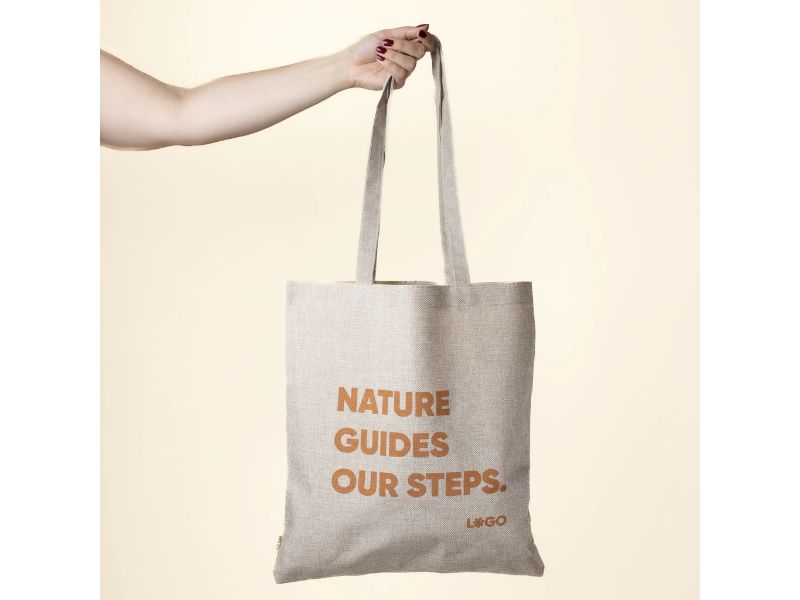
1. Eco-friendly custom tote bags
Beyond just being a simple carry bag, tote bags are now becoming a symbol of the “sustainable living” movement. As consumers slowly move away from single-use plastics, durable and well-designed fabric bags are gaining more attention in the market.
Why consider selling this? Even though the tote bag market is large, the custom design segment still has plenty of untapped space, especially in niche and specific design styles. You can target young consumers who care about fashion but also care about the environment, or gift stores focused on minimalist lifestyles.
2. Custom yoga mats
Health is a market that never sleeps, and yoga is a category with stable, year-round demand. Modern yoga practitioners are looking for products that reflect their personality and give them motivation during practice.
Custom yoga mats design will make main differentiator. Once users already have basic options, they start looking for products with identity such as personal colors, inspirational quotes, or designs that match their lifestyle. This creates an opportunity for new sellers without directly competing with big brands.
3. Personalized pet blankets
Pet products are a high-spending and stable-demand market because pet owners now see pets as family members. That is why pet blankets are a product worth exploring.
Custom pet blankets with pet names, photos, or breed-based designs create strong emotional value. These are products people don’t just buy because they need them, but because they want to show care. This emotional factor makes competition lower compared to basic pet products.
4. Breed-specific pet bowls
At first glance, this looks like a very simple product, but that simplicity actually opens up a clear niche. Pet owners are increasingly focused on making everything fit their pet’s specific needs, from size to eating behavior. Pet bowls can also be designed in this direction.
If you position products by specific breeds (small dogs, flat-faced dogs, long-haired cats, etc.), you are no longer competing in the general “pet bowl” market. Instead, you move into a much smaller and less competitive segment.
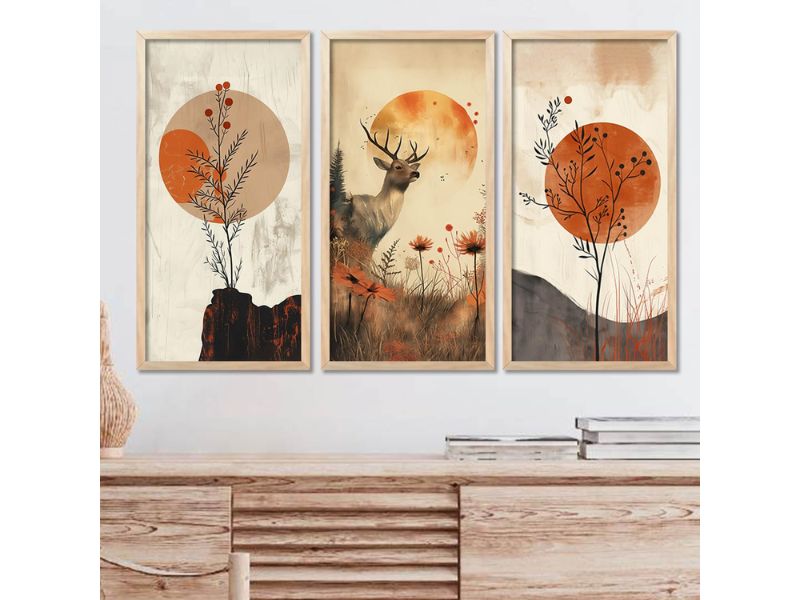
5. Wall art/ posters
Custom print wall art is becoming a strong trend in home decor. However, most of the competition is concentrated in generic designs that lack personality.
You can gain an advantage by focusing on micro-trends or emotion-based design: quotes, aesthetic themes, seasonal vibes, or personal storytelling. When products connect with emotions and lifestyle, they tend to sell much better.
6. Limited seasonal/ festival shirts
Shirts tied to specific moments like holidays, festivals, or cultural events always have a clear advantage: demand spikes strongly in a short time but is highly concentrated. This creates “sales waves” that sellers can fully take advantage of if they enter at the right timing.
It’s true that demand is not the problem in this market. The real gap is the lack of truly niche-focused designs. For example, even with Christmas shirts, if you go deeper into smaller communities like pet lovers, book lovers, or specific fandoms, competition drops significantly. This type of product can also be refreshed every year, creating a repeat seasonal revenue cycle.
7. Personalized photo ornaments
During family gatherings or anniversary seasons, small personalized ornaments always have a special emotional appeal. Photo ornaments fall exactly into this category.
Why does it work? Because emotional value often matters more than price. Customers are not comparing too much but they are buying meaning. When optimized for occasions like Christmas, weddings, or anniversaries, these products can scale very well in seasonal demand.
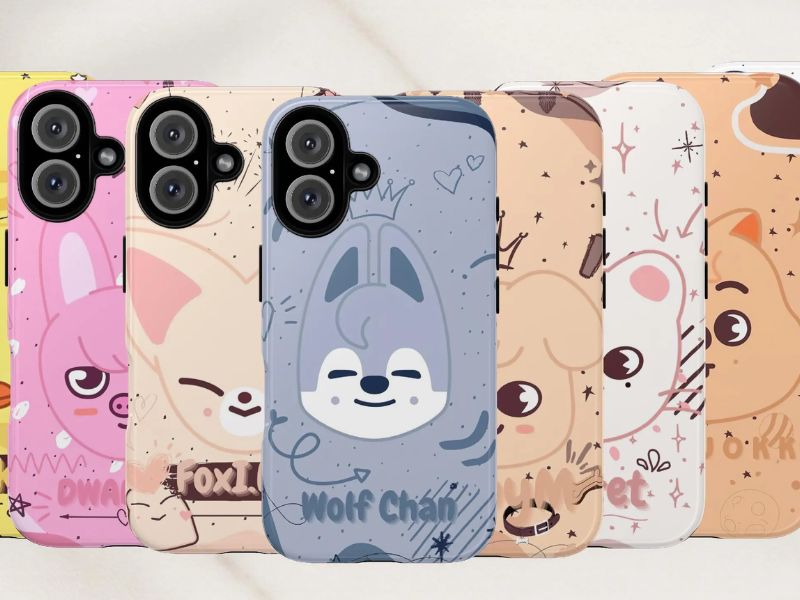
8. Event-based phone cases
Phones are always with us, and customizing them to match an important life moment is a very strong behavior, especially among younger consumers. However, most of the phone case market is already saturated with generic designs.
When you shift to an “event-based design” approach, things change. Events like graduation, concerts, sports finals, or local festivals create sudden demand spikes. The key point is that these designs only work in a specific time window, which also reduces long-term competition.
9. Solar-powered phone chargers
This product sits at the intersection of tech convenience and sustainability trends, making it a high-demand but relatively low-competition niche product. It is also a strong fit for POD or online sellers who want to position themselves in a more premium category.
Selling this product also helps position the brand as eco-conscious and trend-aware. It is ideal for customers with higher income who value both reliability and uniqueness in the same product.
10. Reusable food wraps
In the home goods category, eco-friendly alternatives to single-use plastic continue to grow steadily. Reusable food wraps are a clear example of this trend.
Why is this a “strong winning product”?
- Easy to package: lightweight and space-saving for storage and shipping
- High repeat potential: it’s a consumable-type item, so customers may reorder over time
- Strong visual appeal: unlike plain plastic wrap, this product allows creative patterns from vintage to modern styles, making it attractive especially for home and kitchen-focused buyers
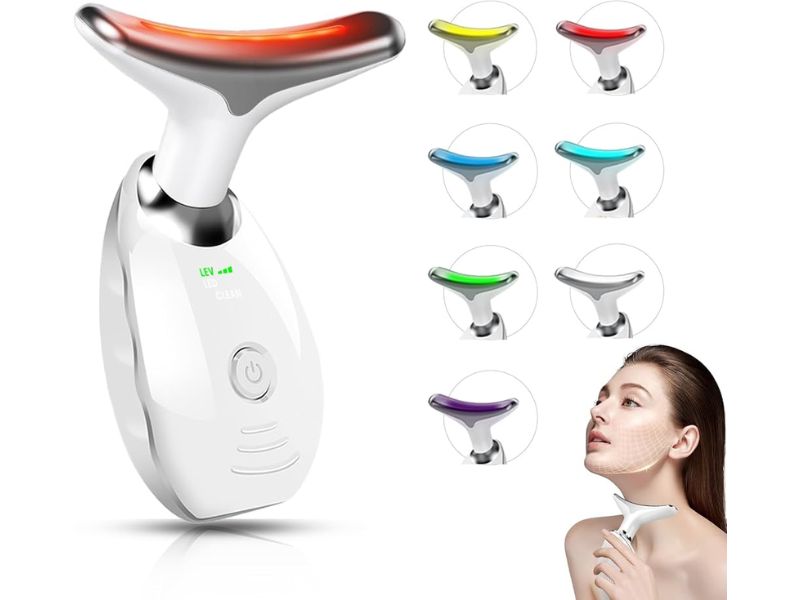
11. Handheld multifunction facial massage device
The deep skincare-at-home trend is strongly pushing demand for handheld beauty tools. Instead of paying for expensive spa treatments, consumers are increasingly choosing tools like jade rollers or modern gua sha devices to improve skin elasticity and relaxation.
This is a product category with high search demand but still fragmented competition, because no single big brand fully dominates the low-to-mid price segment. By combining “beauty + wellness + convenience,” this type of product can reach a wide audience without relying heavily on strong branding.
12. Pet ID tags
In the pet accessories market, small items that combine safety and emotional value often perform surprisingly well. Pet ID tags are a clear example—they are both functional and a way for owners to express personality.
Even though demand is always high, if you go into custom shapes, unique typography, or breed-based designs, competition becomes very low. Another advantage is that these products can easily be bundled with collars or gift sets, increasing order value. Their ultra-light weight also means shipping costs are almost negligible.
13. Smart rings & smartwatches
Wearable tech is a fast-growing market, but most everyday users still only see a small part of its full potential. Smart rings and smartwatches are no longer just for tech enthusiasts. They have become lifestyle accessories.
You can make use of customers’ demand fragmentation: fitness tracking, sleep monitoring, daily activity, or even fashion-focused use cases. This allows sellers to enter smaller niches instead of competing directly with major brands in the wearable ecosystem.
14. Posture support devices
“Tech neck” and poor posture from long hours of sitting are becoming a common problem for millions of office workers and students. Small posture correctors that vibrate when users slouch are becoming popular daily wellness tools.
Competition is actually lower than many fitness products because buyers are looking for a very specific solution, not a brand name. When positioned correctly as an everyday health improvement tool, this product converts well across multiple audiences like office workers and students.
15. Sleep tracking headbands
Sleep tracking is a growing niche as people pay more attention to sleep quality rather than just sleep duration. Unlike wrist-based trackers, sleep headbands focus on more accurate data collection during sleep.
The interesting part is that this is still an early-stage niche, with very few mainstream brands dominating it. That creates space for products with better comfort design, improved app integration, or a focus on natural sleep experience instead of overly complex tech features.

16. Peel & stick wall tiles (self-adhesive wall tiles)
Home improvement DIY is one of the most stable demand categories because people always want to upgrade their living space in a fast, cheap, and skill-free way. Peel & stick tiles fit perfectly into this need: they can completely change the look of a kitchen or bathroom within just a few hours.
Even though the market is quite broad, the real opportunity is in designs that feel “slightly different but clearly better” such as marble textures, minimalist aesthetics, or premium faux-material finishes. This is a category with stable high demand, but competition can still be avoided if you focus on niche design directions and product quality.
17. Furniture scratch repair kits
Instead of throwing away an expensive coffee table because of a few scratches, many customers now prefer at-home repair solutions. Scratch repair kits, wax sticks, and color-matching pens are highly practical products with strong everyday use cases.
The interesting part is that this market is still not dominated by strong retail brands in the mass segment. If you position it correctly (kits for specific wood types, color sets, or bundled repair solutions), you can tap into a low-competition but consistently needed category, especially among homeowners.
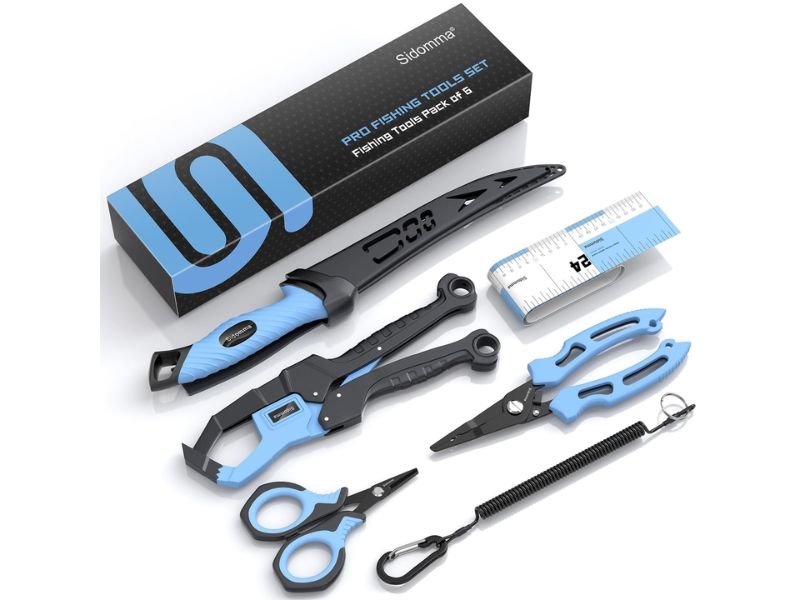
18. Specialized fishing accessories
Fishing gear in general is highly competitive, but once you narrow it down into micro-niches, the situation changes completely. Focus areas include:
- Kayak fishing-specific accessories
- Ice fishing bait boxes and cold-resistant storage tools
- Ultra-light rod bags for backpacking anglers
The key strategy is to use the exact language of the fishing community. Writing product listings in the “voice of insiders” helps you stand out against generic sellers and builds stronger trust with niche buyers.
19. Ergonomic support tools
By 2026, remote work has become a permanent part of modern life, and demand for spinal health support continues to grow rapidly. Foot hammocks, lumbar cushions, and posture correction straps are all part of this rising category.
Although not a new market, most products are still quite generic. Instead of selling items individually, positioning them as a “home office wellness system” can reduce direct competition and increase average order value. This is a high-demand, mid-competition category, but positioning plays a key role in lowering real competition.
20. Kitchen prep gadgets (short-form viral tools)
Small kitchen tools that solve a very specific task often go viral on TikTok and Instagram Reels because they are highly visual and satisfying to watch. You’ve probably seen viral videos of tools like herb strippers or mango slicers — this is exactly the category.
Competition is only truly high for overly common items. If you go deeper into single-purpose tools that solve very clear pain points like seed removers, peelers, or ingredient-specific prep tools there is still plenty of space. This is a category with strong viral demand potential but fragmented competition, especially well-suited for short-form content-driven selling strategies.
How to find the right high demand products with low competition
There is no real way to “guess winning products” just by intuition. Good products usually come from observing data and real market behavior, not from blindly following trends.
Look at trends before looking at products
One simple step is using tools like Google Trends to see whether a topic is going up or going down. You don’t need to search for specific products first. Start with bigger demand areas like “home decor”, “pet accessories”, or “fitness”.
If the trend stays stable or keeps growing for 6–12 months, it’s usually a good signal to explore deeper.
Don’t only look at demand, look at how “crowded” the market is
A common mistake is thinking high search volume always means opportunity. But if everyone is already selling the same thing, the opportunity is almost gone.
You can use tools like Ahrefs, SEMrush, or eRank to compare search volume and competition level. The goal is not the biggest keyword, but keywords with decent demand and still not heavily used by sellers.
Watch marketplaces instead of only theory
Amazon, Etsy, and eBay clearly show how the market is actually working. When you check best-sellers in small niches, you will often see many “missing gaps” that are not done well.
Read customer reviews carefully. Customers usually say exactly what is missing: product quality, design, experience, or price. These insights are very valuable to create a better version.
Use social media as a trend radar
TikTok, Instagram, and Pinterest are often where trends appear before they become real markets. A product may not be selling much on Amazon yet, but it can already go viral on short videos.
By tracking hashtags, trending content, and popular video formats, you can see demand earlier than competitors. At this stage, competition is usually still low because the market has not reacted yet.
Use seasonality and events
Many products only “spike” during certain times, like holidays, special days, or cultural events. If you prepare early, this can become a strong sales opportunity with lower competition.
Events like Christmas, Halloween, Valentine’s Day, or graduation season always create their own buying waves. Pop culture events, social trends, or viral moments can also create sudden demand if you catch them at the right time.
Don’t ignore slow “emerging changes” in daily life
Some demand does not come from big trends, but from lifestyle changes: remote work, minimalist living, health awareness, or treating pets like family members.
These changes are not always viral, but they create long-term stable markets. People who notice them early gain an advantage because competition has not increased yet.
In short
Finding high-demand, low-competition products is about careful market observation over time. When you understand data, buyer behavior, and the gaps inside each niche, opportunities will always appear. Instead of chasing crowded markets, focus on understanding a specific customer group deeply and finding what they need but are not served well yet. That is how you build a long-term advantage in online business, especially in today’s highly competitive environment.