Contents
Game merchandising is becoming a strong additional revenue channel for game developers and streamers looking to monetize their brand.
Players and fans often want to own items beyond the game itself. That is exactly where publishers and creators can turn that demand into profit. This article will help you identify key audience segments, the most suitable product types for gamers, and how to sell gaming merch even without design skills.
Why game merchandising is a profitable niche
The game merchandising market has evolved into a multi-billion-dollar industry, with the global market size projected to reach $31.7 billion in 2025.
What makes game merchandising different is the strong connection gamers have with the games they play, the teams they follow, and the communities they join.
The niche is also broad enough for different types of sellers to enter:
- Loyal customers: Gamers are willing to spend on quality products that reflect their interests and identity
- Built-in marketing: Every shirt, hoodie, or mug sold can also work as ongoing brand exposure
This growth potential also creates opportunities for game developers to launch merch stores alongside new game releases. With print on demand or dropshipping, they can start selling without managing inventory or production costs.
For independent sellers outside the gaming industry, there is still room to enter the market. However, copyright and licensing remain one of the biggest challenges when selling game-related products.
Understanding your audience: 3 core buyer personas
Gaming merch buyers do not behave like typical online shoppers. A competitive gamer buying an esports hoodie is often paying for identity and community recognition, while a casual buyer usually cares more about recognizable designs and affordable pricing.
In most cases, gaming merchandise purchases fall into three main buyer groups:
Casual gamers: This group buys gaming products for everyday use and entertainment value. Products with simple game references, humor, or nostalgic elements tend to perform best because buyers want something recognizable without looking overly niche.
Fans and community supporters: These buyers are deeply connected to specific games, streamers, or esports teams. They are more likely to purchase creator-branded hoodies, inside joke designs, and limited community drops because the product represents belonging, not just fashion.
Collectors and enthusiasts: This audience spends more selectively but at a higher average order value. Limited edition hoodies, enamel pins, art prints, and exclusive collaborations perform well because scarcity and exclusivity matter more than price.
10 Best-selling game merchandising products for print on demand
In most gaming merch stores, wearable products and everyday accessories tend to generate the most consistent sales because buyers are more likely to purchase items they can regularly use or show publicly within their communities.
1. Custom gaming t-shirts
Apparel is the cornerstone of any game merchandising strategy. T-shirts offer the largest design surface area, everyday wearability, and strong gifting appeal. They are also easier to sell online since buyers actively search for designs tied to specific games, streamers, and gaming communities.
For gaming niches specifically, garment and fabric selection matter more than many sellers realize. Gamers skew younger and are often trend aware, which means they pay attention to fit, fabric quality, and overall comfort.
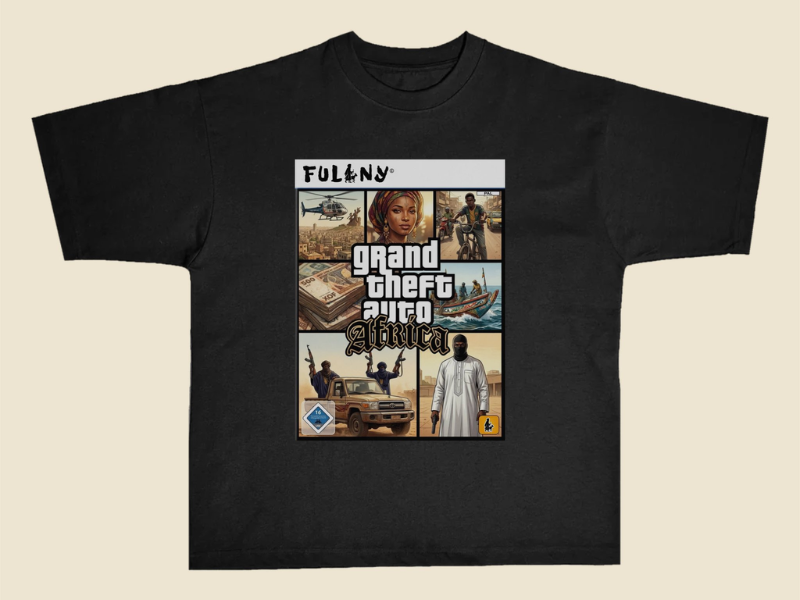
Top performing options include:
- Comfort Colors garment dyed heavyweight tees — the washed vintage look aligns well with retro gaming aesthetics
- Gildan unisex softstyle t-shirt — best value for casual designs targeting younger audiences
- Bella + Canvas triblend short sleeve — lightweight and premium feeling, preferred for streamer merch
Design style matters just as much as garment quality. Avoid copying official game logos or character art from commercial titles. Copyright violations can quickly get your store taken down. Instead, create original designs inspired by gaming culture, from controller silhouettes and pixel art landscapes to gaming humor, stat screen parodies, and community-specific references.
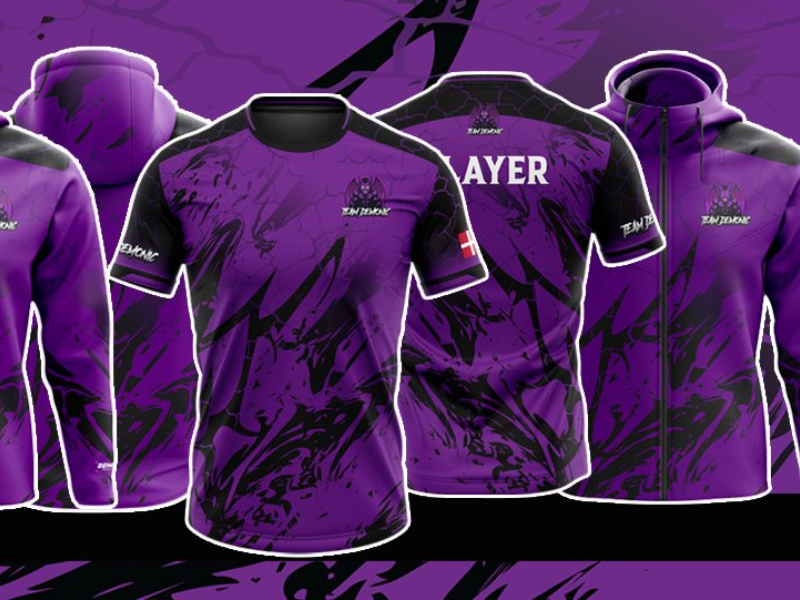
2. Gaming hoodies
Gaming hoodies generate strong revenue for streamer merch, esports teams, and online gaming communities with premium apparel built around emotes, catchphrases, team branding, and community inside jokes.
Higher price points and stronger perceived value make hoodies feel more exclusive than standard gaming t-shirts, especially for fans looking to support creators or represent specific gaming communities.
3. Gaming mouse pads and desk mats
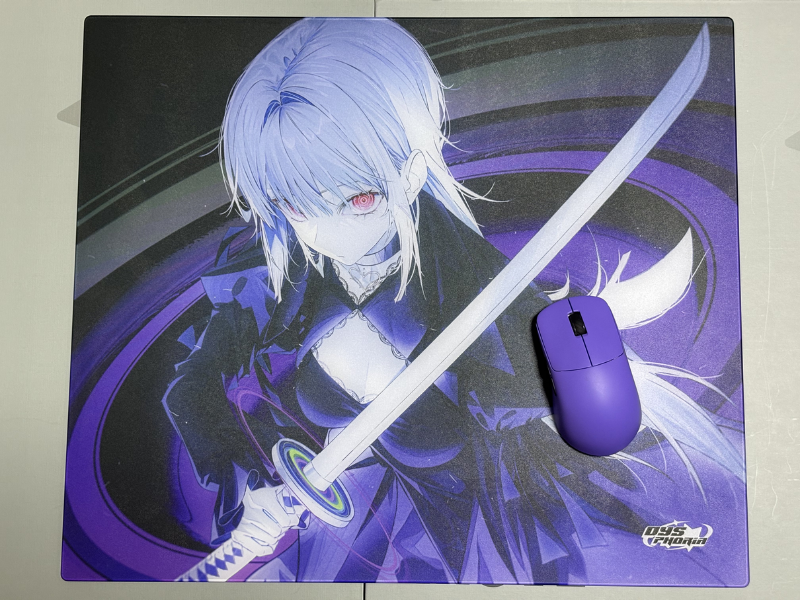
This is where game merchandising overlaps directly with functional gaming gear and it’s one of the most underutilized opportunities in the space.
Gaming mouse pads give players an easy way to personalize their setup while keeping game artwork, creator branding, and community designs visible every day. Among the most profitable gaming merchandise products, mouse pads combine necessity, personalization, and strong margins.
4. Gaming mugs
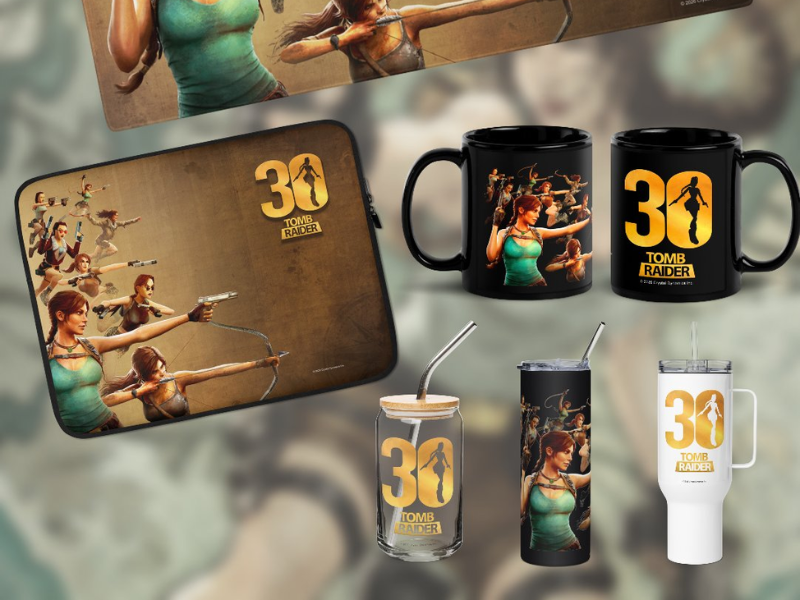
Sell gaming mugs with inventory screen parodies, loading screen humor, character inspired quotes, and community focused designs for gamers who spend long hours at their desks with coffee, tea, or energy drinks nearby.
Custom shapes, colored handles, and gaming inspired artwork also help turn standard mugs into more collectible and personalized gaming accessories.
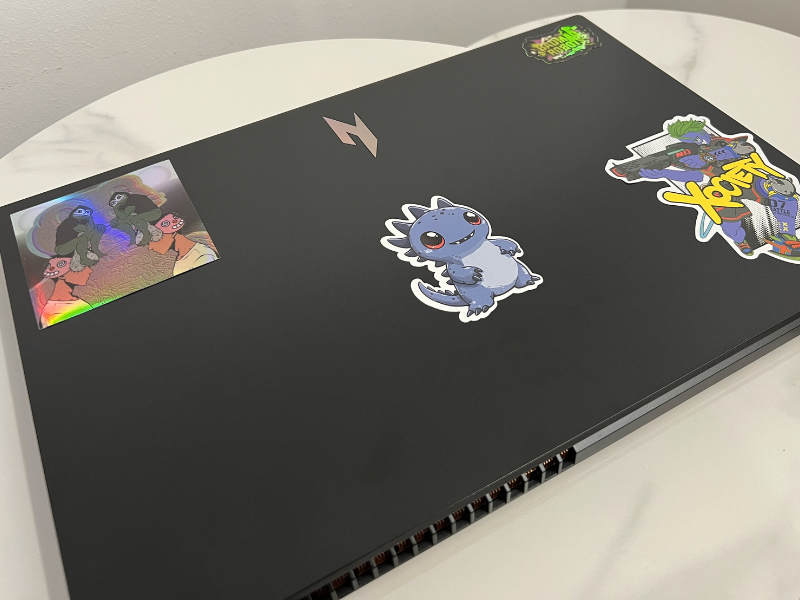
5. Reaction-style stickers
Stickers punch way above their weight in gaming merchandising. They’re cheap to produce, easy to ship, and have almost zero customer hesitation; they’re impulse buys.
More importantly, stickers travel. They end up on laptops, water bottles, gaming controllers, and car bumpers — all surfaces that other people see. For indie game developers, stickers at conventions and as order inserts function as both merchandise and ambient marketing.
Die-cut stickers with character art, kiss-cut sticker sheets with multi-character casts, and reaction/meme-style stickers specific to your game’s community all work well.
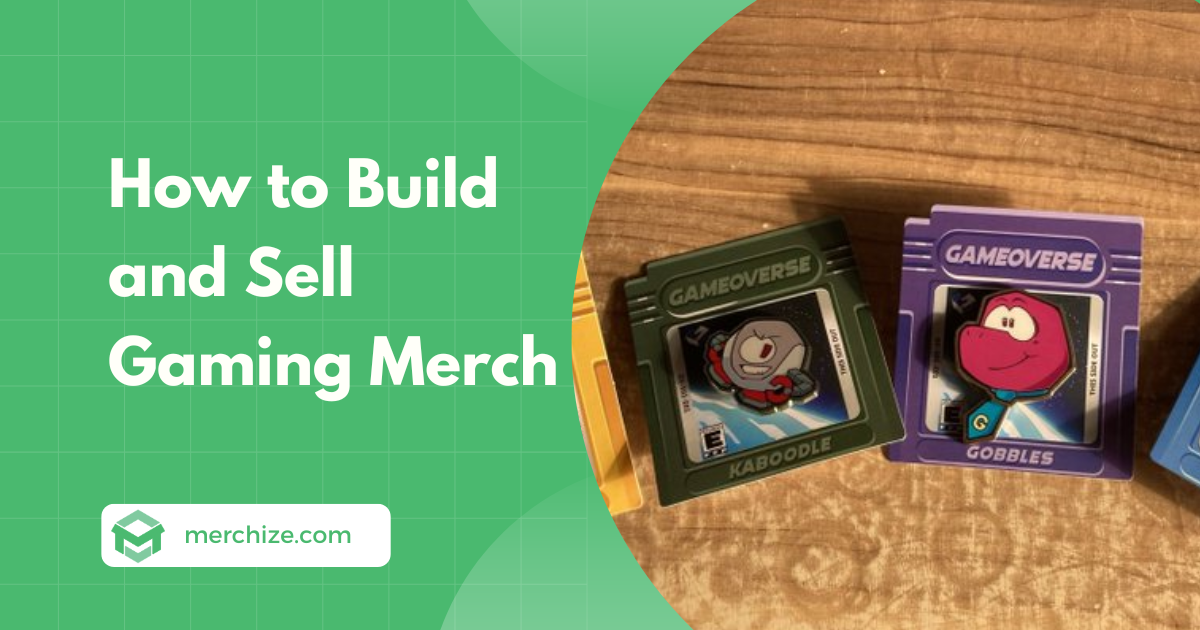
6. Achievement enamel pins
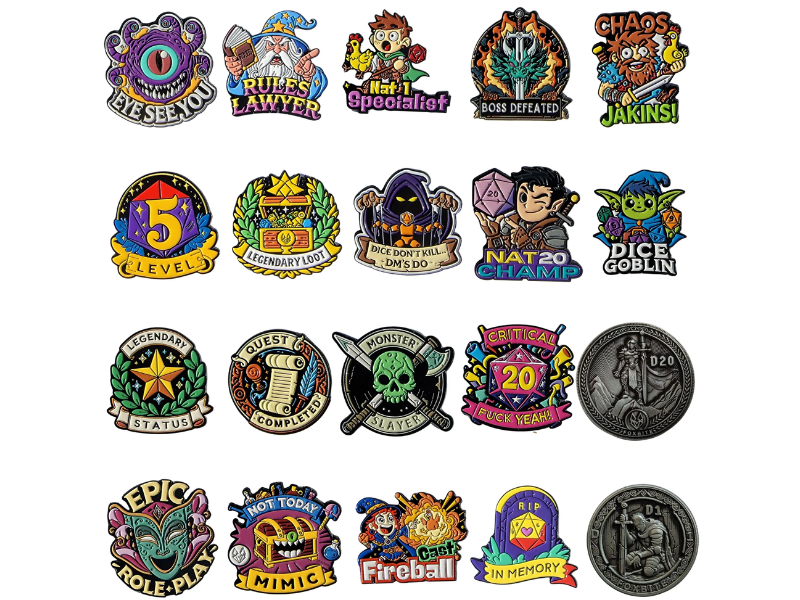
The tabletop and indie game communities have a particularly strong affinity for collectible enamel pins. That is why collectible badges and enamel pins are commonly sold at gaming conventions and fan events across the U.S.
Hard enamel pins feature your logo, iconic characters, or achievement-style badges from your game. They work as standalone purchases and as bundled add-ons in loot-style gift boxes.
Gaming enamel pins are especially popular in indie game and tabletop communities, where collectible merch often feels more valuable than mass-produced merch.
Product options:
- Soft Enamel Pins
- Hard Enamel Pins
- Die-Struck Pins (No Enamel)
- Glitter/Special Effect Enamel
- Custom Pin Buttons (Print on demand)
- Round Pins (Print on demand)
7. Video game art posters
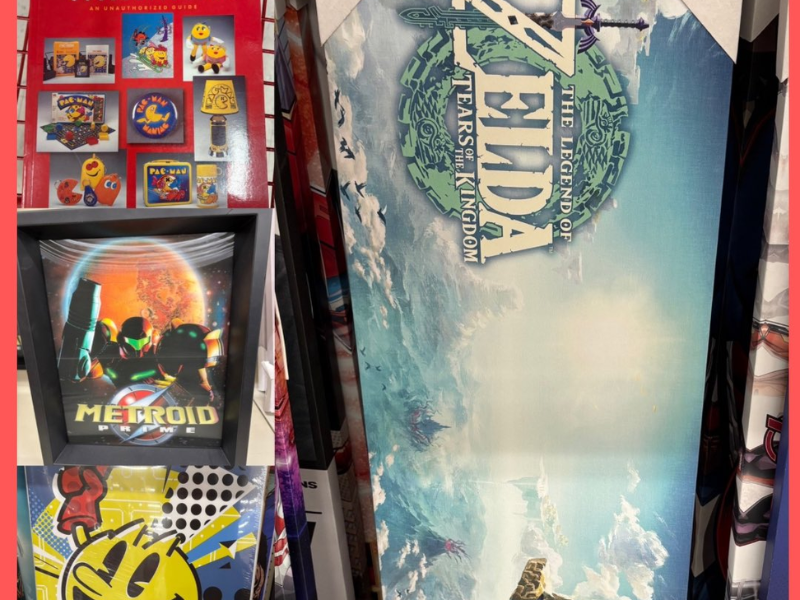
For game developers, high-quality prints of key art, concept art, or character illustrations serve double duty: they’re collectibles for dedicated fans and they fill out a merch table or online store with higher-margin products.
Matte vertical posters for framed display, rolled posters for lower-priced gifting, and framed vertical posters for premium positioning give you a full price ladder within a single product category.
8. Gaming socks
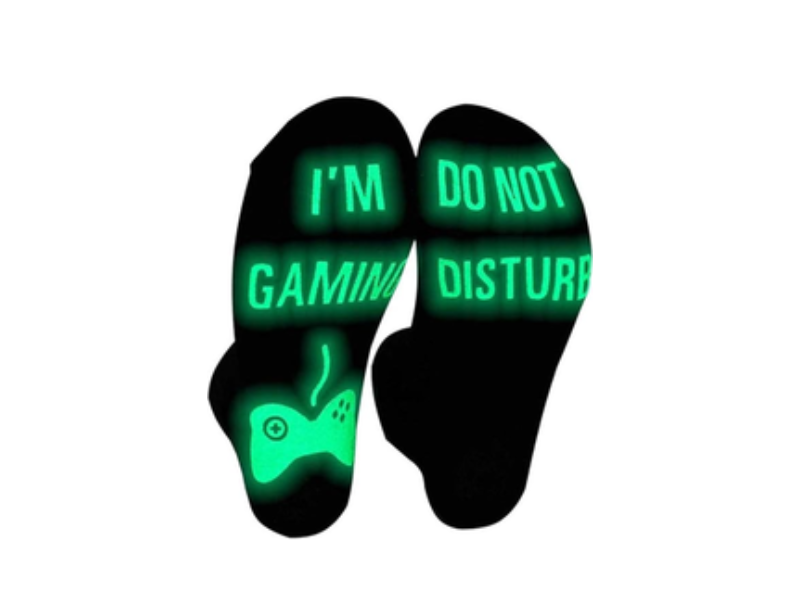
Socks are one of the fastest-growing product categories in print-on-demand gaming merchandise. They’re low-cost, universally sized (eliminating the fit anxiety of t-shirts), and have strong gifting appeal — especially in the “stocking stuffer" holiday season.
Sell gamer socks with pixel art patterns, controller-inspired graphics, character sprites, and other gaming-themed designs for players looking for practical merch with a more casual, wearable feel.
Popular options include:
- Cushioned crew socks
- Mid-length crew socks
- Ankle socks
- Knee-high socks
9. Gamer hats
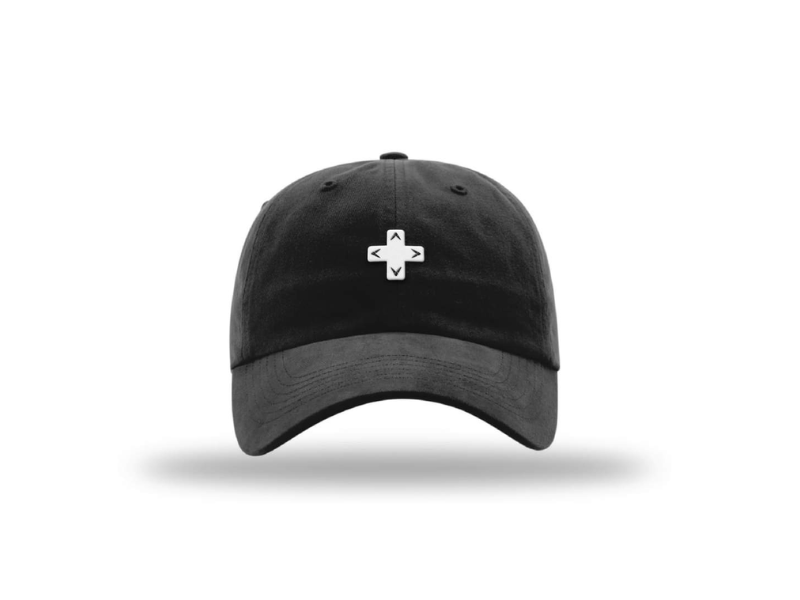
Structured snapback caps and distressed dad hats with embroidered or printed gaming logos are natural extensions of any apparel-focused game merchandising store. They work particularly well for esports team branding, where a unified look across apparel and headwear creates a professional team identity.
10. Custom gaming accessories (Dropshipping opportunity)
Beyond apparel and print goods, custom gaming accessories represent a strong dropshipping niche with less competition than the apparel space. This includes:
- Laptop cases and sleeves featuring custom gaming artwork
- Phone cases — Tough Cases and Magnetic Cases both have strong demand from the mobile gaming segment
- Tablet cases for handheld gaming setups
- Console skins for personalized hardware
Suppliers like Merchize offer dropshipping programs specifically for custom gaming accessories, allowing sellers to build a full gaming accessories store without holding inventory.
How to sell gaming merch without design experience
One of the most common barriers for game developers and new sellers is the assumption that you need to be a professional designer to launch gaming merch. You don’t.
Here’s what actually works:
- Use AI image tools to create original gaming inspired artwork and concepts
- Hire freelance illustrators to build a small starter collection for your store
- Use the design tools provided by print on demand suppliers
Critical rule: Never use logos, characters, or visual elements from commercial games you don’t own. This applies to popular franchises, esports organizations’ branding, and even recognizable font styles associated with specific games. Build original designs, even if they’re culturally inspired.
Game merchandising for specific use cases
For indie game developers
If you’ve created a game—mobile, PC, console, or tabletop—merchandise serves dual purposes: revenue and marketing. Fans who buy physical merchandise become brand ambassadors — they carry your game’s identity into the physical world.
- Goal: Build community and increase additional revenue
- Strategy: Add merch (swag) into Kickstarter or pre-order bundles, use POD to avoid inventory before launch
- Recommended products: Stickers (as giveaways), posters, art books
For streamers and content creators
Your merch should use the same color palette, iconography, and visual language as your stream overlays and channel branding. Fans who watch you every night want to own a piece of that aesthetic.
- Goal: Build channel brand identity
- Strategy: Create limited collections for special occasions (stream anniversaries, birthdays)
- Recommended products: Matching hoodies, branded gaming mats, mugs
For esports teams
Unified team merchandise — jerseys, hoodies, caps — builds team identity and generates revenue through fan purchases.
- Goal: Professionalize brand image and boost team spirit
- Strategy: Order exact quantities for players and fans without large inventory using POD
- Recommended products: AOP jerseys, custom gaming hoodies
For convention and event sellers
At gaming conventions, tabletop and Reddit gaming communities consistently gravitate toward small, affordable items like mugs, stickers, art prints, enamel pins, dice sets, temporary tattoos, and tote bags. These products are easy to buy, easy to carry, and do not require sizing or high purchase consideration.
This is why most sales concentrate on items under $20, where customers can purchase quickly without hesitation or comparison.
Conclusion
Game merchandising in 2026 rewards sellers who truly understand their community. The technical side — print-on-demand platforms, Shopify integrations, dropshipping logistics — is more accessible than ever. The real differentiation comes from knowing what your audience cares about, creating original designs that speak to them, and building a consistent brand over time.
Whether you are an indie developer turning players into brand advocates, a streamer monetizing your community, or a print-on-demand seller building in the gaming niche, the infrastructure is already there. The opportunity is real. The only question is which part of the gaming world you choose to own.