The demand for unique, one-of-a-kind products is booming as consumers are willing to pay more for items with a personal touch. If you want to catch this wave to start a business or expand your store, choosing the right custom items to sell that fit your budget and target customers will give you a strong competitive edge.
This article will give you a full overview of the most potential personalized product groups, along with evaluation criteria for beginners and practical strategies to maximize your profits.
Why does selling custom items bring high profits?
Personalization is a main pillar in the modern e-commerce wave. Today’s consumers actively look for items that show their personal style, connect to a relationship, or mark a special anniversary. Because of this, they are willing to pay more for items with a personal touch, such as a name, image, or custom message.
This shift opens up a potential business opportunity with high profit margins. As a result, order cancellation rates drop significantly, creating a solid foundation for sellers to optimize cash flow.
-
Focus on perceived value: Personalized items hit the buyer’s emotions directly. Therefore, you can easily set a selling price many times higher than the original production cost. Customers are willing to pay for emotional value and product uniqueness.
-
Lower return rates: Design preview features help buyers clearly visualize the final product. Customer expectations are managed transparently, minimizing the risk of returns after delivery.
-
Trigger gift-buying demand: Customers often place impulse orders for birthdays, anniversaries, holidays, or special events like welcoming a new pet or a new family member.
-
Increase average order value: Buyers tend to spend extra money on upgrade options like name engraving, premium materials, or additional decorative details during the self-design process.
The combination of emotional connection and operational efficiency makes this product line a growth strategy with scalable potential.
What budget do you need to start selling custom items?
A smart start for any seller is to choose a business model that fits their initial budget:
| Budget size |
Recommended model |
Suitable products |
Strategy |
| Under $500 |
POD |
Ceramic mugs, phone cases, T-shirts, stickers, canvas prints |
Use Shopify/Etsy combined with reliable fulfillment providers (Merchize, Printify). |
| $500 – $2,000 |
Upgraded POD & Niche products |
Engraved jewelry, stationery, embroidered hats, activewear |
Invest in 3D preview software (customizer app) to improve the checkout experience. |
| Over $2,000 |
Self-production / Direct manufacturing |
Neon signs, laser-engraved wooden items, high-end embroidered apparel |
Invest directly in machinery (laser engravers, embroidery machines) to optimize raw material costs and ensure total quality control. |
50+ potential custom items to sell online
1. Custom apparel
Apparel is the product group with the largest market capacity, with purchasing power lasting all year round.
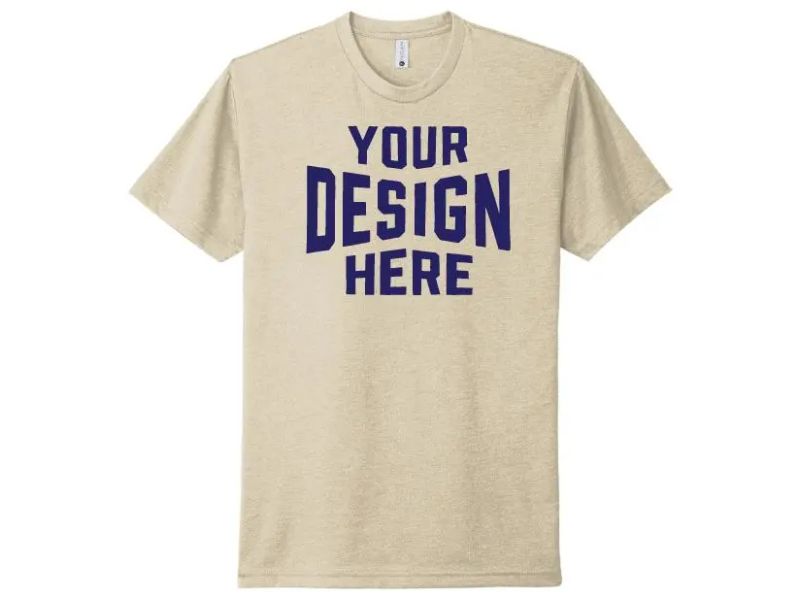
Custom T-shirts are an ideal product line thanks to low base costs and year-round demand. Customers rarely hesitate long before spending money on a personalized T-shirt. From there, you can test hundreds of different design templates to find the product with the highest conversion rate.
On the other hand, this product line is compact and lightweight, which significantly reduces international shipping costs and the risk of lost orders. More importantly, T-shirts provide an ideal creative space for both print-on-demand and custom embroidery techniques, helping to fully convey personal marks to consumers.
Unlike T-shirts, which face fierce price competition, custom hoodies hold a much higher perceived value. Customers who buy hoodies, especially the streetwear community and young people, often look for uniqueness and do not hesitate to spend money on one-of-a-kind designs.
Sellers can easily increase the selling price by applying advanced production techniques, such as computer embroidery for small chest logos, 3D puff printing, or all-over printing on thick fleece material. Although clearly seasonal, this is a flagship product line that accounts for a large portion of total revenue during the Q4 peak shopping season for major holidays like Halloween, Black Friday, Cyber Monday, and Christmas.
See more: Top 20 Creative Halloween Shirt Ideas To Outrank Big Brands
Sweatshirts help you maintain a steady cash flow during seasonal transitions, filling the gap between lightweight T-shirts and heavy hoodies. This product line appeals to customers who prioritize comfort while still looking neat and polite when going out. Sellers can exploit minimal graphics, university-style fonts, or subtle chest-embroidered symbols.
On the other hand, the base cost of a sweatshirt is only slightly higher than a T-shirt, yet the selling price is accepted by consumers at a level similar to lightweight jackets. This creates a very good profit margin for sellers. Additionally, sweatshirts are easy to style and have an extremely low return rate due to their relaxed fit, causing fewer sizing issues compared to tight-fitting clothing.
The oversized clothing market is a potential niche segment that is often overlooked due to production cost barriers. Furthermore, plus-size customers often face difficulties finding clothes that fit well and suit their preferences in traditional stores, making them significantly more loyal to brands than average market buyers.
Therefore, sellers who address this pain point will gain a loyal customer base with a high repeat purchase rate. This is a direction that brings a sustainable competitive edge, helping your store break away from the price war of standard items.
You can learn more about how to capitalize on this growing demand by exploring the oversized clothing trend.
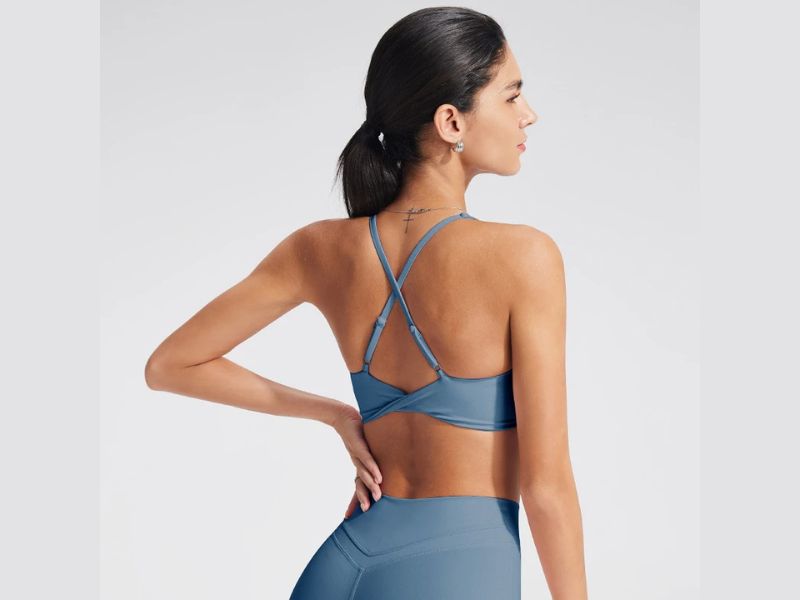
Active lifestyles and health awareness are on the rise. Customers buying activewear not only demand comfort during movement but also want to express their unique personality at the gym or in running clubs.
Using inspirational slogans, team symbols, or all-over print patterns makes activewear stand out completely. This is a great opportunity for sellers to reach potential target customers such as personal trainers, yoga groups, or local sports communities.
From a business standpoint, activewear items like sports bras, leggings, or shorts are often purchased as matching sets. This creates favorable conditions for sellers to apply product bundling strategies, significantly boosting average order value.
Besides printing, custom embroidered items like hats, jackets, or bags bring a premium feel and superior durability that standard printing techniques can hardly match.
Customers are willing to pay a high price markup for sharp computer embroidery details because they deliver a neat, luxurious look that lasts over time. This is a perfect choice for building high-end fashion lines, corporate uniforms, or corporate gifts that demand high professionalism.
Sellers can leverage embroidery techniques to position their brand in the mid-to-high segment, thereby attracting customers who focus heavily on product quality.
Read more: Best Selling Embroidered Items on Etsy in 2026
2. Personal accessories
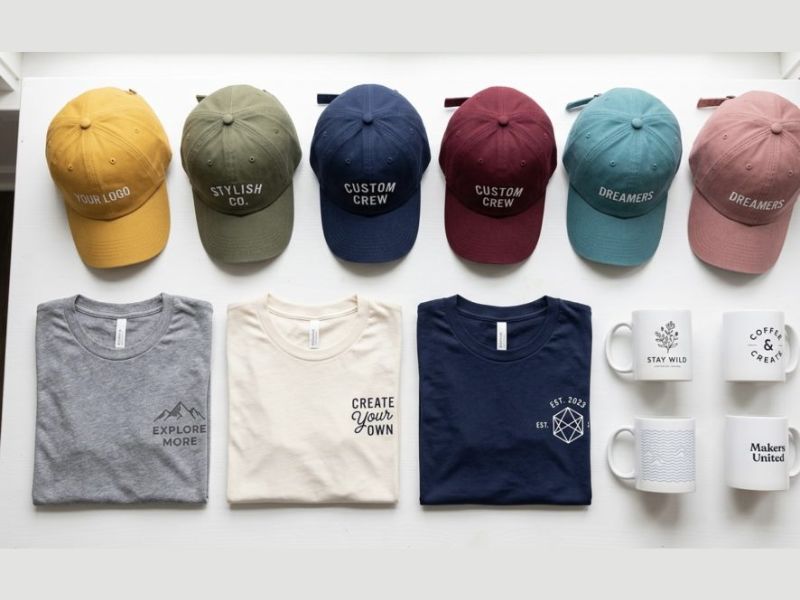
Baseball caps, trucker hats, and beanies are easy-to-style daily wear items suitable for both men and women. Buyers choose
personalized hats for family, friend groups, sports clubs, or corporate gifts. Hats have the advantage of an adjustable strap, helping sellers completely eliminate the sizing return risk commonly found in apparel selling.
Additionally, hats have low base costs and are extremely suitable for
3D puff embroidery of logos or slogans. Thanks to their lightweight and compact shape, both packaging and shipping costs are very low. Sellers can easily bundle hats with T-shirts or hoodies to boost overall order value.
Personalized socks are one of the accessory products with the lowest initial capital cost while delivering remarkably impressive conversion rates. Thanks to AOP technology, sellers can freely create humorous designs, pet prints, or industry-specific patterns. Consumers frequently choose this product for impulse gifts, office gift exchanges, or add-on items.
For sellers, socks are a perfect solution for driving incentive marketing strategies like cross-selling or selling multi-pair combos. Continuously launching seasonal or trending sock collections stimulates customer collecting behavior, generating a very steady repeat purchase frequency.
Gloves are a seasonal niche product line with a highly loyal customer base. Beyond keeping hands warm in winter, custom gloves serve specialized purposes such as gym gloves, driving gloves, or sun-protection gloves. Customers are willing to pay higher prices for gloves featuring club logo prints, personal symbols, or added functional features like touchscreen compatibility.
Relatively low base production costs combined with stable retail prices help maintain strong profit margins. Focusing on highly functional designs and durable materials will help your store easily earn positive reviews, building a solid foundation to expand into other complementary accessories.
Scarves are a premium fashion item with versatile adaptability, ranging from lightweight silk for summer to warm wool and felt for winter. This is an ideal product for designers to display complex artistic patterns, easily imprinting a strong personal mark. Customers often buy custom scarves as luxurious gifts for partners and loved ones, or to add a stylish touch to event outfits.
The biggest advantage of scarves lies in their high perceived value. The flat shape of scarves simplifies the printing process, ensuring precise accuracy compared to design mockups. As a result, sellers can set retail prices close to high-end accessories, achieving high net profit margins and building a refined brand image.
Custom footwear is a premium fashion segment with massive pricing potential. Buyers of personalized shoes usually look for unique, streetwear-inspired designs or distinct cultural touches that mass-produced brands cannot provide. This customer group has very low price sensitivity and is ready to pay a high premium for products that express their individuality.
Sellers can leverage lifestyle photography and collaborate with influencers (KOLs/KOCs) to build brand image, allowing them to establish justified pricing.
Custom bags like tote bags, backpacks, or fanny packs feature high daily utility. Beyond functional storage, bags express lifestyle, eco-conscious mindsets, and user personality. This product line easily reaches a diverse customer base, from students and office workers to travel and outdoor enthusiasts.
Furthermore, tote bags and backpacks feature large, flat printing surfaces that showcase sharp design details. Low base production costs paired with compact sizes reduce the risk of damage during transit. Sellers can flexibly apply bundling strategies with other fashion items to increase average order value.
Personalized jewelry (name-engraved necklaces, message bracelets, birthstone rings) is a top profit-generating product group in the market. Buyers view each piece of jewelry as a symbol of affection and family memories, valuing emotional meaning far more than raw material costs. This allows sellers to easily mark up retail prices 3 to 5 times above initial base costs.
Jewelry is also a dream product line for every seller due to its small size and ultra-lightweight nature, drastically optimizing packaging, storage, and international shipping costs. Demand for jewelry gifts (wedding anniversaries, Mother’s Day, Valentine’s Day, graduations) remains steady year-round without seasonal dips. Sellers simply need to focus on refined gift packaging and an intuitive live engraving preview tool on their website to close orders quickly and secure massive net profit margins.
3. Drinkware & Kitchenware
Personalized drinkware such as ceramic mugs, insulated tumblers, and reusable water bottles is a product group with exceptionally stable demand year-round, while experiencing sales explosions during holiday seasons. Customers buy these products mostly as gifts for family members, colleagues, or for corporate use. Thanks to high utility and affordable price points, this product line enjoys fast checkout conversion rates, helping sellers maintain a steady cash flow.
From a financial standpoint, the drinkware category brings highly attractive profit margins. With relatively low base production costs, sellers can expand into color-changing mugs, enamel camp mugs, or laser-engraved metal water bottles. Additionally, this product line is well-suited for large B2B orders for corporate events, helping sellers scale up revenue.
Plain kitchenware initially has very low value, but simply adding an engraved name or custom wish instantly transforms it into a hot-selling gift item for housewarmings, weddings, or Mother’s Day. Applying laser engraving technology onto wood, metal, or canvas substrates produces a luxurious look, allowing sellers to mark up prices 3 to 4 times higher than initial costs.
The reason this product group is favored by many sellers lies in its effortless operational process. Because laser machines process items fully automatically based on the customer’s design file, stores save maximum labor costs and practically eliminate human error. More importantly, kitchenware does not involve complex sizing like fashion, reducing return barriers close to zero.
4. Home & Living decor
Personalized scented candles are a living space care product experiencing impressive growth in the e-commerce market. Customers purchase candles as sophisticated gifts for birthdays, weddings, or anniversaries. Allowing buyers to customize labels with names, personal messages, or memory photos attracts both individual customers and corporate clients looking for event gifts.
Operationally, personalized candles offer superior profit margins due to low base production costs combined with high perceived value. Sellers simply need to focus on packaging design and external labeling. Furthermore, the consumable nature of scented candles after a period of use drives steady repeat purchasing behavior, helping the store maintain a stable revenue stream.
Custom blankets are a home good that records strong sales surges during cold seasons and year-end festive holidays. This product line has a broad customer base, ranging from throw blankets for living room sofas and baby swaddles to dedicated pet blankets.
Consumers are willing to pay high price markups for blankets printed with family photos, baby names, or unique cartoon patterns. This product easily triggers gift-shopping mindsets during important milestones like baby showers, Christmas, or Halloween.
From a business perspective, custom blankets feature large print areas, allowing designers complete freedom to create complex details. Although shipping costs may be slightly higher than smaller items, the high retail price of custom blankets fully offsets this expense. Adding blankets to your catalog helps businesses catch the holiday gift shopping wave, providing strong leverage to break sales records in the final months of the year.
- Wall art and canvas prints
Wall art such as canvas prints, custom family portraits, or typography art posters represents high average order value (AOV) products in interior decor. Customers buy these items to refresh living spaces, preserve family memories, or give luxurious housewarming and wedding gifts. Unlike fashion items, large-format wall art creates exceptional aesthetic value, giving sellers total freedom to set attractive retail prices for maximum profitability.
Custom LED and neon signs are among the most profitable personalized products on the market today. This product meets strong demand for decorating bedrooms, workspaces, coffee shops, or major events like weddings and birthdays. Customers are willing to spend hundreds of dollars on a custom neon sign due to its uniqueness and impressive space-highlighting ability that standard decorative lights cannot replace.
Financially, the neon sign business model delivers ideal net profit margins. The gap between bending material costs and finished product pricing is massive because buyers pay for craftsmanship and artistic value. Integrating real-time preview tools on your store that allow customers to test fonts and light colors boosts order conversion rates significantly.
Personalized home decor (accent pillows, doormats, wooden signs, anniversary plaques) commands some of the highest perceived value in the market. Unlike mass-produced items bought at supermarkets, decor items featuring personal names, anniversary dates, or family messages are truly unique.
This eliminates price-comparison behavior among consumers, allowing sellers to comfortably set healthy retail prices and collect attractive net margins. It is also a top choice for high-value gift needs such as housewarmings, weddings, or home-purchase anniversaries.
Operationally, this is a product line that explodes in sales during holiday seasons (Christmas, New Year, wedding season). Implementing 3D mockup tools right on your website enables buyers to visualize the product accurately inside their own home.
5. Travel accessories
Luggage tags, personal toiletry bags, or passport covers perfectly meet the needs of frequent travelers and adventure lovers. Customers personalize these items not only to identify luggage easily at the airport but also to express their unique personality.
Combining map illustrations, inspiring quotes, or custom names onto accessories turns ordinary travel items into meaningful travel companions. This makes an ideal product line for creating gift sets. Sellers can easily bundle multiple accessories around a single theme to boost average order value (AOV).
Small personal accessories like leather wallets, belts, bracelets, or scarves are top choices for sophisticated gifts. Engraving names, signatures, or personal messages transforms everyday items into unique keepsakes. As a result, sellers can easily price products 3 to 4 times higher than initial base costs.
Operationally, small accessories are a powerful revenue booster thanks to their compact sizes and cheap shipping fees. Sellers can use them as upsell items at checkout or package them into complete gift bundles alongside apparel, raising order values while keeping marketing costs low.
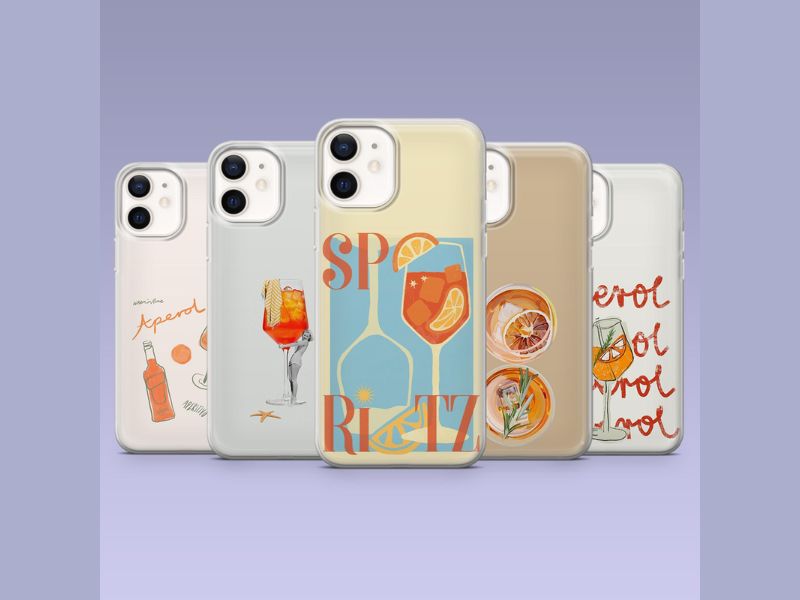
Personalized phone accessories feature low capital costs paired with huge consumer demand. Modern tech users view phone cases as an essential fashion accessory. Allowing buyers to print personal photos, names, or unique artwork attracts a wide range of customers.
From an operational and financial standpoint, phone accessories offer ultra-cheap base costs and extremely light weight, allowing sellers to maximize savings on storage, packaging, and international shipping. Thanks to frequent device upgrades and viral social media trends (TikTok, Instagram), sellers can rapidly drop new trend-focused collections that drive impulse purchases.
6. Tech & Desk accessories
Desk mats, laptop sleeves, and oversized mousepads are seeing surging demand fueled by remote work culture and gaming communities. Users spending long hours at desks have a strong desire to make their personal workspace look aesthetic and inspiring. This product line easily attracts niche customer groups like office workers, programmers, students, and streamers.
Furthermore, low base production costs help sellers maintain competitive prices while capturing steady profit margins. Sellers can also construct bundled combo packages to effectively increase order values.
- Laser-engraved tech accessories
The rise of remote work has boosted demand for workspace upgrades like laptop stands, wireless chargers, or tablet leather sleeves. Instead of color printing that can peel over time, laser-engraving personal messages or names onto wood, leather, and metal creates a high-end look. High-income office workers are willing to pay 3 to 4 times the base cost for these refined accessories, securing strong net margins year-round without seasonal slowdowns.
7. Pet products
The pet accessory market is exploding as humanizing pets becomes a widely popular global trend. Custom pet items like hand-drawn portraits, name-printed bowls, collars, or dog and cat hoodies yield high profit margins by catering to pet owners who love pampering their “four-legged family members." This customer group has deep emotional connections, giving sellers great leverage to launch humorous, unique, or matching owner-and-pet designs.
Selling personalized pet products yields impressive profit margins ranging from 50% to 70% per order. Base costs for small items like pet ID tags, bowls, or leashes are low, while retail prices remain on par with fashion accessories. Optimizing an intuitive visual pet-customization tool on your storefront will drive impulse buys and support long-term sales growth.
8. Kids, baby & Games
- Personalized kids products
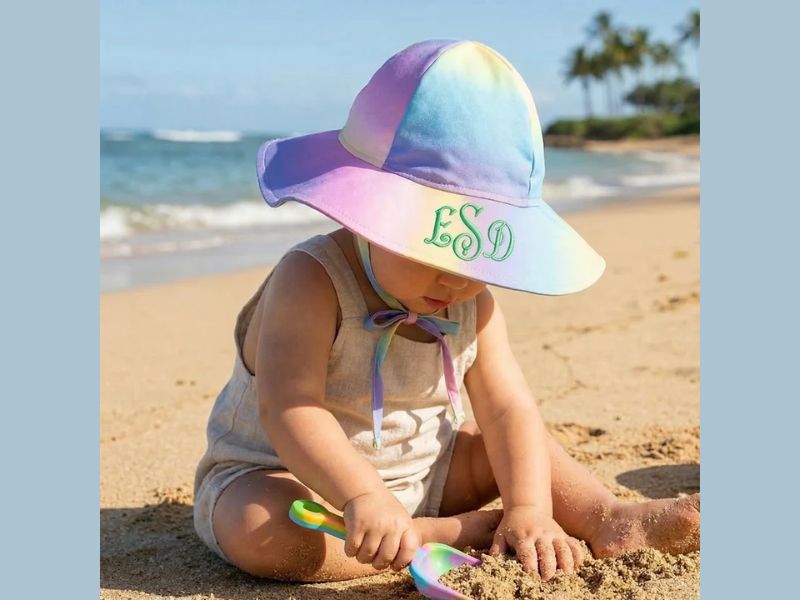
Kids products represent a category with emotional appeal that strongly resonates with buyers. Parents, grandparents, and relatives always wish to give unique, meaningful items to children during major growth milestones like birthdays, the first day of school, or holidays. Adding personal names, photos, or custom messages creates high emotional value, making buyers far more decisive without overthinking the price.
From a business perspective, this product line offers excellent net profit margins. With reasonable base production costs for kids apparel or custom books, sellers can set premium prices based on perceived value. Furthermore, children grow and change sizes quickly year after year, generating continuous repeat purchase opportunities from a loyal customer base.
A regular stuffed animal may only cost a few dollars, but putting a mini t-shirt printed with a baby’s name, birthdate, or custom illustration on it instantly turns it into a priceless keepsake for birthdays or baby showers. Instead of altering complex plush toy structures, sellers simply print messages on the accompanying mini T-shirt. Thanks to cheap base costs and lightweight sizes, this model minimizes shipping fees, easily closes impulse purchases from parents, and yields very high profit margins.
What if you turned family photos, travel memories, or pets into custom jigsaw puzzles or personalized playing cards? Modern print-on-demand fulfillment allows sellers to fulfill single-unit orders without inventory holding costs or minimum order quantity commitments. To guarantee order success, your store simply needs an automated low-resolution image warning tool on the website to ensure crisp final prints, minimizing complaint rates and building long-term customer trust.
9. Gifts & Small items
Custom stickers are a low-cost product solution with exceptionally high conversion rates, making them perfect for driving initial traffic to your store. Consumers, especially younger demographics, love using stickers to personalize laptops, phone cases, and water bottles. Selling them as bundles or themed packs around specific niches like professions, hobbies, or pets helps sellers drive quick checkouts.
The sticker business model features super-low production costs and virtually zero shipping fees due to ultra-light, compact packaging. It ranks among the top best-sellers on platforms like Etsy or Shopee, allowing sellers to accumulate positive reviews quickly and boost store credibility. Sellers can also use custom stickers as a free gift with purchase to enhance customer satisfaction and make a great impression.
Gifts such as engraved photo frames, acrylic plaque keepsakes, or custom keychains represent a business model built around appreciation and recognition. Buyers seek these items to show genuine sentiment to recipients across diverse occasions, from birthdays and weddings to graduations and retirements.
The key advantage here is year-round relevance, allowing you to pivot marketing messages according to any season. Consistent purchasing power driven by gift-giving needs helps maintain high order conversion rates year-round.
10. Corporate & B2B products
- Custom stationery and invitations
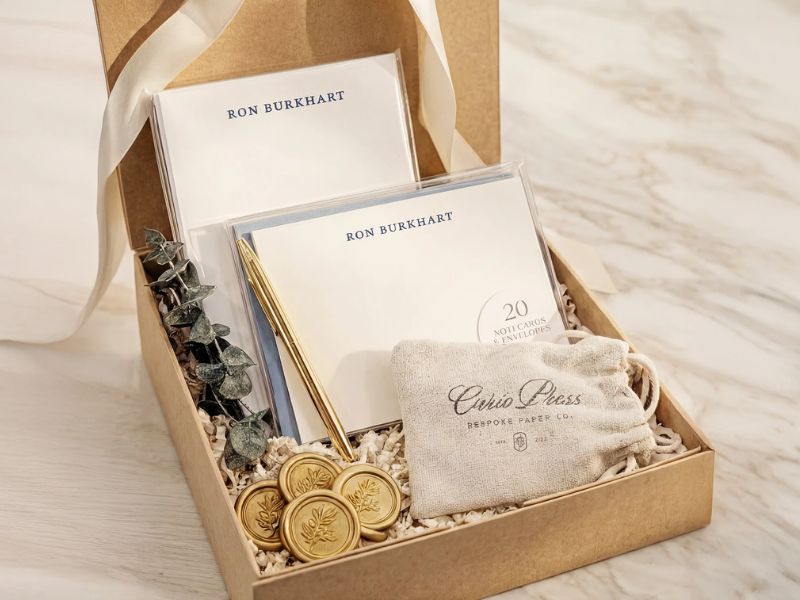
Notebooks, desk calendars, wedding invitations, and business cards effectively meet the needs of both individual consumers and corporate clients. Custom layouts, elegant typography, and sharp print quality justify premium prices for paper products.
Additionally, the custom stationery model benefits from fast and accurate flat printing. Sellers can easily bundle notebooks and greeting cards into gift sets to raise AOV. Driven by healthy profit margins and steady repeat demand from office workers and students, this is a highly promising niche.
Beyond individual retail orders, personalized packaging and gift boxes allow sellers to tap into lucrative B2B clients. Small businesses, event planners, and wedding coordinators constantly require bulk orders of custom-printed cardboard boxes, wrapping paper, and logo stickers to elevate their brand image. Although individual box costs are low, bulk order volume pushes total order value into the hundreds or thousands of dollars, securing steady cash flow and lowering customer acquisition costs per unit.
2 ways to research best-selling custom product ideas
To build a profitable print-on-demand store, you need to create unique designs that hit specific niche interests.
You can find and validate ideas using these two approaches:
Design inspiration
-
Pinterest: Discover popular styles (Retro, Minimalist, Y2K) by combining your product keyword with a style tag (for example: “vintage pet sweatshirt").
-
Behance/ Dribbble: Explore polished art portfolios to study color theory, or hire freelance designers to create exclusive custom designs.
Commercial demand validation
-
Etsy Search & Amazon Best Sellers: Check if users are actively searching for those keywords and spending money on those items.
-
TikTok Creative Center & Google Trends: Identify whether a trend is rising or fading before putting money into paid ads.
Where to sell custom products?
Choosing the right sales channel depends heavily on your operational model and marketing strategy. Broadly speaking, the market is divided into two main categories: self-hosted Ecommerce Platforms and centralized Marketplaces.
Ecommerce platforms
Ecommerce platforms allow sellers to set up an independent online store under their own domain name. Instead of competing directly on the same screen with rivals, sellers maintain full control over store design, product structure, and customer shopping experience.
Popular platforms: Shopify, Squarespace, Wix, WooCommerce, BigCommerce, PrestaShop.
Pros:
-
Flexible scalability: Easily add features, expand catalogs, and scale up as your business grows without infrastructure limits.
-
Full customization freedom: Complete control over brand identity, interface optimization, and custom checkout flows.
-
Customer data ownership: Total ownership of customer data (emails, purchase behavior) for long-term remarketing campaigns.
Cons:
-
Time-consuming setup: Requires initial time investment to design storefronts, install plugins, and set up daily operations.
-
Zero built-in traffic: Sellers must drive their own potential customers via paid ads, SEO, or social media content.
-
Requires technical skills: Optimizing page speed, connecting payment gateways, or custom coding may require technical knowledge or developer costs.
For a deeper dive: Best Ecommerce Platforms: Top 12 Leading Options in 2026
Marketplaces
Marketplaces operate like an “online shopping mall" that gathers millions of buyers with high intent. Listing products on these platforms gives sellers immediate access to massive existing traffic without spending heavily on driving initial visitors.
Popular marketplaces: Etsy, eBay, Amazon, TikTok Shop.
Pros:
-
Fast setup: Open a storefront and list products in a short time using standardized steps.
-
Built-in buyer traffic: Tap into a vast pool of active buyers already searching for products on the platform.
-
Easy maintenance: Technical systems, payment setups, and security are managed by the platform, letting sellers focus purely on listing products and processing orders.
Cons:
-
Limited creative control: Store layouts follow strict marketplace standards, making it hard to build distinct brand recognition.
-
Fierce competition: Products are easily compared side-by-side on price and design with thousands of competitors on the same search page.
-
Policy dependency and fees: Sellers must pay various platform fees (listing fees, transaction fees, payment processing fees) and risk account suspension if platform rules change.
For a deeper dive: Guide: Best 15 Online Marketplace Options in 2026
6 profit-boosting strategies for personalized products
Beyond aesthetics, applying smart operational strategies will help your business maximize profitability and accelerate sales growth:
-
Target emotional value: Products tapping into appreciation, family affection, pet love, or milestone celebrations always yield significantly higher conversion rates than plain decorative items.
-
Focus on niche markets: Clearly identifying a specific target audience helps you design products that address exact pain points, optimize advertising costs, and build a loyal customer base with ease.
-
Offer multiple custom fields: Allow buyers the flexibility to add names, anniversary dates, or personal messages. Every added custom field increases the perceived value of the product, making it easier to set a higher retail price.
-
Optimize designs for gift-giving: Develop product lines targeting major events such as weddings, birthdays, Christmas, or Mother’s Day. This strategy helps drive revenue surges during peak shopping seasons throughout the year.
-
Drive product bundling: Combine complementary items into matching gift sets (such as pairing a ceramic mug with a themed throw pillow) to boost average order value (AOV).
-
Partner with reliable fulfillment providers: Choose high-quality suppliers (such as Merchize or Printify) to ensure crisp print details and fast delivery times. Superior product quality is the core factor in reducing return rates and building long-term brand credibility.
Comprehensive Fulfillment Solutions from Merchize for Custom Sellers
When your store achieves steady order volume, choosing a reliable manufacturing and fulfillment partner becomes the key factor in sustaining growth.
Merchize offers a comprehensive fulfillment ecosystem for POD and custom product sellers:
-
Large manufacturing infrastructure: Factories located in Vietnam and the United States with massive production capacity, featuring an average production turnaround time of just 1 to 3 days.
-
Diverse catalog: Over 1,000+ product SKUs ranging from apparel, computer embroidery, and cut/engraved wood and acrylic decor to personal accessories.
-
Global shipping network: A fulfillment network supporting delivery to 180 countries, automatically syncing tracking numbers directly to platforms like Shopify, Etsy, TikTok Shop, and Amazon.
-
Tech-driven support tools: Integrated with an intuitive 3D mockup generator and Shopify app to simplify the operational workflow from design creation to order checkout.
Having a high-potential product catalog alongside an optimized operational workflow is just the beginning. To truly break through in sales and master the e-commerce market, choosing the right custom items to sell combined with a trusted fulfillment partner is your ultimate key to success. Merchize is proud to be your reliable partner, offering end-to-end manufacturing and delivery solutions to turn your creative design ideas into sustainable profits.