
Contents
Purchasing power in major markets like the US and Europe for the fashion industry always maintains impressive growth. Choosing to sell clothes on Etsy at the present time is a strategic move to help you increase cross-border revenue.
However, the rise of new shops requires you to have a more systematic operation method. To gain a competitive edge, sellers need to master the A-Z roadmap. So, what is that roadmap? What should you keep in mind? Read on to find the answer.
Key Takeaways
- Etsy is best suited for fashion products with clear differentiation, such as handmade, vintage, personalized apparel. Competing on price is not an effective strategy on this platform.
- Choosing the right niche is more important than trying to sell many types of clothing from the start. Evaluate search demand, competition level, and buying signals before investing in product development.
- The POD model helps sellers start selling clothes with low risk, but the designs must be created by you and production partners need to be disclosed according to Etsy’s policy.
- Listings determine a large part of your ability to be found and converted into orders. Authentic images, clear size charts, titles, tags, and descriptions need to be well optimized.
- Continuously observe to identify which listings have potential, improve poorly performing products, and scale well-selling designs to related products.
Does selling clothes on Etsy work well?
Certainly, selling clothes on Etsy is completely worth it. Fashion is always among the categories with the highest purchasing power on almost all e-commerce platforms, and Etsy is no exception.
The nature of Etsy is built as a carefully curated ecosystem, bringing together independent sellers and a customer base with high demand for handmade and unique products. This platform currently has more than 93 million active users. Among them, nearly 7 million loyal customers maintain a shopping frequency of at least 6 times per year with an average spend of over 200 USD.
Traffic data shows that the user group aged 25 – 34 accounts for the largest proportion, with a breakdown of 58.2% female and 41.8% male. Notably, fashion and apparel continuously maintain their position in the top 4 most interested categories on Etsy. This potential customer group brings a big advantage to fashion sellers.

Consumers who go to Amazon or Shopee usually look for mass-produced items at low prices. In contrast, buyers on Etsy mainly come from the US, Europe, and Canada and prioritize personalized designs, handmade items, vintage items, or print on demand shirts. They value uniqueness and are willing to pay high prices instead of comparing prices between shops.
Besides the customer base factor, Etsy’s operating mechanism also helps sellers optimize costs and business processes. The platform’s SEO algorithm supports organic display very well. When you optimize titles and tags accurately, products can reach thousands of potential buyers without relying immediately on an advertising budget.
In terms of the financial problem, Etsy’s cost structure is very reasonable compared to the general standard. The transaction fee (6.5%) and payment processing fee (3% + $0.25) are completely equivalent to competing platforms like Amazon Handmade.
In particular, you can launch a shop with minimal capital thanks to the smooth integration between Etsy and reputable POD print shops like Printify or Merchize. This model completely eliminates inventory risk. This means that you only need to focus on designing samples, and when an order comes in, the partner shop will automatically print, pack, and deliver it to the customer.
Finally, developing a shop on Etsy is not alone at all. This ecosystem provides a deeply connected community of sellers through forums, discussion boards, and help centers. This is where sellers exchange practical experience, look for cooperation opportunities, and optimize revenue together in a sustainable way.
Therefore, selling clothes on Etsy is completely a very potential direction.
Read more: T-Shirt Market Next Wave: Personalization Dominates Ecom
How to start selling clothes on Etsy with 6 steps
Building a successful online fashion brand requires a close combination of market research, operational techniques, and marketing strategy. Below is the roadmap to help you step by step bring your products to Etsy and create a sustainable cash flow.
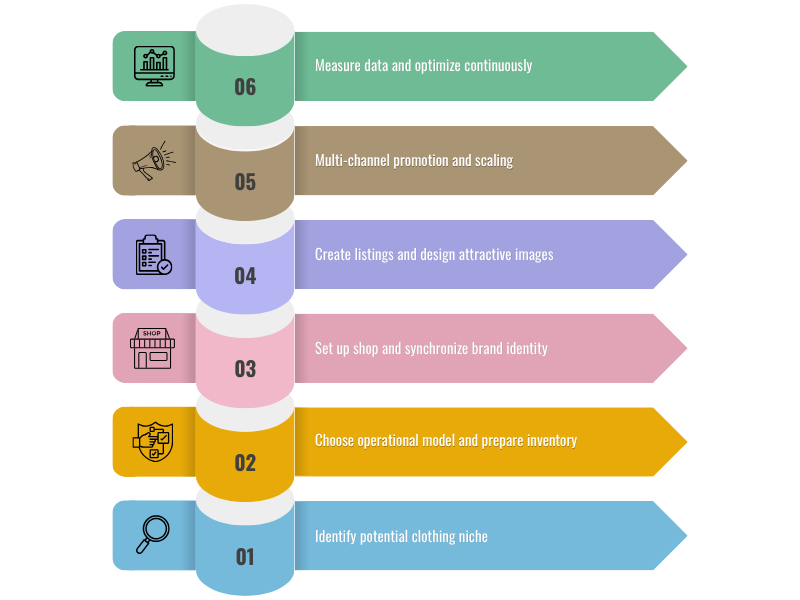
Step 1: Identify potential clothing niche
The fashion market on Etsy is extremely huge, so the competition is quite fierce. The strategy should be to focus maximum resources on a specific sub-niche. Defining your target audience accurately will create differentiation and optimize all future media costs.
Before designing, you need to evaluate personal capability and the amount of time you can invest. After that, check the feasibility of a niche by doing market research right on the Etsy search bar:
-
Competition level: The number of returned results shows the saturation of the market. Look for niches with stable search volume but a moderate number of competitors.
-
Buying signals: Check products on the first page. The appearance of “Best Seller" badges or high review numbers is proof that customers actually spend money on that topic.
-
Search trends: Take advantage of the auto-suggest feature on the search bar, combined with tracking the annual Etsy Trends report page.
-
Support tools: Use deep data analysis platforms like eRank, Alura, EtsyHunt, or Marmalead to accurately look up search volume and user engagement level.
Instead of selling general “women’s t-shirts", narrow the scope to specific topics based on hobbies, professions, or lifestyles: t-shirts printed with funny quotes for teachers, pet topic shirts for dog owners, or minimalist style outfits for yoga practitioners. Start from a very narrow niche, build a loyal customer base, and then think about expanding the product catalog.
Step 2: Choose operational model and prepare inventory
When you have finalized the product niche, the next step is to decide on the production method and prepare inventory to be ready for launch. Currently, there are 3 main directions for sellers:
-
Self-production/Handmade: Suitable for self-sewn products and custom designs. You need to actively source quality fabric, complete the sewing process, and strictly control the packaging process. This option gives high profit margins and absolute uniqueness, but the barrier is limited production capacity.
-
Vintage curation: Requires the ability to find unique goods, evaluate quality condition, and determine the exact age of the product (Etsy requires vintage items to be 20 years old or older).
-
Print on demand: This is the optimal choice for sellers who want to minimize financial risk. You only need to create high-resolution design files. Partner applications like Printify or Merchize will automatically receive orders, print, pack, and deliver to customers.
Note that each POD printing technique suits different fabric materials:
-
DTG: Optimal for multi-color designs with complex details on 100% cotton fabric.
-
Sublimation: Gives extremely high color durability but requires using polyester or light-colored poly blend fabric.
-
Embroidery: Creates a high-end feel for logos or small patterns on t-shirts and hoodies.
-
All-over-print: Covers the entire area of the garment, creating a strong visual impression.
Additional note: Etsy allows the POD model if you create the designs yourself and disclose production partners in the description section. However, the platform strictly prohibits traditional dropshipping forms (reselling mass products from wholesale platforms). To make the shop look credible right upon opening, prepare a minimum of 15 to 25 different listings in the same niche.
See more: Best Selling Print On Demand Products On Etsy In 2026
Step 3: Set up shop and synchronize brand identity
The process of creating a seller account on Etsy is relatively fast but requires legal and payment accuracy:
-
Access Etsy.com and register an account using a business email or personal email.
-
Select “Sell on Etsy" to start setting up selling country, language, and currency.
-
Name the shop: The shop name needs to be easy to remember, reflect the fashion style you follow, and has never been registered on the system.
-
Upload at least 1 demo product as required by Etsy to activate the selling interface.
-
Set up payout methods and add an international payment card to pay operating fees. Etsy applies a listing fee of $0.20 per product (valid for 4 months) along with some initial setup costs for new accounts.
After completing the framework, continue to design the banner and logo to be consistent in color. Fill in the Story section completely so buyers can understand the enthusiasm and inspiration behind the design patterns. At the same time, clearly set up shop policies regarding returns, order processing time, shipping rules, and the FAQ section to answer common questions, thereby increasing the order conversion rate.
Step 4: Create SEO-standard listings and design attractive images
Listings are the direct touchpoint that determines whether customers spend money or not. When building a product list, you need to focus on 3 factors:
High quality product images In the fashion industry, images play a role in determining 80% of the conversion rate. Upload 7 to 10 photos for each listing, including: full front/back photos, close-up photos of fabric material and stitching, size chart photos, and real model photos. If using the POD model, take advantage of realistic mockup tools (Placeit, Smartmockups) to create a realistic feel.
Search engine optimization (Etsy SEO) Put researched target keywords into strategic positions:
-
Title: Put primary keywords with high search volume at the beginning of the title.
-
Tags: Maximize all 13 tags provided by Etsy. Use specific long-tail keywords like “funny teacher shirt" or “botanical plant lover tee" instead of overly general keywords.
-
Description: Write detailed descriptions about style (unisex, fitted), material (100% combed cotton), care instructions (machine wash cold), and outfit suggestions to inspire buyers.
Strategic pricing Carefully calculate base cost (POD production price/capital cost) + Etsy platform fees (6.5% transaction fee + 3% & $0.25 payment processing fee) + packaging fee + expected profit margin. The average price for a designed t-shirt on Etsy usually ranges from $10 to $30 depending on the brand and printing technique.
Step 5: Multi-channel promotion and scaling
Listing products on the platform is only a necessary condition; you also need to actively drive external traffic to the shop through:
-
Social media visual: Fashion is a visual industry. Build a Pinterest channel with pinboards by design theme, and post behind-the-scenes videos of making shirts or styling outfits on TikTok/Instagram Reels to reach young customer groups.
-
Etsy Ads: Turn on internal ads with a small budget ($1 – $5 per day) for the most potential products to push listings to priority positions in search results.
-
Offsite Ads: Take advantage of Etsy’s offsite advertising program so products automatically appear on Google and Facebook. You only pay fees when ads generate actual orders.
-
Expand to Shopify: When you have a stable number of customers, connect your Etsy shop with a personal Shopify website through the Marketplace Connect application. This helps you fully own customer data, build an email marketing list, and save transaction costs on your own sales channel.
Step 6: Measure data and optimize continuously
The operating process requires flexible adjustments based on actual data from Etsy Stats:
-
Track metrics: CTR, favorites, and views will show which designs or cover photos are attracting buyers.
-
Filter catalog: Maintain a steady frequency of posting new listings weekly so the Etsy algorithm evaluates the shop as active.
-
Optimize: For listings that do not generate views after 30 days, redo mockup photos, change titles, or adjust tag sets. Conversely, focus on replicating winning designs to other product lines like sweatshirts, hoodies, or tote bags to maximize revenue.
Clothing niche strategy: What should you focus on?
Doing fashion business on Etsy is completely a viable direction, but success or failure lies in your niche positioning strategy. Etsy is originally not a battleground for fast fashion or generic low-cost products.
The customer base on this platform is willing to pay high prices to own unique values. To build a breakthrough shop, you need to focus on 4 pillars:
-
Uniqueness: Distinctive designs that cannot be found at common retail chains like Target or H&M.
-
Brand story: The human value behind the creator, the origin of materials, or the historical mark of each item.
-
Quality over quantity: Etsy customers accept high prices for well-finished and sustainable products.
-
Personalization capacity: Allowing customization of names, anniversary dates, sizes, or colors helps create a unique personal touch for the wearer.
From these core orientations, choosing the right product segment will directly determine your profit margins and competitive advantage. Below are the 8 most potential clothes niche markets on Etsy.
1. Vintage fashion
- Prices range from $30–$300+ with very high profit margins of 60–150%+.
Market demand is extremely huge despite high competition. Best-selling product lines include 70s boho dresses, 90s band t-shirts, vintage denim, retro sportswear, and 80s blazers.
When selling in this niche, the actual condition and authenticity of the product play a decisive role. You need to provide detailed measurements and accurately identify the production era of each item.
2. Handmade dresses
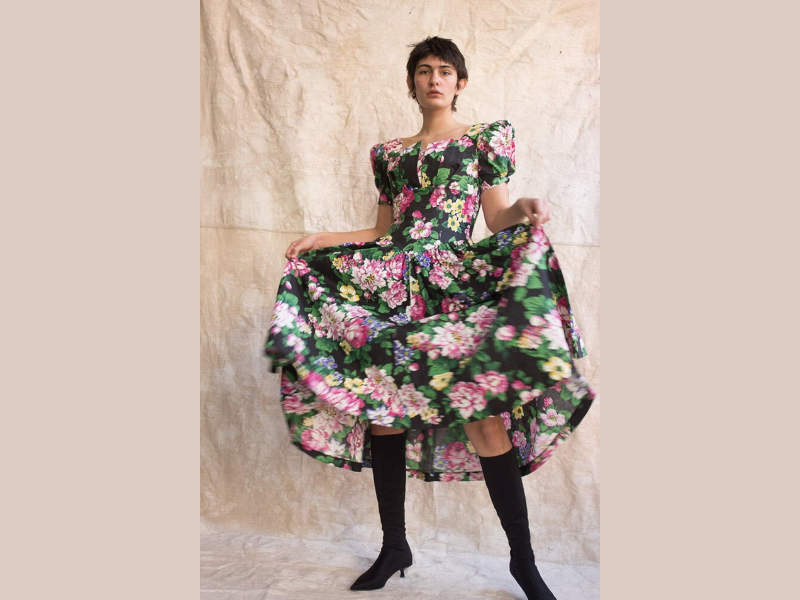
- Popular prices range from $75–$400+ with stable profit margins of 50–70%.
This market records high demand and medium to high competition. Linen fabric designs, loose maxi dresses, cottagecore style, wrap dresses, or outfits for special occasions always have great appeal. To optimize revenue, prioritize natural materials like linen; simultaneously, providing a variety of sizes or custom tailoring services will help you increase the order conversion rate.
3. Personalized apparel
- Products are priced at $25–$150, bringing profit margins of 40–60%.
This is a niche with extremely high demand and medium competition. Name-embroidered items, custom printed text t-shirts, jackets with name patches, or personalized robes are very popular as gifts. The key to winning in this segment is fast order processing speed, as most customers order for fixed events or anniversaries.
Recommended for you: Best Selling Embroidered Items on Etsy in 2026
4. Plus-size fashion
- Priced in the range of $50–$200 with profit margins of 50–65%.
This is a niche with high demand but low to medium competition. Items like dresses, jumpsuits, swimwear, activewear, and workwear for plus-size people still lack quality supply. Customers in this segment have very high loyalty once they find a shop that offers products that fit and flatter their bodies well.
5. Eco fashion
- Prices range from $60–$250, bringing profit margins of 45–60%.
Market demand is growing strongly with medium competition. Products using organic cotton fabric, recycled materials, upcycled vintage fashion, or zero-waste sewing patterns are very welcomed. Customers are willing to pay high prices for products with clear eco-certifications, so you need to be transparent about all your certifications and green manufacturing processes.
6. Cultural & Specialty clothing
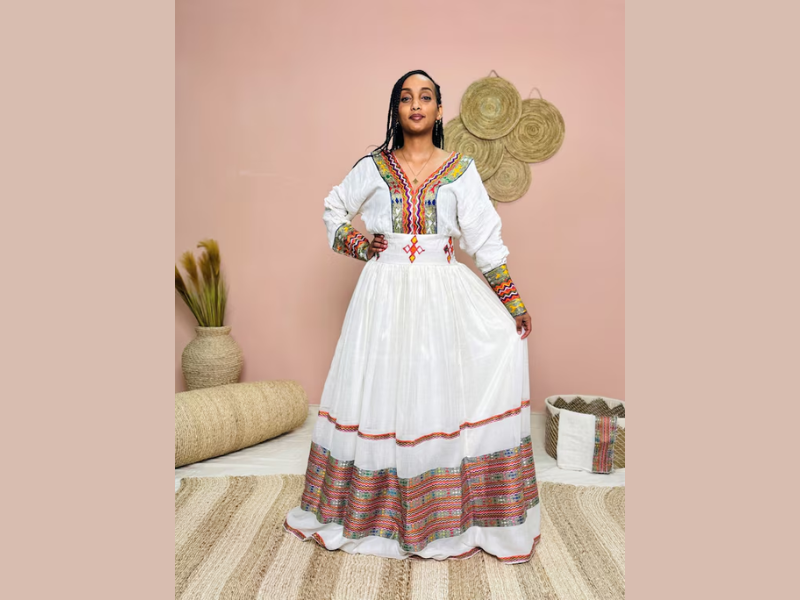
- Prices range from $50–$300+ with superior profit margins of 55–75%.
This niche records medium to high demand along with low competition. Traditional wedding attire, cultural festival costumes, modest fashion, or religious garments have high uniqueness. Deep cultural understanding and authenticity are the keys to building trust with buyers.
7. Streetwear & Indie brands
- Prices maintain from $35–$150, with profit margins reaching 45–65%.
The market has high demand accompanied by medium-high competition. Graphic t-shirt lines, hoodies, limited drops, or artist collaboration products always generate great appeal. Brand identity and exclusivity are the main drivers boosting sales, where limiting the sale quantity will create a scarcity effect, encouraging customers to make immediate buying decisions.
8. Baby & Kids clothing
- Products are priced at $20–$80, bringing profit margins of 40–55%.
This segment has extremely high demand but relatively fierce competition. Organic newborn clothes, handmade dresses, matching family outfits, or baby milestone outfits are popular choices. Parents are always willing to pay high prices for safe, non-toxic products with unique designs that look good in photos to preserve memories.
In general, the fashion industry on Etsy always holds huge room for development for sellers who know how to exploit the right advantages. This market does not require you to scale up production like big corporations, but requires subtlety in choosing a niche suitable for your core capability.
Top tips for selling clothes on Etsy
Online fashion business holds great potential but also has a barrier: customers cannot directly hold, feel, or try on clothes. Therefore, narrowing the gap between virtual space and real-world experience is truly essential. To attract and retain buyers effectively, you need to keep in mind:
1. Define a very specific product niche
A common mistake of new sellers is uploading overly generic fashion items like “t-shirts", “women’s dresses", or “homewear".
The mass market always has fierce competition and expensive marketing costs. You need to narrow your target scope to clear niche keywords such as “cottagecore linen dress", “modest plus-size swimwear", or “personalized bridal robe". Digging deep into a narrow niche helps minimize direct competition while attracting the right target customer base.
2. Invest in impressive imagery with real models
Along with an accurate keyword, imagery is the next factor determining whether customers click on the product or not. Practical experience from successful brands on Etsy shows that products using real models always have outstanding sales compared to monotonous flat-lay photos. Natural poses and positive energy from the model combined with good lighting will help the outfit show its proper form and easily attract attention.
When taking a photoshoot, you should start with basic angles from the front, back, side, and close-ups of the fabric material. Make full use of all the photo slots Etsy allows to create a truly eye-catching cover photo. Accompanying that, sellers need to state clearly the model’s height, 3-round measurements, and the size of the outfit they are wearing in the description section. This helps buyers easily visualize compatibility with their own body shape.
3. Detailed product descriptions and transparent policies
Customers are attracted by images, detailed information, and clear policies. Product descriptions need to provide complete technical specifications, including size charts, fabric materials, care instructions, and outfit suggestions. Publicly and transparently displaying order processing times, return regulations, or size exchange policies not only helps customers shop with peace of mind but also protects the shop against arising disputes.
4. Build a consistent shop appearance and seamless experience
Complete product information needs to be placed in a professional shopping environment. Think of your Etsy shop like a traditional brick-and-mortar fashion store. Synchronizing colors, banners, logos, and communication tone will create a distinct brand identity. Thoroughness in interface design helps buyers feel your seriousness and professionalism.
5. Maximize the global customer base
A well-designed shop will automatically open up opportunities to reach Etsy’s huge global customer base. To optimize revenue from markets like the US, Europe, or Canada, sellers need to be prepared for differences barriers:
-
The sizing system and measurement units need to be recorded in both inches and cm.
-
The size conversion chart should clearly display the correlation between size standards (for example: US size S is equivalent to Italian size 40-42). Placing this conversion chart as the last photo of the listing will help buyers look up instantly without leaving the sales interface.
-
At the same time, setting clear international shipping fees for each region will help products display with priority on the search engine for users in that country.
6. Apply smart promotional strategies
To stimulate shopping behavior from the attracted potential customer base, applying flexible promotional programs will create a strong sales boost. Forms of real-time discounts, creating bundles with good prices, or sending appreciation discount codes to old customers help increase the average order value. Continuous testing and measuring of offer programs will help you find the optimal plan for your shop.
The fashion market on Etsy is always fluctuating, but the winning formula has never changed: choose the right niche, produce beautiful and authentic images, and operate properly. The market is ready, and foreign customers are still looking for tasteful designs. Your job is to take the selling clothes on Etsy strategy off the paper and put it into execution today.